
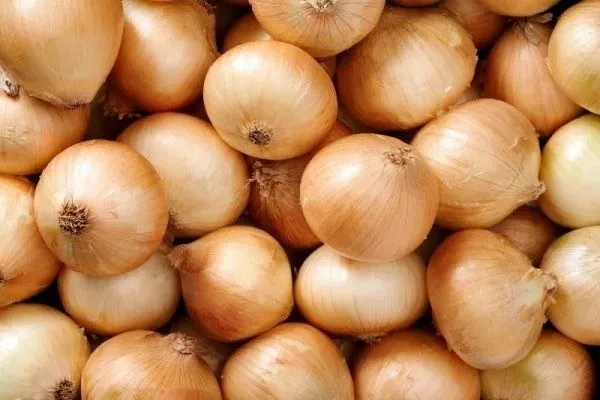
The Emerald onion is a unique variety that has gained popularity among gardeners and professional farmers due to its high yield, culinary versatility, and long shelf life. Its juicy, tender leaves and semi-sharp bulbs make it an excellent choice for a variety of culinary purposes. Proper care is key.
Breeding history
This shallot variety was bred by Z. S. Vinogradov, V. V. Zazimko, and Magomet Saryev at the Russian Seeds Research and Production Company. It was approved for use in 2002. It is a perennial plant known for its generous yields and excellent transportability.
Description and characteristics of the variety
The rosette of leaves is medium-sized, dark green. The plant's leaves are succulent and tender. Each cluster produces 3-4 bulblets, each weighing 18 to 22 g.
The leaves have a mildly pungent flavor, while the bulbs have a semi-spicy taste. This versatile variety is suitable for a variety of culinary purposes, including steaming, frying, and canning. The bulbs have a very uniform shape, making them ideal for culinary use.
These vegetables contain 14.5% dry matter and 12.1% total sugar, giving them a sweetness and juiciness superior to many other varieties. Under the right conditions, onions can be stored for up to 10 months.
Advantages and disadvantages
When it ripens, what kind of harvest does it produce?
Emerald shallots mature approximately 65-70 days after planting. Yields are 1.2-1.4 kg per square meter.
Landing
Choose a sunny site with well-drained soil. Onions prefer light, fertile soil with a neutral pH. In the fall, dig the area, remove weeds, and add organic fertilizer (humus or compost) at a rate of 5-7 kg per square meter.
In the spring, two weeks before planting, dig the area again and add mineral fertilizers (superphosphate and potassium salts). Plant Emerald in early spring (April), as soon as the soil warms to 5-7°C. Fall planting is possible in September-October, 2-3 weeks before the first frost, to allow the onions time to take root but not sprout.
Step-by-step instructions:
- Select healthy, firm, medium-sized bulbs (20-30 g).
- A few days before planting, warm them at a temperature of 35-40°C for 8-10 hours to prevent fungal diseases.
- Make furrows 3-4 cm deep with a distance of 25-30 cm between rows.
- Place the bulbs 10-15 cm apart, pressing them lightly into the soil.
- Fill with soil and compact lightly.

Growing and care
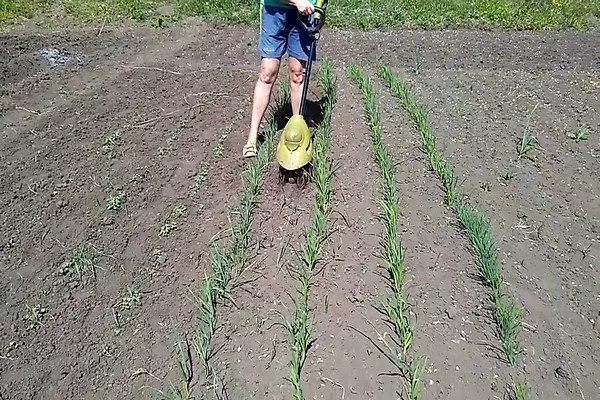
The crop requires timely and careful care. Follow these simple agricultural practices:
- Watering. Water regularly, especially during active growth and bulb formation. Avoid overwatering to prevent root rot and fungal diseases. During dry periods, water every 7-10 days, using approximately 10-12 liters of water per square meter.
- Loosening and mulching. Regularly loosen the soil around the plants to allow air to reach the roots and prevent soil crusting. Mulching helps retain moisture and suppress weed growth. Use organic mulch, such as straw or compost.
- Weeding. Remove weeds promptly to prevent them from competing with the onions for nutrients and moisture. Weed by hand or with garden tools, being careful not to damage the plant roots.
- Fertilizers. Apply the first fertilizer 2-3 weeks after germination, using nitrogen-rich compounds such as urea or ammonium nitrate. Apply the second and third fertilizers mid-season. Apply potassium-phosphorus fertilizers such as superphosphate and potassium salt.
- Protection from diseases and pests. To prevent fungal diseases (downy mildew, powdery mildew), use fungicides and ensure good plant ventilation. Regularly inspect your plants for pests (onion flies, thrips). Use insecticides or biological control methods.
Practice crop rotation – do not plant onions in the same place for several years in a row to avoid the accumulation of diseases and pests in the soil.
Reviews
The Emerald onion is a promising and promising variety. Its excellent flavor, versatility, and long shelf life make it an excellent choice for growing. Even novice gardeners will find it easy to grow. By following the planting and care recommendations, you'll grow healthy plants and reap a bountiful harvest.