
Chalcedony onions attract the attention of both novice and experienced gardeners dreaming of bountiful harvests of high-quality vegetables. This variety has been in demand for many years and thrives not only in our country but also in neighboring countries. With proper care, the bulbs grow large and juicy, perfect for any culinary creation.
Who developed the variety and when?
The variety was developed in the 1980s by scientists and breeders from the Transnistrian Research Institute of Agriculture under the leadership of M.F. Khaisin and Z.I. Vasilyeva. In 1993, the variety was added to the State Register of Russia.
Introduction to onion variety
Chalcedony is a variety that matures quickly and produces decent yields. Below are the main characteristics of the crop (other good varieties of onions).
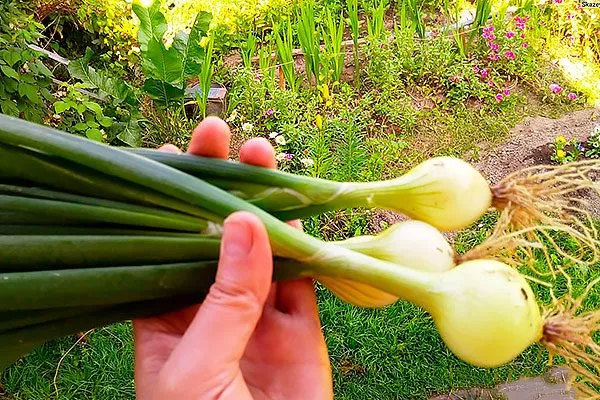
Characteristics of the appearance of the plant and bulbs
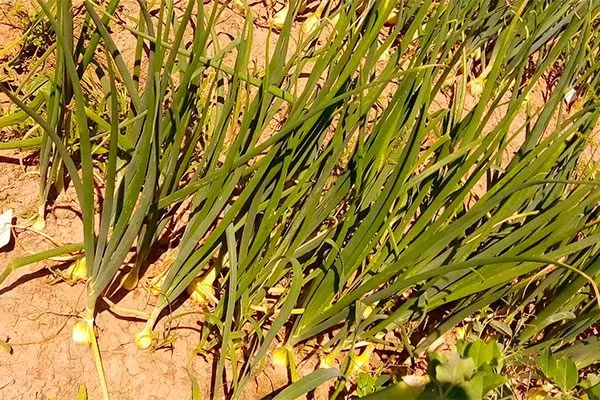
The green mass of the plant can reach a height of up to 16 cm, sometimes higher. Distinguishing qualities:
- Leaves - straight, even, with internal cavities, painted in an attractive emerald green shade with thick walls, which gives them increased juiciness.

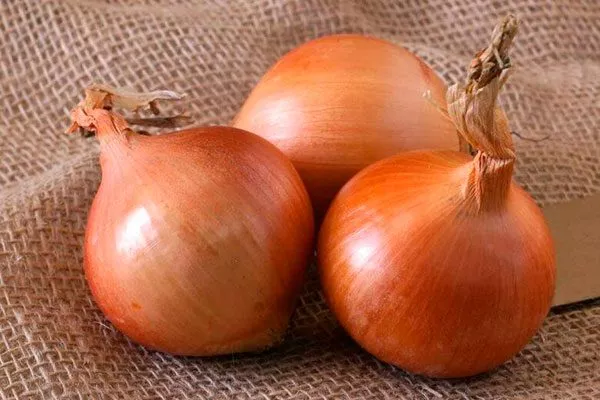
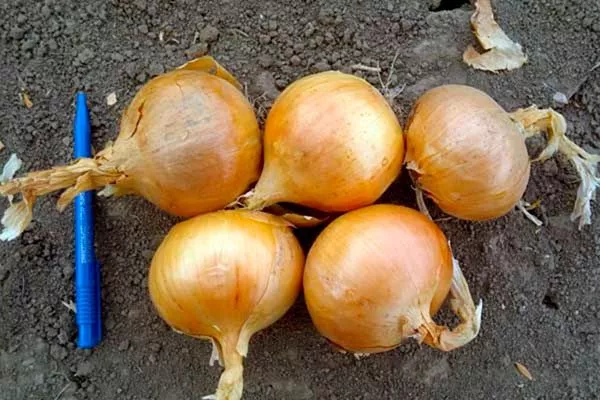
- Bulbs - They look neat and are suitable for trading. They are round or oval in shape, and average weight ranges from 88 to 134 g, but some specimens weigh up to 150 g.
- Head sizes – They are large, with a diameter of about 12 cm. They can have one or three rudiments. One to three bulblets can grow from one head.
Composition and properties
The pulp consists of 82% water and 18% dry matter. These include:
- sugars – maltose, sucrose, inulin;
- proteins, including enzymes;
- organic acids – ascorbic, malic, citric;
- pectin;
- glycosides;
- saponins;
- flavonoids;
- phytoncides;
- minerals: potassium, iron, phosphorus, sulfur, iodine and other microelements.
Application and taste
The fruits are shelf-stable and highly marketable, with excellent flavor. These aromatic vegetables combine a moderate spiciness with delicate sweet notes. Both the greens and the bulbs are used in cooking. Due to their high nutritional content, this variety is in high demand.
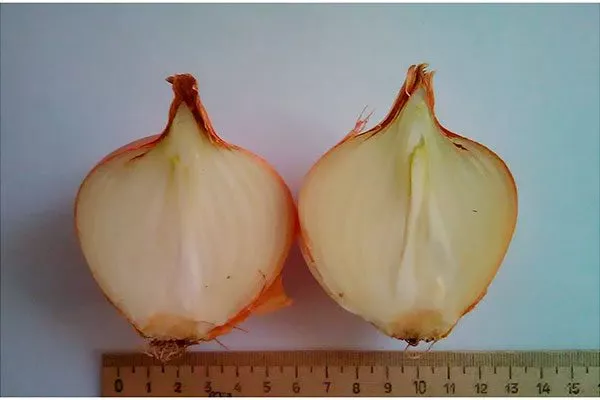
It's often added to a variety of salads, soups, and main dishes, and used to create appetizers and holiday treats. Many cooks use it as a seasoning. Ripe bulbs are suitable for commercial sale.
Ripening and yield
This is a mid-season crop, maturing 110-120 days after germination. Plumes form en masse, 115-125 days after the first shoots appear.
Chalcedony is extremely popular due to its high yield. With proper care, it can yield over 7 kg of high-quality fruit per square meter. On larger plots, the yield reaches 202 to 630 centners per hectare.
Growing regions
The variety is widespread in the Lower Volga, Central, and North Caucasus regions. It is also popular with gardeners in Ukraine, Belarus, and Moldova, whose climatic conditions are suitable for cultivation.
Soil requirements
Chalcedony has weak roots, making it difficult to absorb nutrients from the soil. To successfully grow this variety, choose fertile soil. Loose, light, slightly alkaline substrates, fertilized with organic matter beforehand, are ideal.
The plant prefers warm soil, so a few days before planting, cover the soil with film to create favorable conditions for growth.
Necessary climatic conditions
Onions require ample light to thrive. Although they can grow in the shade, their flavor will be less intense. Avoid exposure to wind and drafts, as this can negatively impact their development.
Chalcedony is one of the few varieties that can germinate even in temperatures as low as 3°C. Plant it when the temperature rises to at least 15°C. The plant tolerates drought well, but during periods of extreme heat, provide more frequent watering to maintain optimal humidity levels.
Resistance to diseases and pests
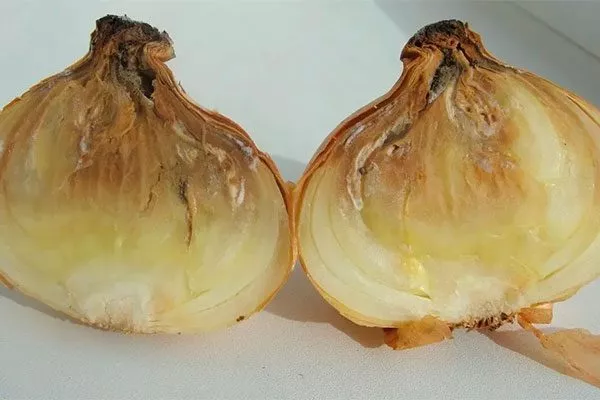
The plant has excellent natural immunity. However, improper watering or planting too densely can lead to neck rot, requiring the removal and destruction of diseased plants. The most dangerous pest is the onion fly.
Storage features and shelf life of the variety
Chalcedony onions have a number of characteristics that determine their storage properties and shelf life – the ability to retain their flavor and nutritional qualities for a long time without significant loss.
Chalcedony onion has good shelf life due to the following qualities:
- dense structure;
- disease resistance;
- low germination tendency;
Follow these recommendations:
- The temperature in the storage room should not exceed 0-3°C. Temperatures above 5°C can promote germination and disease development, while temperatures below -1°C can cause onions to freeze.
- The optimal humidity level is 70-80%. Higher humidity increases the risk of mold and rot, while low humidity can cause onions to dry out.
- Good air circulation is important to prevent condensation and mold growth. Store vegetables in a ventilated area or use special ventilated containers. Keep the harvest in a dark place, as light can stimulate germination.
Dry the onions thoroughly before storing. Leave the harvest in a warm, well-ventilated area for 10-15 days. Check the onions regularly for signs of spoilage, mold, or sprouting, and remove any damaged ones.
Timing of planting seeds, sets and seedlings
They depend on the chosen growing method and the regional climate. Consider the following:
- To grow seedlings, plant seeds from the end of February to the first ten days of March.
- Transfer the seedlings into open ground in the second or third ten days of April.
- If you choose to sow seeds in open ground, carry out the procedure in the first half of April.
- When sowing seeds in open ground, without first growing seedlings, do this at the end of March.
When planting, refer to the lunar calendar and weather forecast. In the Urals and Siberia, planting times may vary by 1-2 weeks.
Growing from seeds
Buy seeds from trusted suppliers and grow seedlings at home. Prepare the soil in advance, using, for example, a mixture of turf, black peat, humus, and sand in a 2:1:1:1 ratio, or purchase a ready-made mixture from the store.
Sowing should be carried out from the end of February to mid-March so that the seedlings can be transplanted into the garden bed 1.5 months after emergence.
Seed preparation
Pre-soak the seeds in a weak solution of potassium permanganate for half an hour. Then follow the instructions:
- Place in a bowl of warm water.
- After drying, treat with Epin or another growth stimulator.
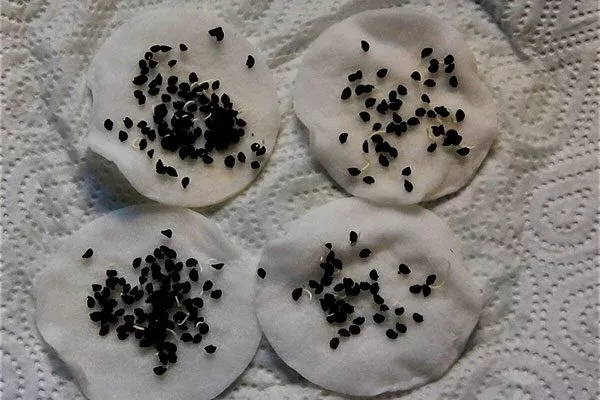
- Wrap in damp gauze, place on a flat dish, water periodically and wait for germination for a week.
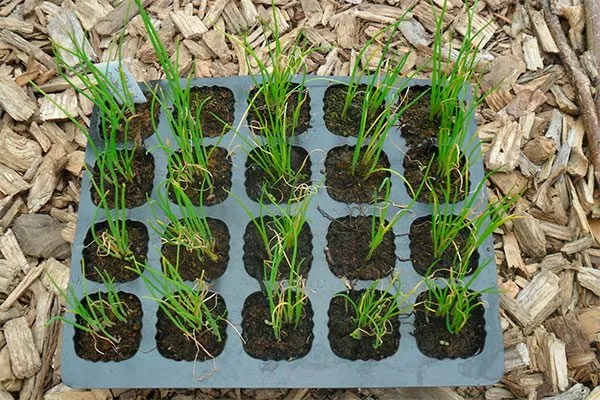
- After this, transplant into pots (3-4 seeds) to a depth of 5 mm.
- Moisten the soil, cover the container with film and grow at a temperature of +23-25°C.
- Once seedlings emerge, remove the film and reduce the temperature to 16-18°C. Use additional lighting with a lamp if necessary.
- 2 weeks before transplanting plants into open ground, harden them at a temperature of +8-12°C.
Planting seeds
The procedure requires following a number of recommendations to ensure a good harvest. Sow seeds directly into the soil in early spring, when the soil warms to 5-7°C. Follow these recommendations:
- In autumn, dig the soil to a depth of 20-25 cm and add organic fertilizers (rotted manure or compost).
- In the spring, before sowing, loosen the soil and add mineral fertilizers (nitrogen, phosphorus and potassium).
- Select the seeds by size and calibrate them, removing damaged or small specimens.
- To prevent diseases, soak the seeds in a weak solution of potassium permanganate for 20-30 minutes or treat them with fungicides.
- To speed up germination, soak the seeds in warm water for 12-24 hours, changing the water periodically. This promotes better swelling and accelerates germination.
- Form beds 1-1.2 m wide with row spacing of 20-25 cm. Plant seeds at a depth of 1-1.5 cm. Space between rows at 2-3 cm.
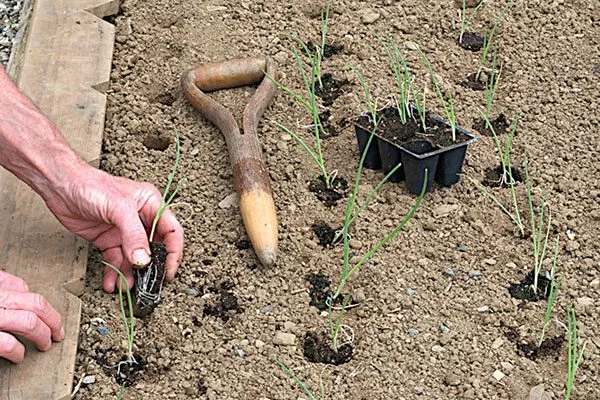
- After the seedlings appear, thin out the onions, leaving 5-7 cm between plants.
Following these recommendations will ensure successful cultivation of Chalcedony onions with a high-quality harvest.
Planting onion sets
Growing onion sets is significantly easier because it doesn't require any seedling work. Here are the instructions:
- Select healthy sets with a diameter of 1-2 cm, without damage or signs of disease.
- To prevent bolting and improve germination, warm the seedlings: first for 2-3 weeks at a temperature of 20-25°C, then for 8-10 hours at a temperature of 35-40°C.
- The day before planting, soak it in a fungicide solution, such as Fitosporin-M, or a weak solution of potassium permanganate for 30 minutes.
- Plant the onion sets in the beds. Space the rows 20-25 cm apart, and the sets within a row 8-10 cm apart. Plant to a depth of 2-3 cm.
- Lightly cover the bulbs with soil so that their tops are slightly visible.
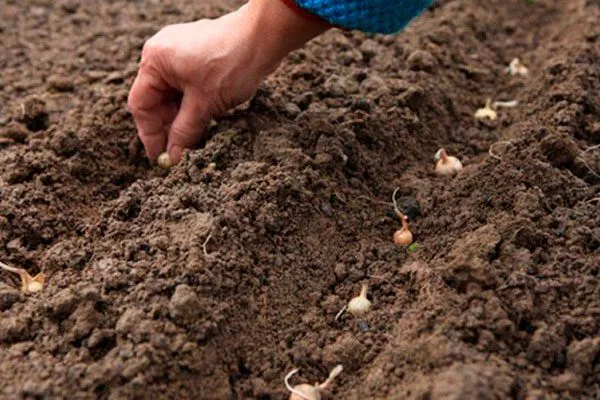
If you're planting before winter, be sure to mulch the beds. Use sawdust, straw, pine needles, and other natural materials.
How to care for Chalcedony onions?
This crop requires careful care, as it determines the yield and bulb size. Simple agricultural practices are sufficient for this:
- Watering. Regular watering is especially important during the period of active growth and bulb formation. Avoid overwatering, as this can lead to bulb rot. During dry periods, water 1-2 times a week.
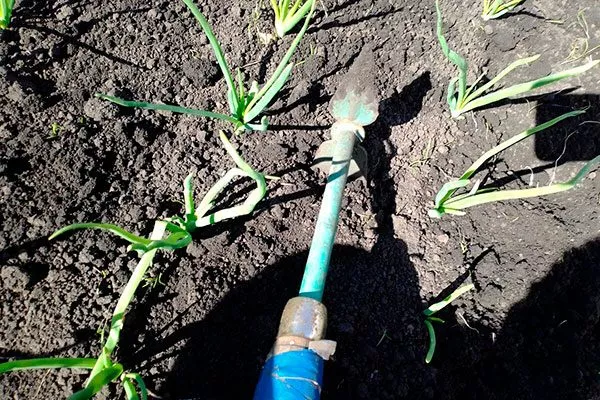
- Weeding and loosening. Weed the beds frequently to remove weeds that may compete with the onions for nutrients. Loosen the soil after each watering or rain to improve root aeration.
- Top dressing. Fertilize the plants 2-3 weeks after planting or germination. Use a nitrogen fertilizer such as ammonium nitrate (10-15 g per 10 liters of water).
Apply the second feeding at the 4-5 leaf stage. Use complex mineral fertilizers, such as a mixture of superphosphate (20-30 g) and potassium salt (15-20 g) per 10 liters of water.
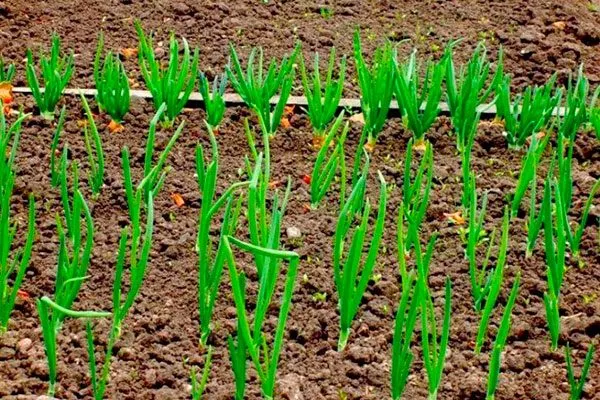
The third feeding occurs when the bulbs begin to form. Use potassium and phosphorus fertilizers. - Thinning. Carry out the procedure in two stages: in the phase of 1-2 true leaves (leaving 3-4 cm between plants) and in the phase of 4-5 leaves (leaving 5-7 cm).
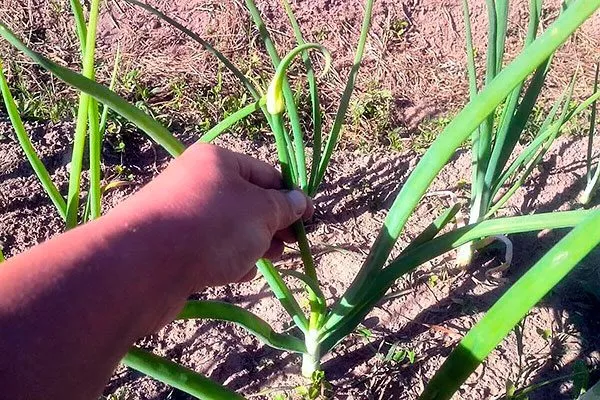
- Removing arrows. This measure prevents a decrease in yield. Young shoots are broken off manually.
Pest and disease control
Controlling neck rot and pests in Chalcedony onions requires a comprehensive approach, including preventative measures, folk remedies, and specialized products. Follow these simple rules:
- Don't plant onions in the same spot more than once every 3-4 years. Good predecessors include cabbage, potatoes, legumes, and cucumbers.
- In the spring, before planting, water the soil with a weak solution of potassium permanganate or copper sulfate.
- Before planting, soak the seeds in a fungicide solution (for example, Fitosporin-M, Maxim) for half an hour.
- Prepare a special infusion: 50 g of crushed garlic per 1 liter of water, leave for 24 hours. Spray the plants and soil every 10-14 days.
- Use a baking soda solution: 1 tablespoon per 1 liter of water. Treat the onions during the active growth period.
- Use Fitosporin-M, a biological product for the prevention and treatment of fungal diseases. It is used for spraying plants and watering the soil. Maxim, a fungicide for seed and soil treatment, is effective against various rots.
To control pests, use the following methods:
- Tincture of tobacco. 200 g of tobacco per 10 liters of water, let it steep for 2 days, add 1 tablespoon of liquid soap. Spray the plants to repel onion flies and thrips.
- Ash infusion. 200 g of wood ash per 10 liters of water, leave for 2 days. Spray on the feathers.
- Aktara. A systemic insecticide used for spraying plants and watering the soil.
By using these methods and tools, you will ensure a healthy and abundant harvest.
Harvesting onions
The optimal time to harvest the ripened crop is from late July to mid-September, approximately three months after planting. Determine readiness for harvest by the following signs:
- the bulbs have acquired a brown-copper color;
- the neck of the feather begins to dry out and become thinner;
- almost all the feathers dried out and turned yellow;
- the stems begin to creep along the ground.
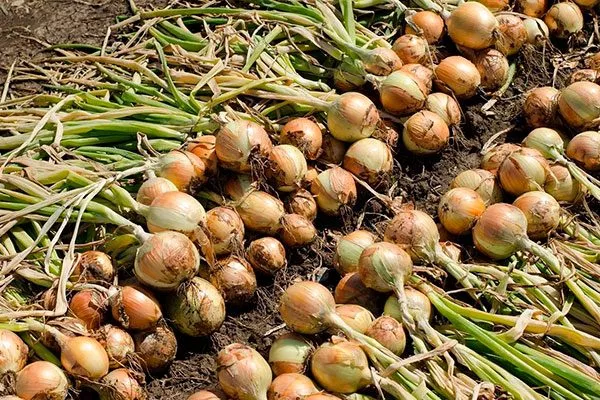
In dry weather, immediately after harvesting, place the vegetables in the sun to dry for a week. Then move them under cover to ripen for a few days before storing them in a basement or shed. After harvesting, trim the green onions, leaving a stump about 3 cm long.
Advantages and disadvantages
This variety is attractive for its ease of care and high yield. With its excellent flavor and ability to last for over six months, it is becoming a favorite choice for both gardeners and farmers.
Main advantages:
Reviews
Chalcedony onion is a popular variety that has received many positive reviews from experienced gardeners. It's an ideal choice for beginners, as it requires minimal attention. This plant boasts generous yields, large bulbs, and evenly-shaped leaves. However, proper cultivation practices are essential.