
The Gulliver leek is rightly named; this leek variety has large, thick, blanched parts that are juicy and delicious. This versatile onion can be grown in a variety of ways, making it a highly valuable product that is in demand in cooking and widely used in all kinds of preserves.
Description of the Gulliver variety
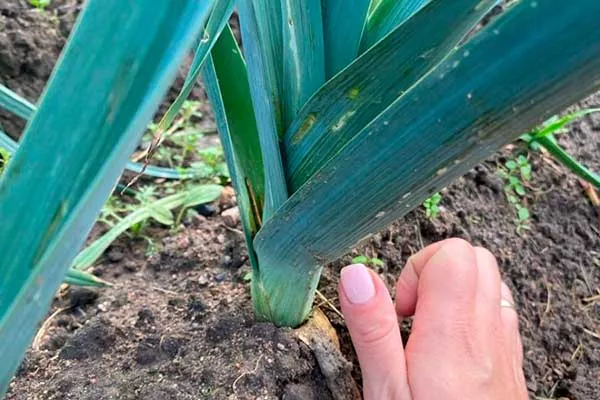
The plant's rosette is medium-sized and raised. The leaves are succulent and tender, long and wide, and densely packed. Instead of a bulb, there's a bleached portion.
Description of the Gulliver bow:
- feather color - green, without anthocyanin color;
- plant height - 40-50 cm;
- length of the bleached part - 25 cm;
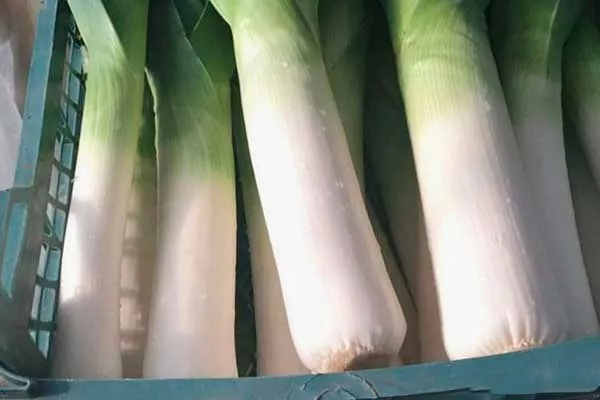
- diameter of the bleached part - 4.5 cm;
- plant weight - 230 g.
History of creation
The Gulliver leek was developed by breeders at the SortSemOvoshch Agricultural Breeding and Production Enterprise. The variety's authors are Yu. V. Vasiliev and A. F. Vinogradova. The Gulliver onion was approved for cultivation in 2007.
Taste and application
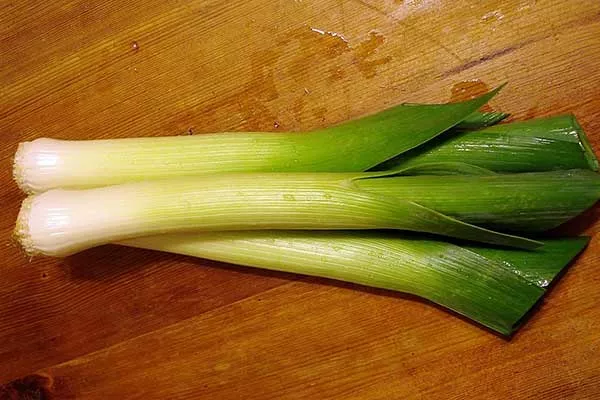
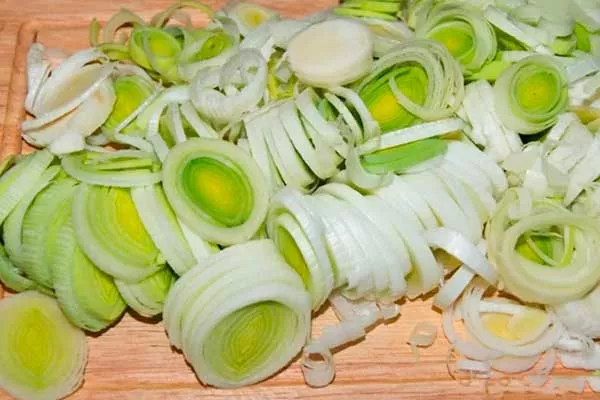
The leaves have a pleasant, semi-sharp flavor. The leeks and juicy, mildly pungent stems are used for food. Gulliver leeks are versatile and can be used fresh, in a variety of dishes, and even for canning.
Productivity and other characteristics
The Gulliver leek is a mid-season variety. It takes 110 to 150 days from germination to harvest. The variety has a good yield, yielding 4.2 kg per square meter. It is suitable for both open-field and greenhouse cultivation.
Pros and cons
The Gulliver leek has a wealth of benefits that gardeners and lovers of fresh herbs couldn't help but appreciate.
Gulliver onion planting guidelines
To get a good harvest of juicy and large leeks, it is important to plant them correctly.
- ✓ The soil should not only be slightly alkaline, but also have a pH in the range of 6.0-6.8 for optimal growth.
- ✓ The soil temperature during planting should not be below 10°C to prevent seed rotting.
How to plant Gulliver onion correctly:
- The site for planting is prepared in the fall. Choose a warm, sunny, draft-free location.
- The soil should be fertile, loose, and well-drained. Dig it deeply, adding rotted manure or other organic matter. For example, you can add 10 kg of humus, 2 tablespoons of nitrophoska, and 1 teaspoon of urea per square meter.
If you weren't able to apply fertilizer in the fall, add mineral fertilizers to the soil in the spring, about a couple of weeks before planting the onions. Leeks thrive in the same soils as any other onion—slightly alkaline. - Before sowing, seeds are treated with a solution of potassium permanganate or Fitosporin.
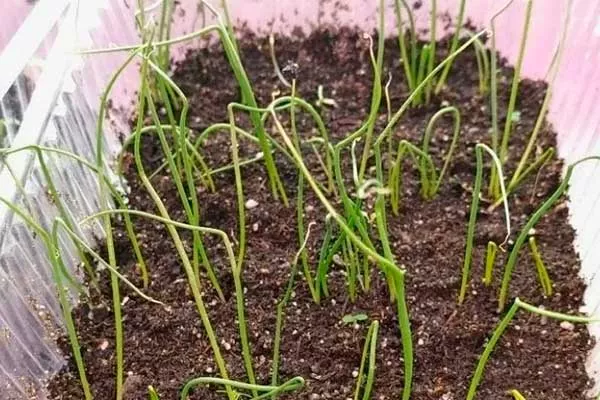
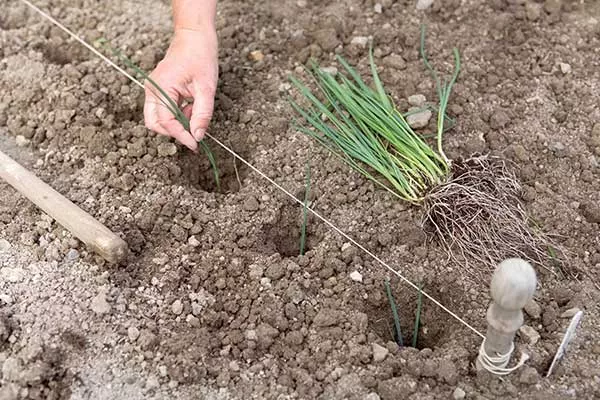
- Sowing in the ground occurs in April-May; the exact timing depends on the climate. The sowing depth is 1 cm. Onion seedlings are sown approximately 40-50 days before planting in the ground. The seedlings are planted 1 cm deeper than they were growing in the seedling pots. The growing point should not be covered with soil.
- Onions are sown in rows, keeping intervals of 25-30 cm between them. The optimal pattern for planting seedlings is 10x25 cm.
Care Features
To grow good leeks, you need to provide them with good and regular care.
How to properly care for Gulliver onions:
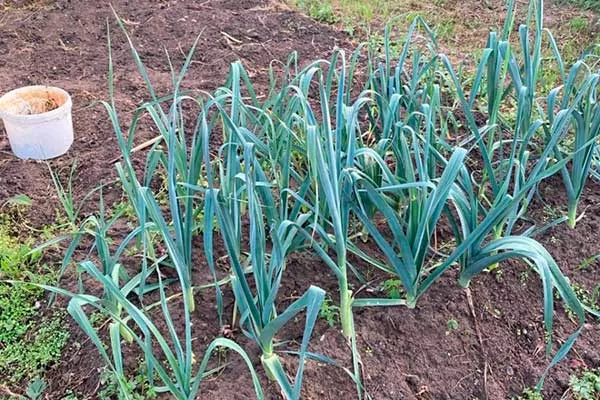
- During the summer, carry out 2-3 hillings, raking the soil upward, generally up to 20 cm. This is necessary to obtain large, whitened stems.
- The beds are weeded regularly, and the soil is loosened after watering, ensuring good oxygen access to the roots.
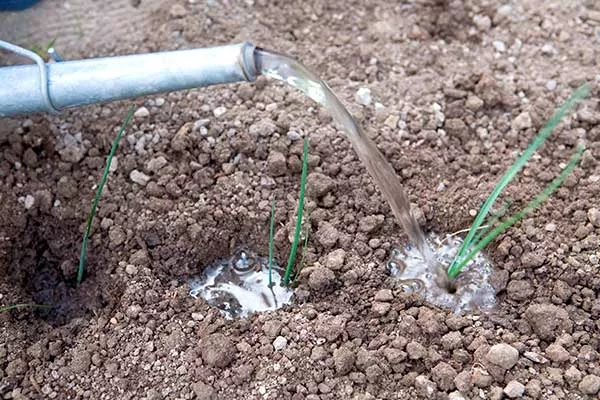
- Water as needed, using warm, settled water. In hot weather, water more frequently, but be careful not to allow water to stagnate.
- Fertilizing leeks is not necessary if they are planted in well-fertilized, fertile soil. If the soil is poor and infertile, fertilize them 3-4 times per season.
The first nitrogen fertilizer is applied three weeks after planting the onions. Then, approximately every three weeks, the leeks are fed with a solution of mullein or chicken manure, and potassium-phosphorus compounds are also added.
Diseases and pests
The Gulliver onion has a good immunity, but under unfavorable conditions it can be affected by various diseases. If symptoms of powdery mildew appear, spray the onions with copper oxychloride or Fitosporin. If affected by leaf rust or mosaic, there is no treatment—the plants are removed from the beds and the soil is disinfected.
Gulliver onions are not prone to pests. However, if the onion fly is widespread and preventative spraying is neglected, there is a risk of attacks on onion beds. Planting carrots near leeks can help repel the pest. Sprinkling the soil with ground carrot seeds or ground pepper is also recommended.
How to properly harvest and store crops?
Onion harvesting begins when they reach 4.5 cm in diameter. They are carefully removed from the ground, digging under the soil with a shovel or pitchfork. The roots are shaken free of soil, and the roots and leaves are trimmed. Wrapping each stalk in plastic wrap will help it keep much longer than without it.
| Storage method | Temperature | Humidity | Shelf life |
|---|---|---|---|
| Fridge | 0…+1°C | up to 75% | 1 month |
| Sand boxes | 0…+1°C | up to 75% | 6 months |
| Freezer | -18°C and below | — | 1 year |
Leeks can be stored in the lower (vegetable) compartment of the refrigerator or in the basement. They will keep for about a month in the refrigerator, and six months in sand-filled boxes. The optimal room temperature is 0 to +1°C, with humidity up to 75%. Leeks can also be frozen; they will keep in the freezer for up to a year.
Reviews
The Gulliver variety will definitely appeal to leek lovers. It has everything they value: large, bleached stems, excellent flavor, and excellent agronomic characteristics. This variety will be a wonderful addition to any garden or summer cottage.