
The Globe onion boasts numerous advantages that make it indispensable in the garden: high yield, excellent flavor, and reliable resistance to diseases and pests. Growing this variety guarantees a successful harvest. Timely and consistent care is key. Proper agricultural practices are essential for achieving maximum quality.
Who developed the variety and when?
It was developed in the onion breeding and seed production laboratory at the Federal Scientific Center for Vegetable Growing with the participation of specialists from Russia and Ukraine. A group of breeders, including M. V. Dubova, V. A. Florova, A. F. Agafonov, and E. G. Efimova, developed this variety.
Peculiarities
The Globe onion is an attractive choice for both beginner and experienced gardeners. Let's explore the main characteristics of this variety and growing techniques for achieving the best results.
Description of the plant
The plant is a biennial vegetable crop. It is grown as an annual crop to produce turnips, and as a biennial to produce sets.
Distinguishing features of the Globe:
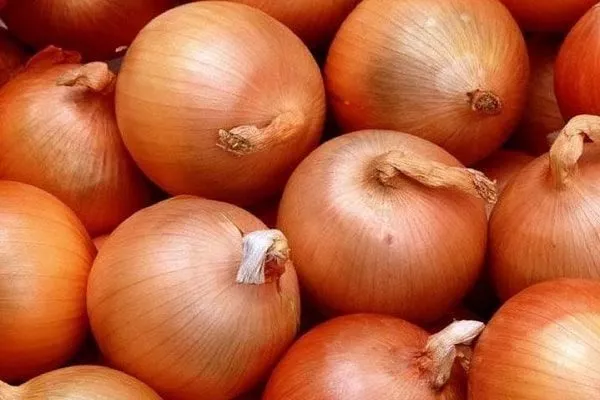
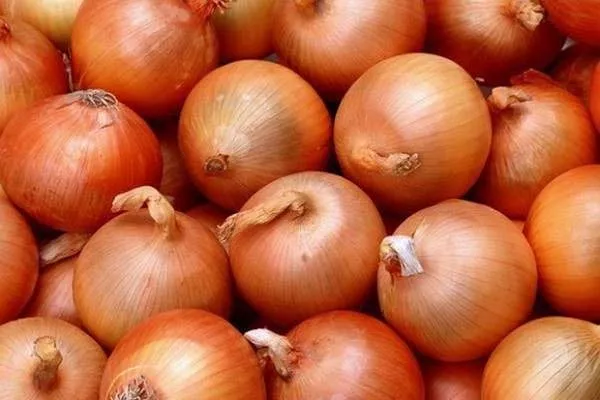
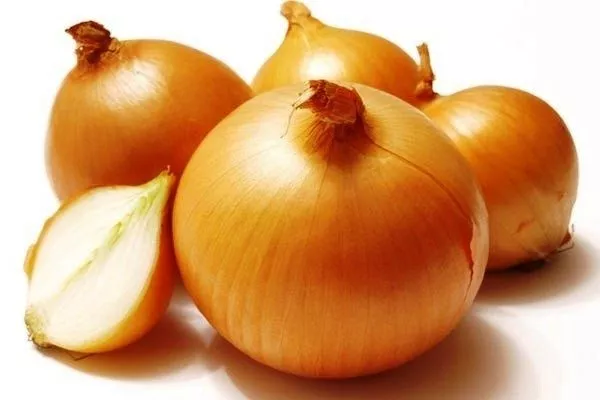
- Bulbs - evenly rounded shape, but slightly elongated or oval specimens can also be found.
- Weight - on average it weighs 70-90 g, and reaches a maximum of 130-160 g.
- The outer scales are yellow with a brown tint. The bulb is covered with 3-4 scales, which do not fall off during long-term storage.
- Pulp – snow-white, dense and juicy.
Taste characteristics and purpose
Globe is a versatile variety that can remain fresh for up to 6-7 months when stored properly without losing its nutritional value or flavor. It's a semi-hot variety, making it an excellent ingredient for marinades, ketchups, and other condiments, imparting a refined flavor.
This vegetable tastes great in dishes cooked in various ways, and is edible fresh or pickled. It's perfect for salads, sandwiches, and other dishes.
Ripening and yield
It's considered a mid-season variety, as the ripening period is 110-120 days from the first shoots to the lodging of the greens, depending on climatic and agricultural conditions. Before harvest, the bulb maturity reaches 80%, and after the ripening period, 96%.
Which regions is it suitable for?
Recommended for cultivation by vegetable growers in the central and northern regions of Russia.
Advantages and disadvantages
Landing
When sowing Globe onions, consider a number of factors, paying particular attention to preparing the planting material. Follow these recommendations:
- Selection. Give preference to whole specimens up to 1 cm in diameter. Inspect the bulbs for cracks and other deformations to exclude such specimens.
- Drying. Dry the bulbs for 2 days to prevent rotting of the planting material.
- Disinfection. Before sowing, soak them in a saline solution for 5 minutes, or use a special preparation.
You can sow either with seeds or using sets. For the former, place the seeds in a damp cloth to germinate, then plant them outdoors. While preparing the seeds, loosen and fertilize the soil in the selected area. The best time to transplant sets outdoors is late May.
Planting pattern:
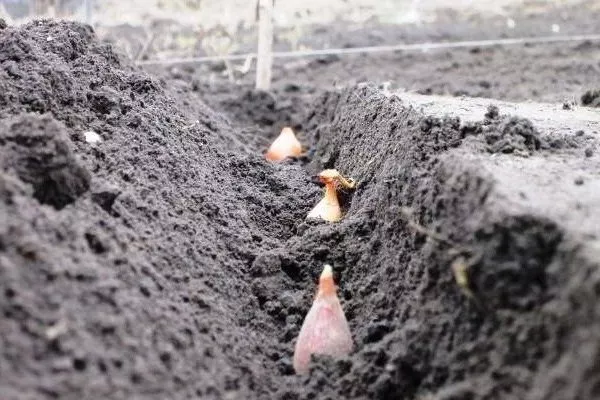
- Maintain a distance of 10 cm between the heads.
- Leave a gap of up to 20 cm between rows.
- The maximum depth of bulb immersion is 3-5 cm.
Place a layer of sand or other drainage material at the bottom of each hole to prevent the bulbs from rotting in the event of heavy rains or overwatering. After planting the seeds or sets, cover them with loose soil and humus, watering them with a small amount of warm water.
Growing and care
Provide proper plant care. Key points include:
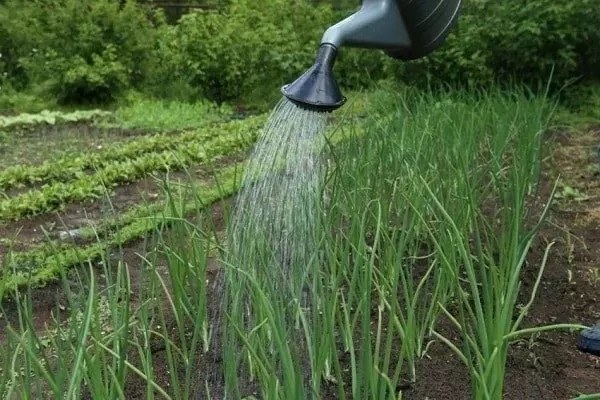
- Watering. The crop prefers moderate irrigation. The recommended watering rate is 4-6 liters per square meter. Water the onions 1-2 times a week, ensuring the soil is not overwatered. Avoid watering during the rainy season, and increase the amount of water during dry periods.
- Loosening and weeding. These procedures accelerate vegetable growth and strengthen their immune system. Loosening the soil oxygenates the soil and improves nutrient flow to the roots, while weeding prevents the spread of diseases and pests. Perform these procedures after watering.
- Top dressing. Fertilize onions on average 3 times per season:
- 3 weeks after emergence, using organic fertilizers.
- During the period of active growth with the addition of complex mineral fertilizers.
- A month before harvesting, using compounds containing phosphorus and potassium.
Stop watering 2 weeks before harvesting to prevent the bulbs from rotting.
Resistance to diseases and pests
Globe onions are rarely affected by rot, have high immunity to downy mildew, and are resistant to fusarium and other infections. The only pests that can attack this onion are the onion fly, hoverfly, and tobacco thrips.
If insects appear, prepare a solution of vinegar and water and pour it along the row spacing. As a preventative measure, plant carrots nearby, which can repel onion pests.
Reviews
The Globe onion is one of the most popular and sought-after varieties. Its popularity stems from its high yield, disease resistance, and excellent taste. It requires minimal attention, but with standard agricultural practices, excellent results can be achieved.