
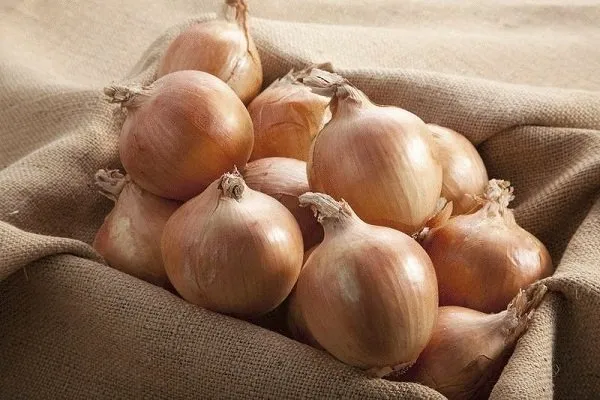
The Farmer onion is a large-fruited onion variety capable of producing a harvest from seed in just one season. This makes it suitable for cultivation not only in garden plots but also in large fields. Users appreciate this crop for its impressive bulb size and juicy flavor, but to obtain high-quality roots, strict adherence to agricultural guidelines is essential.
Who developed this variety and when?
In the first half of 2009, domestic breeders introduced the onion variety "Farmer," developed through the work of such renowned experts as A.N. Lukyanenko, S.V. Dubinin, and I.N. Dubinina.
Introduction to the variety
The variety demonstrates adaptability to various climatic zones, although it was originally oriented toward the Central region. It is an annual plant, the ripening time of which depends on local weather conditions and climate. Characteristics of the plant and bulb appearance
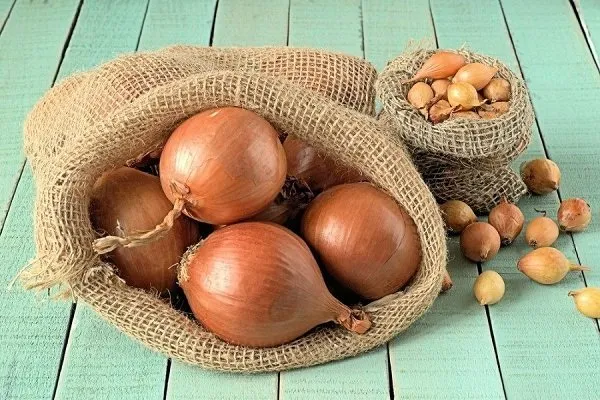
It is quite easy to recognize the bulbs of the Farmer variety by their external characteristics:
- the average weight ranges from 80 to 110 g, although there are specimens weighing up to 200 and even 300 g;
- the husk is typical, colored in yellowish-brown tones;
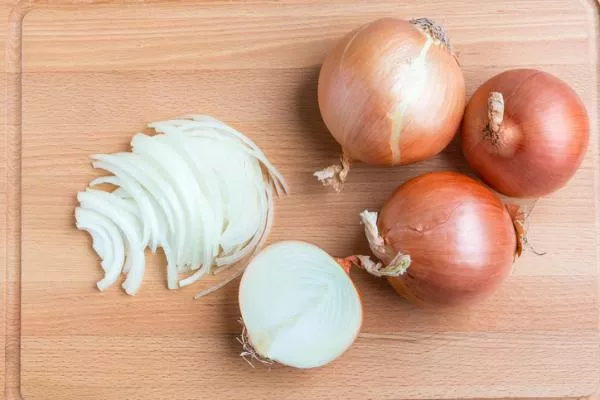
- the flesh is white;
- The feathers do not have a pronounced waxy coating and are green in color.
Taste and purpose
This onion variety is rich in beneficial components, including vitamins and phytoncides, making it an ideal choice for maintaining health during seasonal illnesses. The fruits have a soft texture and rich juice, with a pleasant, tangy flavor characteristic of onions.
When ripe, the yield
This variety belongs to the early-ripening group, typically requiring about three months to reach full maturity. However, given possible fluctuations in weather conditions, this timeframe may shift slightly. Farmers classify the ripening time into the following categories:
- early – ripens in 80-90 days after sowing;
- average - ready for use 90-120 days after sowing;
- late - ripens in 140-150 days after sowing.
This variety's yield is quite high, but it can vary significantly depending on agricultural practices and climate conditions. The average yield ranges from 180 to 264 kg per hectare.
Soil requirements
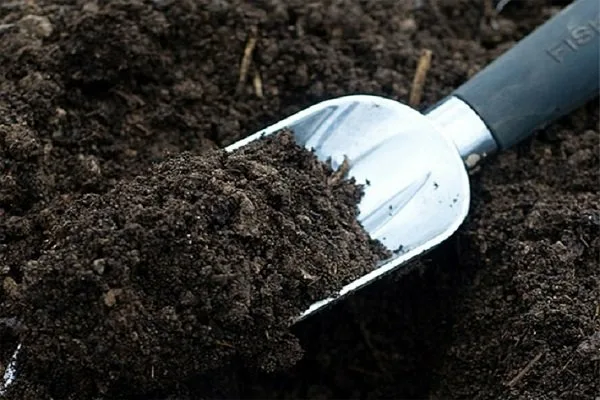
The farmer grows best in sandy and loamy soils, where the bulbs develop more vigorously and the flavor of the produce improves. Avoid growing in clay soils, as they can negatively impact growth.
Disease and pest resistance parameters
This onion is resistant to various diseases, but if care standards are not followed, it may be subject to some problems:
- Powdery mildew - This is a fungal disease that most often occurs due to excessive waterlogging or a humid climate. It appears as a gray-yellow coating on the leaves. To combat this problem, treat the plant with a fungicide, carefully following the instructions.
During treatment, watering and fertilizing should be stopped, and affected fruits should be removed from the field. - Gray rot - Another fungal disease that most often occurs just before harvest. It attacks the neck and scales, reducing the shelf life of onions. To minimize the risk of rot, apply fungicides starting mid-season.
- Mosaic – It's caused by a virus that attacks the above-ground parts. If it does appear, saving the crop is impossible—all plants must be uprooted and destroyed.
- Onion fly and moth – These are pests that can be controlled with ammonia diluted in water. It's important to water the soil carefully, avoiding contact with the leaves.
Necessary climatic conditions
The farmer is adapted to the central part of our country, but grows successfully in the south, where the harvest ripening period is considered minimal, and in the central zone. The main requirement is plenty of sun, although the variety can thrive even in unfavorable weather conditions.
Landing features
In mild climates, plants can be planted directly outdoors when temperatures are consistently above freezing. In cooler climates, it's best to start seedlings indoors and then transplant them outdoors when warmer weather arrives.
Features of the work:
- Start preparing the bed for planting in advance: dig up the soil, clear away any remaining vegetation and debris, if this has not already been done in the fall.
- Enrich the beds with organic and mineral compounds such as compost, humus, wood ash, as well as potassium and phosphorus.
- Before planting the seeds in the ground, they should be soaked in warm water for 1-2 days.
- To protect against diseases and stimulate plant growth, you can treat them with aloe juice, which has antiseptic properties.
- The seeds are planted at a depth of 12-15 cm with an interval of 2.5-3.5 cm between them.
Subtleties of agricultural technology
During the initial cultivation stage, regular and abundant watering is essential. Subsequently, the soil should be loosened. Watering should be reduced for three weeks before harvest, and then stopped completely two weeks before harvest to prevent rot.
Fertilizing should be done no more than once every two weeks to preserve the bulb's natural flavor after harvesting. What to use:
- Chicken manure, superphosphate and potassium sulfate are used as fertilizers.
- Nitrogen is not applied in the second half of the season, as it promotes leaf growth, which can negatively affect the size of the bulb itself, making it small.
- To improve soil fertility, it is recommended to use potassium humate.
- Onions respond particularly well to treatment with sulfur, which helps extend their shelf life.
Avoid cutting off the leaves, as this can interfere with normal bulb development. The optimal growing temperature is 20-25°C (68-77°F), with maximum temperatures reaching 30-35°C (95-95°F). Harvesting begins when the leaves have fallen and are dry.
What are the pros and cons?
No critical deficiencies have been identified to date.
Reviews
The Farmer onion is an early-ripening onion variety, but ripens much later in cooler climates. It boasts excellent flavor and resistance to adverse conditions, including pests and diseases. With proper farming practices, it produces abundant fruit.