
The Delicatesse onion is deservedly popular among gardeners. Its high yield, excellent taste, and long shelf life make it indispensable in any home garden. Despite some difficulties in care, the results are worth the effort. Proper care will help you enjoy fresh and flavorful onions for a long time.
History of origin
Shallots are sought after for their mild flavor and excellent quality. This delicacy, developed by domestic breeders, is suitable for both beginner and experienced gardeners.
Characteristic qualities of the variety and appearance
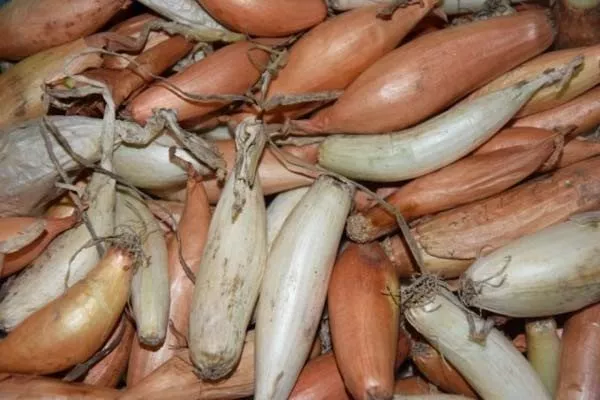
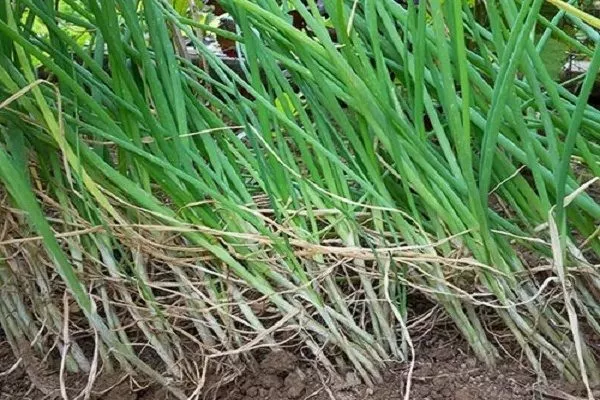
Onions have a large, green rosette. The bulb, like garlic, contains several cloves. Other characteristics and features:
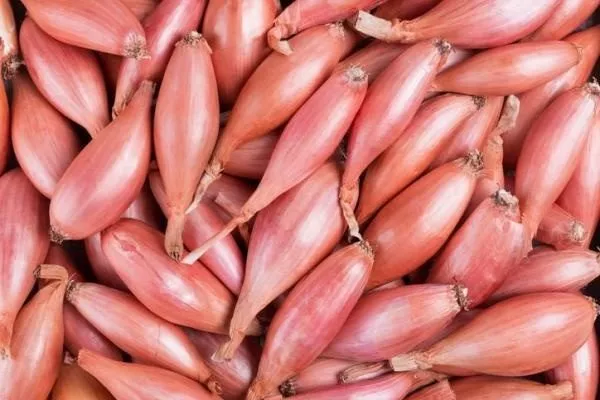
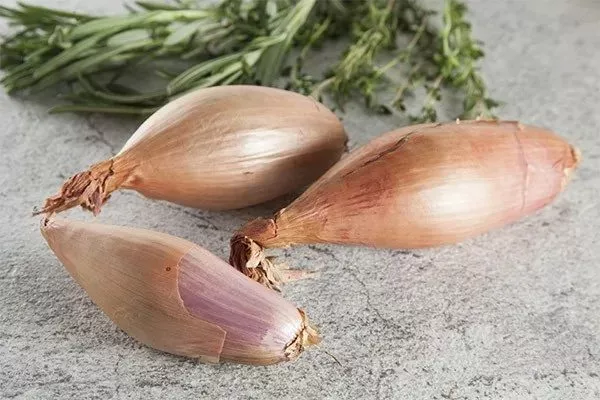
- The nest is formed from 8-10 elongated bulbs, each of which weighs 45-50 g.
- The outer dry scales have a rich yellow-brown color.
- The bulbs can be stored for 11-12 months in a cool, dry place.
- This is an early-ripening variety, maturing in 90-95 days. When planted in April or May, the harvest can be collected as early as the second half of June, and the harvest is completed by the end of August.
- The yield is impressive: 6 to 7 kg of high-quality vegetables are obtained from 1 square meter.
Planting and care rules
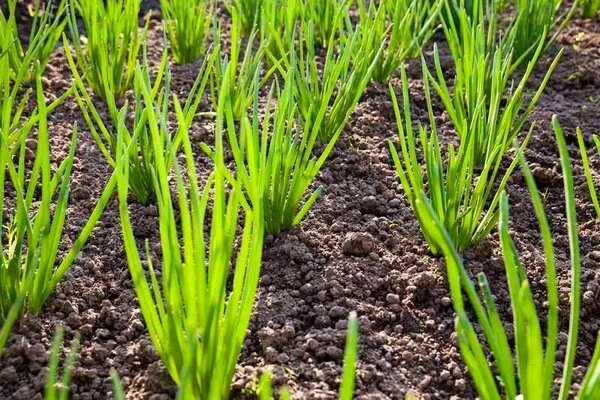
Choose a well-lit area with fertile, light soil. Sunlight promotes vigorous green growth, so choose an open location for planting. Follow these recommendations:
- The crop requires more space than standard onions. Enrich the soil with compost or other organic matter and add potassium-phosphorus fertilizer.
- Plant the seedlings in a bed where phacelia was previously grown. Replanting shallots in the same spot is not recommended.
- For maximum yield, use seedlings. The optimal planting pattern is 15 x 20 cm.
The cultivation techniques are the same as for all shallot varieties. Loosen the soil 1-2 times a week and remove weeds promptly. Thin the plants to ensure larger bulbs. Watering and fertilizing are prohibited during this period.
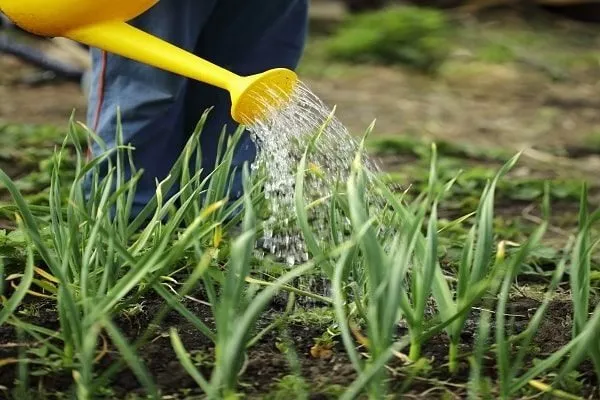
Water the plants at least three times per season, especially during early growth. Stop watering 30 days before harvest. The soil shouldn't dry out, but in rainy summers, watering isn't necessary. In dry weather, water the onions once a week.
Diluted chicken manure, mullein, or complex mineral fertilizers are suitable for fertilizing. Stop fertilizing a month before harvest, otherwise the tops will develop excessively and the bulbs will not form properly.
Resistance to diseases and pests
In damp and cold weather, shallots can be susceptible to fungal diseases such as downy mildew, fusarium wilt, rot, and powdery mildew. Remove affected plants immediately and treat the remaining plantings with Mikosan or Quadris.
After using chemicals, do not eat onions for the time period specified in the instructions. To avoid contamination, disinfect the onion sets before planting.
Pests can be a nuisance. Follow these tips:
- To combat onion flies, sprinkle plants with ash.
- Treatment with a salt solution (200 g of salt per 10 liters of water) helps against worms.
- Nematodes are extremely dangerous, as they can destroy an entire crop. Control is difficult, so prevent them by hardening off and disinfecting planting material.
Advantages and disadvantages
This delicacy is an early-ripening crop. Unlike onions, shallots have a higher yield, a longer shelf life, and a refined, mild flavor. The variety rarely produces shoots, and is propagated vegetatively by using cloves for planting.
Among the many advantages of this variety are:
Gardeners consider the crop's intolerance to dense planting to be a disadvantage.
Reviews
The Delicatesse onion is one of the most popular varieties, characterized by its unique flavor and high productivity. It quickly became popular among gardeners in our country. This is due to its low maintenance and resistance to adverse conditions. It is important to provide timely care for the plants to ensure a bountiful harvest.