
The Black Prince onion is an ideal choice for both beginner and experienced gardeners. Its high productivity, disease and pest resistance, and other varietal characteristics make it a popular choice for large-scale cultivation. With proper care, this variety produces high-quality bulbs and generous harvests.
Breeding history
The Black Prince variety was bred relatively recently and entered into the State Register in 2007. Its development was carried out by domestic breeders from the Federal Scientific Center for Vegetable Growing: M. V. Dubova, E. G. Efimova, V. A. Frolova, and A. F. Agafonova.
Introduction to the variety
Lovers of unusual onion varieties will surely appreciate the Black Prince, a mid-season variety that's easy to grow. It quickly adapts to a variety of climates and boasts high yields.
Characteristics of the appearance of the plant and bulbs
This compact plant has an upright rosette reaching a height of 30-40 cm. It is distinguished by the following features:
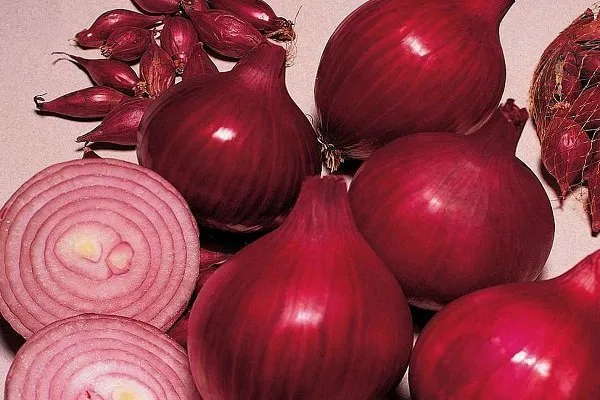
- Feathers - Bright green, with a waxy coating and a pleasant aroma. Some specimens form beautiful, long stems up to 1 m long.
- Bulbs - neat and even in shape, rounded.
- Weight - on average the weight is 60-100 g.
- Peel – smooth, glossy and durable.
- Husk - dark purple color.
- Pulp – juicy, white, with a delicate purple hue.
Purpose and taste
This variety has excellent flavor. The flesh is tender, meaty, moderately firm, and juicy. The flavor is slightly sweet with a pleasant spiciness and piquant notes, yet the heat is barely noticeable. It is rich in vitamins, microelements, sugars, quercetin, and selenium.
Onions are widely used in cooking: they are eaten fresh, added to a variety of hot and cold dishes, pickled, and preserved along with other vegetables. Thanks to their long shelf life, they last until the following season.
When it ripens, what kind of harvest does it produce?
It's a mid-season crop. It takes approximately 100-105 days from germination to harvest. Productivity is excellent, but requires proper agricultural practices. On average, 153 to 380 centners of vegetables can be obtained per hectare, equivalent to 5-7 kg per square meter.
Soil requirements
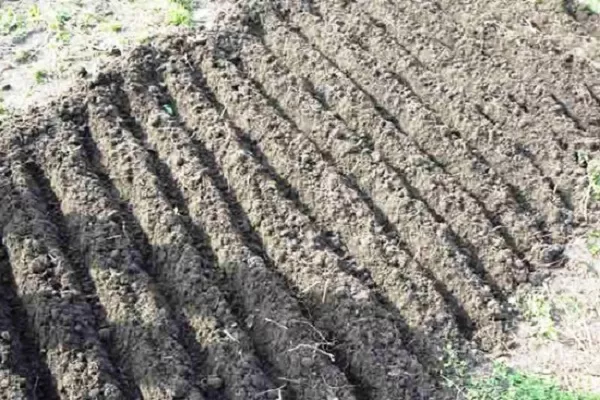
Successful cultivation requires specific soil conditions. While there are no strict soil quality requirements, it is important that it be light, loose, fertile, well-drained, and non-acidic. Loams and sandy loams with good drainage are ideal.
Such soils promote good root system development and provide sufficient oxygen and water supply, which in turn contributes to good quality and yield.
Necessary climatic conditions
For cultivation, choose a sunny, sunny site. A slightly elevated or hilly area with good protection from drafts is ideal.
Sunlight plays a key role in the development of onions, promoting their full nutrient accumulation. Although onions can grow in partially shaded areas, they thrive in sunny locations.
Landing rules
To obtain marketable vegetables from seed, grow them in regions with long periods of above-zero temperatures. Experienced gardeners recommend using two growing methods: annual crops from seeds and biennial crops from sets.
In the first case, follow the instructions:
- Sow seeds in March.
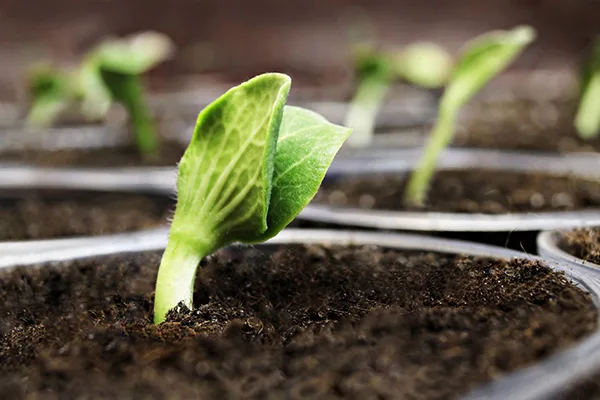
- Plant seedlings in open ground in mid-May.
- Prepare the seed material in advance: sort, disinfect and dry.
- Plant the onions in prepared holes according to the 5x20 cm pattern to a depth of 1-2 cm.
When planting a biennial crop from onion sets:
- Produce material in April-May.
- Plant the bulbs for the winter in late October-early November.
- Plant according to the 5x20 cm pattern at a depth of 1-2 cm.
Both methods have their own characteristics and require proper care. The choice between annual and biennial plants depends on specific conditions and your preferences.
Care Features
Caring for the Black Prince onion involves several important aspects that will help you achieve a bountiful harvest. Follow these simple agricultural practices:
- Watering. The plant prefers moderate watering. Keep the soil moist, especially during active growth and vegetable formation. Avoid overwatering to prevent root rot.
- Fertilizers. Regular fertilizing promotes healthy growth. Adding complex mineral fertilizers to the soil helps support healthy plant growth and development.
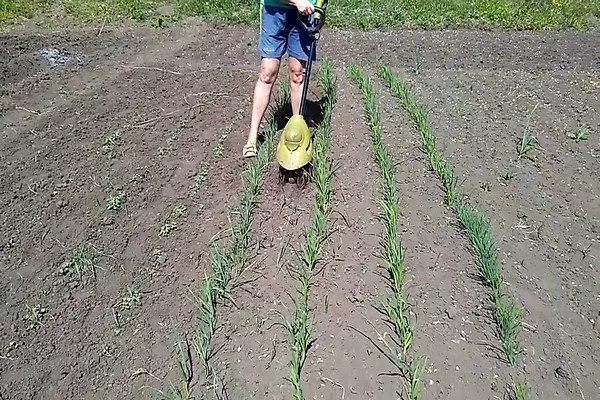
- Loosening and weeding. Maintain the soil around the bulbs. This is important for good oxygen and nutrient availability. Loosen the soil to prevent crusting and promote better root development.
Harvesting
Harvest the vegetables when they reach maturity and the leaves begin to yellow and dry out. Use a shovel or other suitable tool to carefully dig them out of the ground, being careful not to damage them.
Helpful tips:
- After harvesting, carefully remove soil and root debris from the bulbs.
- Dry in the sun or shade for several days.
- Store the harvest in a cool (0 to 4°C) and dry place with good ventilation. A basement or cellar is ideal.
- Store vegetables in boxes, nets or baskets, providing good ventilation.
Resistance to diseases and pests, prevention
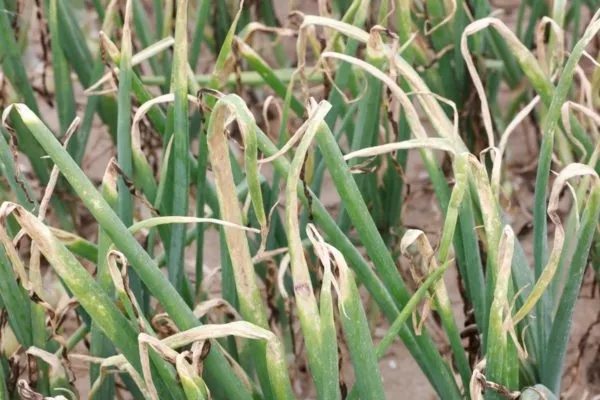
Thanks to their strong immune system, the plants are rarely susceptible to fungal diseases and pest attacks. However, if agricultural recommendations are not followed, the crop can fall victim to diseases such as powdery mildew, yellow dwarf, and fusarium.
Insects that can cause damage include spider mites, nematodes, onion moths, thrips, and arthropods. To control and prevent them, take the following measures:
- Ensure regular watering, maintain optimal soil moisture, and add nutrients. This will help strengthen the immune system.
- Conduct regular treatments to prevent diseases and pest infestations. Apply fungicides and insecticides during the early stages of growth and development.
- Carry out timely cleaning and destroy affected plants and plant debris.
- Rotate your growing location to reduce the risk of soil contamination by pathogens and insect breeding.
Taking these measures will help minimise the risk of disease and pest damage, ensuring healthy growth and abundant produce.
What are the advantages and disadvantages?
The variety has one drawback: the possibility of fungal infections if not properly cared for.
Reviews from gardeners and consumers
The Black Prince onion is renowned for its attractive appearance, exquisite flavor, and unique nutritional properties. This variety has captured the attention of gardeners and chefs worldwide. Proper care and attention are essential to ensure abundant harvests of juicy and flavorful vegetables.