
Cipollino is a popular Welsh onion, an essential ingredient in many culinary creations. Its delicate flavor, juicy texture, and pleasant aroma have made it a favorite among gourmets and gardeners. This variety stands out for its versatility and beneficial properties. Proper care is essential to ensure high-quality vegetables and a bountiful harvest.
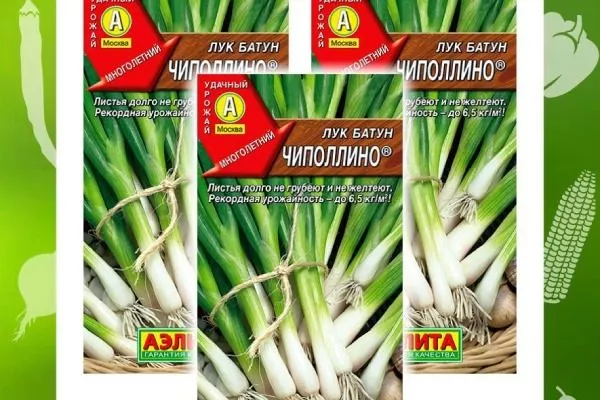
When and by whom was it selected?
This is one of the most popular onion varieties cultivated in Russia. This variety was developed by experts at Agrofirm Aelita and received approval for use in 2017.
Botanical description of onions
This perennial plant is classified as a salad vegetable and is intended for fresh consumption. Features of the crop:
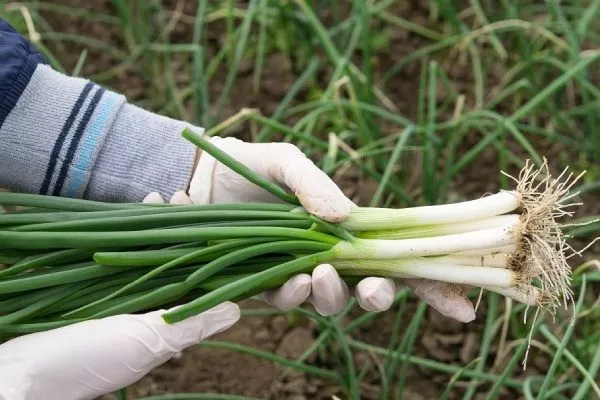
- Socket - straight, long and large in diameter.
- Leaves - Dark green, with a distinct waxy coating. The texture is tender and juicy, retaining freshness and color for a long time.
- Height of the hands – about 80 cm.
| Characteristic | Indicator | Note |
|---|---|---|
| Plant type | Perennial | Can be grown as an annual |
| Height of the outlet | 50-80 cm | Depends on growing conditions |
| Number of leaves | 8-12 pcs | In the second year of vegetation |
| Sheet length | 35-45 cm | Width 1.5-2 cm |
| Waxy coating | Strong | Evaporation protection |
| Root system | Fibrous | Penetration depth up to 30 cm |
Taste characteristics and purpose
It has a pleasant, semi-hot or mildly hot flavor. It's often used in salads or as an ingredient in various dishes. Its excellent flavor and distinctive aroma make it a popular choice for enhancing a variety of dishes.
When it ripens, what kind of harvest does it produce?
This is a mid-season variety. Ripening time varies depending on climate conditions and growing region, but it typically ripens 90-120 days after planting. Yield depends on many factors, including soil fertility, care, and weather conditions. Gardeners harvest between 20 and 30 tons of fruit per hectare.
Ripening schedule by region
- Southern regions: first ten days of June
- Central strip: late June – early July
- Northwest: mid-July
- The Urals and Siberia: late July – early August
Sowing onion seeds for seedlings
Make furrows 1 cm deep and spaced 2-3 cm apart. The distance between seeds should be approximately 0.5 cm. The approximate application rate is 10-12 g per 1 sq. m.
Follow the recommendations:
- After sowing, lightly compact the soil in the container and water carefully through a sieve. To speed up germination, cover the container with plastic wrap and place it in a warm place. The optimal temperature for growing seedlings is 18-20°C during the day and 10-12°C at night.
- High temperatures and long daylight hours can cause plants to become leggy and produce small bulbs, so take steps to provide shade.
- After the seedlings appear, reduce the temperature by ventilation and watering.
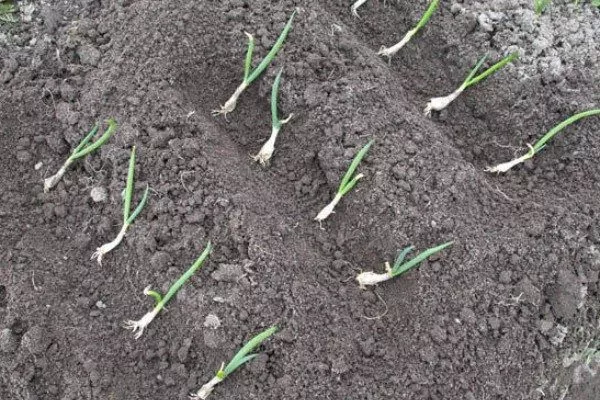
- Plant the seedlings in open ground at the end of April, when they have 3-4 leaves.
- Before planting, sort it, dip the roots in a mixture of clay and mullein, and if the leaves are longer than 15 cm, shorten them by 1/3.
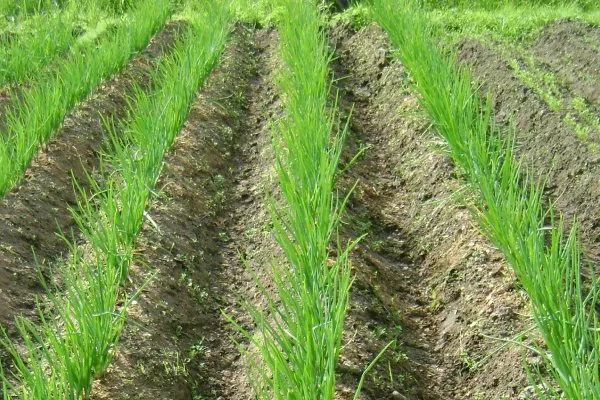
- Plant seedlings in multi-row strips at a distance of 50 cm from each other, and plants in a row every 7-10 cm.
- If the soil is dry, pre-moisten the furrows (1 liter of water per 1 sq. m).
- When planting seedlings, simultaneously press the roots with your index finger against the side wall of the furrow, then fill it in and compact the soil around the roots.
Choosing a location for planting onions and preparing the soil
Cipollino is a relatively cold-hardy plant, easily surviving spring frosts. However, during the "loop" stage, seedlings can be killed by temperatures between -2 and -3°C. The optimal temperature for leaf growth is 15-25°C, but they can withstand frosts down to -7°C and temperatures above 35°C.
Follow certain rules:
- The crop is demanding in terms of light, especially when grown from seed, and requires high light intensity. Moisture is essential during the initial growing season, but dry and hot weather is required for maturation.

- Onions have high soil fertility requirements due to their weak root system and vigorous foliage. The soil should have a neutral pH (6.4-7.0).
- Prepare the beds in the fall after harvesting the previous plants, adding manure, humus, compost, or bird droppings. Wood ash is an equally effective fertilizer. Avoid adding fresh manure as it may interfere with bulb formation and storage.

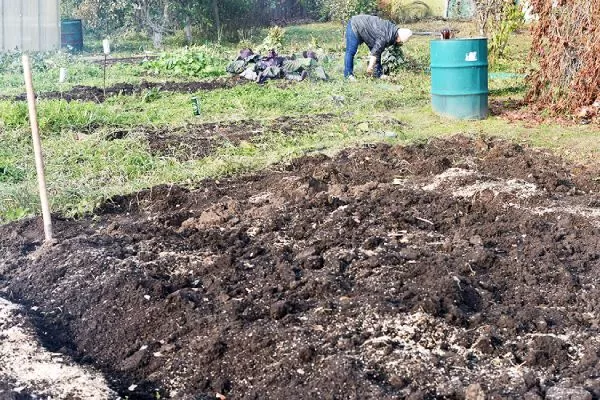
The crop responds well to mineral fertilizers: nitrogen and potassium during the initial growth period, and potassium and phosphorus during maturation. Apply fertilizer gradually and in small doses for optimal development.
| Soil type | Suitability | Improvement measures |
|---|---|---|
| Sandy loam | Optimal | Addition of organic matter 3-4 kg/m² |
| Loamy | Good | Sand + peat (1:1) 5 kg/m² |
| Peat | Conditional | Liming + sand 10 kg/m² |
| Clayey | Unwanted | Sand + humus (2:1) 8-10 kg/m² |
| Acidic (pH<6.0) | Unsuitable | Liming 200-500 g/m² |
Planting onion sets
Onion sets are an important seed source, the quality of which determines the future harvest. Grow them from black onion seeds and use them for sowing. You can sow dry seeds or pre-soak them in warm water for 8 hours.
Carry out planting in stages:
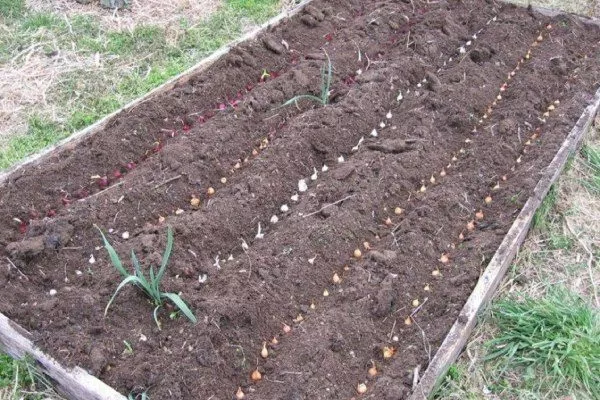
- Sow the sets in the fall or spring, as soon as the soil has warmed up well.
- Prepare the beds in advance by leveling the surface and raking them. The width should be approximately 1 m, and the distance between rows for sowing seeds should be 12-15 cm.
- Cover the planting material with humus (1-1.5 cm layer) and mulch on top with peat or leaf soil.
- To obtain turnips, use bulbs with a diameter of 1.5-2.5 cm, first sorting the bulbs and separating dried and diseased specimens.
- If the plants have been affected by diseases, such as downy mildew, disinfect the sets before planting.
- Plant onions in early May after the soil has warmed. To speed up regrowth, trim the onion sets and soak them in water mixed with slurry.
Diseases and pests
The crop is rarely subject to pest attacks and disease. However, if improperly cared for, it can suffer from certain problems.
White rot
- ✓ Crop rotation: return to the previous location after 4-5 years
- ✓ Spatial isolation from other onion crops
- ✓ Destruction of plant residues after harvesting
- ✓ Deep digging of the soil in autumn
- ✓ Use of only healthy planting material
- ✓ Regular inspection of plantings (once every 5-7 days)
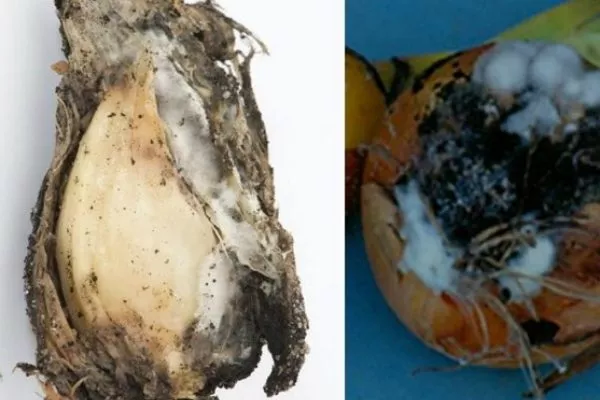
The disease spreads both during the growing season and during storage. When infected, young plants begin to yellow at the top and die, leading to wilting and death. A white, fluffy mycelium appears on the roots and scales of the bulbs, and small, pinpoint sclerotia are visible on the affected tissue.
Use healthy planting material. Harvest after full maturity, then dry in the sun or under cover, then indoors to prevent infection. When pruning, leave a 3-6 cm long neck.
Onion mosaic
This is a viral disease that affects leaves and inflorescences. It appears as small, elongated specks and wide, light green or cream-colored stripes. Leaves may become ruffled, stunted, and lodge. The stems become twisted, and longitudinal, mosaic-like stripes appear.
The inflorescences of affected plants become loose, and the flowers may be sterile or produce few seeds. Long leaflets sometimes develop instead of stamens and pistils.
To prevent mosaic, use healthy planting material, protect the crop from pests, select mother bulbs from healthy specimens and remove diseased specimens.
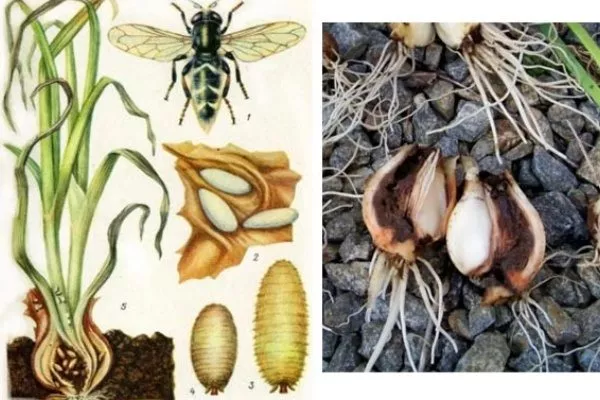
Onion hoverfly
The larvae penetrate the bulbs, destroying them and causing rot. To combat this pest, plant carrots nearby: the phytoncides released by the leaves repel the insects.
Mulching between rows with peat is effective, as the pest avoids such soils. Use strong-smelling pesticides, such as naphthalene mixed with sand at a 1:10 ratio, or tobacco dust, either pure or mixed with lime/ash (1-2 kg per 10 sq. m).
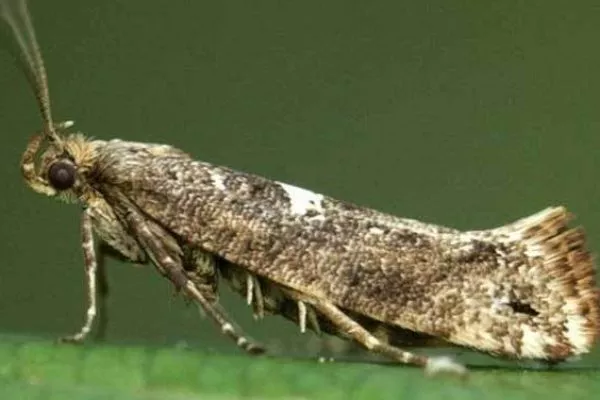
Onion moth
The caterpillars burrow into the tubular leaves and feed on them. Damaged plants turn yellow and dry out, starting from the tips. On onion sets, the insects attack the neck and even the center of the vegetable, which can lead to death.
Control measures include crop rotation and proper agricultural practices. Loosen the soil regularly and apply mineral fertilizers. Spray seedlings with insecticides.
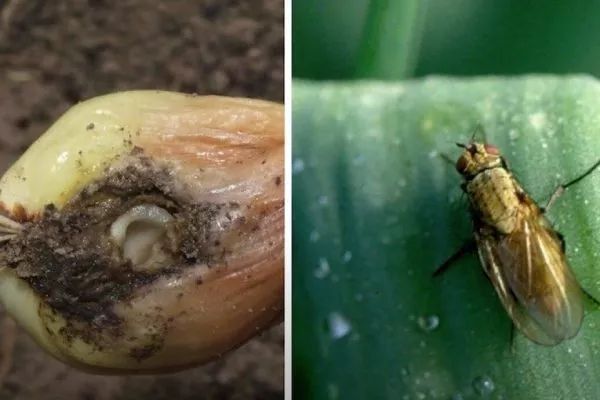
Onion fly
Beetles and larvae damage the crop. They eat out small cavities in tubular leaves, causing round white spots to form. The larvae feed on the inside of the leaves, cutting longitudinal stripes, without touching the outer skin. The leaves of damaged plants turn yellow at the tips and dry out.
Collect and destroy plant debris, and till the soil to destroy beetle overwintering sites. Loosen the row spacing during the period of mass pupation of the larvae, then water and apply mineral fertilizers. Spray the plants with Karbofos (60 g per 10 liters of water) during the growing season. The recommended rate is 1 liter per 10 square meters.
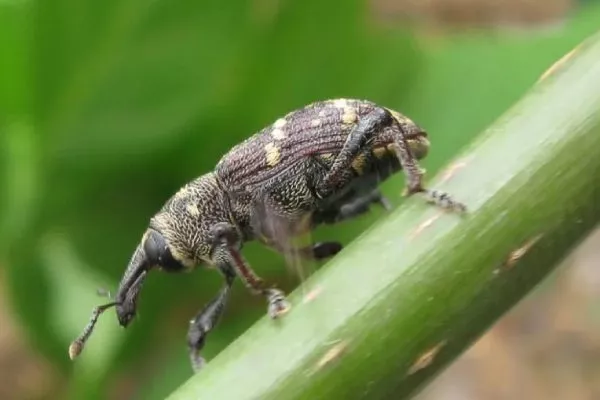
Onion bat
Beetles and larvae cause serious damage. They damage leaves, leaving white spots and streaks, which leads to yellowing and drying out. To control these insects, use Malathion.
To prevent pest attacks, loosen the soil between rows and add repellents such as wood ash and pepper. Collect and destroy plant debris after harvesting.
Tobacco onion thrips
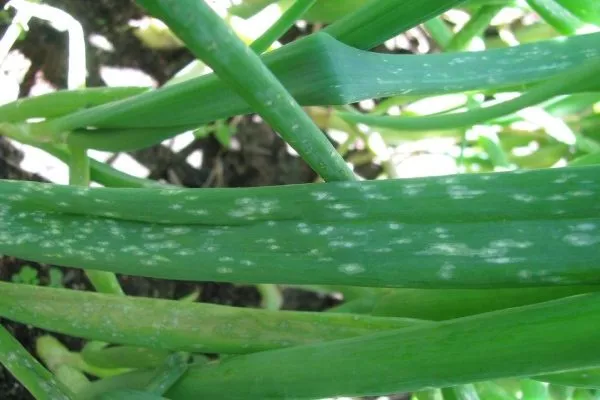
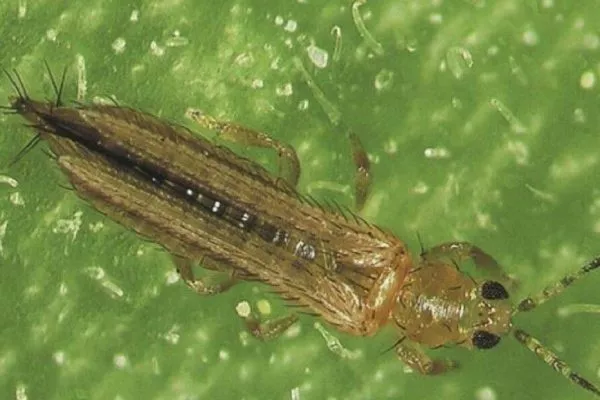
These are common pests that can damage the crop. When thrips damage onions, they leave silvery-white spots and black dots of excrement. Damaged leaves turn yellow and die, and the inflorescences of the seed pods dry out, reducing seed germination.
Disinfect seeds before planting at 45-50°C for 10-15 minutes. Use healthy seeds and practice crop rotation—plant the same crop in the same location no sooner than 3-4 years later. Treat the seedlings with Iskra De (1 tablet per 10 liters of water). The recommended application rate is 10 liters per 100 square meters.
Advantages and disadvantages
When planting an untested crop in your garden, first study its positive and negative qualities to avoid unpleasant surprises.
Cipollino has many advantages:
Among the disadvantages, gardeners note:
Reviews
Cipollino onions deservedly occupy a place of honor in the gardens of our country's gardeners. Their unique flavor and nutritional properties make them an indispensable ingredient in many dishes. With proper cultivation and careful agricultural practices, they can yield bountiful harvests.