Loading Posts...

Features of the Borets onion variety and its cultivation

The Borets onion variety is the result of innovative developments by Agrofirma POISK, whose development involved experts such as M. G. Ibragimbekov, N. N. Klimenko, and S. V. Maksimov. Originally intended for widespread use, this variety was approved for agricultural use in 2016. It stands out for its undoubted productivity.
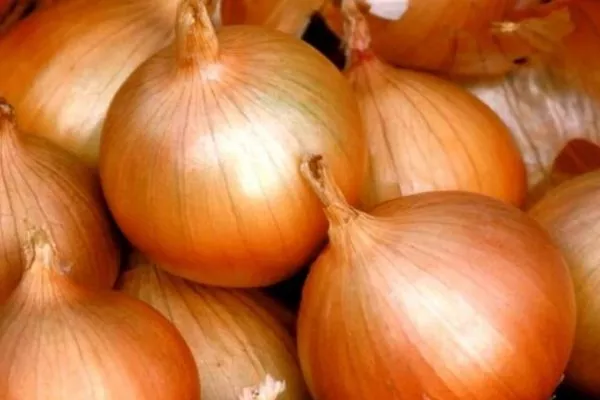
Borets onion variety

Introduction to the variety

To accurately decide whether to grow the Borets onion on your plot, carefully examine the main characteristics of the variety:

  • View: onion.
  • Category: hybrid.
  • Application: multipurpose.
  • Maturation: before harvesting it reaches 83%, after full maturity – 97-100%.
  • Product yield: significant.
  • Average yield: 216-500 centners per hectare.
  • Transportability: Excellent.
  • Distance between rows and plants: 30 cm and 5 cm respectively.
  • Soil type: fertile and well drained.
  • Convenient place for growing: illuminated by the sun.
  • Cultivation area: Central and North Caucasus region.
  • Ripening time: mid-season.
  • The period between emergence and harvest: 115-120 days.
Critical parameters for successful cultivation
  • ✓ Optimum soil temperature for planting: 10-12°C.
  • ✓ Planting depth of bulbs: 2-3 cm.
  • ✓ Soil pH: 6.0-7.0.

External data

The rosette of leaves of this variety is medium-sized, and the leaves are distinguished by a deep green hue. They have a juicy and soft texture. The bulb is shaped like a narrow ellipse and weighs between 100 and 135 g. Dried scales are dark brown, while fresh scales are white with a greenish tint.
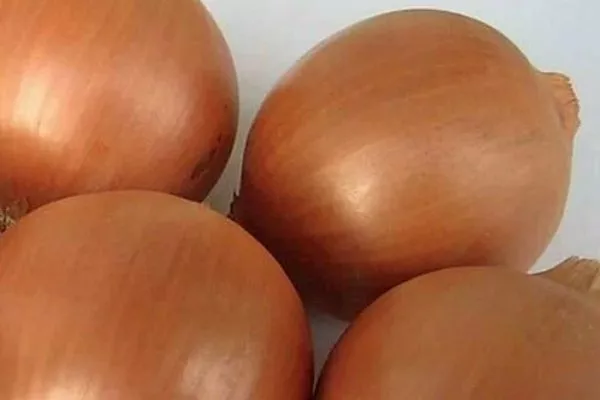
The bulb is dense and can have either one or two bulbs. Its flavor is moderately pungent.

appearance of the bulb

Precautions when growing
  • × Avoid over-watering the soil, as this can lead to rotting of the bulbs.
  • × Do not plant onions after other onion crops for at least 3 years to prevent diseases.

Subtleties of agricultural technology

To successfully grow Borets onions, you will need fertile, well-drained soil, regular care, and a location with adequate sunlight.
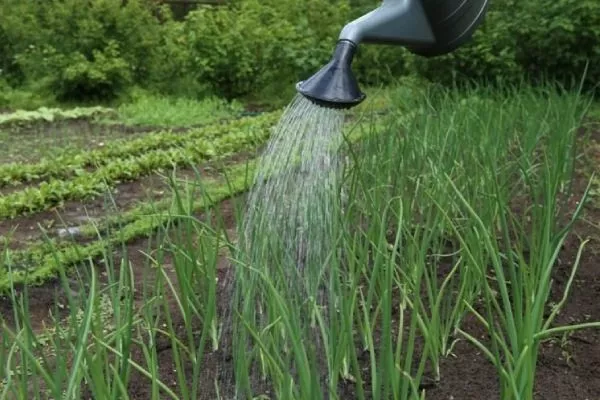
Maintenance procedures are standard: simply moisten the soil as needed, periodically fertilize with organic matter and minerals, remove weeds, and treat for pests and diseases.

onion cultivation techniques

Reviews

Natalia Kupatova, 38 years old, Usman.
For me, Borets is the best variety. I love its medium-hot flavor and versatility. I add it to both first and second courses, make juicy onion cutlets, and use it for kebabs. It's not so good in salads, though—it's a bit spicy. But that's a matter of taste.
Victor Romanyuk, 48 years old, Kazan.
A good variety with abundant yields. We grow it for sale – it's very easy to transport and stores well. By mid-April, I only lose about 2-4% of the harvested crop. These are excellent figures.

The Borets onion is a bulbous onion that has only recently become popular. However, those who have tried growing it can't resist the idea next year. This variety is highly transportable, making it attractive for commercial cultivation.

Frequently Asked Questions

What type of fertilizer is best for feeding Borets onions?

Can this variety be grown in a greenhouse to speed up ripening?

What pests most often affect this variety and how to combat them?

What is the minimum interval between planting Borets onions after other onion crops?

Which companion plants improve growth and yield?

How to determine the optimal time for harvesting?

Can this variety be used for winter forcing for feathers?

Which planting method is more effective: seeds or sets?

What are the signs of nitrogen deficiency in the soil?

How to prepare the soil in the fall for planting Borets onions?

What onion varieties can be used in mixed plantings with Borets to reduce the risk of disease?

How to store crops to minimize losses?

Can this variety be grown in regions with short summers?

What folk remedies are effective against downy mildew?

How often should you loosen the soil around plants?

Comments: 0
Hide form
Add a comment

Add a comment

Loading Posts...

Tomatoes

Apple trees

Raspberry