
The White Lucum onion is a true treasure for gardeners and cooks. This mid-early variety boasts a delicate dessert-like flavor with a sweet and sour undertone, as well as versatility. With proper care, you can reap bountiful harvests and large, high-quality vegetables that add a piquant flavor and aroma to dishes.
Introduction to the variety
This mid-early variety ripens in 80-85 days. Its delicate, sweet and sour dessert flavor is a pleasant surprise and pairs perfectly with black bread. The greens are ready to eat after just 30 days.
- ✓ High resistance to bolting, which is rare among mid-early varieties.
- ✓ The ability to produce multiple embryos, ensuring high yields per unit area.
External data
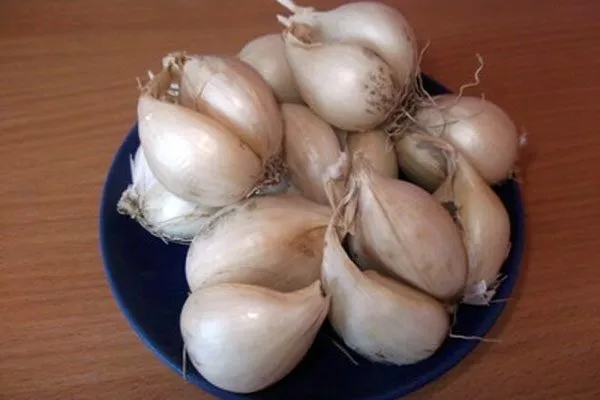
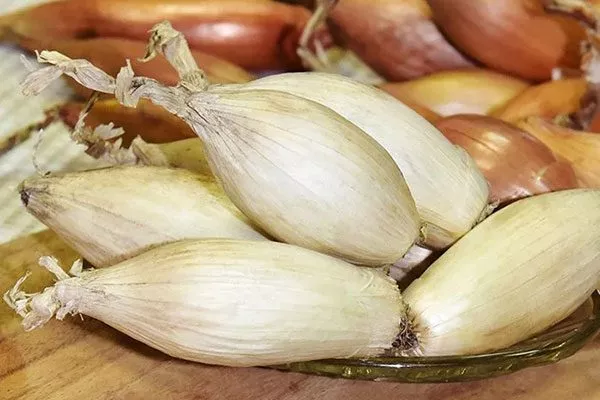
The plant reaches a height of 30-40 cm. Its stem is thin and straight, and its narrow leaves grow up to 20 cm long. The flower is white. The bulbs are oval or slightly elongated, ranging in size from 2 to 4 cm in diameter. The skin is smooth, shiny, and white.
Taste characteristics and purpose
The bulbs have a delicate, dessert-like flavor with a sweet and sour undertone, making them ideal for a variety of culinary dishes. They are rich in beneficial properties: they contain antioxidants and phytonutrients that strengthen the immune system and protect the body from many diseases.
This vegetable is an excellent source of vitamins C and B6, as well as the minerals potassium and manganese. These elements are important for maintaining cardiovascular health and normal brain function.
Subtleties of agricultural technology
White Lucum prefers sunny locations with good air circulation. The soil should be fertile, loose, and well-drained. The optimal pH for growing onions is 6-7.
Follow these recommendations:
- Before planting, dig the soil deeply and add organic fertilizers such as compost or rotted manure.
- A few weeks before planting, apply mineral fertilizers with a high content of phosphorus and potassium.
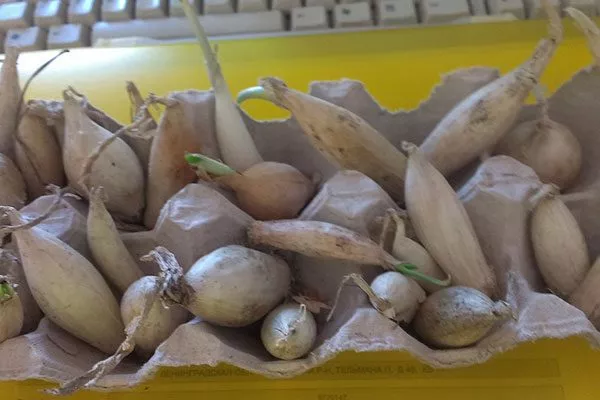
- Plant with seeds or sets. Sow seeds in early spring and sets in mid-spring.
- Sow seeds at a depth of 1-2 cm, with the distance between rows being approximately 20-25 cm. When planting onion sets, place them at a depth of 3-4 cm with an interval of 10-15 cm between plants.
Provide your plants with simple agricultural practices:
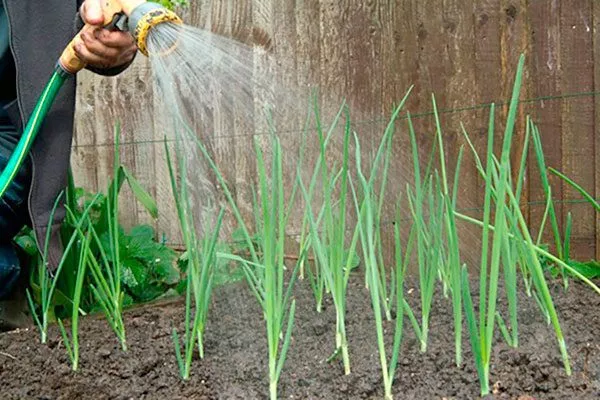
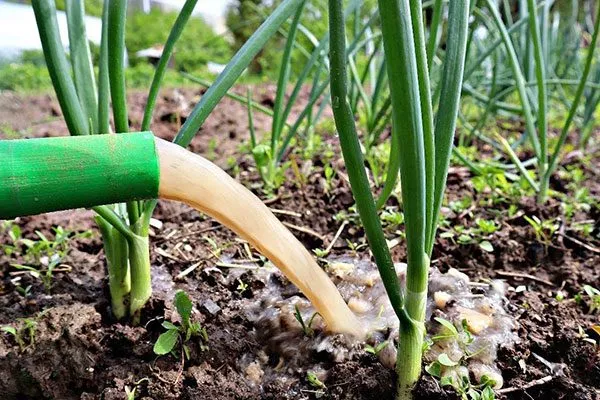
- Watering. Onions require regular watering, especially during the initial growth period. The soil should be moist but not waterlogged. Reduce watering a few weeks before harvest to allow the bulbs time to mature.

- Loosening and weeding. Regular loosening of the soil helps improve its structure and oxygen access to the roots. Weeding is important for removing weeds, which can compete with vegetables for nutrients and moisture.
- Top dressing. Carry out the procedure 2-3 weeks after germination, using nitrogen fertilizers. During bulb formation, apply phosphorus-potassium fertilizers to improve crop quality.
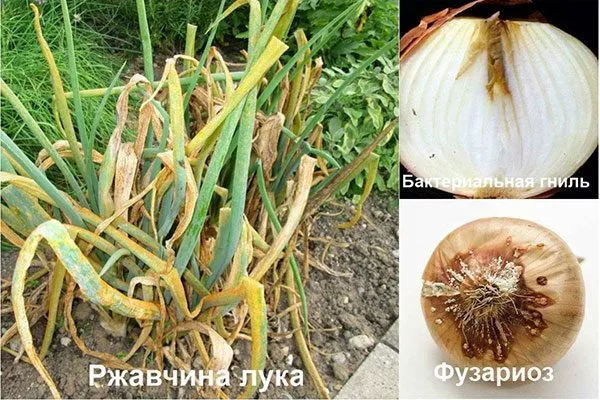
- Protection from pests and diseases. The crop is susceptible to attacks by onion flies and downy mildew. To prevent the disease, regularly inspect the plantings and use biological or chemical pesticides. Practice crop rotation and avoid growing onions in the same location for several years in a row.

Reviews
The White Lucum onion is an excellent choice for both beginners and experienced growers. Its ease of cultivation, excellent flavor, and rich nutritional content make this variety a sought-after choice. By following the care recommendations, you'll enjoy abundant harvests and fresh vegetables year-round.