
The Bandit onion is a Dutch variety that is a prominent representative of the leek, which until recently was not as popular as onions. The Bandit variety is undoubtedly one of the most popular leeks, which, unlike common onions, lack traditional bulbs.
Who developed the variety and when?
The Bandit leek was bred by Dutch breeders in 1992. The originator of the variety is the company BEJO ZADEN BV. In Russia, the Bandit onion was registered in 1993.
Appearance of the plant and bulbs
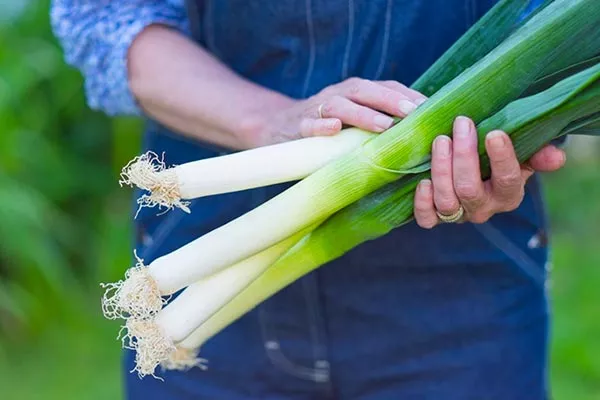
The Bandit leek has a medium-sized, leafy rosette. The leaves are vertical, bluish-green, and have a characteristic anthocyanin tint. The base of the stem is white, and the bulb is very faint. The plant grows to a height of 25-30 cm. The diameter of the white part is 3-4 cm.

Taste and application
The leaves have a juicy and tender texture. The lower part of the stem is eaten. Leeks are versatile and can be eaten fresh, added to salads, a variety of appetizers, and sandwiches.
The Bandit onion has a balanced, spicy, yet pleasant flavor. It's used in fried, baked, and boiled dishes. Its flavor pairs harmoniously with meat and vegetables.
Characteristics
The Bandit leek is a mid-late ripening variety. The period from germination to harvest is approximately 140 days. The yield of this leek is approximately 6 kg per square meter.
Growing regions
The variety is recommended for cultivation in almost all regions of Russia: in the Northern, Ural, West and East Siberian, Far Eastern, Northwestern, Central, Volga-Vyatka, North Caucasian, Middle Volga, Lower Volga and Central Black Earth regions.
Pros and cons
Before planting Bandit onions in your garden, it's worth evaluating all of its advantages and disadvantages. This will help you decide whether this variety is suitable for your local climate and intended use, or whether you should look for a different leek variety.
Advantages:
The variety has one drawback: it is highly demanding of soil quality.
Growing methods
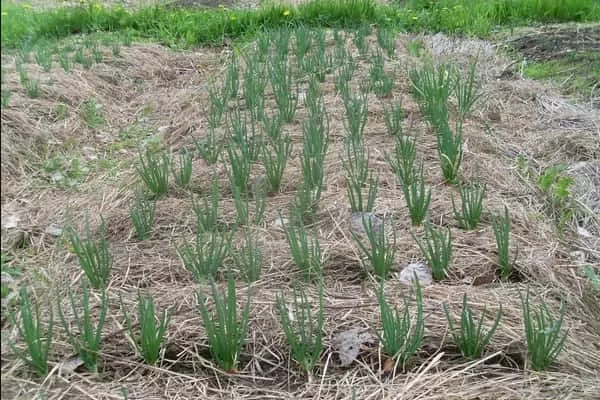
Bandit onions can be planted from seeds or sets directly into the ground. In regions with short summers and long springs, this leek is also often grown from seedlings. Planting timing depends on climate and weather conditions; planting occurs when the soil warms to at least 13°C.
Seedlings are grown in individual cups. Seeds are sown around the end of March. Planting usually occurs in mid- to late May, when the weather is warm enough, around 20°C.
Landing
To ensure a good harvest, it's important to plant leeks correctly. They require loose, fertile soil with a neutral or slightly acidic pH. Bandit onions grow extremely poorly in acidic soils.
Bandit onions grow best in alkaline soils, in open, sunny locations. Clay and sandy soils are not suitable. Recommended planting patterns for onion sets: 70x50, 70x60, 100x50, and 100x60 mm.
Subtleties of agricultural technology
Proper and regular care is the key to successfully growing Bandit onions.
How to care for leeks:
- Watering Watering is carried out as the top layer of soil dries out. Moisture deficiency should be avoided, as it negatively affects the development and flavor of leeks. Warm, settled water is used for watering.
In normal weather, water once or twice a week. The recommended watering rate is 10 liters per square meter. In hot weather, double the watering frequency. It's important not to overdo it, as stagnant moisture in the beds can lead to rot. - They are hilling up Leeks are earthed up several times. The first time, they are hilled up when they reach 7 mm in diameter. The second time, they are earthed up after a month, and then as needed.
- Fertilize Onions are fertilized 3 or 4 times during the season. The first feeding is done 3 weeks after transplanting the seedlings (or when shoots emerge) to their permanent location. A nutrient solution containing potassium salts and saltpeter is applied to the roots. Bandit onions also respond well to a solution of bird droppings. It is recommended to sprinkle the beds with wood ash before hilling.

Diseases and pests
Among the advantages of the Bandit leek is its resistance to various pathogens. However, this resistance is not exceptional, and under unfavorable conditions it can be susceptible to various infections. There is also always a risk of insect infestation, especially if agricultural practices are severely violated.
The greatest danger to the Bandit onion is:
- Fungal infectionsThe Bandit leek is susceptible to powdery mildew, downy mildew, and rust. Any of these diseases renders the leek unfit for consumption. Preventative treatments with appropriate fungicides and copper oxychloride can help prevent these diseases.
- Viral mosaic - This is a very serious disease transmitted by aphids. There is no cure, so prevention is crucial—proper soil preparation, treating planting material, and regular preventative insecticide treatments.
Affected plants are immediately removed from the beds and destroyed to prevent the spread of infection. To prevent mosaic, it is also important to weed the beds promptly, removing weeds.
The most common insect pest of leeks is the onion fly, which lays eggs on the ground or on the leaves. The larvae burrow into the stems and leaves, causing the plant to rot. Spraying with a solution of tobacco and liquid soap helps control onion flies.
Harvesting and storage
Onions are harvested before the onset of frost. This typically begins when temperatures drop to -3°C. The harvesting time depends on the climate; for example, in central regions, onions are harvested in the second half of October. The onions are lifted with a pitchfork, being careful not to damage the stems.

Reviews
If you're new to growing leeks, start with the Bandit variety. This tasty and productive onion will allow you to appreciate all the benefits of leeks with minimal effort—its cultivation techniques are extremely simple, making it accessible to any novice gardener.