
The Banana Giant onion is a garlic-onion hybrid with a distinctive sweet flavor. This dietary variety is not only delicious but also very healthy, and it's easy to grow even for novice gardeners.
General information about the variety
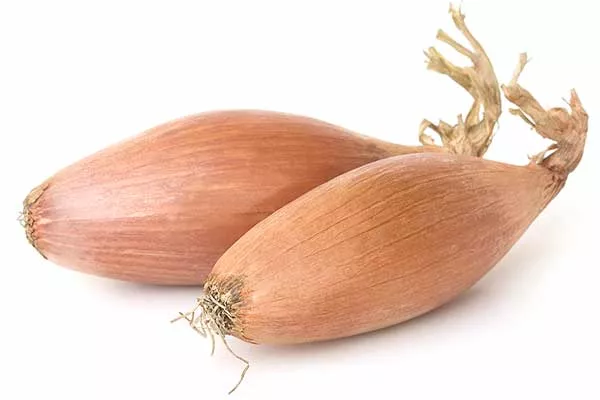
The variety in question belongs to the onion family known as the Kushchevka or Shallot. This hybrid got its name due to its visual resemblance to bananas. Banana Giant lacks the volatile compounds characteristic of other onion varieties, making it completely unobtrusive when cutting.
Description of the Banana Giant variety
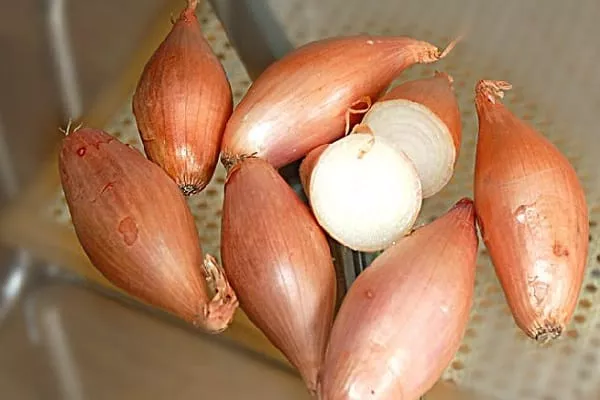
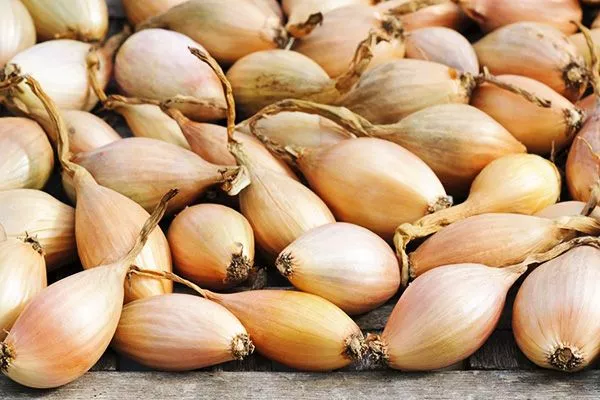
The bulb is golden, large, elongated, and oblong, giving it a banana-like appearance. The outer scales are yellow, while the inner scales are white. The bulb length is up to 10 cm, with a diameter of 2.5 cm. The stem reaches 30-35 cm in length.
The Banana Giant shallot grows in nests. Each colony produces about a dozen bulbs. The fewer bulbs in a nest, the larger they are. Conversely, too many bulbs in a single nest lead to smaller bulbs. A single bulb weighs between 70 and 170 g.
Purpose and taste
The bulbs have a sweet and juicy taste and no strong odor. They contain a large amount of vitamins, minerals, saturated and phenolic acids, essential oils, phytoncides, and carotenoids. The calorie content of 100 grams of the product is 70 kilocalories.
The Banana Giant onion is widely used in cooking. Its juicy bulbs pair beautifully with meat, fish, and vegetables, and are also suitable for canning. It pairs beautifully with raw vegetables in summer salads. The greens of this onion are excellent in green dressings.
Productivity and other characteristics
Shallot is an early-ripening variety. It takes approximately 2.5 months from germination to harvest. The variety is very frost-hardy and easily overwinters in the ground. The yield is 2.5 kg of onions per square meter. When grown commercially, the crop yields 12-25 tons per hectare.
Growing regions
The Banana Giant family onion was developed by Russian breeders. This promising variety is recommended for cultivation in various regions of the country.
Pros and cons
Before planting giant shallots in your garden or dacha, consider all of its advantages. Also, determine if there are any drawbacks that might be critical to you.
Advantages:
No disadvantages were found in the variety under consideration.
Planting dates
Despite its high frost resistance, the "banana" variety is recommended for spring planting. Planting occurs when the soil warms to 10–12°C. Onions planted in late March produce green shoots as early as May, with the bulbs ripening in June or later—planting timing depends on specific climate conditions.
Soil and climate requirements
Fertile, humus-rich soils are considered the best choice for the Banana Giant onion. They should be loose and have a neutral pH. Acidic soils can be deacidified by adding wood ash and dolomite flour. To increase the acidity of slightly acidic soils, use peat or compost.
Planting shallots
To obtain large bulbs and a good harvest, the crop is planted as sets. The seeds are usually used to produce varietal material and greens.
Landing features:
- The area being prepared for shallot planting is dug to a depth of 30 cm. Add 4 kg of compost per square meter during the digging. This preparation should be carried out at least several weeks before planting.
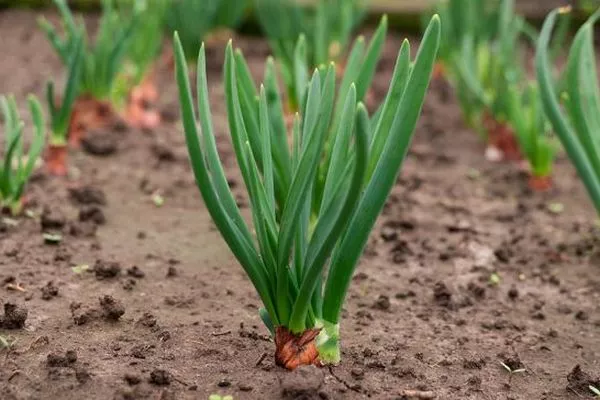
If planting is planned for spring, additional mineral fertilizers are added to the soil in the fall. The soil is enriched with superphosphate, ammonium nitrate, and potassium chloride (15 g each per square meter). - Leave at least 10 cm between adjacent bulbs (sets). Make the row spacing wide—about 70 cm. Plant to a depth of 5 cm.
Growing and care
The quality and quantity of the harvest largely depend on proper and regular care. Generally, the cultivation practices for this variety are standard.
How to care for Banana Giant shallot:
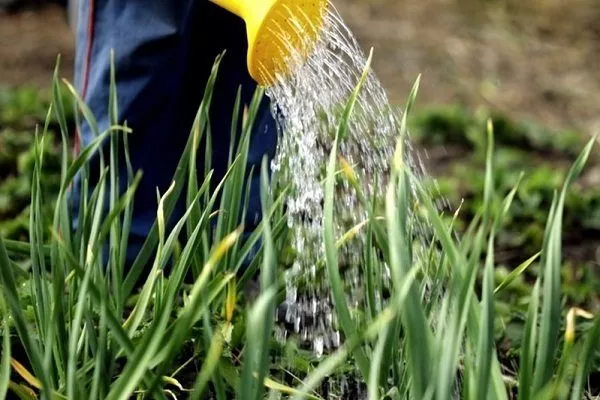
- The recommended watering rate is 15 liters per square meter. Watering is especially important during dry periods. The soil should neither dry out nor become overwatered. Watering should be stopped three weeks before harvest. This improves the shelf life of the onions.
- The soil is loosened after watering and rain. This procedure promotes air exchange and air flow to the roots. Weeds are removed at the same time. Regular loosening allows for larger onions to grow. Initially, loosening should be done once a week.
- Shallots are fertilized twice during the season. The first application is made immediately after emergence. Use a 1:10 dilution of mullein. Superphosphate and ammonium nitrate can also be added. To promote the formation of large bulbs, superphosphate and potassium chloride are recommended.

Resistance to diseases and pests
Shallots can develop problems in damp weather. If the summer is wet and rainy, they can be affected by fungal infections. If symptoms of disease appear on the onions, the affected plants are removed and destroyed, and the remaining crops are sprayed with fungicides such as Mikosan, Maxim, Pentofag, or similar products.
During a widespread infestation of insect pests, shallots can be attacked by aphids, onion flies, or nematodes. A salt solution is effective against all of these. In severe infestations, insecticides must be used.
Cleaning and storage
Harvesting is done in sunny, dry weather. After being removed from the soil, the onions are left in the garden beds to dry slightly. Shallots are stored in boxes or crates, but hanging them is best to allow air circulation.
Reviews
The Banana Giant onion has every potential to become one of the most sought-after varieties. It remains quite popular among shallot connoisseurs. Gardeners appreciate its piquant flavor, low maintenance, and high yield.