
April onion is an excellent source of vitamins and minerals for health. Its resistance to adverse weather conditions, high yield, and excellent flavor make it an excellent choice for growing in both small and large gardens. With proper care, you'll be able to appreciate the best qualities of this crop.
Who developed the variety and when?
Early Welsh onion was developed at the VNIIR experimental station in the Far East. Testing of this crop began in 1974, and it was included in the State Register in 1981.
Introduction to onion variety
Onions are grown in garden plots for their health benefits. When choosing a variety, many prefer traditional varieties that have long been established in gardening. The April onion has been popular among gardeners for over 40 years.
Characteristics of the appearance of the plant and bulbs
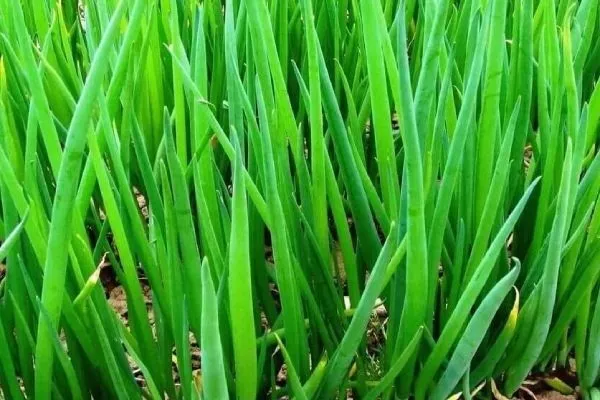
The plant attracts attention with its upright rosette of long, succulent, and delicate, dark green plumes. At the initial stage of growth, they are very thin, like blades of grass, but thicken as they mature.
Chemical composition
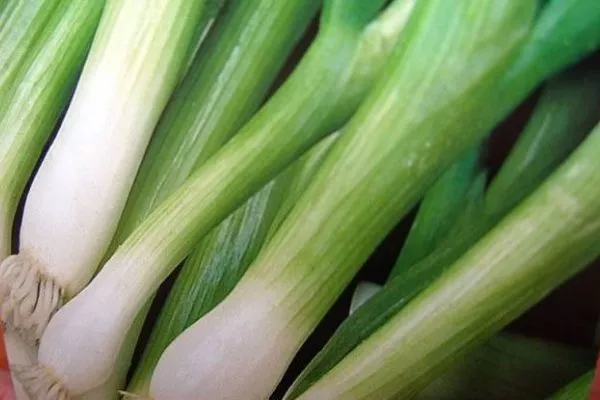
Greens are rich in vitamins (C, E, K, PP and B group), iron salts, magnesium, potassium, organic acids, essential oils, phytoncides and other biologically active substances.
| Component | Content (per 100 g) | Daily value (%) |
|---|---|---|
| Vitamin C | 58 mg | 64% |
| Vitamin K | 207 mcg | 173% |
| Iron | 2.1 mg | 12% |
| Potassium | 276 mg | 6% |
| Folic acid | 64 mcg | 16% |
Its antiscorbutic properties significantly surpass those of many popular vegetable crops, such as lettuce and onions.
The chemical composition depends on growing technologies, agricultural practices, soil, climate, and weather conditions. Experienced vegetable growers note that crops harvested during rainy seasons do not store well and contain less sugar and ascorbic acid.
Young leaves are juicy, tender, and have a distinct, semi-sharp flavor. The higher the leaf is positioned on the pseudostem, the younger it is and the richer its ascorbic acid content. Cut the leaves promptly, as overgrown leaves become thick and coarse, reducing their nutritional value.
Application and taste
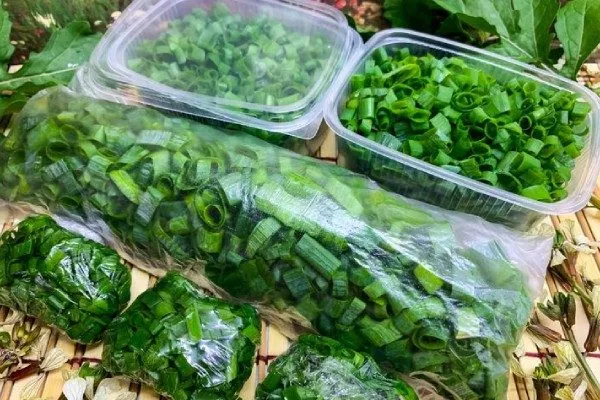
The plant has a distinctly pungent flavor, but is neither bitter nor leaves an unpleasant aftertaste. The bulbs and leaves are versatile: they can be eaten fresh, frozen for greens, or added to various culinary dishes.
When ripe, the yield
Aprelsky ripens early, typically between 102 and 142 days, although some gardeners grow it even earlier. Batun is known for its high yield. When grown for personal consumption, 2-4 kg per square meter is harvested, with the maximum yield reaching 6.7 kg.
Growing regions
The plumes are frost-resistant and can withstand temperatures down to -10°C. This feature allows the crop to be grown in any region of the country. It is especially popular among gardeners in the Urals and Siberia.
Soil requirements
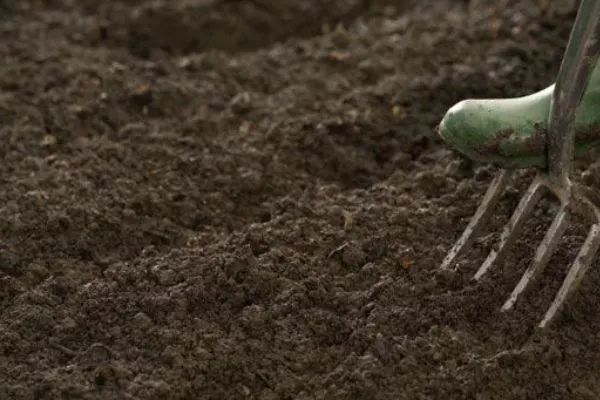
For comfortable cultivation, prepare the soil properly. Do this in the spring or fall after plowing the soil to a depth of 10 cm. While digging, thoroughly clear the area of weeds, excess roots, and larvae.
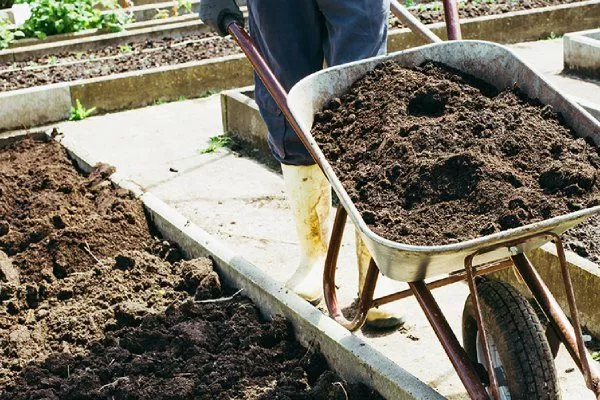
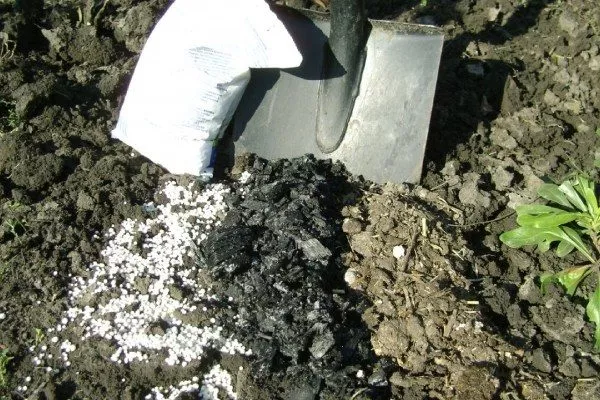
Before planting, apply fertilizer and nutrients. Wood ash, peat, sand, nitroammophoska, and ammonium nitrate are suitable. In the fall, add rotted manure to the soil surface.
Soil acidity should be neutral or slightly acidic, with a pH of 6.5-7.5. If the pH is high, use dolomite flour to lower it.
Necessary climatic conditions
April is frost-resistant. However, young plants will benefit from winter shelter. Batun prefers sunny, open locations, as it dislikes shade. The site should be protected from drafts.
Resistance to diseases and pests
The plant is disease-resistant and rarely suffers from them. Pest attacks are also rare, usually occurring if proper care is not followed.
Landing
The plant grows best in fertile sandy loam, chernozem, or loamy soils. In peaty and sandy soils, it tends to produce numerous bolts. It does not tolerate stagnant water, which can cause bulb rot, so plant it in well-drained, permeable soils.
Optimal predecessors include potatoes, tomatoes, cabbage, peas, and beans, as they leave fewer weeds in the soil. Avoid growing it after garlic, cucumbers, and carrots. Rotate the planting site annually. It should be in full sun, but some partial shade is acceptable.
Follow these recommendations:
- In autumn, dig up the soil, adding 8 kg of compost and 250 g of wood ash per 1 sq. m.

- In spring, loosen the soil to a depth of 10 cm and fertilize with mineral substances: 20 g of urea, 30 g of potassium sulfide and 50 g of superphosphate per 1 square meter of planting.
- To speed up germination, pre-treat the seeds. Before planting, soak them in warm water for 24 hours, changing the water every 6 hours. You can also soak the seeds in a weak solution of potassium permanganate for an hour.
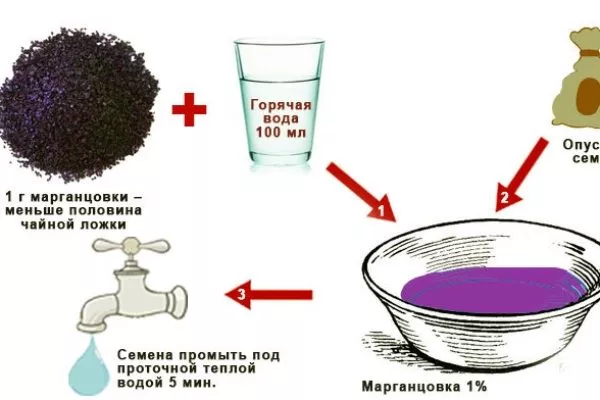
Another way to stimulate germination is bubbling, which involves keeping the seeds in warm water with a supply of air. This procedure speeds up germination by a week and increases the yield.
Planting order:
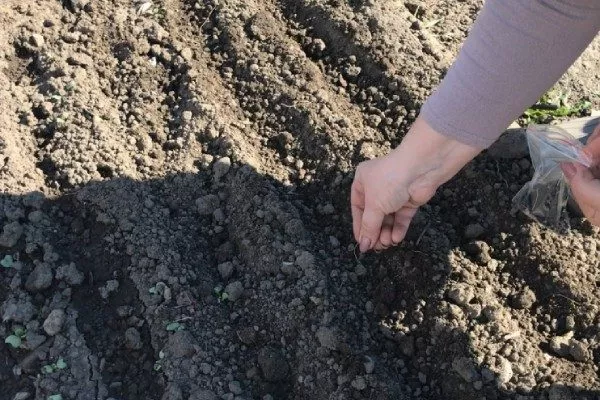
- Make furrows in the bed, leaving 20 cm between them. The number of rows depends on the width of the bed; it is easiest to care for plants planted in 3 rows.
- Place the seeds at a depth of 1-2 cm with a spacing of 5 cm. When growing perennial crops, the seed consumption is 2 kg per 1 sq. m, for annual onions - 3 g per 1 sq. m.
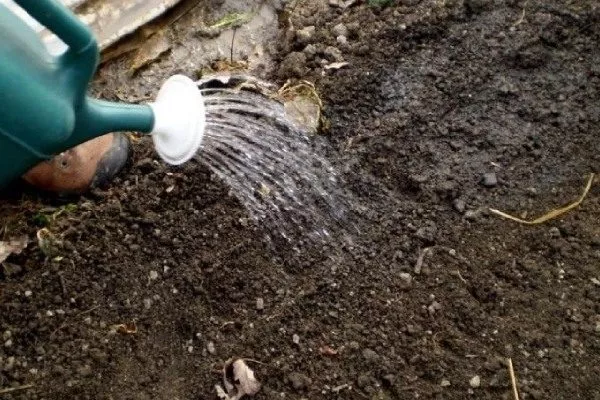
- Cover the planting material with soil and water generously.
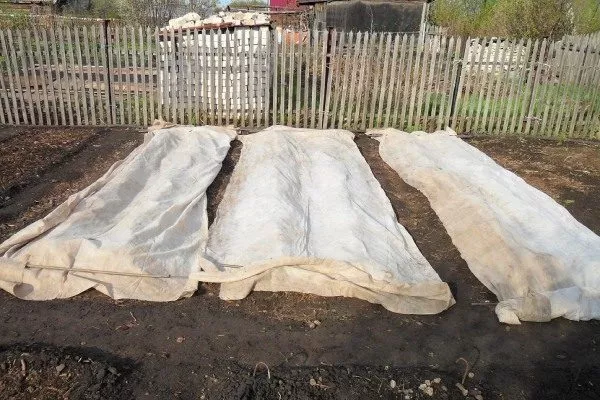
- If there's a risk of spring frost, cover the plantings with agrofibre. Covering is especially important at night, as modern covering materials can increase the temperature for plantings by +5°C.
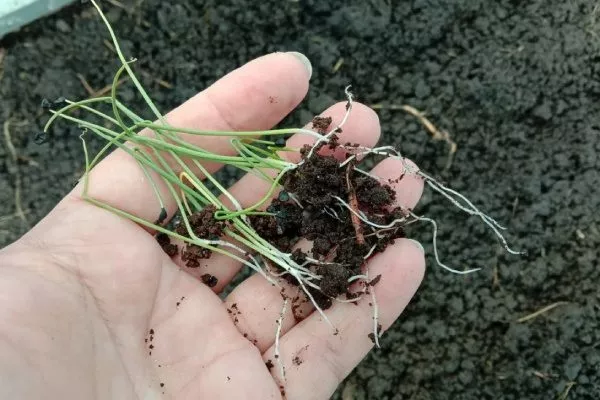
- Thin out the emerging seedlings, leaving a gap of 5-10 cm.
Onion care
To obtain the most abundant harvest, provide the plant with regular care.
Feeding schedule
- 2 weeks after germination: nitrogen fertilizers (15 g urea per 10 l of water)
- After 3 weeks: complex fertilizer (nitroammophoska 20 g/m²)
- After each cutting of greens: mullein solution (1:10)
- In August: phosphorus-potassium fertilizers (superphosphate 30 g + potassium salt 20 g/m²)
Follow standard agricultural practices:
- Watering. Frequency depends on weather conditions and precipitation. During prolonged drought, water the plants 2-3 times a week. If the bed is mulched, reduce the frequency. If the goal is a bountiful harvest, increase the frequency to 4-6 times a week.
- Loosening. After moistening, loosen the soil. This will help remove weeds and improve air access to plant roots.
- Fertilizer. Feed the plants with a chicken manure infusion mixed with compost and ammonium phosphate. To improve soil fertility and prevent disease, add wood ash and peat. Avoid fertilizing onions in the fall before wintering, as they enter a dormant state and remain inactive until spring.
Pest and disease control
With proper cultivation practices, Aprelsky is rarely affected by diseases. The plants can attract onion flies, weevils, and moths, which destroy the above-ground parts.
If pests appear, spray them with Fufanon or Karbofos.
| Pest/Disease | Signs | Control measures |
|---|---|---|
| Onion fly | Wilting leaves, larvae at the base | Dusting with ash, tobacco dust |
| Peronosporosis | Gray coating, yellowing | Treatment with 1% Bordeaux mixture |
| Rust | Orange spots on feathers | Removing affected plants |
| Thrips | Silvery spots on leaves | Treatment with Fitoverm |
After processing, wait a few days before using the onion in food.
Collection and storage
Welsh onions are ready to harvest when the leaves begin to yellow and dry out. At this point, carefully dig up all the bulbs with a shovel or pitchfork, being careful not to damage them. After harvesting, leave the crop in a garden bed or under cover to dry. This helps speed up the ripening process and strengthen the skin.
Before storing, inspect each vegetable and remove any damaged or rotten ones. Place the harvest in a cool, dry, well-ventilated area. Store the harvest at a temperature no higher than 5-10°C.
You can sort the bulbs into nets or boxes and place them on pallets.
Advantages and disadvantages
Before planting this variety, consider its positive and negative qualities. Aprelsky has many advantages:
Among the disadvantages, agronomists note rapid spoilage if stored improperly, and the demanding nature of the soil and care.
Reviews
April onions are very popular among gardeners and gourmets. Their unique flavor and inimitable properties make them an integral part of the culinary and gardening worlds. Regular care is essential to ensure high-quality leaves and a bountiful harvest.