
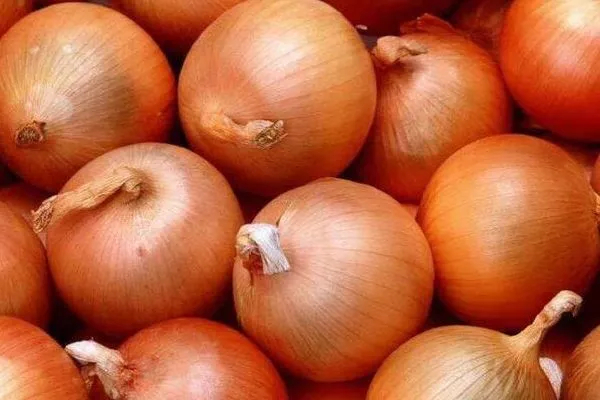
Alpha is an early-ripening onion variety characterized by high yields, uniform, beautiful, well-shaped bulbs, and strong immunity. It has been highly praised by domestic vegetable producers. This variety is considered commercially viable, producing the earliest onion harvest.
Introduction to the variety
Alpha is one of the earliest-ripening vegetable varieties available to domestic gardeners and farmers. It has become widespread in Russia due to its accelerated ripening. This onion is grown from sets. Planting occurs in the spring and before winter to produce ripe bulbs as early as May.
Breeding history
The Alfa variety is a result of selective breeding, developed by UK scientists. Its patent is held by Allium Seeds UK LTD. It was added to the Russian state register in 2014. It is recommended for private cultivation in private farms and for mass production of vegetables.
Appearance, taste, purpose
The variety is famous for its high quality harvest:
- bulbs are aligned;
- aesthetic;
- ripening together.
This vegetable variety is characterized as a small-celled, single-stemmed crop. It has a robust root system. The plumes are succulent, green, and reach 30 cm in length.
Turnips have the following characteristics:
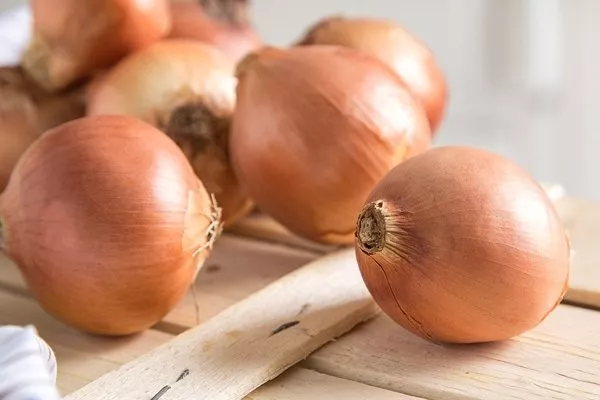
- round shape;
- thin neck;
- density;
- weight - 90-110 g (with enhanced agricultural technology it is possible to obtain bulbs weighing 200-300 g);
- diameter - 6-8 cm;
- thin, dry scales of a light golden color, which, as they dry, acquire a dark brown hue;
- number of cover layers - 4-5 pcs.;
- with internal juicy scales of a creamy white color.
Composition and beneficial properties
Alpha onions are low in calories (41 kcal/100 g). They contain carbohydrates, proteins, fats, dietary fiber, and water. Their flesh is rich in many beneficial nutrients:
- amino acids;
- fatty acids;
- vitamins (choline, ascorbic acid, biotin, nicotinic acid, tocopherol, pyridoxine, carotene);
- minerals (silicon, phosphorus, potassium, sulfur, manganese, iron, iodine, zinc).
The spicy vegetable is famous for its healing properties:
- bactericidal;
- antiseptic;
- tonic;
- strengthening the immune system and others.
Eating onions is recommended for people recovering from illness. Onions help fight viruses and cope with many infections. The phytoncides they contain are a powerful weapon against influenza and diphtheria pathogens.
Ripening period, yield
This variety is considered early maturing. The growing season lasts 60-85 days (from germination to lodging of the onion leaves). Gardeners harvest the winter-planted vegetable in May, two months earlier than the spring harvest.
The yield indicators of the Alpha onion are as follows:
- from 17,600 kg to 23,600 kg per 1 ha - for industrial cultivation of the variety;
- up to 35,000 kg per 1 ha - the maximum possible yield (winter sowing);
- 6-7 kg per 1 sq. m - for private cultivation of hot vegetables;
- ripeness of turnips before harvesting is 80%;
- after they are ripened - 100%.
Disease resistance
This variety is renowned for its strong immunity. Its plants rarely get sick. They are also not prone to bolting. Disease can occur if vegetable cultivation practices are not followed.
Other characteristics
Another excellent characteristic of the Alpha onion is its shelf life. It outlasts most early-ripening varieties that don't have a long shelf life. Its bulbs retain their juiciness and marketable appearance when stored in a ventilated area at 15-20°C, and they are easy to transport.
What regions is it suitable for?
This vegetable variety is intended for cultivation in the Central Black Earth Region. It is also successfully grown in other regions of the Russian Federation. Hardiness zones 5-6.
Main advantages and disadvantages
The Alpha onion has become popular among domestic vegetable growers due to its advantages:
The only drawback of the variety is the impossibility of planting the onion sets in the fall to obtain an extremely early harvest in regions where the climate is not warm enough.
Features of planting and growing
Select a site for planting onions with the following characteristics:
- smooth;
- sunny (the size and juiciness of turnips depends on the abundance of sunlight);
- protected from drafts;
- without close groundwater table.
Preparing for landing
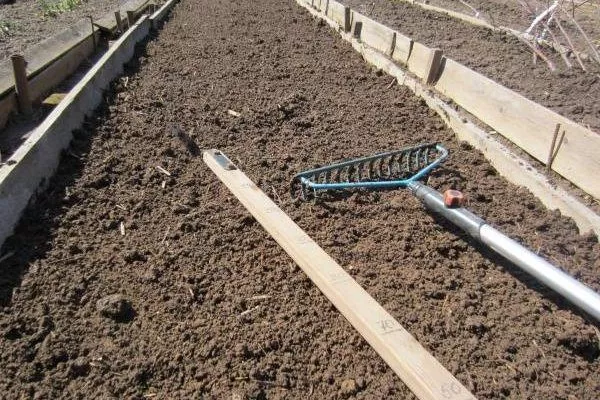
Prepare the soil in the selected area for planting Alpha onions in the fall:
- dig it up;
- add rotted manure and humus (consumption - 5 kg per 1 sq. m);
- enrich it with ash (onions like slightly alkaline soil).
With the arrival of spring, add additional mineral compounds to increase the fertility of the garden soil:
- ammonium nitrate - 10 g per 1 sq. m;
- superphosphate - 30 g per 1 sq. m;
- potassium salt - 20 g per 1 sq. m.
Sets also require pre-planting preparation. Take the following steps:
- warm the seed material for a week on a sunny windowsill (this method prevents the onion from bolting);
- inspect the bulbs and discard any damaged or spoiled specimens;
- remove dry scales from the onion sets selected for planting, carefully cut off the dried ends;
- soak the onion in warm water with a growth stimulant added to it, leave it in it for 12 hours (this measure will help it germinate faster);
- Place the seed onions for 20 minutes in a pale pink solution of potassium permanganate or in water with the addition of an antifungal drug such as Fitosporin-M, Planriz, Gamair;
- Dry the onions before planting.
Soil requirements
The vegetable grows well in soils with the following characteristics:
- neutral or slightly alkaline (if the soil in the area is acidic, add dolomite flour);
- loose;
- fertile, fertilized with organic matter;
- loamy soils, peat bogs, chernozems (lighten and structure heavy clay soil by adding sand or non-acidic peat).
Timing, scheme and rules of planting
Plant Alpha onion sets at the following times:
- in the last days of April or at the beginning of May - for the central and northern regions;
- at the end of March or in the first week of April - for the south of the country;
- at the end of September or in October, a few weeks before the frost hits - for warm regions (winter sowing).
The soil should warm up to 10°C when spring planting of this pungent vegetable. The optimal air temperature for growing onions is between 12°C and 26°C.
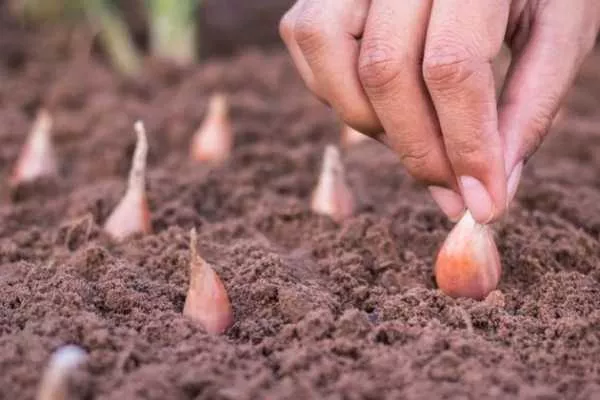
Plant the Alpha onion sets according to the following scheme:
- the distance between the bulbs is 10 cm;
- row spacing - 20-30 cm;
- planting depth: 3-5 cm (if you plant onions in the fall, increase the depth of the planting hole to 6-10 cm to prevent freezing of the crops).
Water the furrows (or holes) thoroughly. When planting the bulbs, place them bottom-down in the bed. Cover them with dry soil.
Features of cultivation
To get a rich harvest of large and tasty Alpha turnips, follow crop rotation rules in your garden:
- grow onions where there were previously beds with potatoes, zucchini, tomatoes, cabbage, beans, and pumpkin;
- do not plant the crop in the same place for 2 years in a row;
- do not plant an onion bed in a place where you plant carrots, garlic, cucumbers, or beets;
- The pungent vegetable grows well after green manure plants such as cereals, mustard, and radish.
Experienced gardeners plant carrots next to their onion beds. The rich aroma of carrot tops repels pests that bother the pungent vegetable. Onions, in turn, protect the carrots from attacking insects.
Care nuances
To obtain a bountiful harvest of large, juicy onions, follow proper cultivation practices. With proper care, the plants will develop properly and be protected from diseases and insects.
Watering mode
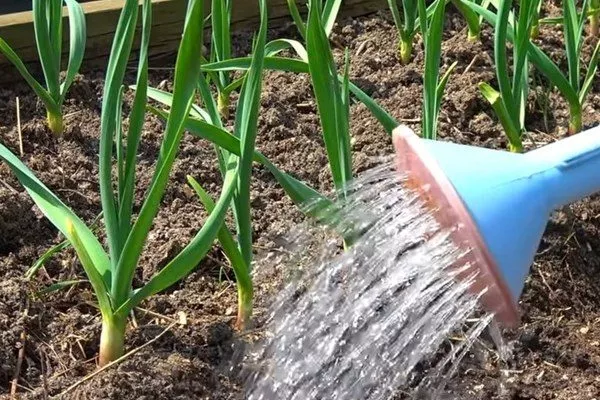
Onions are quite moisture-loving, but they don't tolerate overwatered soil. Overwatering can cause their bulbs to rot. Water the onion bed according to these guidelines:
- Irrigate once every 10-14 days until mid-July;
- adhere to the water consumption rate - 3 liters per 1 sq. m;
- in dry weather, water the beds more often - 1-2 times a week;
- Starting from the second half of summer, do not water the plants even in extreme heat (otherwise the turnips will begin to spoil during storage).
Loosening and weeding
Regularly loosen the bed after watering. This has positive effects:
- improves oxygen access to onion roots;
- prevents intensive evaporation of moisture.
While loosening the soil, remove weeds to prevent them from choking vegetable growth by robbing it of nutrients and moisture. Weeds actively breed fungi, viruses, and pests. Destroy them to prevent onion planting from becoming diseased.
Top dressing
Fertilize the Alpha vegetable variety several times per season. 10-15 days after emergence, apply one of the following:
- solution of bird droppings or mullein;
- Agricola-2 for onions and garlic or Agricola Vegeta;
- ammonium nitrate;
- urea.
During the growing season, add wood ash periodically, either dry or as an ash infusion. It will provide the plants with potassium and phosphorus, helping them develop large, tasty turnips.
Pest and disease control
This variety is resistant to many onion diseases and pests, allowing gardeners to harvest onions virtually without the use of chemical plant protection products (insecticides, fungicides). However, improper cultivation practices can lead to plant diseases.
In unfavorable growing conditions, the Alpha onion is susceptible to infections and parasites:
- downy mildew;
- onion fly.
To prevent onion diseases, treat onion sets with a potassium permanganate solution and fungicides before planting. This treatment is effective from the germination stage until the bulbs begin to form. If fungal infections cannot be avoided, use Ridomil Gold, Acrobat, or Kurzat.
To protect your plantings from onion flies, take the following measures:
- grow carrots next to it;
- sprinkle plants with powdered wood ash;
- spray them with wormwood infusion.
Harvesting and storage
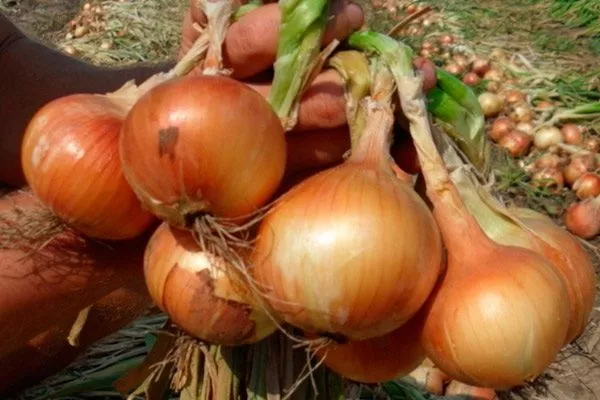
To ensure maximum shelf life of the Alpha variety, properly harvest and prepare it for storage in vegetable storage, and follow the rules for storing onions in winter.
How and when to collect?
Harvest onions in late August or early September. Use the plants' appearance as a guide to determine the right time to dig up the bulbs. Signs of ripe onions include:
- the feather turned yellow and fell to the ground;
- the outer scales have acquired a color indicating their ripeness - light golden;
- the neck of the bulbs became soft.
After harvesting, carry out the following activities:
- Place the turnips in the sun and leave them for 10 days to ripen and dry;
- then cut off the tops;
- place the bulbs in boxes;
- Dry them for another 20 days.
Storage features and shelf life of the variety
Store dried bulbs in a room that meets the following requirements:
- dry;
- dark;
- with a temperature regime of +1-3°C (if the temperature is higher, the onion will begin to sprout).
The variety is characterized by high shelf life without loss of beneficial properties and marketable appearance of turnips, but only if the storage rules are followed.
Difficulties in growing
Experienced gardeners identify 5 main problems when growing Alpha onions:
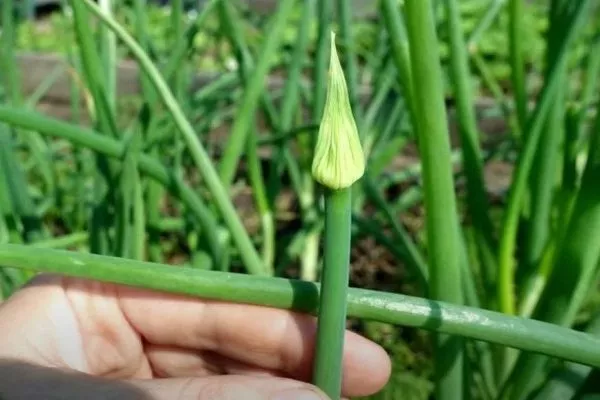
- ShootingAlthough this variety isn't prone to this problem, sowing it too early in the spring can trigger it. To prevent onion sets from bolting in the garden, store them at a temperature of 1-2°C. This will harden the seeds and allow them to withstand temperature fluctuations after planting in the garden soil.
- Formation of small turnipsThe problem stems from growing onions in the same spot for several years in a row. Clayey soil, an abundance of weeds, a lack of moisture, and dense planting lead to this problem.
To get large bulbs, you should plant the crop in a warm, sunny area, apply fertilizer, weed regularly, follow a watering schedule, and thin out the plantings. - Bulbs not ripeningThis is caused by an excess of nitrogen in the soil. Applying potassium-rich fertilizers will help solve the problem.
- Yellowing of onion leavesThis occurs due to weed overgrowth, dense planting, improper watering, and onion fly attacks. To prevent this problem, eliminate weeds promptly, thin out the plantings, and maintain a proper watering schedule.
Be sure to remove and destroy any pest-infested plants. Water the bed with a weak solution of potassium permanganate. Repeat this procedure at least three times, leaving 5-7 days between treatments. - Onion rotThis is how a fungal infection manifests itself. Its development is facilitated by temperature fluctuations, heavy rainfall, and overwatering. Reducing watering and adding fertilizer rich in potassium and phosphorus will help solve the problem.
Tips from experienced gardeners
Follow the recommendations of experienced vegetable growers to get large and juicy Alpha turnips:
- Choose sets with a diameter of 1.5–2.5 cm for planting.Choose firm, dry bulbs without blemishes or cracks. They should not be sprouted or bare.
- Trim the onion sets before planting them in the ground.Remove only the dry tip at the very top and the dried portion of the base. Avoid damaging the living (wet) tissue of the onion sets. These onions will become very diseased and will not produce a good harvest.
- Harden off the planting materialTo do this, soak the onion sets in hot water (40–50°C), then plunge them into cold water a few minutes later. This will prevent the onion from bolting.
- Sow the area for onion planting with green manure (white mustard, oilseed radish) in October. The plants will germinate before winter and enrich the garden soil with nutrients beneficial for vegetable crops.
- Loosen the soil 4-7 times per seasonIf you neglect this procedure, the bulbs will grow small.
- Do not pick off the green leaves when growing turnip varieties.For spicy greens, plant the plants separately.
- If you can't avoid bolting, break out the arrows.Do this so as not to create voids in the onions. If moisture gets into them, the onions will begin to rot.
Reviews
Alpha is an early variety with large, juicy onion bulbs. Its harvest is valued not only for its excellent presentation but also for its shelf life and transportability. The plants are resistant to diseases and pests and are not prone to bolting. The yield is high.