
Potatoes are the most popular vegetable. Every gardener plants them to produce a tasty root vegetable that can be eaten all winter long. Potatoes are sensitive to temperature and sometimes freeze, both in the garden and during storage.
Reasons why potatoes freeze in the garden and during storage
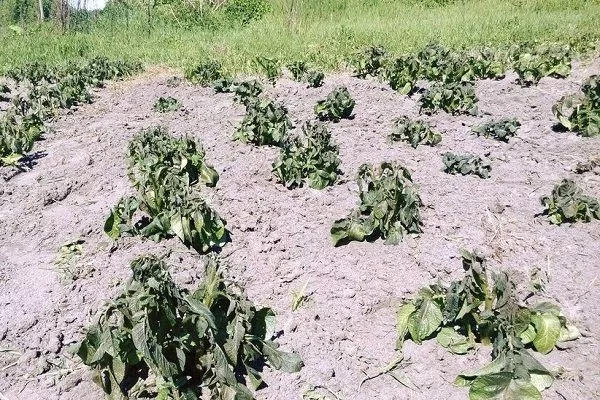
Potatoes can freeze in the garden or during storage. This problem doesn't arise without a reason. What causes freezing in garden beds?
- Low soil temperature. Potatoes begin to freeze when they are in the ground for about 5 hours at a temperature of -1-7°C and below.
- Failure to comply with planting deadlines. The best time to plant is when the bird cherry has finished blooming and the birch leaves have reached medium size. At this point, the soil warms up to 5°C (41°F) at a depth of 10 cm.
- The soil is not cultivated correctly. Even if unexpected spring frosts occur, there's a chance the vegetables will remain undamaged (if the soil in the bed is loose). This structure freezes more slowly, meaning the tubers are better protected.
Potatoes can freeze during storage. There are several reasons why:
- The temperature was selected incorrectly. Not all cellars are suitable for storing potatoes. The optimal temperature for this vegetable is 3-6 degrees Celsius. To keep the harvest fresh and edible longer, it should be stored in a dark place.
- Air humidity. The indicator should vary from 85 to 93%.
- Air ventilation. Ventilation helps regulate temperature and humidity levels.
How to prevent freezing in open beds?
The weather in our country is unstable, and frost can strike even in June, after the potatoes have been planted. There are several ways to protect the tops and prevent the vegetables from freezing.
Bottle insulation
Suitable if the area of the garden bed is small:
- Collect some plastic bottles.
- Fill them with water and close them well.
- Place the containers near the potato bushes.
The method works by heating the liquid in the bottles during daylight hours, and then releasing the retained heat to the seedlings as the temperature drops at night. The plants remain frost-free and easily tolerate temperature fluctuations.
Smoke screen
A complex and unsafe method for protecting potatoes. It's rarely used. Smoke, like fog, envelops the beds, preventing them from freezing.
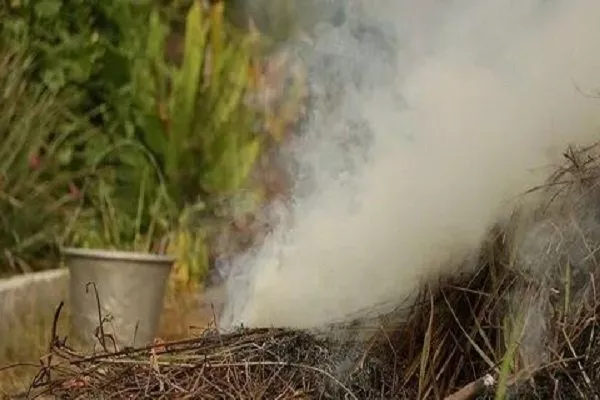
Algorithm of actions:
- To create a smoke screen, use firewood or straw.
- Mix with a special material that produces smoke.
- Build and light a fire on the windward side.
- Make sure that the flame does not rise higher than 50 cm throughout the night.
- Three hours after dawn, extinguish the fire completely.
The smoke must envelop the beds throughout the night, otherwise the procedure will be ineffective.
Mulching
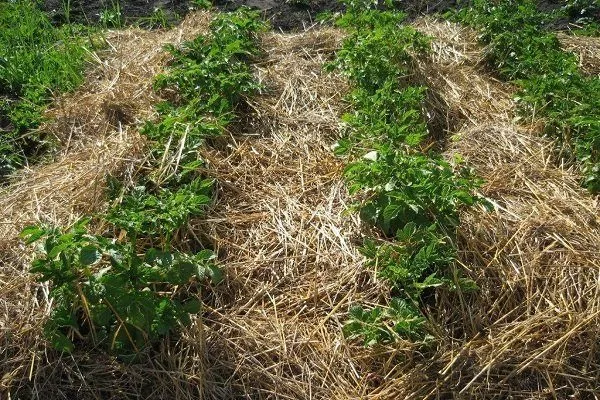
The key component of this method is a large amount of straw. How to construct the protection:
- Take dry stems and cover the potato bed with a thick layer.
- Don't remove the straw, it will rot and improve the soil composition.
This method is suitable for root vegetables grown from buds or seeds. Do not use this method for early varieties.
Hilling
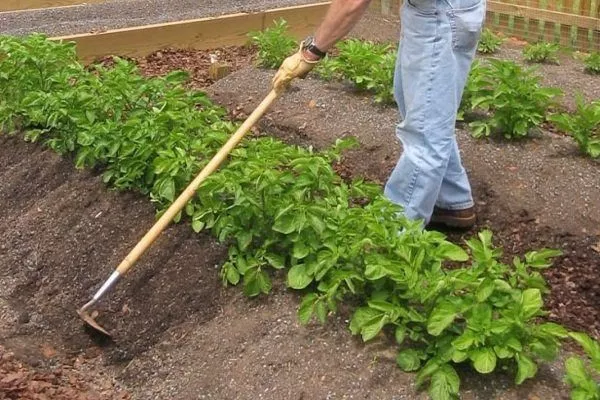
Frosts that come unexpectedly in spring are short-lived. Only the tops of the potatoes suffer from the sudden change in temperature. To protect and save the tops of the potatoes, hilling is used, which has its own advantages:
- If a sharp drop in temperature is expected, then hilling is done in such a way that only the tips of the potato bush leaves are visible above the ground.
- Large plantings are more difficult to protect. For hilling large areas, it's best to use a hedgehog cultivator, which will also help remove weeds.
- If low temperatures persist for several days, hilling should be done every two to three days, as the tops grow rapidly. This approach will not only protect the vegetable but also stimulate active root development.
- This method is not suitable for protecting potatoes grown from seeds and eyes. Such vegetables are weak and cannot break through the soil after hilling.
Improving sustainability
Long-time growers of this popular root vegetable treat the tubers before planting. They use a special preparation that boosts the plant's immunity and frost resistance. A single application of this product ensures that the potato is immune to short-term frosts.
Products sold in specialized stores are harmless to vegetables and the environment. For protection, we recommend purchasing one of the following products:
- Epin-Extra;
- Poteytin;
- SILK;
- Bioglobin;
- Biostim.
You can purchase other products, but make sure they contain potassium and phosphorus. These micronutrients help increase the tubers' frost resistance.
Moisturizing
The easiest and fastest way to protect potatoes from freezing is to thoroughly water the entire soil and potato plants with a hose the day before the frost.
When temperatures drop, moisture from the soil and leaves begins to evaporate rapidly, forming a fog that protects the vegetables and the ground from freezing. The fog blocks the passage of cold air.
Shelter
The technique is suitable for everyone potato varieties, but is most often used for early varieties. Old dry newspapers, burlap, or agricultural film can be used as covering material.
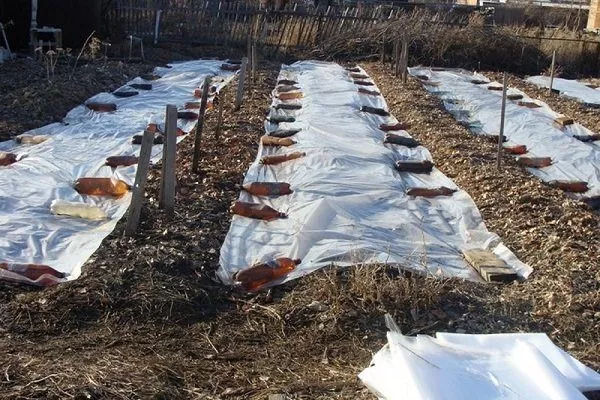
The fabric should be positioned above the tops and not touch the leaves. You'll need poles or tubes to support the covering material.
How to cover potatoes:
- Take all the necessary components: covering fabric and sticks.
- Stick sticks that are taller than the bushes into the ground all over the garden bed.
- Place the material on top.
- Press the edges down to the ground with stones.
Work carefully; the sheet of material should not touch the tops of the plants, otherwise they will freeze. To prevent the bushes from wilting during the day, remove the material during the day.
You can do without poles. For protection, plant barley at the same time as the potatoes. It's taller than the potato and can serve as support for the fabric. Once the risk of frost has passed and the warm weather has settled in, the barley can be mown down and left to rot in the beds.
How to protect crops from freezing during storage?
Dug-up potatoes are often stored on the balcony or in the garage, which can lead to frostbite. To protect the crop from freezing, maintain a temperature of between 3 and 6 degrees Celsius.
How to create comfortable conditions for potatoes:
- Insulate the cellar. Use polystyrene foam or expanded clay. These materials provide good thermal insulation and are easy to install.
- Install special boxes made of foam core in garages and balconies. Place the harvested vegetables in the containers and cover them with warm old clothes.
These methods work if the average daily temperature remains around -5°C. In regions with colder winters, tubers can be protected using electrically heated boxes.
What should I do if the potato tops freeze after planting?
The tops of the plants play a vital role in the development of the vegetable. The leaves have special channels through which moisture evaporates. Low temperatures paralyze this process. As temperatures rise, moisture evaporates twice as fast, ultimately killing the plant from dehydration.
If the tops of the potatoes cannot be saved and all the potatoes have frozen, carefully inspect the plants. If there is frost or ice particles on the leaves, do not wash them off with water, as this will sharply increase the plant's temperature and cause damage to the cells in the tops.
Trim off any affected leaves using clean scissors. Then begin treating the bushes. The fertilizer should contain the following micronutrients:
- Nitrogen. It helps restore the tops and increase disease resistance. Fertilize the vegetable once or twice immediately after the temperature rises. Nitrogen can be used in any form, but bird droppings or nettle infusion are best.
- Potassium. This component is only needed if frosts hit the tops during flowering.
- Phosphorus. Apply fertilizer 7 days after the last frost. Use "Folirus." It will help the foliage recover. Applying the fertilizer immediately after the last frost can worsen the situation.
To save the bushes, use urea - the most effective fertilizer To restore the tops, dissolve 25 g of urea in 10 liters of water and add the complex fertilizer "Nutrivant-Plus." At the same time, spray the tops with "Epin-Extra" once a week according to the package instructions.
The video explains how to restore a plant:
Is it possible to plant frozen tubers?
Frozen potato tubers can only be used as seedlings if new sprouts have begun to appear. Spray the tubers with warm water or a weak solution of potassium permanganate. Once the eyes begin to swell, the roots are ready to plant.
Does the taste of frozen potatoes change?
Frozen potatoes change their flavor because they contain a high amount of starch. When exposed to low temperatures, approximately 20% of the starch breaks down into sucrose. As a result, the potatoes become sweet.
It's possible to remove the sweetness from potatoes. The process of breaking down starch into sugar is reversible. Place the tubers in a warm place. Over time, the vegetable will acquire a neutral flavor. Most of the polysaccharides will be recovered from sucrose.
Store fruits that have recovered in warm water at a temperature of +2-+5°C. Lower temperatures will cause further freezing, while warmer temperatures will cause premature sprouting and the vegetables will begin to wilt.
How to defrost potatoes properly?
If the potatoes have frozen during storage, defrosting should be done according to the following algorithm:
- Take the number of tubers that will be used immediately.
- Place the potatoes in water at about 60ºC.
- Once the skin begins to thaw, try peeling the vegetable. A healthy fruit will peel easily.
- Peel the potatoes and add them to the dish you are currently cooking.
Potatoes are a beloved vegetable. Everyone grows them in their own garden. However, improper storage temperatures and weather conditions can cause the roots to freeze. They can be eaten or used as seed, but they need to be revived first.