
Many gardeners want to get new potatoes in the summer as quickly as possible, so they prefer to plant early varieties of this crop in their gardens. The variety of these varieties can be confusing even for the most experienced gardeners, so it's worth understanding the differences between them and which variety will produce a truly good harvest.
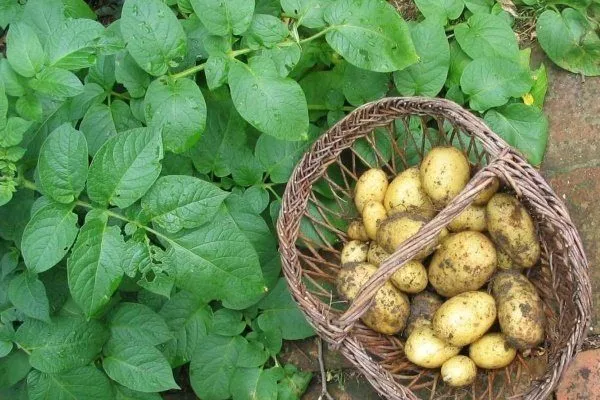
Classification of early varieties
Today, there are over 4,000 potato varieties developed by breeders. To simplify the selection of a crop for planting, they are classified according to several parameters. One of the most important is maturity period. This period is the time it takes for the first shoots to mature into a full-fledged harvest.
According to the ripening period, potatoes are divided into several types:
- ultra-early (super-early) – from 35 to 50 days;
- early maturing – from 50 to 65 days;
- mid-early – from 65 to 80 days;
- mid-season – from 80 to 95 days;
- mid-late – from 95 to 110 days;
- late – from 110-120 days or more.
Comparative table of ripening periods
| Variety type | Ripening period (days) | Optimum soil temperature at planting (°C) | Recommended regions |
|---|---|---|---|
| Ultra-early | 35-50 | 8-10 | Southern, steppe |
| Early maturing | 50-65 | 6-8 | Central, North-West |
| Mid-early | 65-80 | 5-7 | All regions |
Early varieties include the first three types: ultra-early, early-ripening, and mid-early. These potatoes are ideal for growing in southern and steppe regions. They bear fruit before the first summer heat.
The best ultra-early varieties
These are plants with the shortest growing season. They are planted by the end of April or early May, when soil temperatures reach 8-10 degrees Celsius. Ultra-early potatoes are distinguished by their rich nutritional content, flavor, and marketability. Several varieties are classified as such.
Timo
This early-ripening table potato can be grown in all regions of Russia. It has high resistance to potato wart and other dangerous diseases. Yields are quite high – from 350 to 600 centners per hectare. The tubers are medium-sized, round, and have light skin. They have a long shelf life.
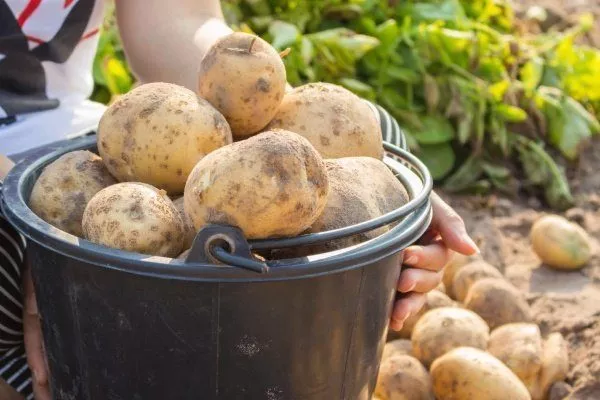
Riviera
This Dutch-bred table variety boasts increased resistance to viral diseases, nematodes, and foliar blight, as well as moderate resistance to leaf curl and pulp blight.
The plant has a high yield – 400 centners per hectare. Typically, 12 tubers grow in a single cluster. Under favorable conditions, the harvest can be collected twice, especially when grown in southern regions. The plant grows vigorously early in its development, even under plastic.
These potatoes are characterized by excellent flavor, an oval shape, and large size. Their skin is yellow with a slight roughness, and the flesh is light yellow, darkening slightly after cooking. They have a low dry matter concentration of 17.7%.
Lapis lazuli
This Belarusian variety is resistant to nematodes. One hundred square meters can yield up to 259 centners of yield. The tubers have yellow skin and white flesh. They have a low starch content—from 13 to 15.7%. The plant reaches full maturity in 55 days, but you can begin harvesting the tubers as early as the 45th day.
Ariel
This is a table variety. The plant is resistant to viruses, nematodes, and leaf curl. However, it should be noted that this variety has moderate resistance to common scab and tuber blight, and weak resistance to foliar blight. The plant can produce up to two harvests.
The tubers' flesh and skin are light yellow, remaining vibrant even after cooking. The potatoes are oval-shaped and have a long shelf life. They have a low dry matter content of 18.7%.
Veneta
This is a German, early-ripening variety. It has a robust immune system and high resistance to many diseases. It produces a stable yield of up to 400 centners per hectare. The plant's bushes grow upright, spreading, and low-growing. During flowering, they are covered with snow-white crowns. A single bush can yield 15 tubers, which have good marketability and long shelf life. The potatoes are medium-sized, oval-round in shape. The skin is yellow with a reticulated texture. The flesh is slightly scaly.
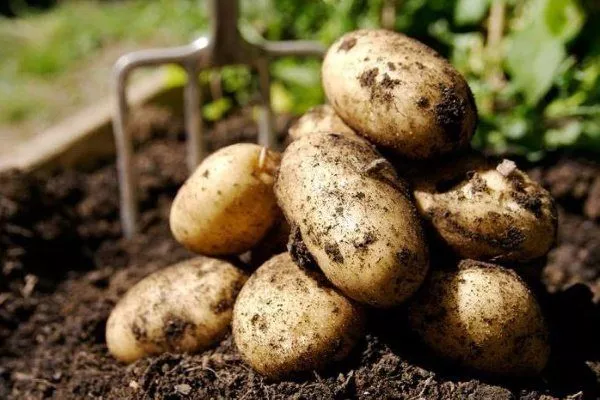
Impala
This table variety is often grown in southern regions because it thrives in virtually any climate, including drought and abundant rainfall. Because it ripens quickly and utilizes spring moisture reserves, it produces a good harvest—10-12 tubers can be harvested from a single tall bush. Overall, 180-360 centners of yield can be obtained per hectare.
Mature tubers are oval to elongated-oval in shape, weighing 88-150 g, and have light yellow flesh that does not darken after cooking. Starch content is 10.5-14.6%, and dry matter is 17.7%. They exhibit high disease resistance and moderate resistance to viruses.
The best early ripening varieties
They are distinguished by increased resistance to fungal and other diseases. They are prepared for planting in early April, a month before planting outdoors. Thus, the tubers with sprouts are planted in the soil in early May. As for disadvantages, they have a low to medium starch content, so the potatoes remain firm during cooking. The most popular varieties in this category are listed below.
Zhukovsky early
This variety, developed by domestic breeders, matures in 60 days and produces an excellent yield—400 to 600 centners per hectare—and can grow in a variety of soils and climate zones. This potato has the following characteristics:
- oval shape;
- large sizes – from 100 to 150 g;
- starch content – 15%;
- smooth surface, pink or beige skin and white flesh that does not darken when cut and does not boil soft when cooked;
- excellent commercial and taste qualities (perfect for making chips);
- resistance to cancer, golden nematode, common scab, rhizoctonia and other diseases;
- tolerates drought and low temperatures well;
- in conditions of moderate temperature and humidity it can last until mid-spring.
Planting calendar for early ripening varieties
- Tuber preparation (sprouting): beginning of April.
- Planting in open ground: first ten days of May.
- First hilling: seedling phase 10-15 cm.
- Harvesting: July-early August.
Potatoes can be planted even in early April, but to protect them from frost, it's best to cover the seedlings with agrofibre, which also helps maintain normal soil temperature. This should be removed after the threat of frost and a drop in air temperature.
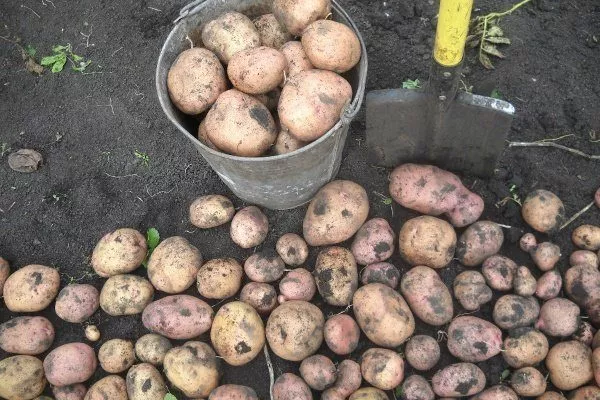
Izora
This is a productive table variety. It ripens in 55-65 days. The bushes grow to a medium height, with weakly dissected leaves. The corollas appear moderately and are white. The plant is distinguished by a thick stem, which is colored with anthocyanin along its entire length.
This variety produces white, round tubers covered with medium-depth eyes. The flesh is white. Starch levels range from 9.8 to 12.1%, and protein levels range from 1.5 to 1.7%. The tubers have a long shelf life and are highly resistant to canker, but less so to viral diseases. They are most often affected by late blight and rhizoctonia.
Antonina
Frequently grown in the West Siberian region, this potato is a table variety bred domestically. The tubers weigh between 104 and 153 grams, are oval-shaped, with light yellow flesh and a slightly rough skin. The yield is average – from 210-300 to 426 centners per hectare. A single plant produces 6 to 10 tubers. The starch content is relatively high – from 15.9 to 19.4%. The potato has a long shelf life.
Strongman
Ideal for planting in the Central Russian region. The bushes grow to medium height, semi-spreading, and stem-like. The plant's leaves are light green, medium-sized, and moderately dissected.
This variety produces smooth, oval tubers weighing up to 130 g, covered in light beige skin with predominantly small eyes. The flesh is creamy in color, and the starch content is up to 11.2%. Approximately 276 centners of yield can be harvested from one hectare, with one bush yielding 7-8 tubers. It has a high shelf life of approximately 97%.
Anosta
This is a Dutch-bred table variety that produces commercial tubers. The bush is medium-tall, with moderate to abundant foliage. The stem is typically green, with anthocyanin tinting the base. The corolla is white.
The tubers are light yellow and round-oval in shape. They have small eyes. The flesh itself has a yellow tint. Each fruit weighs between 71 and 134 g, with a starch content of 12.7 to 15% and a protein content of 1.3 to 1.9%.
Among the disadvantages, one can note the high susceptibility of the tops to late blight (the tubers are more resistant). Furthermore, it has moderate resistance to common scab and viral diseases. It is practically immune to canker and nematodes.
Arrow
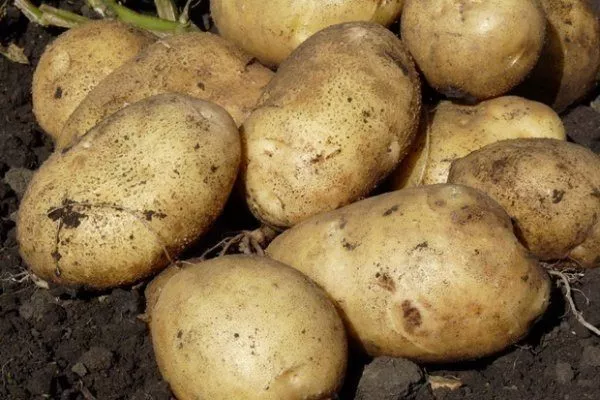
This is a high-yielding table variety. It has an excellent marketable appearance, does not darken after cooking, and does not overcook. The tubers are large and oval, with a yellow skin and white flesh. The dry matter content is 18%.
Tubers are rarely affected by late blight, common scab, and nematodes. The plant most often suffers from late blight of the tops and the Y-virus.
Kholmogorsky
This early-ripening table hybrid produces lilac flowers and red tubers. They weigh up to 90-120 g, are oval in shape, have smooth skin with shallow eyes, and light yellow flesh that doesn't darken when cooked or sliced. The yield is average – up to 392 centners per hectare.
The plant is resistant to canker, golden nematode, and severe viral diseases. It has moderate resistance to common scab and rhizoctonia. The foliage and tubers can be affected by late blight, so proper chemical treatment is required.
The best mid-early varieties
On average, an excellent harvest of mid-early potatoes can be obtained by the 70th day. These varieties are highly resistant to diseases, except late blight. They have excellent commercial qualities, making them suitable for commercial cultivation.
Gala
This table grape variety was developed by German breeders and is grown in many regions of Russia. It produces a high-quality harvest in virtually any soil and climate conditions, but proper agricultural practices are required.
Gala has the following characteristics:
- on average, the yield is 250 centners per 1 hectare, but it is possible to collect up to 420 centners;
- the bushes grow to medium length, the leaves are large, and the flowering is weak (the corollas are white);
- tuber weight – 80-130 g, shape – round, smooth;
- the skin is yellowish with shallow eyes, and the color of the flesh can vary from light yellow to dark yellow;
- the tubers are well suited for mechanical cleaning, they do not darken or boil over;
- low starch content – 11-13%, therefore it is often included in dietary rations;
- Commercial quality – up to 96%, so potatoes can be stored and transported for a long time.
The plant is well resistant to scab, but is often affected by late blight and rhizoctonia.
It is recommended to completely remove the tops 14 days before harvesting to extend the shelf life of the potatoes in good condition.
Red Scarlet
This is one of the most popular red-skinned table potatoes, often grown in the central and southern regions. It was developed by Dutch breeders. Its yield is also attractive: 400-660 centners of tubers can be harvested per hectare. On average, they weigh between 85 and 120 grams. They have an oblong shape, smooth, even skin, small eyes, and yellow flesh. They do not change color even when damaged or cooked.
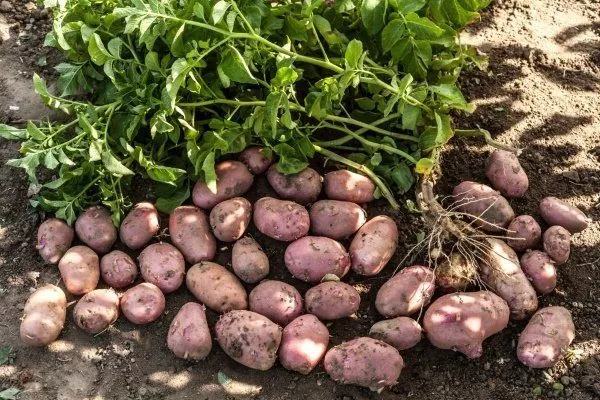
This potato variety exhibits resistance to many diseases. For example, it is resistant to canker, nematodes, late blight, and leaf curl. The plant also thrives in dry summers. A drawback is its slightly below-average resistance to viruses and common scab.
Detskoselsky
This is a productive table variety with a growing season of 110-115 days. The bush grows to a medium height with colored stems and abundant foliage. White corollas appear. Overall, the plant blooms profusely, but for a short time.
The tubers themselves are medium-sized, weighing between 85 and 120 g. They contain 12-18% starch and 1.7-2% protein. They have light pink, smooth skin and a flat, oval shape. The flesh is white, but with small eyes. The plant is cancer-resistant, but can be affected by late blight, common scab, and the S virus.
Amorosa
It is also a table variety, distinguished by its excellent taste and attractive presentation. It produces the best yield under optimal moisture conditions. Ripe tubers are oval, large, with red skin and yellow flesh. Their dry matter content is 19.5%.
The variety is resistant to Y virus, leaf curl, and tuber blight. It is typically affected by common scab, but foliar blight is more common.
Marthon
This variety produces beautiful, uniform tubers with medium-depth eyes, an oval shape, yellow skin, and light-yellow flesh that doesn't fall apart when cooked. The dry matter content is 18.7%. The tubers are resistant to mechanical damage and can be stored for a long time.
The plant thrives in high air and soil temperatures. It also exhibits resistance to viruses and tuber blight. Leaf curl and common scab pose a major threat, and nematodes are even more serious.
Romano
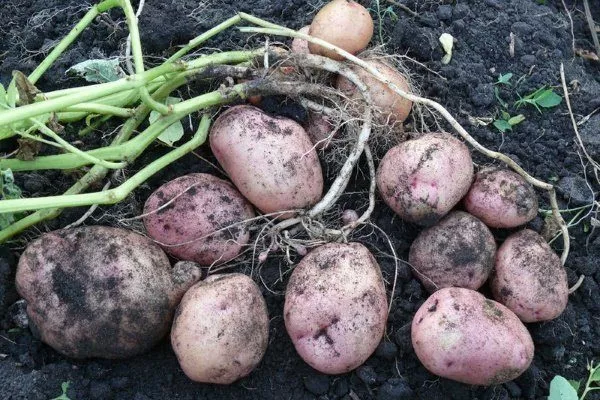
This variety was developed in the Netherlands. The bushes grow tall and leafy. The flowers are reddish-purple. The stem is straight and moderately colored with anthocyanin. The plant produces oval tubers weighing 120-180 g, with a starch content of 10.5-13.8% and a protein content of 1.75 to 2.1%. Their skin is pink, and the flesh is light cream.
The plant exhibits high resistance to canker and Y-virus, moderate resistance to leaf curl, and weak resistance to late blight. Additional treatment is essential for a good harvest.
Adretta
This table grape variety was brought to Russia from Germany. Its characteristics are as follows:
- average yield – 450 centners per 1 hectare;
- medium-sized bush with white corollas;
- the tubers are oval in shape and weigh 120-140 g;
- the peel is yellow and has rare small eyes;
- average starch level – 16%.
Fertilizer application rates for mid-early varieties
| Fertilizer type | Dose (per 100 square meters) | Deadlines for contributions |
|---|---|---|
| Nitrogen (ammonium nitrate) | 1.5-2 kg | When landing |
| Potassium (potassium sulfate) | 1-1.5 kg | Budding phase |
| Phosphorus (superphosphate) | 2-2.5 kg | In autumn/at planting |
The plant is resistant to low temperatures and rot, but can be affected by scab, late blight, black leg and rhizoctonia.
Like other mid-early varieties, Adretta should not be left in the soil for too long to prevent the tubers from rotting during heavy autumn rains.
A selection of popular early varieties
Breeders have developed a huge number of early varieties. Gardeners most often prefer to plant the following crops:
- BellarosaIt tolerates drought well and is suitable for growing in various soil types. The bushes grow tall, and the flowers are reddish-purple. The tubers are round, with pink skin and light yellow flesh. Yields are good – from 320 centners per hectare. It has high resistance to viral diseases.
- LuckThis variety attracts gardeners because it guarantees a 100% yield of marketable tubers when planted in well-warmed soil. The bushes are medium-height and bear white flowers. The yield is high – 430 centners per hectare, with 10-15 tubers per bush. The plant produces oval-shaped tubers weighing 100-150 grams, with a starch content of 11-15%. They have light yellow skin and white flesh.
- VisaIdeal for growing in the Northern and Volga-Vyatka regions. Yields are high – up to 500 centners per hectare. It produces oval-round tubers with smooth red skin, bright yellow or pink flesh, and a small number of medium-sized eyes. The potato has an average shelf life of 89%. It is excellent for side dishes and main courses.
- OdysseusSelected for planting in the Central and Central Black Earth regions. It produces oval-round tubers weighing 95-110 g, with yellow skin and flesh. A maximum of 300 centners can be harvested from 1 hectare. The variety has a high shelf life of 93%.
- White NightThis is a table variety that matures in 65-80 days. The bush is medium-height, with a straight stem, dissected leaves, and a white corolla. It blooms sparsely and for a short time. The tubers are white, round, with medium-depth eyes and creamy flesh. They weigh 129-215 g on average. Starch content ranges from 10.6 to 16.9%. The plant is susceptible to late blight and, less commonly, viral diseases, but is resistant to canker.
- KaratopThis is a high-yielding variety, yielding approximately 450 centners of tubers per hectare within 50-70 days of planting. They are light in weight (90-100 g), oval-round in shape, with yellow skin and small eyes and pale yellow flesh. After cooking, the tubers retain a pleasant, firm texture and a yellowish hue. The starch content is 14.4%. The plant is resistant to viruses and diseases, including nematodes and canker.
- NevskyThis is one of the most productive Russian varieties – with proper care, a single bush can yield 8-15 tubers, equivalent to 1.5 kg. The bushes grow to a medium height with abundant leaves and white flowers. The tubers are oval, weigh 90-130 g, have light yellow skin, and creamy flesh. They sprout early, so they should be stored at cool temperatures. The plant is highly disease-resistant and is more often attacked by viruses.
Farmers also often plant early potato varieties such as:
- RoccoIt produces red, oval-shaped potatoes with creamy flesh. One hectare can yield up to 400 centners of fruit. The plant itself is medium-sized and upright. Flowering is either absent or sparse. The flowers that do appear are reddish-purple.
- AuroraThis is a table variety that produces a good yield – on average, 300-400 centners can be harvested from one hectare, with one bush producing 20-40 tubers. These tubers weigh 90-130 grams, have light brown skin with red speckles, and creamy flesh. The plant is disease-resistant and is more often affected by viruses. The bushes grow tall to very tall, covered in red-violet flowers.
- SorcererThis mid-early variety from domestic breeders tolerates hot climates well. The tubers grow to a medium size—75-120 g. They are oval-shaped, with smooth yellow skin and white flesh. Yields are low—270 to 350 centners per hectare. The advantage of this variety is its excellent shelf life (95%). The plant exhibits moderate susceptibility to nematodes but is resistant to late blight.
- The Riddle of PeterThe most popular variety in the Northwest region of Russia. The tubers are distinguished by their distinctive elongated oval shape. The skin is pink, and the flesh is creamy pink. The potatoes have a slightly sweet flavor. The yield is small – from 180 to 300 centners per hectare.
- MaestroThis is a table variety with a low starch content—around 12%. The yield is modest—up to 155 centners per hectare. It produces small tubers with white flesh and light-brown skin.
- ColomboThis is an ultra-early variety. Developed in the Netherlands, it produces a good yield of 400 centners per hectare. The plant is medium-sized with white flowers. It produces large to medium-sized oval tubers. They have light yellow, smooth skin and yellow flesh that crumbles slightly when cooked. It can be stored for six months.
- TreasuresA Belarusian variety distinguished by its stable yield of 500 to 600 centners per hectare. The plant grows slowly and unevenly, but gradually gains strength and reaches a medium height. White flowers appear. It is resistant to scab, blackleg, and viruses, but does not tolerate drought well, and is even more susceptible to waterlogged soil early in development and late blight. The tubers have a dense, smooth skin and soft yellow flesh that is easy to boil.
- TuleyevskyDeveloped by Russian breeders, it produces a good yield of 420 centners per hectare. The bushes grow to medium height and are covered with abundant white flowers. The tubers ripen to a large size, have an oval shape, a mesh-like skin, and yellowish flesh with a medium starch content. The variety is virtually immune to viral diseases, scab, canker, late blight, and Alternaria.
- UladarThis Belarusian variety boasts excellent resistance to disease and mechanical damage. However, it can be affected by the Colorado potato beetle and requires strict adherence to agricultural practices. Yields are good – 500-600 centners per hectare. Each nest produces approximately 8-12 potatoes with smooth yellow skin and pale yellow flesh that cooks well. The plant itself grows to a medium height and is covered with purple-reddish flowers.
- BreezeThis Belarusian variety boasts high yields – approximately 600 centners per hectare. It tolerates mechanical damage and many diseases well, except for the golden nematode. The tubers grow quite large – up to 155 g. They are oval-shaped, with yellow skin and a slight reticulation. The flesh itself is yellow and practically doesn't overcook.
- ColetteThis variety originates from Germany. Harvesting begins 75 days after planting. One hectare yields approximately 550 centners of potatoes. They have an elongated shape, smooth yellow skin, and yellowish flesh that doesn't overcook easily and is ideal for making chips. The plant itself is medium-sized and covered in large red-purple flowers. It is highly resistant to nematodes.
- LauraA German variety distinguished by tall, spreading bushes with multicolored blooms. These can be used to replace various flowers, from white to light purple. The plant is easy to grow but does not tolerate drought well. The yield is average—300-400 centners per hectare, and up to 20 fruits can be harvested from a single cluster. The tubers are elongated-oval, with red skin and deep yellow flesh. They can be stored without loss for six months.
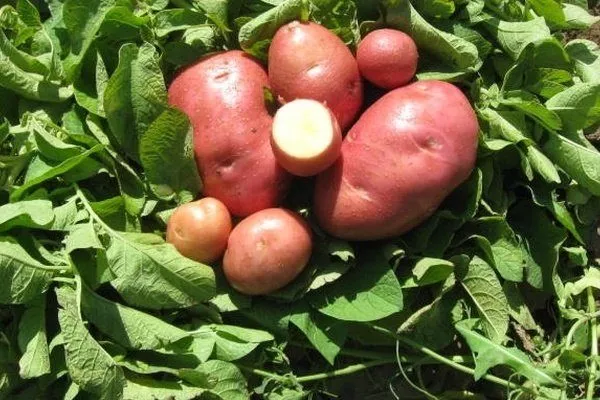
The best varieties for different geographic locations
The diversity of early varieties is astounding. To simplify your selection, consider which varieties are best suited for growing in certain regions.
The best varieties for central Russia:
- Friendly;
- Ural early;
- Luck;
- Sosnovsky;
- Belorussian;
- Slav;
- Vyatka.
For growing in the Moscow region, it's best to choose varieties that exhibit high disease resistance and are tolerant of weather conditions. These include:
- Spring;
- Zhukovsky;
- Timo;
- Nevsky;
- Lugovskoy.
If potatoes are grown in the Northwestern regions, they must be resilient to the local soil and climate conditions. Based on this criterion, the following varieties should be selected:
- Amorosa;
- Zhukovsky early;
- Impala;
- Karatop;
- Latona;
- Handsome 2;
- Fresco;
- Adretta;
- Christmas;
- Sante;
- Aurora;
- Romano.
So, early potato varieties come in a wide variety. They are further divided into ultra-early, early-ripening, and mid-early. To ensure a good harvest, experienced gardeners recommend planting several different varieties in the same plot. Early potatoes can be harvested for food when the tops are green, while the skin is still very thin.