
The Smile potato boasts a bountiful harvest, is easy to grow, has excellent flavor, and produces impressive tubers. It's drought-resistant and tolerates infrequent watering well, but requires moisture for optimal development. With consistent care, timely watering, and other measures, you'll achieve excellent results.
Characteristics of the appearance of the bush and root crops
Plants reach a height of up to 60 cm. Characteristic features of the culture:
- The stems are covered with medium-sized leaves with a smooth, glossy surface. The foliage is a rich green color.
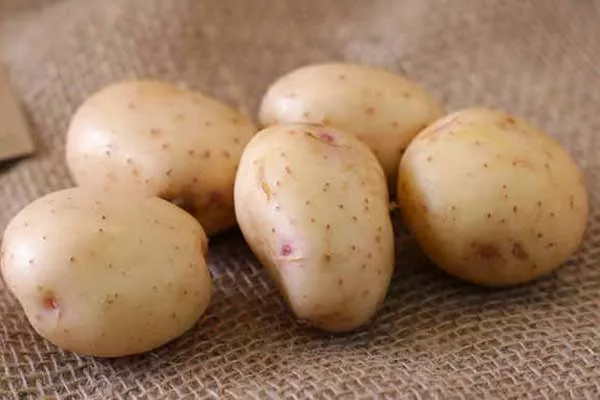
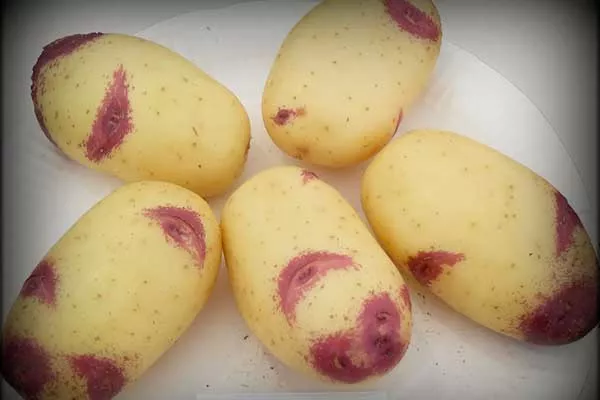
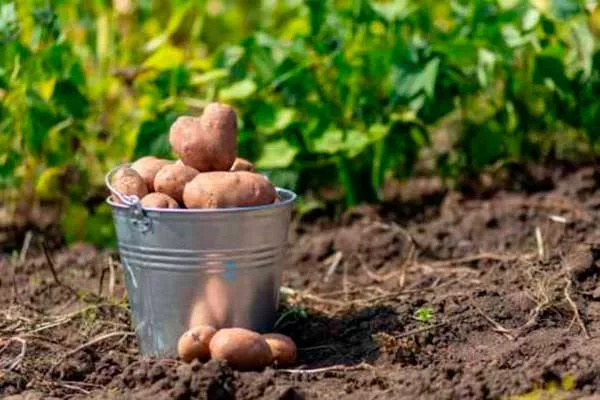
- The tubers have an oval configuration and reach large sizes – up to 180 g.
- The peel is colored light yellow.
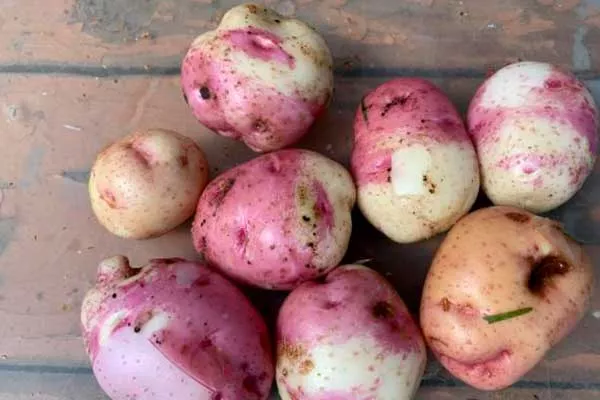
- Pink inclusions are present.
Purpose and taste of tubers
This variety is intended for edible consumption. Its tubers have an excellent commercial appearance: they are smooth and free of defects or damage. The potato's flavor has earned high praise: it is sweet and delicate, with a slight hint of bitterness.
Ripening and yield
This mid-late variety matures 110-120 days after emergence and is ready for harvest. With proper care, it can yield up to 550 centners per hectare.
Disease/pest resistance
This variety has a strong immune system, making it rarely susceptible to disease and pest attacks. If improperly cared for, it can be susceptible to late blight and blackleg.
Pros and cons of the variety
Before planting a crop in your garden, it's a good idea to research its positive and negative qualities. This will help you avoid any unpleasant consequences. Smile has many advantages:
Among the disadvantages, gardeners note low resistance to nematode damage.
Landing features
Before planting, it's important to ensure you use high-quality planting material. Adhering to optimal planting timing is crucial.
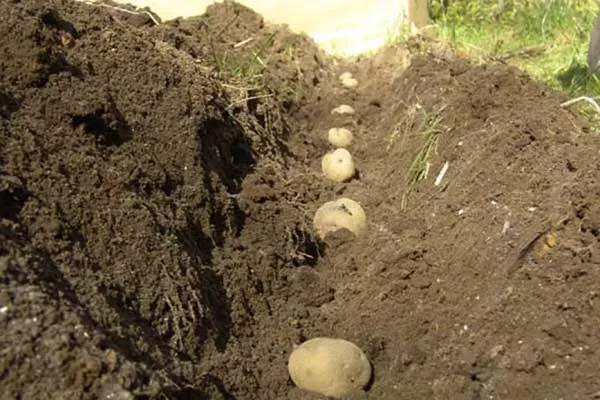
- ✓ The optimal planting depth of tubers for this variety should be at least 15 cm to protect against spring frosts.
- ✓ To prevent nematode damage, pre-planting treatment of tubers with special biological preparations is recommended.
Planting dates
Start planting potatoes in the spring, once the risk of frost has passed. This is typically in early to mid-May, when temperatures reach 15°C. Although the variety is cold-hardy, it's best to wait until warm weather stabilizes.
Site preparation
The Smile variety grows well in a variety of soil types, so soil characteristics aren't critical for its cultivation. Choose a sunny, well-ventilated location.
Begin preparing the soil in the fall. Dig the soil thoroughly, fertilizing it with well-rotted manure at a rate of 5 kg per square meter. Before planting, dig the soil again, adding mineral fertilizer.
Planting diagram
Sprouting potatoes and planting them correctly are crucial for a good harvest. Follow these recommendations:
- Select healthy, large tubers for sprouting. Avoid specimens with signs of disease or damage.
- Place the tubers in a cool, dark place at a temperature of about 10-15°C to germinate. This can take 2 to 4 weeks.
- When the sprouts appear about 2.5-5 cm long, they are ready for planting.
- The distance between rows is 70 cm.
- The distance between tubers in a row should be about 30-45 cm.
- Place the sprouted tubers at a depth of 10-15 cm in the soil with the sprouted side up.
Care
To ensure the crop thrives and produces bountiful harvests, ensure timely care and follow standard agricultural practices.
Watering
During the period of active bush growth and tuber formation, potatoes require regular and adequate watering, especially during periods of drought or heat. However, overwatering can lead to rot and other problems.
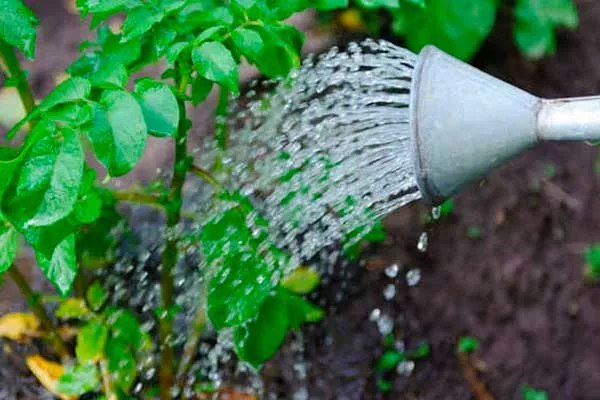
Water 1-2 times a week, depending on weather conditions and soil moisture. Adjust watering frequency as needed. Aim to moisten the soil to the depth of the root zone to ensure adequate moisture supply.
Loosening
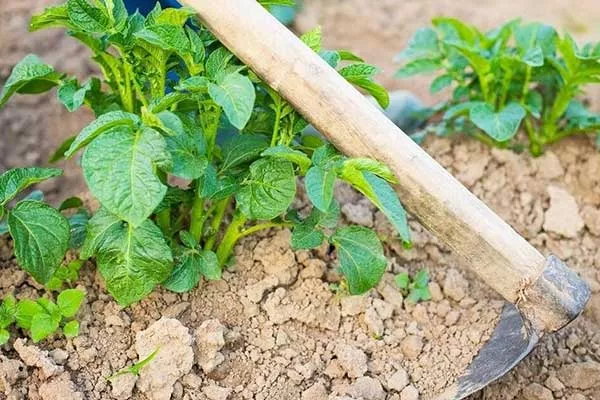
This procedure is important to ensure oxygen access to the potato roots and improve drainage. Loosen the soil after each watering or rain to prevent a crust from forming on the soil surface.
Mulching
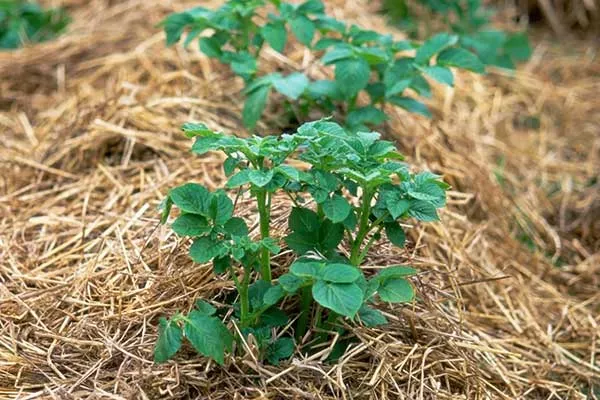
Mulch helps retain soil moisture, suppresses weed growth, and protects potato roots from overheating. Use organic materials such as straw, grass, or sawdust to create a mulch layer approximately 5-7 cm thick.
Hilling
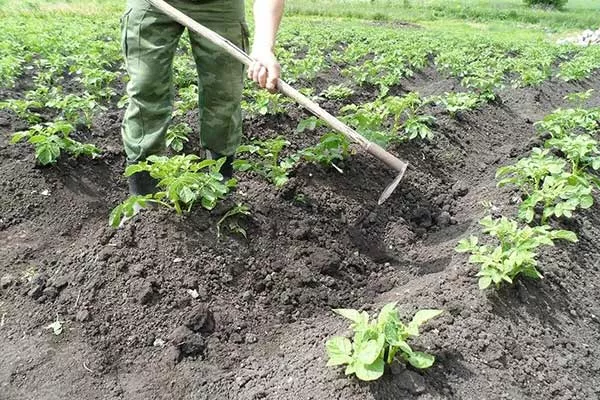
This procedure helps maintain the stability of potato plants and prevents the formation of green tubers. Hilling should be performed several times per season, starting when the plants reach a height of about 15-20 cm. Create a mound of soil around the stems to protect the tubers from sunlight.
Top dressing
Potatoes require nutrients for healthy growth and development. Before planting, apply a complete mineral fertilizer rich in potassium, phosphorus, and nitrogen to the soil. Then, you can feed the plants with organic fertilizers, such as humus or compost, mid-season.
Diseases and parasites
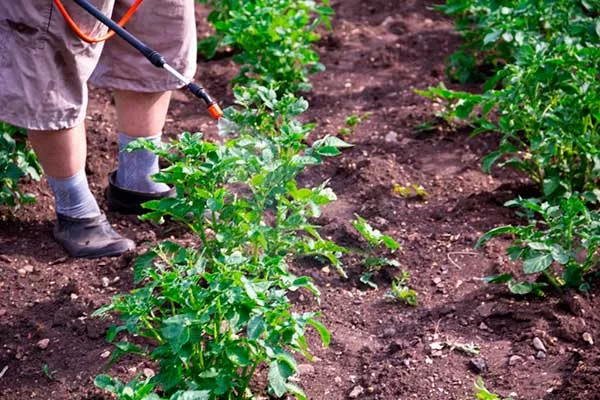
This variety has a high resistance to various diseases and insect pests. However, if not properly cared for, there is a risk of encountering certain problems that require immediate attention and resolution.
Late blight
Late blight on tubers is a fungal infection caused by overwatering, potassium and phosphorus deficiencies, and excess nitrogen. The disease causes brown spots on the tubers, leading to their rotting.
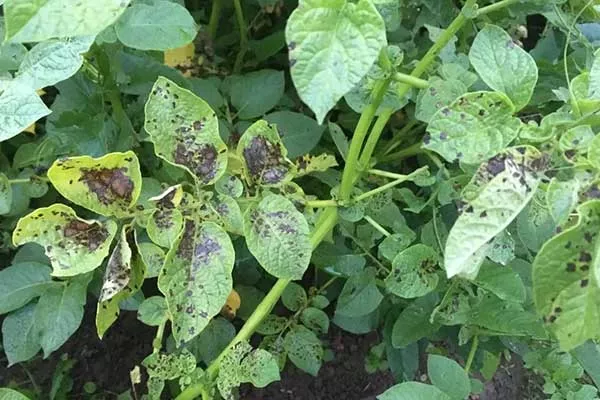
Avoid growing potatoes in the same area for several years in a row. Crop rotation helps reduce the risk of soil blight. If infected plants are found, remove them as soon as possible and destroy them to prevent the spread of the disease.
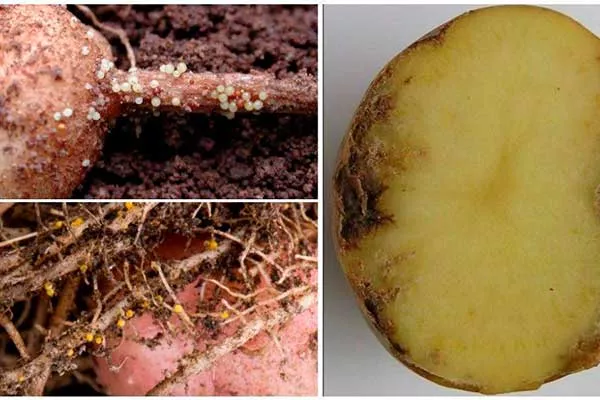
Nematode
A parasite that attacks both tubers and potato plants. When planting, add a handful of onion peels to the holes. Plant marigolds nearby, which have a negative effect on the pest and prevent it from damaging the crop. Treat affected plants with Malathion or Lindane.
Colorado beetle
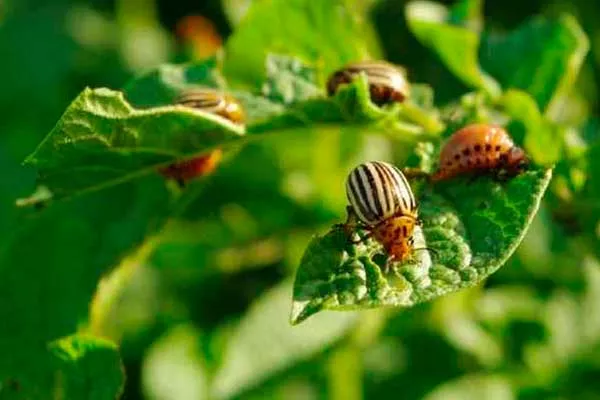
This is a dangerous pest that attacks both potato plants and tubers. To control this pest, collect them by hand and treat the plants with Intavir, Colorado, or Prestige. Soaking the beetles in kerosene is also effective.
Harvesting and storage
When it's time to harvest, mow down the tops. After two weeks, begin digging the soil. Use a shovel or pitchfork. Dry the tubers first and store them in a dark, dry, well-ventilated place.
Reviews
The Smile potato is an excellent choice for any gardener seeking a bountiful harvest of high-quality tubers. Its low maintenance, high productivity, and excellent flavor make it one of the best varieties for cultivation. It's important to provide the plants with proper care and remember to take important steps to improve quality.