
The Sarpo Mira potato is considered an old Hungarian variety. It is characterized by very abundant fruiting, resistance to blackleg and late blight, but average resistance to fungal and viral diseases. Despite this, it is grown not only in private plots but also in large-scale industrial production.
Who developed the variety and when?
The Sarpo Mira Potatoes variety was developed by botanist Sarvari, who requested specimens of Russian varieties from the northern capital of our country. These were mixed with Hungarian varieties to produce potatoes with maximum resistance to nightshade diseases. The breeding process began in the 1950s, but Sarpo Mira was only developed in the late 20th century.
Characteristics of Sarpo Mira potatoes
The variety's technical characteristics boast several unique features. The first is the viability of the roots and their ability to germinate during frosts, sudden cold snaps, and heavy rains. The second is that there's no need to treat the area for late blight—the tubers will be immune to infection.
Description of the plant and tubers
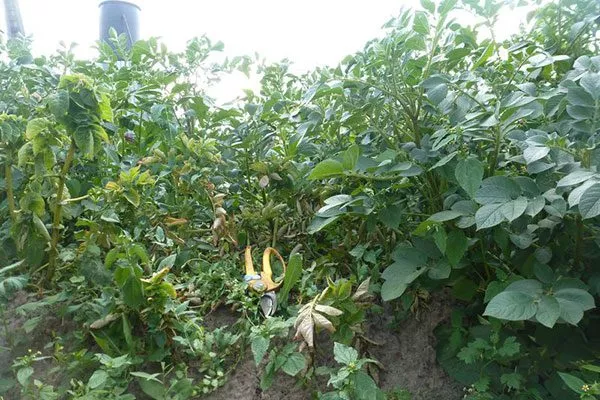
This variety is considered an elite table variety. The aboveground part grows so densely that it leaves no room for weeds. This reduces the need for frequent weeding. Other features:
- the height of the bush is 85-95 cm, and sometimes 100 cm;
- the color of the above-ground part is bright green;
- type of tops – erect;
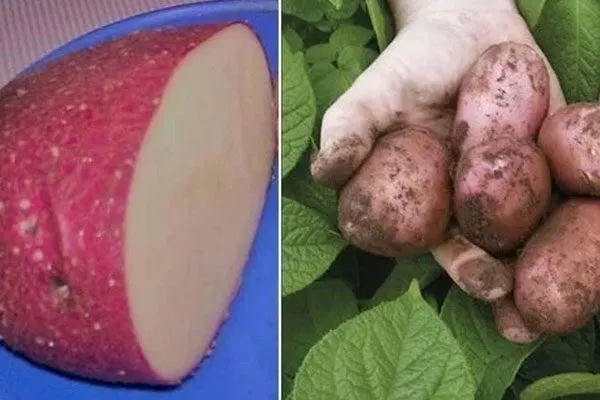
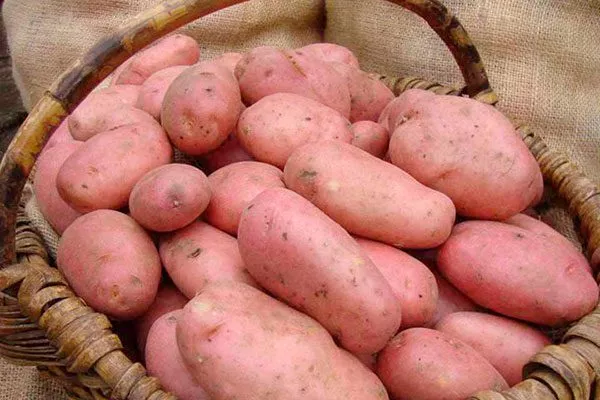
- weight of root vegetables – 75-150 g;
- the number of fruits under one bush is 7-11 units;
- eyes - small;
- skin tone - with a pink tint;
- pulp color – light;
- cut - not subject to blackening.
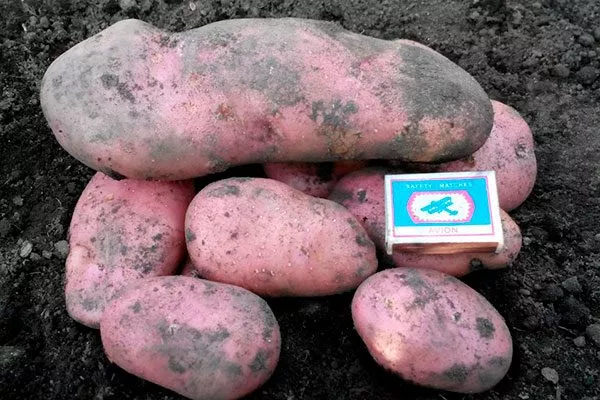
Taste characteristics and purpose
Sarpo Mira potatoes are classified as a table variety and belong to the CD culinary type. They are characterized by a high tendency to overcook, making them ideal for mashed potatoes. The flavor is considered delicate and pleasant.
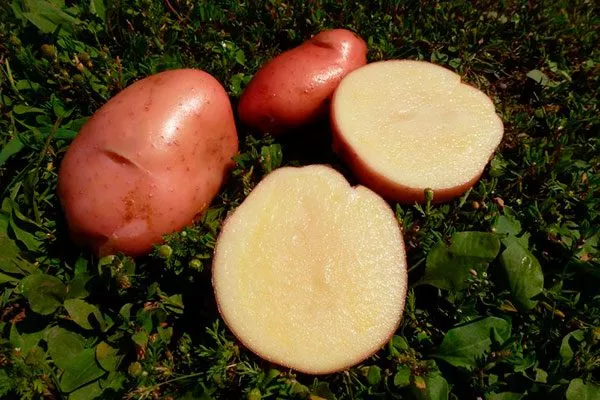
Ripening and yield
Considered a mid-late variety, the period from planting the roots to harvesting new tubers is approximately 90-110 days, but this period varies depending on climate conditions. This potato variety is highly productive: 6 to 11 tubers can be harvested from a single plant, and up to 360 centners per hectare.
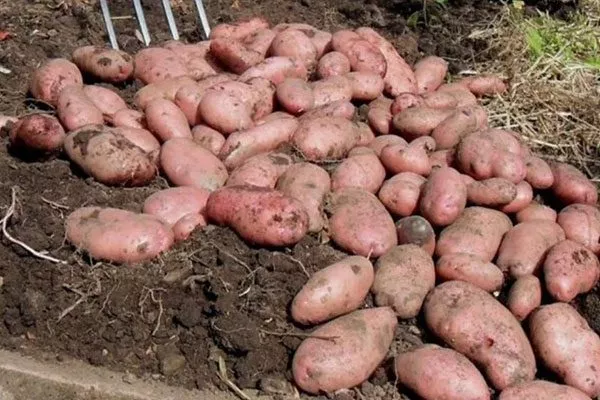
Growing regions
This potato is quite resistant to frost and any adverse weather conditions, so it can be planted in absolutely all regions of the country.
Advantages
This variety has been cultivated for several decades and enjoys well-deserved attention. It boasts numerous positive qualities, including the following:
Flaws
There are almost no negative qualities, but gardeners say that prolonged exposure to the ground contributes to the formation of voids in the pulp.
Features of planting
It is recommended to sprout Sarpo Mira potatoes before planting. The tubers should be moved to a warm location 25-35 days before planting. Before planting, the sprouted seedlings are treated with growth stimulants such as Bioglobin or Epin.
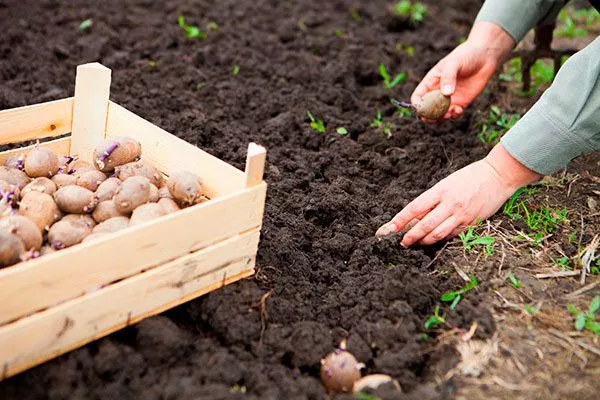
- ✓ Digging depth in autumn should be at least 20 cm to ensure optimal aeration and water permeability.
- ✓ The soil pH level should be between 5.5-6.5 to prevent the development of fungal diseases.
Key nuances:
- Prepare the plot in the fall. After harvesting, dig the beds to a depth of 6-10 cm, clear them of weeds, and fertilize them with manure.
- In the spring, just before planting, dig up the soil again.
- It is better to plant after May 20.
- Potatoes are planted in holes or trenches up to 8 cm deep.
- Throw a handful of dry manure into the bottom of each hole.
- The distance between tubers should be about 25-35 cm, and between beds – 50-70 cm.
Care
Sarpo Mira potatoes require standard care, including watering, fertilizing, hilling and loosening.
- Moderate but regular watering is necessary, preferably in the evening. Watering should be done several times during the growing season, depending on weather conditions and humidity levels.
- Fertilize twice per season with organic and mineral mixtures. The first feeding occurs when the shrub is growing, and the second during budding.
- After watering, hilling and loosening are recommended. These procedures improve oxygen and moisture access to the root shoots and help strengthen the plant's central root.
Diseases and pests
The Sarpo Mira potato variety is highly resistant to late blight. However, failure to follow planting guidelines and care can lead to the development of other diseases:
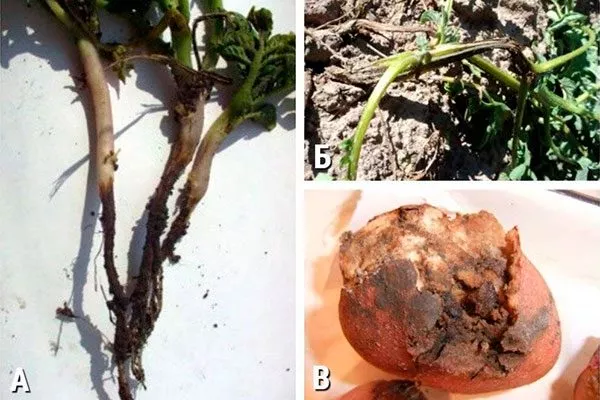
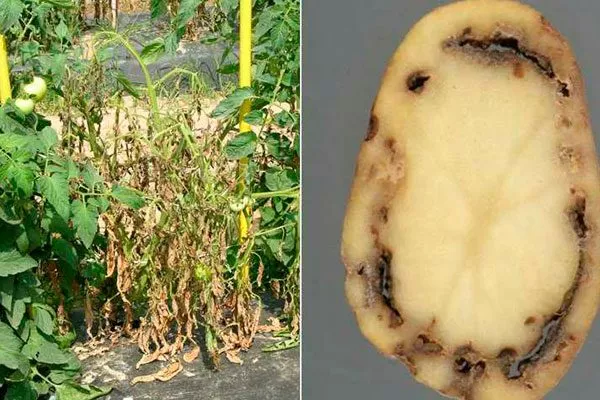
- Brown rot. This is one of the most dangerous diseases of the crop. It manifests itself as a dark brown discoloration of the foliage, curling, and wilting. The tubers become covered with brownish spots, which may ooze a white, slimy substance.

Treatment of affected root crops is impossible; chemicals such as Griffin or Rovral are used for prevention. - Blackleg. This is a common infection that affects both potato tubers and tops. The disease begins with yellowing and curling of the foliage, followed by blackening of the stems. Roots then rot. To prevent infection, it is recommended to treat the tubers with Integral or Maxim.
Harvesting and storage
Two weeks before harvest, mow down the tops and stop watering. Harvest in dry, sunny weather. After removing the tubers from the ground, sort them, separating healthy ones for storage and removing damaged or rotten ones. Before storage, dry the potatoes in the shade.
Storage features:
- Potatoes should be stored in a cool place at a temperature of up to 4 degrees.
- Storage is carried out in a basement or cellar, laying out the tubers on a litter.
- It is not recommended to store in closed containers (without ventilation holes) to avoid rotting.
Reviews
Sarpo Mira potatoes are characterized by excellent fertility and resistance to adverse conditions. When proper cultivation practices are followed, gardeners and farmers avoid diseases and avoid weeding, significantly simplifying the potato growing process. However, keep in mind that this variety is best suited for mashed potatoes rather than fried dishes.