
The Memphis potato is very popular among gardeners in our country. It boasts numerous characteristics, including high yields, large, high-quality tubers, and drought resistance. Proper care is essential when growing this crop to ensure robust plants and bountiful harvests.
History of appearance
Memphis was imported into our country from Holland, and since 2015 it has been officially registered in the State Register for use in the Central Region.
Description of the Memphis potato variety
The Memphis variety is a well-known representative of the Dutch collection and has always been renowned for its high qualities. It stands out for its exceptional resistance to various weather conditions and diseases. It demonstrates high productivity, even during periods of drought, making it a reliable source of harvest.
- ✓ High drought tolerance, making it ideal for regions with limited water supply.
- ✓ The ability to retain its shape when cooked, which distinguishes it from other varieties intended for puree.
Bush
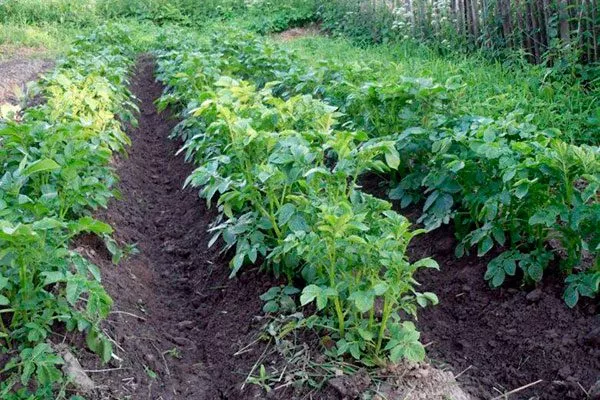
It features robust bushes with lodging-resistant stems. Plants grow to medium to tall heights. Flowering is moderate. The leaves are large and have wavy edges. The foliage is green.
Tubers
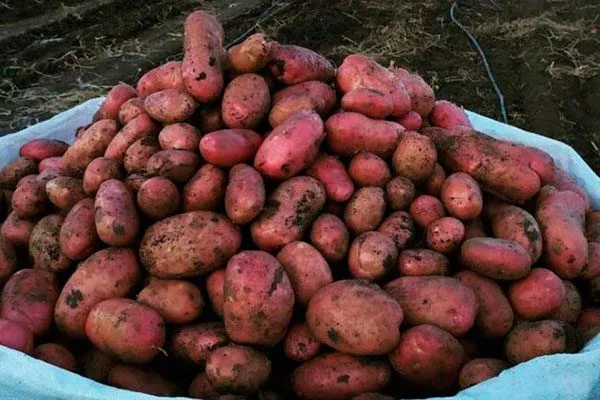
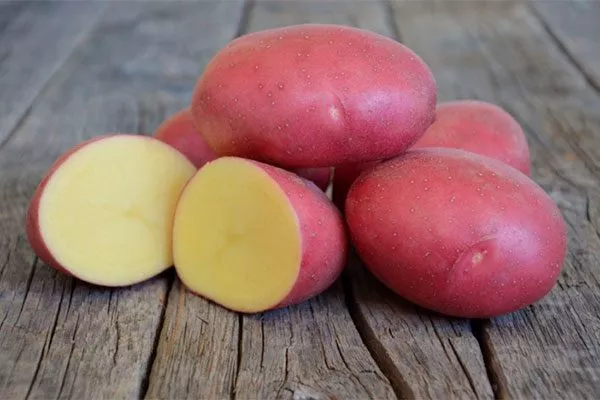
They have an oblong-oval shape. The average weight of a single tuber ranges from 82 to 160 g. Each plant produces 9 to 11 potatoes. The flesh is light yellow, and the skin is red.
Characteristics of the Memphis potato
Memphis is one of the most popular varieties both abroad and in our country. It is considered mid-early and has significant resistance to various diseases, making it a preferred choice for many farmers.
Taste qualities of Memphis potatoes
Belongs to culinary grade B and is intended for edible consumption. Its root is characterized by firm flesh that retains its shape when cooked. It has excellent flavor and is not prone to browning or disintegration during cooking.
Memphis is suitable for a variety of cooking methods, including frying, boiling, stewing, and using it in salads and entrees, such as soups. It can also be baked, preserving the integrity of the tubers. The starch content ranges from 14.2 to 16.7%.
Ripening time
The crop matures early, and harvesting can begin approximately 70 days after planting. The full growing season lasts approximately 80-90 days.
Productivity
This variety is known for its high yield, making it suitable for both small garden plots and large industrial fields. Maximum yields reach up to 400 centners per hectare.

Where is it grown?
Memphis has been successfully adapted to temperate climates. It thrives and produces good yields throughout the Central Region.
Disease resistance
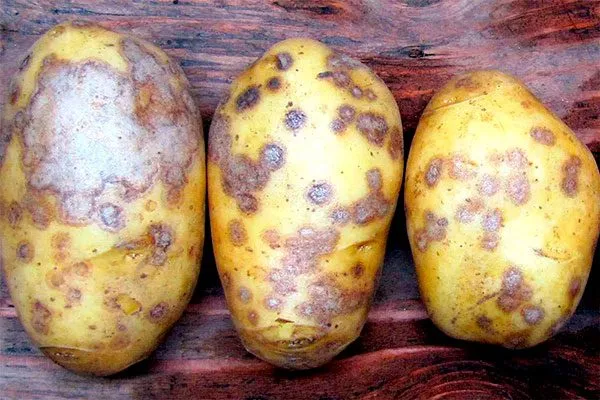
It is moderately resistant to various diseases, such as canker, nematodes, late blight, scab, and rhizoctonia. To prevent these and other diseases, spray the bushes with solutions or infusions prepared according to traditional recipes.
Advantages and disadvantages
The Memphis potato's main characteristic is its adaptability to growing in arid regions. During flowering, the bushes are crowned with unusual purple or pink flowers.
With proper care and preparation, these shortcomings will not be a serious problem for either beginners or experienced gardeners.
How to plant?
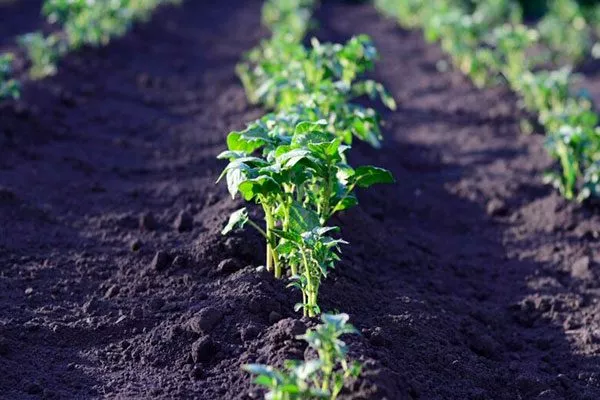
Begin preparing the site for planting potatoes in the fall. Dig the soil, add 10 kg of compost per square meter, and add superphosphate and potassium sulfate in appropriate proportions. Then, carefully level the surface.
- ✓ Soil pH should be between 5.5-6.5 for optimal nutrient absorption.
- ✓ The organic matter content of the soil should be at least 3% to ensure good structure and water-holding capacity.
Helpful tips:
- The most suitable soil for this crop is sandy loam with a neutral acidity level, but loamy soil with the addition of sand can be used.
- The area should be sunny and open, as a lack of light can lead to the bushes becoming elongated and the tubers becoming smaller.
- For maximum productivity, sprout potatoes three weeks before planting. Place the tubers indoors at a temperature of approximately 15°C, misting and turning them periodically to ensure uniform sprout development.
The sprouts should be approximately 1.5 cm long at the time of planting.
Plant potatoes in holes 35 cm apart, leaving approximately 60 cm between rows. This will allow the plants to develop fully, avoiding competition for moisture and nutrients. The recommended planting depth is 10 cm in light soils and 7 cm in heavy soils.
Care instructions
The yield of Memphis potato plants depends on proper care. Therefore, it's important to strictly follow the following agricultural recommendations:
- Immediately after planting, loosen the soil to a depth of 1.5 cm after 10 days. This will prevent a crust from forming on the surface and allow air to reach the seed tubers. Then, begin weeding to remove weeds until the bushes close up.
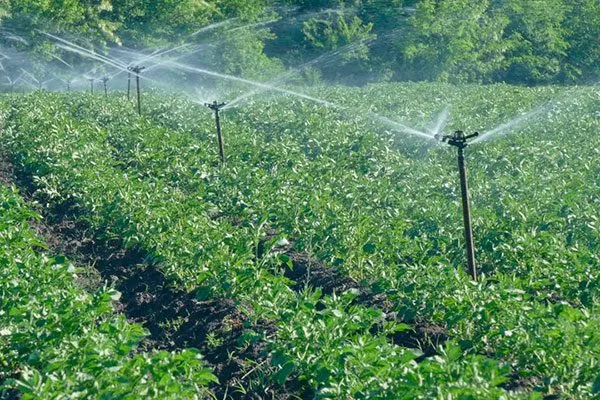
- This variety tolerates short-term droughts well. Water only during prolonged periods without rainfall. Moisture is especially important during bud formation and flowering. Water in the evening to soak the soil to a depth of 10 cm.
- The first hilling of the bushes should be carried out when the shoots reach a height of 15-18 cm, then repeat after 10 days.
- Potatoes respond well to fertilization, but it should be done according to the plant's development stage. Apply the first fertilization during active growth, using ammonium nitrate or organic fertilizer.
Apply the second and third feedings before and after flowering, using superphosphate and potassium sulfide. Apply 0.5-1 liter of nutrient solution under each bush.
Harvesting and storage
Begin harvesting in mid-August, when the shoots begin to yellow and wilt. Don't delay harvesting, as the risk of late blight increases during this period. Dig up potatoes in the morning on a dry, clear day.
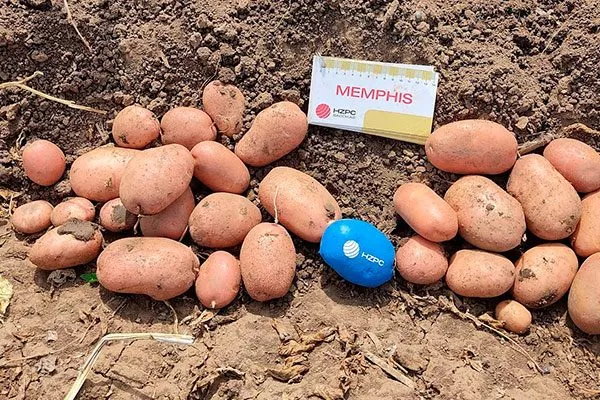
After harvesting, spread the tubers out on a bed and leave them to dry for two hours. Then transfer the harvest indoors for further drying. After a month, sort the harvested potatoes into large, seed, and small specimens. Discard any damaged tubers immediately—they are not suitable for storage.
Reviews of Memphis potatoes from gardeners
The Memphis potato is a popular variety, attracting gardeners with its reliability, productivity, and excellent flavor. It is characterized by moderate drought tolerance and early maturity, making it an excellent choice for cultivation. With proper care, it will yield generous harvests.