
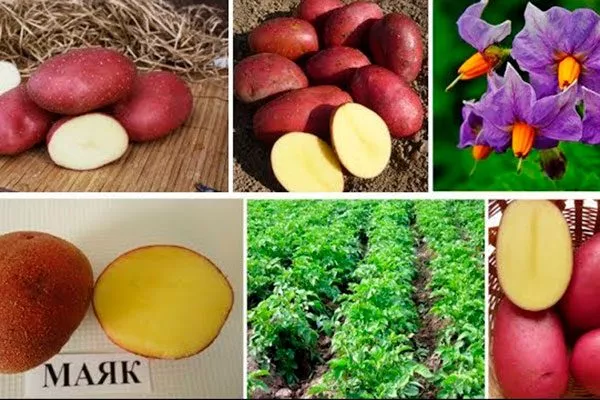
The Mayak potato is a relatively young table potato variety that easily adapts to any climate. It is characterized by ease of cultivation, abundant yields, and impeccable flavor. A key feature is its multi-tuber structure, which contributes to its high yields.
History of appearance
Details about the parent varieties used to develop the Mayak potato are not disclosed. The developers' primary goal was to develop a variety with good resistance to temperature fluctuations and diseases, as well as consistently high yields.
The Ural Research Institute of Agriculture was responsible for developing the variety, with the active participation of V.P. Koksharov, E.M. Klyukina, and E.P. Shanina. At the end of 2009, an application was submitted to register Mayak in the State Register, and it was registered in 2013.
Appearance of bushes
The bushes have upright stems, but their height can vary. This is influenced by weather conditions, soil fertility, and proper agricultural practices. However, the bushes are never short.
Other features:
- leaves - classic green shade, but sometimes they become darker;
- dimensions of the sheet plate – average;
- edges of foliage – slightly wavy;
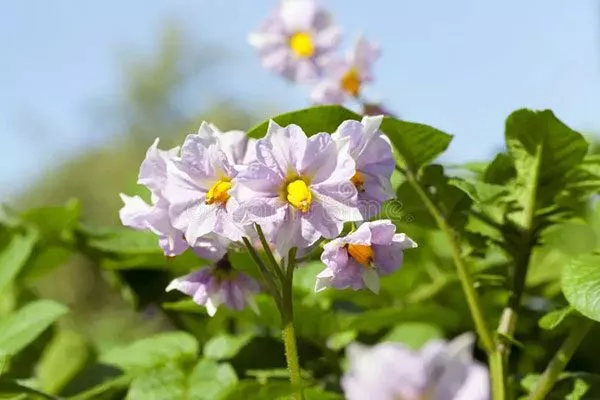
- flowers – large, light purple in color;
- root system – medium in size, but has a powerful activity in terms of absorbing elements.
What do the tubers look like?
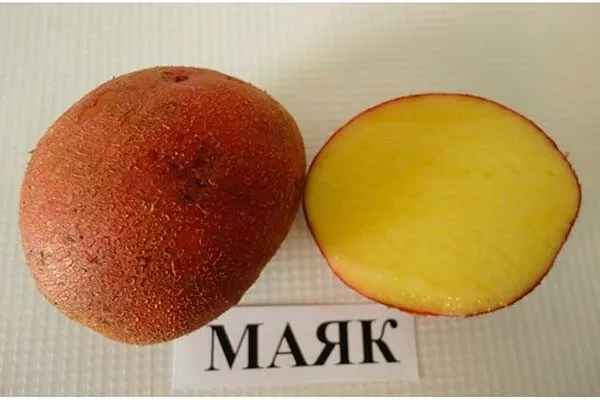
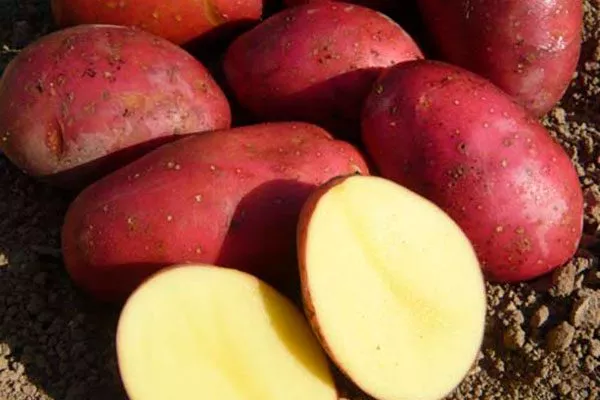
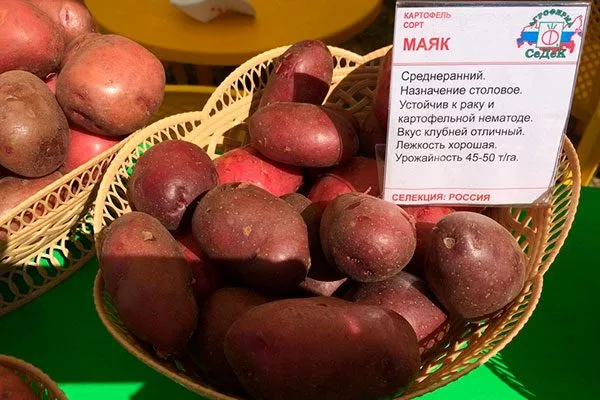
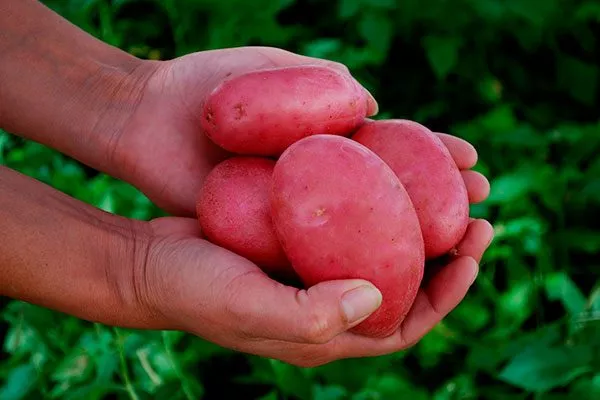
This variety is distinguished by its unusual coloring: the potato skin is pinkish-red, and the flesh is light yellow with a pleasant culinary taste and aroma characteristic of the vegetable.
Other characteristic features:
- form - smooth, oval;
- number of eyes – insignificant;
- depth of the eyes – small;
- weight of potatoes – varies from 95 to 155 g;
- the number of root crops in one bush – from 12 to 20 pcs.;
- skin surface – smooth;
- pulp structure – is characterized by homogeneity and density.
Varietal characteristics of the Mayak potato
Mayak quickly found its fans among both summer residents and large agricultural producers. It is particularly prized for its pleasant flavor and low maintenance requirements.
- ✓ High resistance to temperature fluctuations, which makes the variety suitable for growing in regions with an unstable climate.
- ✓ Ability to form a large number of tubers even under unfavorable conditions.
Marketability and taste characteristics of tubers
The pulp contains 14.5-17.5% starchy compounds. The potato is ideal for a variety of dishes, except mashed potatoes, as its texture is not very crisp. The product is characterized by a high marketability of up to 92-93% and excellent shelf life of up to 94-96%.
Mayak is used for cooking boiled vegetables in their skins and without them, fried, baked, stuffed, for salads, and various dishes.
Ripening time, yield
The potato's ripening time and yield determine its popularity among gardeners. This mid-early variety requires 70 to 80 days after planting to reach marketable quality.
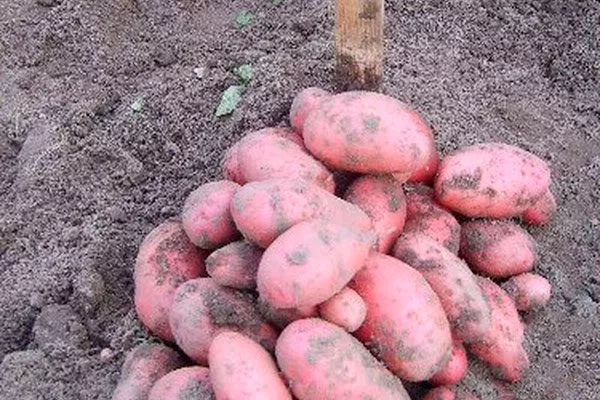
Yields range from 115 to 395 centners per hectare, with the lower limit meeting the standard and the upper limit significantly exceeding high-yielding varieties (Nevsky, etc.) by 150 centners per hectare. The record yield recorded on commercial plantations in Perm was 401 centners per hectare.
The Mayak variety boasts high yield potential, producing a large number of tubers. However, optimal conditions are essential for high yields:
- Select suitable soil types, such as light sandy loams, clay loams, or chernozems with good structure. Heavy, clayey, or compacted soils are unsuitable.
- Ensuring sufficient soil moisture through precipitation or irrigation.
- Presence of nutrients in the soil.
Where is it grown?
This variety is recommended for cultivation in the Volga-Vyatka region, although reviews indicate it also performs well in the central region. It is not recommended for cultivation in the southern regions due to its watering requirements and poor tolerance to dry soil.
Disease resistance
It has a high resistance to key diseases and pests, including potato cancer and the golden potato cyst nematode. It has moderate tolerance to late blight. The variety is resistant to viruses that cause wrinkled and striped mosaic disease.
Advantages and disadvantages
Despite its “youth”, the variety has managed to demonstrate all its positive characteristics.
Planting Mayak potatoes
Plants are capable of producing a significant number of tubers, but this requires providing them with high-quality nutrition. Any type of soil is suitable, but it must be loose and well-drained. It's important to take this into account when preparing the site in the fall. Here's what you can do:
- add sand to dense clay soils (15-25 kg per 1 sq. m);
- positive results are achieved by adding peat, which improves the soil structure and enriches it with nutrients;
- to normalize the pH level, slaked lime and dolomite flour are used;
- Wood ash is also added, which improves the looseness of the soil and serves as a source of potassium, calcium, phosphorus and magnesium, and also promotes the growth of beneficial soil bacteria.
- ✓ Soil pH should be between 5.5-6.5 for optimal nutrient absorption.
- ✓ The organic matter content in the soil should be at least 3% to ensure sufficient nutrition.
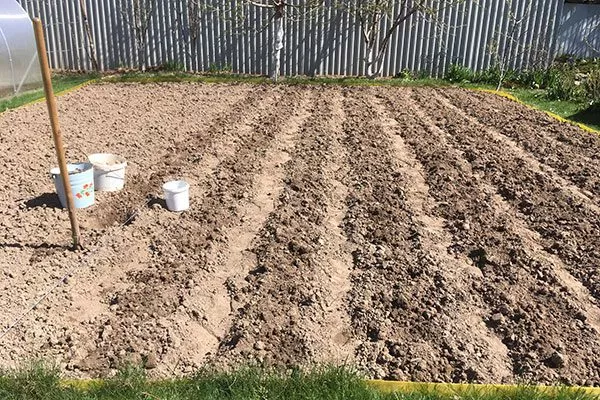
Organic matter—manure, compost, green manure, and peat—is considered the best source of nutrients for fall application. Mineral fertilizers are acceptable for light soils. Both types of fertilizer are applied by tilling, followed by mulching with straw, rotted sawdust, or fallen leaves to protect the soil from drying out and prevent crust formation.
Next steps:
- After the snow melts, dig up the soil and loosen it further.
- A month before planting, move the root crops to a bright room with room temperature.
- Once the buds have awakened, reduce the temperature to 12-15 degrees Celsius. Germinating seeds promotes uniform germination, strengthens plant immunity, and increases yields by 30-50%.
Other features:
- The recommended planting pattern is 25-35 cm within a row and 75-85 cm between rows.
- Planting methods used: ridge, raised bed or alternative, such as in bags or under straw.
- In case of prolonged cold weather, it is recommended to use covering material or film.
Care instructions
Caring for the Mayak potato variety requires adherence to basic agricultural practices:
- It is important to loosen the soil to a depth of 1.5-20 cm a few days after planting to ensure oxygen supply to the root crops.
- After irrigation, repeat loosening until the ovaries are formed.
- Weed the beds regularly to remove weeds during the initial period of potato growth.
- The variety does not respond well to extremely dry weather, so in the absence of precipitation, it is necessary to organize deep watering, moistening the soil to a depth of 10 cm.
- To increase yield, Mayak potatoes should be fertilized three times per season:
- The first feeding should be done during the growth of shoots, using organic fertilizers: bird droppings in a ratio of 1:20 to water, ammonium nitrate at a dosage of 30-35 g per 10 liters of water.
- Apply two more fertilizers before and after budding/flowering, using a phosphate mixture and potassium.
- From June, stop applying nitrogen fertilizers to avoid causing excessive growth of above-ground parts due to the formation of tubers.
- Fertilizing should be done only when the soil is moderately moist.
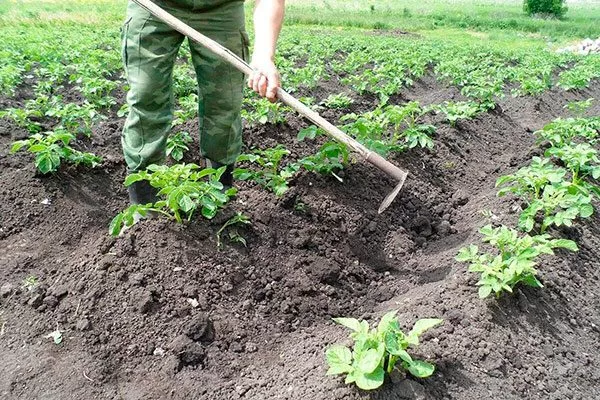
- Hill up the bushes for the first time when the shoots reach 15-20 cm in height, and then repeat the process 10 days later, creating a mound 2/3 the height of the shoots. Use the soil from between the rows for this purpose, using a plow, hiller, or walk-behind tractor.
Collection and storage rules
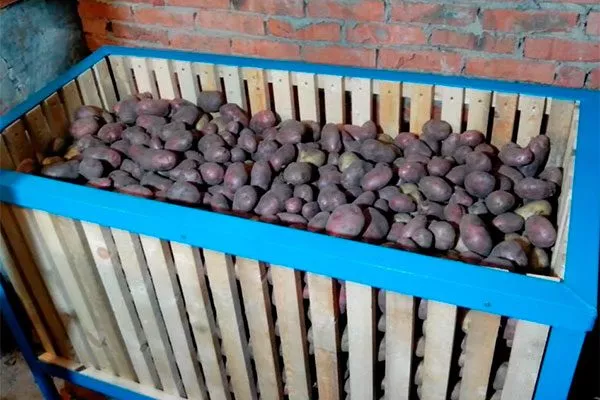
Begin harvesting after the above-ground portion of the plant begins to dry out. A couple of weeks before harvest, you can speed up the ripening process by trimming the stems. It's best to harvest potatoes in the morning on a dry day, leaving the tubers in the beds for 2-4 hours before storing.
Protection from pests and diseases
To prevent late blight, prepare a special solution containing 5 g each of boric acid, copper sulfate, and potassium permanganate, diluted in 10 liters of water. This solution should be carefully poured around the roots of each plant. If late blight does spread, fungicides such as Ridomil and Oxyhom are recommended.
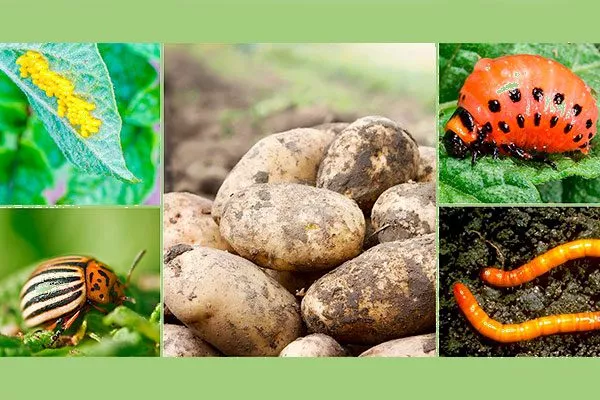
To protect potatoes from the Colorado potato beetle, the following preparations are effective: Iskra or Komandor (1 ml of the preparation is dissolved in 4-5 liters of water).
Gardeners' reviews of the Mayak variety
The Mayak potato variety is a promising development, suitable for growing in challenging climates, demonstrating high yields and adaptability to a variety of weather conditions. It is characterized by good shelf life and transportability, versatility, and perfectly uniform tubers.