
The La Strada potato has received much praise from gardeners across the country. It is drought-resistant and resistant to numerous diseases, but can be susceptible to pests. The variety is noted for its uniform shape and good weight. With proper care, it will produce high-quality tubers and a bountiful harvest.
Who developed the variety and when?
A collaboration between breeders from the Russian company Doka Gene Technologies and the Scottish breeding center CYGNET Potato Breeders, Ltd. resulted in the creation of this variety. In 2016, an application for approval for cultivation in the Russian Federation was submitted, and in 2019, the crop was added to the State Register.
Description of the plant and tubers
The bushes grow upright and low, reaching medium sizes. Distinguishing features:
- The plants are covered with large leaves, colored in light green and green shades.
- Flower corollas can be either small or medium-sized; anthocyanin coloration inside the flowers is either absent or weakly expressed.
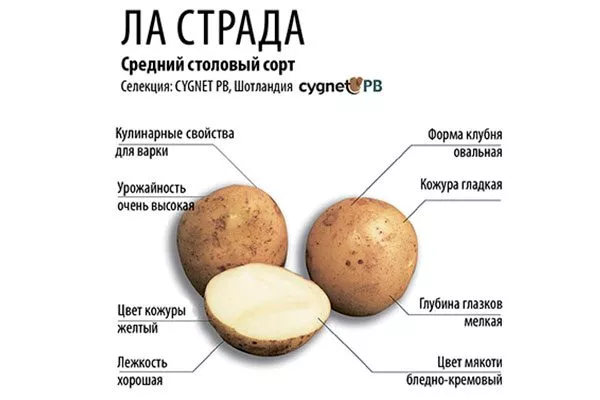
- The tubers are oval-shaped, have small eyes, light beige skin, and white flesh. Their weight ranges from 102 to 179 g.
Taste characteristics and purpose
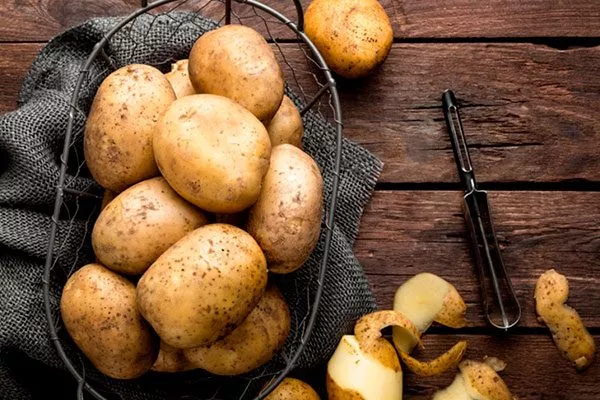
Potatoes are prized for their excellent flavor and are widely used in cooking for a variety of dishes, including soups. Their tubers are ideal for mashing and baking, and are used in salads and various frying methods.
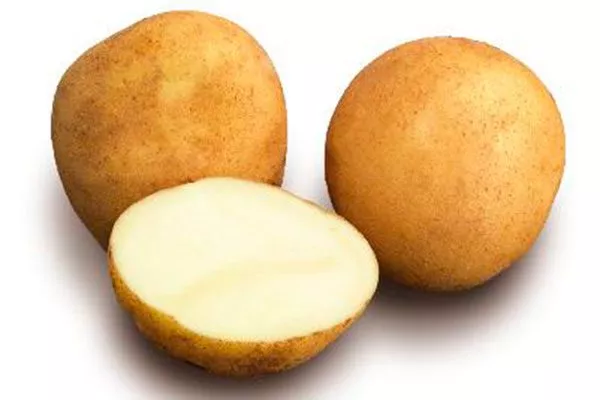
When boiled, potatoes are moderately softened, resulting in high-quality dishes. The flesh is neither too dry nor too watery, making them an ideal ingredient for many culinary recipes.
Characteristics of the variety
Classified as a mid-season variety, the harvest can be completed within 80-95 days after planting. It is characterized by high yields – approximately 5-5.2 kg per bush or 210 to 677 centners per hectare. La Strada has excellent resistance to some diseases, but is susceptible to the golden nematode.
Landing features
In central regions, planting is recommended when soil temperatures reach 10 or 12°C, which typically occurs in mid- to late May. In southern regions, this variety is suitable for early cultivation.
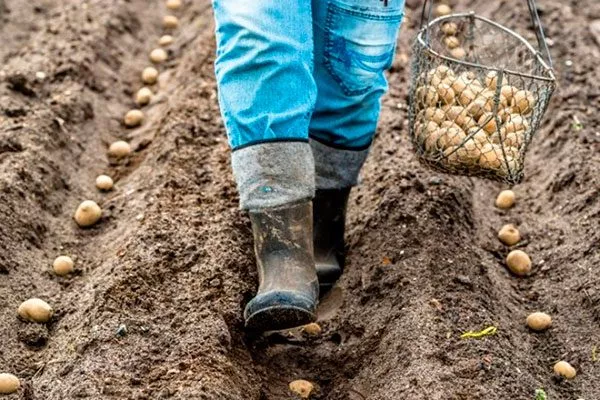
Planting guidelines are not much different from other varieties and are standard. Follow these recommendations:
- Pre-sprout potatoes 20-25 days before planting, using Epin for treatment and soaking the seeds in a fungicide. These measures will help prevent disease and stimulate growth.
- When planting and forming buds, apply fertilizer to the soil. Apply root fertilization between rows with urea (20 g per 10 liters of water) and superphosphate (30 g per 10 liters of water). One liter of the mixture is enough for two plants.
- Before planting, remove all weeds and foreign objects from the field.
- ✓ The optimal planting depth for tubers is 10-12 cm to ensure better aeration and prevent pest infestation.
- ✓ Recommended planting density is 4-5 tubers per square meter for optimal use of space and resources.
The planting technique for La Strada is similar to that for other varieties. The distance between plants within a row and between rows should be approximately 60 cm. The area should not be shaded, as sunlight is essential for successful growth. To repel pests, you can add a few onion peels directly to the planting hole.
Care
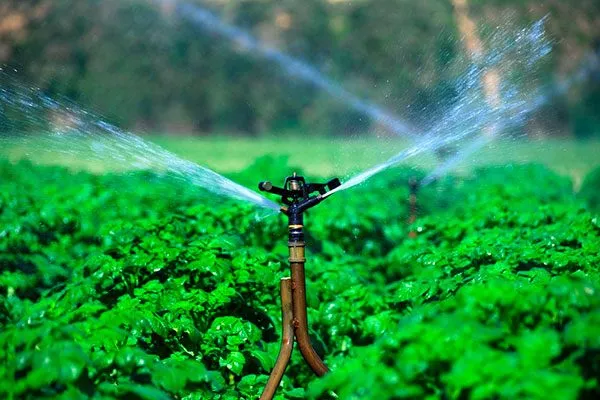
The crop tolerates drought well, but this doesn't mean it can survive without watering. Water as needed, at least three times per season. Water potatoes during the following periods:
- 14 days after emergence;
- during the beginning of flowering;
- during the period of active tuber formation.
Diseases and pests
The La Strada potato variety is immune and highly resistant to common diseases such as potato cancer, wrinkled and striped mosaic.
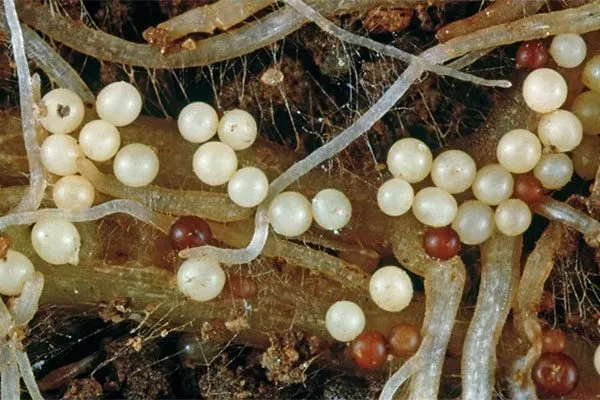
Golden nematode
Nematodes are very small thread-like worms, rarely exceeding 0.1 cm in length. These organisms burrow into potato tubers, causing serious damage to the crop. Crop rotation is an important control method.
After harvesting in spring, treat the field with Tiazon at a concentration of 40% to prevent the spread of nematodes.
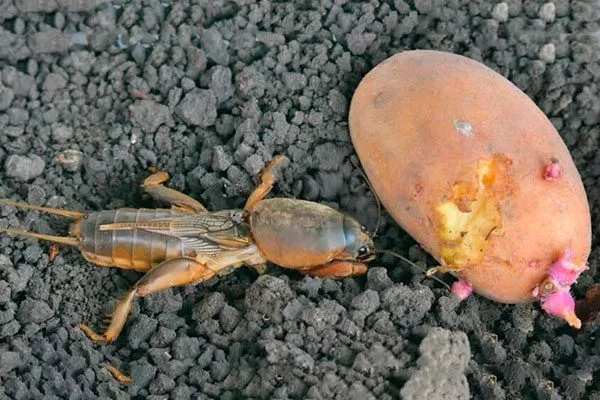
Mole cricket
It poses a serious threat. The insect can reach a length of up to 10 cm and lives in the ground, feeding on the underground parts of plants.
From early to mid-summer, regularly loosen the soil to a depth of at least 20 cm. To control mole crickets, use poisoned baits and other toxic methods.
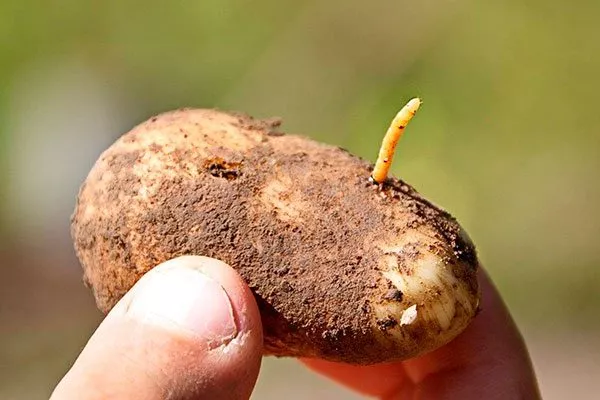
Wireworm
It can attack plants, causing significant damage to crops. White mustard, planted along the perimeter and between rows, is effective in repelling the pest. In case of severe infestation, use chemical pesticides such as Voliam or Force.
Harvesting and storage
Mow the tops a week before harvesting to increase the flow of nutrients to the tubers. This improves the quality of the fruit and extends its shelf life. Harvesting begins around mid-August.
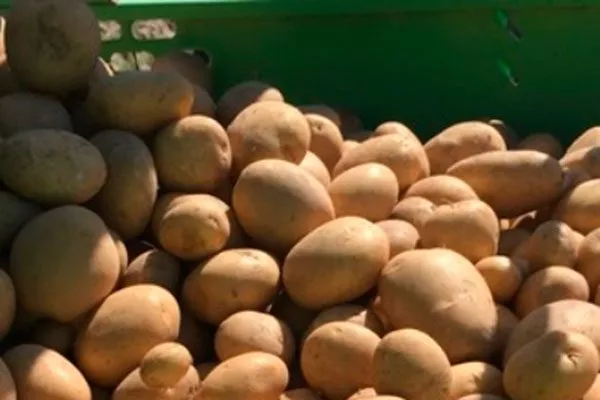
After harvesting, air-dry the potatoes. Then, separate any damaged tubers and collect the seeds. Pack the good-quality tubers into storage bags. For long-term storage during the winter, store the crop in a dry place. The amount of spoilage after storage is minimal.
Advantages and disadvantages
La Strada potatoes are distinguished by their excellent transportability and long shelf life. When kept at optimal temperature and humidity conditions, they retain their marketable qualities and flavor until the next harvest.
Reviews
The La Strada potato variety has proven to be a worthy choice for growing in both small and large-scale plots. While some dismissed it as a generic variety with no distinctive features, many gardeners appreciate its excellent flavor and attractive appearance. With proper cultivation techniques, you can achieve robust plants and abundant harvests.