
The Galina potato, often confused with the Gala variety (though it's simply a similar variety), is characterized by a mid-early ripening period and is suitable for table use. It exhibits resistance to late blight, canker, scab, and golden nematode, but is intolerant to extreme drought, so soil moisture levels must be closely monitored. This multi-tuber potato is classified as an elite variety.
Appearance of bushes and root crops
Galina is distinguished by its compact bushes and large number of roots—about 20-25. It also has other characteristic features:
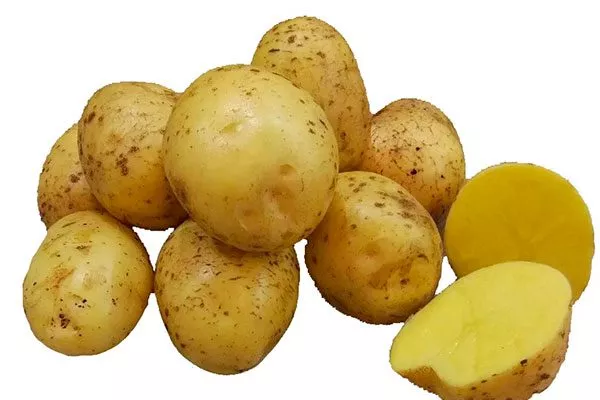
- weight of one tuber – 95-180 g, and sometimes a little more;
- form - at the initial stages of growth it is oval-round, during maturity it is more rounded or, conversely, elongated, which is also the norm;
- peel – thin and smooth;
- eyes – very small and superficial;
- pulp – juicy.
Taste and purpose
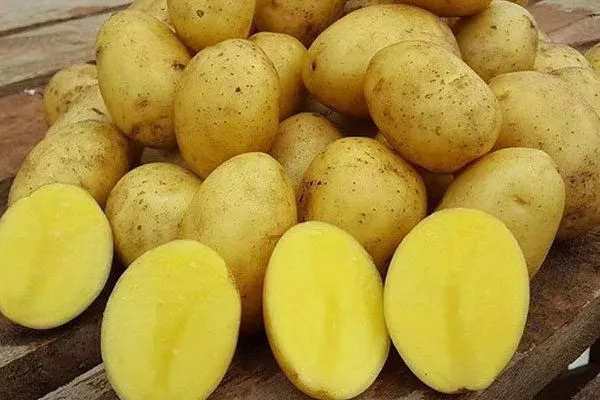
The potato's flavor is highly rated, which is why it is classified as an AB culinary variety. The flesh has a starchy texture (starch content averages 13%), preventing it from turning brown when cut. It is versatile in use, being used for boiling, mashing, and baking. Frying is also acceptable.
Key indicators
Gardeners don't complain about the yield of Galina's potatoes—one hectare can yield between 35 and 50 tons. But that's not the limit, as the officially recorded record is 146 tons.
Other characteristics:
- maturity date – from 70 to 80 days from the moment of formation of sprouts;
- assessment of commodity properties – fluctuates between 71 and 94%;
- Shelf life scores – 95 out of 100;
- transportability – excellent;
- resistance to diseases – flawless.
Growing and care
Potatoes are recommended to be planted in early spring, planting them 12-16 cm deep. Row spacing is 60-80 cm, and plantings within a row should be 30-45 cm apart. To stimulate faster development and rooting, it is advisable to germinate the tubers for 3-4 weeks before planting.
Caring for the plants includes regular watering and fertilization. Potatoes respond well to moist soil around the trunk, which promotes a more abundant harvest. One or two foliar applications of nitrogen-based fertilizers are beneficial to ensure the plants receive the necessary nutrition.
Reviews
The Galina variety boasts increased resistance to major diseases and pests, produces numerous tubers per bush, and impresses with its impeccable taste. These qualities make it particularly attractive for cultivation in both private gardens and commercial scale production.