
Baltic Rose potatoes are an attractive choice for farmers due to their high yield, excellent flavor, and resistance to various diseases. The medium-sized tubers, uniformity, and ease of preparation make them appealing to a wide range of consumers.
History of origin
The Baltic Rose potato variety was developed by Wolfgang Walter in Germany. It was approved for use in Russia in 2019.
Description of potato variety
Today, this crop is successfully grown in many regions of Russia. It is distinguished by its stable and high-quality root crop.
Bush
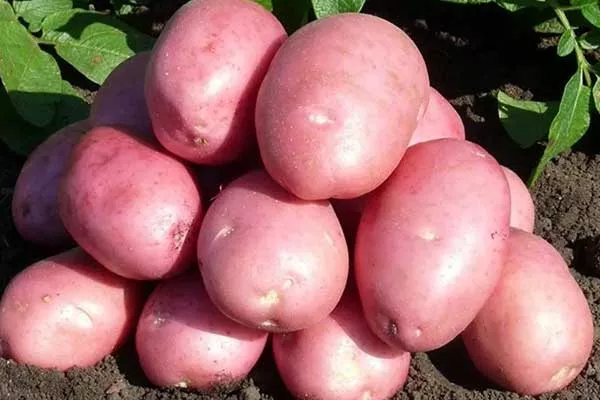
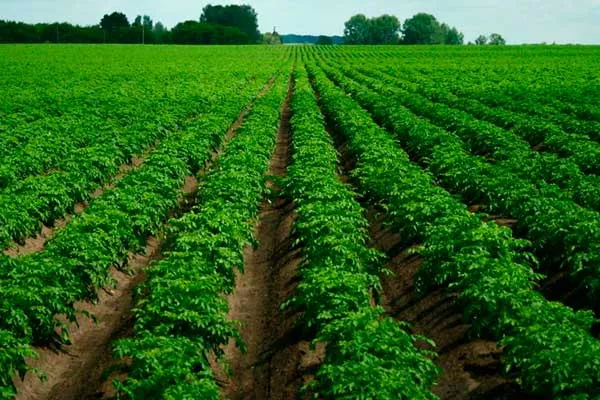
The bushes grow to a medium height, reaching 50-60 cm. They represent an intermediate type between upright and semi-upright. The stems are covered with medium-sized leaves, densely arranged, and richly green.
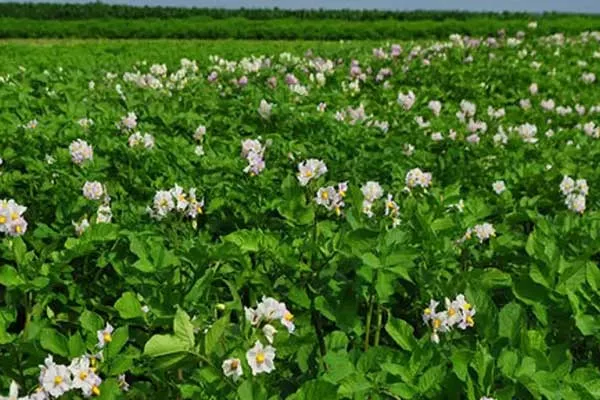
The flowers are small, with the inner part of the corolla possessing a medium-intensity anthocyanin color. Each bush produces a significant number of buds, which promotes abundant flowering and subsequent fruit formation.
Tubers
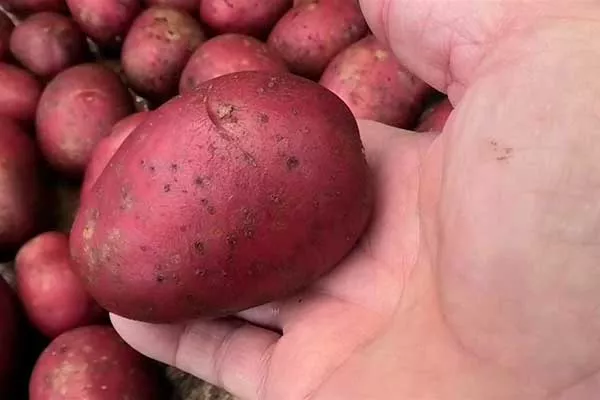
The tubers are medium in size, weighing approximately 97 to 121 g.
Main characteristics of vegetables:
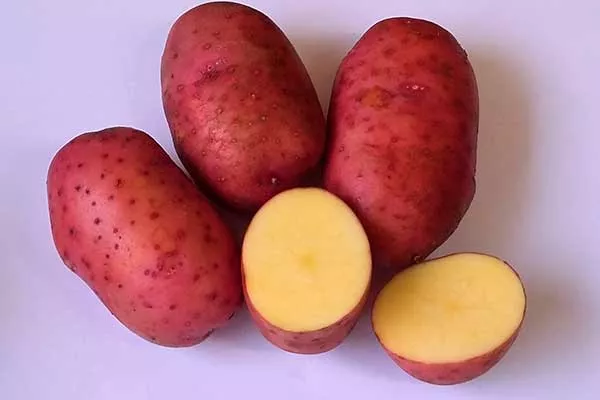
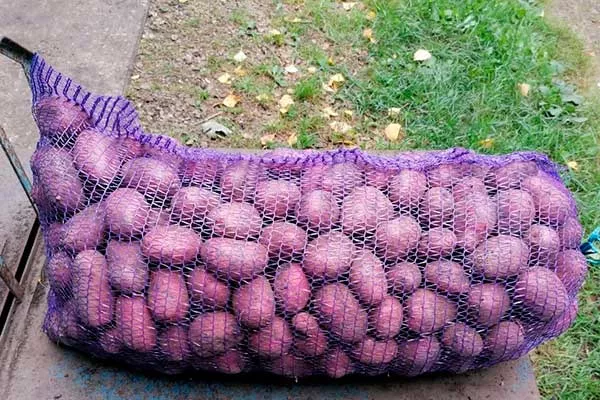
- The shape of ripe fruits is oval and their color is red.
- The skin on the root vegetables is smooth, which provides an attractive appearance.
- The flesh has a yellow tint, which is typical for many culinary uses.
- The eyes are small, which makes them easier to prepare and improves the appearance of the dish.
Characteristics of potatoes
Baltic Rose boasts numerous varietal characteristics that appeal to both novice and experienced gardeners. It has received numerous positive reviews, particularly for its high yields.
Taste qualities and chemical composition of the variety
Intended exclusively for culinary use, it has a high shelf life of 97%, ensuring long-term preservation of the tubers' quality.
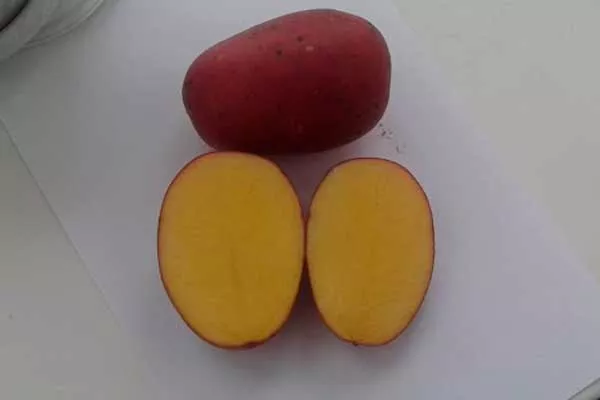
Belongs to culinary grade C, cooks well, and contains sufficient starch—from 11.5% to 12.4%. It has excellent flavor no matter how it's cooked: boiled, fried, stewed, baked, etc.
Ripening time
This is a mid-season variety. Harvesting usually begins between July 10th and 20th, when the tubers reach the optimal size and quality for harvesting. The vegetables reach full maturity in August, when they reach their peak size and nutrient content.
Productivity
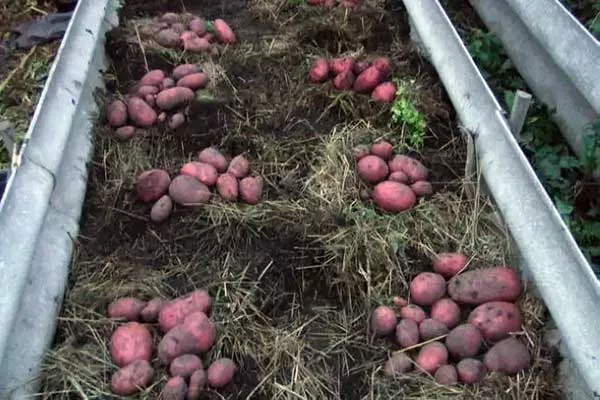
It is a high-yielding variety, characterized by a high marketability of 92%. The average yield is 143 centners per hectare. The maximum yield potential of this variety reaches 479 centners per hectare, making it an attractive choice for large plots.
Growing regions
The crop thrives in the Lower Volga, Ural, and East Siberian regions. It is suited to temperate climates.
Disease resistance
It has high resistance to canker, leaf curl, golden nematode, rugose mosaic, and blackleg. This reduces the risk of crop losses due to these diseases.
It shows moderate resistance to late blight of tubers and leaves, so it is important to ensure appropriate preventive and control measures to prevent possible damage.
Advantages and disadvantages
When choosing any potato variety, it's important to consider both its advantages and disadvantages. Before purchasing seedlings, it's helpful to familiarize yourself with the variety's characteristics and explore the advantages and disadvantages of growing it.
Positive qualities of Baltic Rose:
Among the disadvantages, some gardeners point out the low starch content.
Landing features
Begin preparing the potato planting site in the fall, ensuring moderate soil moisture. Avoid shady or waterlogged areas.
- ✓ Soil pH should be between 5.0-6.0 for optimal potato growth.
- ✓ The organic matter content in the soil should be at least 3% to ensure sufficient nutrition for plants.
Follow the recommendations:
- The soil should be light and fertile.
- Sprout the tubers before planting, then treat them with special preparations to stimulate growth and disinfect. Begin sprouting the tubers 20 days before planting them outdoors.
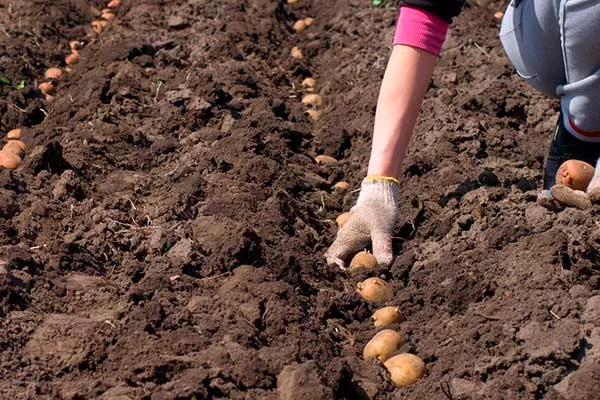
- The distance between planting holes should be approximately 30-35 cm, taking into account the depth of planting of the planting material, which depends on the type of soil.
- On sandy loam soils, plant the tubers to a depth of 10 cm; on loamy soils, to a depth of 5 cm.
Care instructions
The crop requires proper and timely care. Only then will it yield bountiful harvests.
Perform basic agricultural practices:
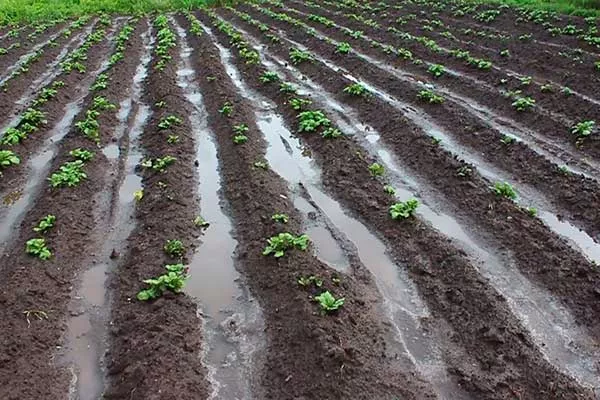
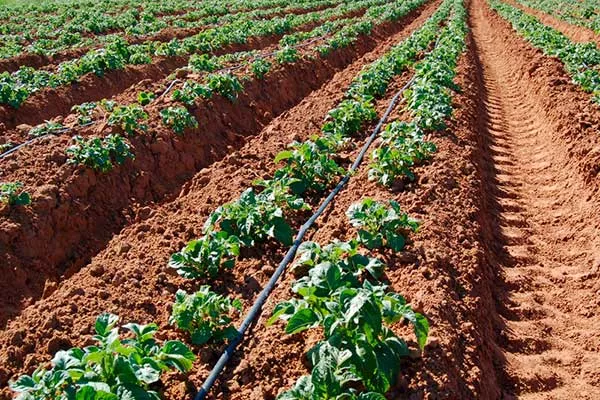
- Watering. Regular watering is key to successfully growing potatoes. It's important to keep the soil moist, especially during periods of extreme heat or drought. Avoid excessive standing water, as this can lead to root rot. Ideally, water in the morning or evening to minimize evaporation.

- Top dressing. Potato plants require nutrients for healthy growth and tuber development. Feed the plants with organic or mineral fertilizers during active growth. Potassium-rich fertilizers are especially important for the formation of large, healthy tubers.
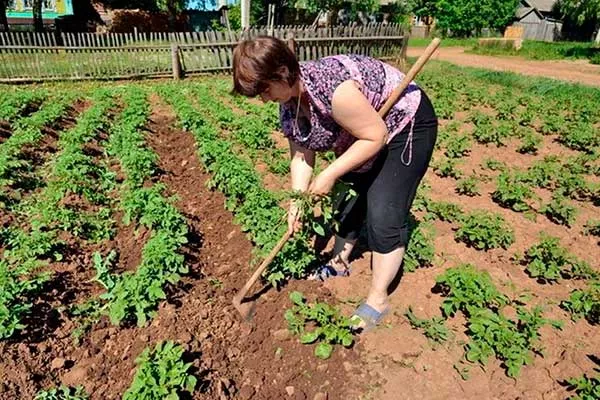
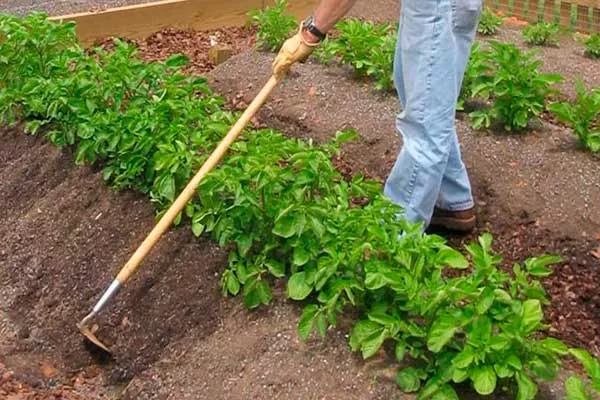
- Loosening. Loosening the soil around the bushes helps improve root zone aeration and facilitate air and water access to the roots. It also helps control weeds by reducing their competition for nutrients. Loosen the soil carefully to avoid damaging the roots.
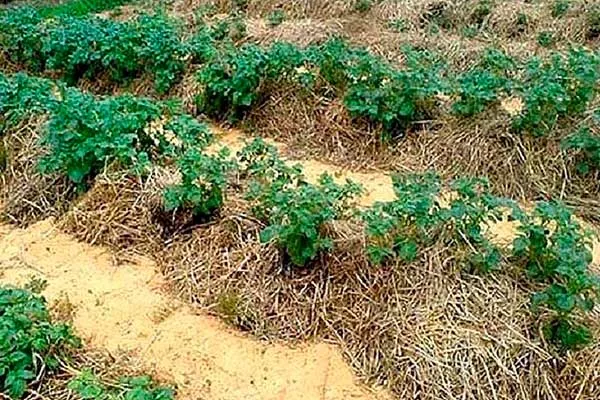
- Mulching. Covering the soil with mulch helps retain moisture, suppress weed growth, and maintain a more stable soil temperature. You can use organic materials such as straw, sawdust, hay, or grass. Spread the mulch around the plants, avoiding compaction at the base of the stems.
- Hilling. This is the process of accumulating soil around the potato stems to protect the tubers from light. It helps prevent green spots and bitterness in the tubers and provides additional support for the plants. Hilling should be performed several times throughout the season as the plants grow and tubers form.
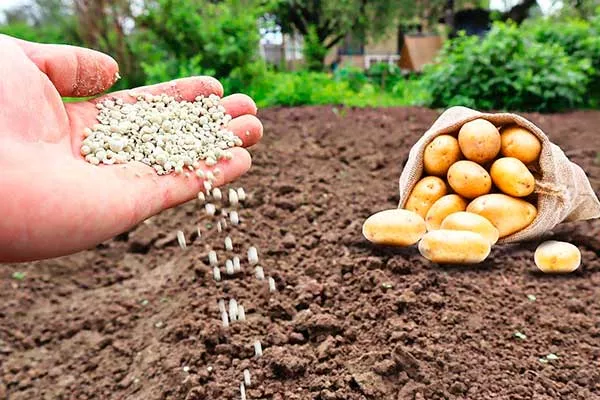
- The first feeding should be carried out 2 weeks after the emergence of seedlings, using nitrogen fertilizers.
- The second feeding should be carried out during the budding period, using potassium-phosphorus fertilizers.
- The third feeding should be carried out after flowering, using potassium fertilizers to improve the quality of the tubers.
By following these potato plant care steps, you can ensure healthy plant growth and a good potato harvest.
Harvesting and storage
Harvest between late July and mid-August. After harvesting, leave the tubers in the shade to dry and air out, then sort them, removing any damaged ones, and store them. Gradually reduce the storage temperature.
Methods of control and prevention of diseases/pests
To ensure a good harvest and protect against rot and insects, treat the tubers before planting. If signs of late blight are detected, spray the bushes with copper sulfate. To control Colorado potato beetles (after manually catching them), use Aktara, Komandor, Fastak, Karate, or Benzophosphate.
To completely save the bushes, it's important to check the undersides of the leaves for eggs. To prevent wireworm attacks, till the soil before winter and add eggshells, which are also beneficial for the bushes in the spring.
Reviews from gardeners
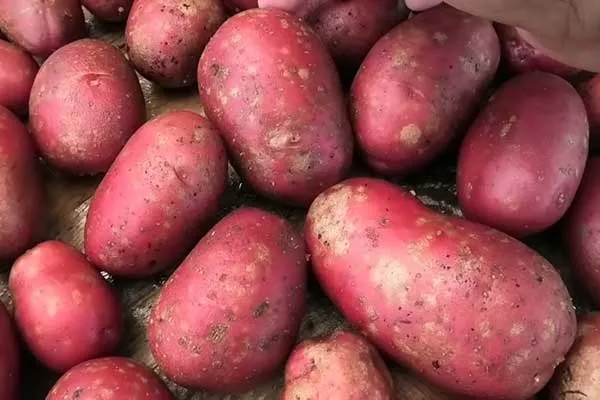
Baltic Rose potatoes are popular among gardeners, despite being relatively new to the market. In just a short time, its undeniable qualities have become well-recognized, including the oval shape of the tubers, their relatively large size, and their excellent flavor. With proper care, this crop promises abundant harvests and a strong immune system.