
The Ariel potato is a popular variety that recently appeared on the Russian market. Gardeners have already appreciated its excellent varietal characteristics, including large tubers with excellent flavor, high yields, and strong immunity. To ensure marketable quality, it's important to provide the plants with timely care.
Who developed the variety and when?
Ariel was developed by specialists at the A. G. Lorkh All-Russian Research Institute of Vegetable Crops and received approval for use in 2021. This variety is known under the synonym Friel.
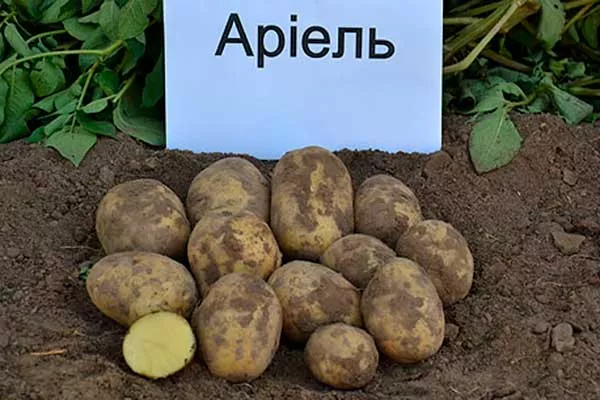
Description of the plant and tubers
The bush is characterized by medium height, belongs to the leafy type, and has a semi-erect form. Distinguishing characteristics:
- The stems are covered with medium or large leaves, colored green.
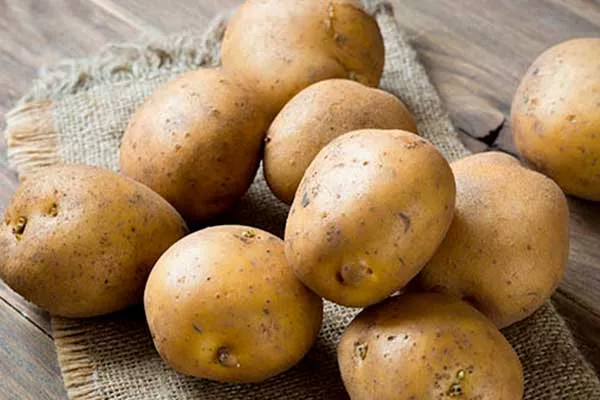
- The weight of the tubers varies from 106 to 235 g, their shape is oval, and the skin is colored yellow.
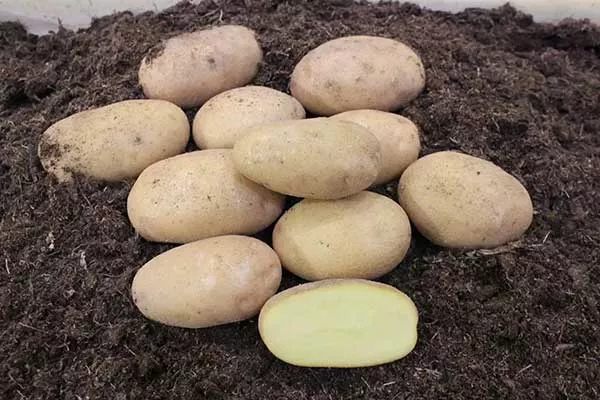
- The flesh is creamy in colour and the depth of the eyes is considered medium.
Taste characteristics and purpose
Ariel potatoes have an excellent flavor and retain their freshness both raw and boiled. Starch content ranges from 14.3% to 18.5%. This variety is ideal for a variety of dishes. They can be boiled, fried, baked, or added to a variety of culinary compositions.
Ripening and yield
This is a mid-early variety. It ripens approximately 70-80 days after germination. Yields range from 304 to 533 centners per hectare. The maximum yield can reach 662 centners per hectare. The marketability of the tubers ranges from 88% to 92%.
Growing regions
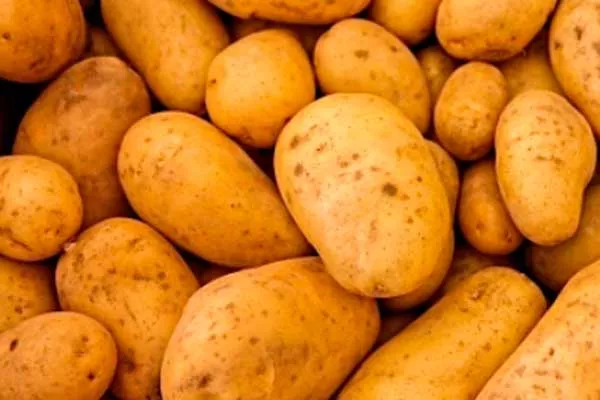
The crop is suitable for cultivation in all regions of Russia, as it is adapted to various soil types and climatic conditions. However, it is recommended to grow it primarily in the southern regions, where the climate is warmer.
Pros and cons of the variety
The Ariel variety isn't common in local households, so there's little information about it. Vegetable growers note its high yield and ease of care, but point out its demanding soil conditions and high cost.
Subtleties of agricultural technology
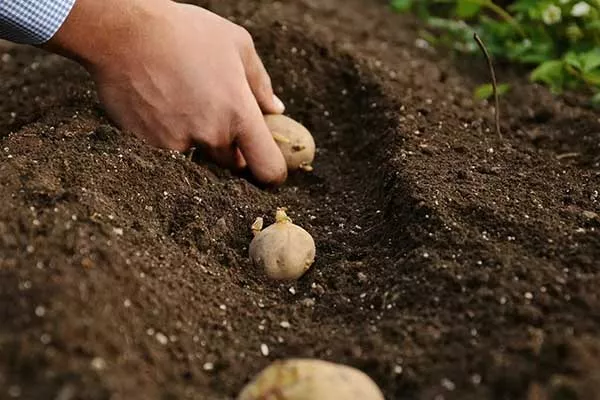
Ariel potatoes, like other mid-early varieties, are usually planted in early May, sometimes as late as April. Before planting, germinate the tubers in a well-lit area until sprouts reach 2 cm in length, and treat with fungicides to prevent disease.
- ✓ Soil pH should be between 5.0-6.0 for optimal potato growth.
- ✓ The soil must be well-drained to avoid water stagnation and rotting of the tubers.
Follow these recommendations:
- Monitor the soil temperature – it should warm up to +8-10°C.
- The weather should be sunny, as the plant prefers plenty of light. Choose a windless day to prevent the soil from drying out. It would be ideal if it rained a few days before planting.
- After harvesting the previous crop in the fall, thoroughly dig over the plot to remove any remaining debris and weeds. A week before planting, loosen the soil and fertilize it with manure or compost. It's important to keep the plot moist but not soggy.
- Grow potatoes in light soil, planting them shallowly. Planting depth ranges from 10 to 15 cm. Space plants about 40 cm apart, and rows about 70 cm apart. Water thoroughly.
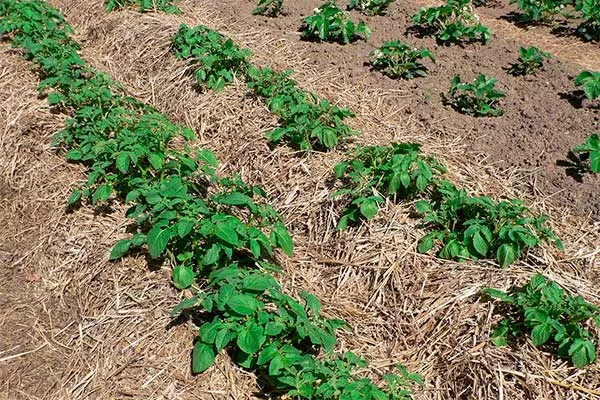
Caring for this crop doesn't require complex techniques and is fairly straightforward, so even a beginner can handle it. However, there are several important procedures that should be followed to ensure successful growth and a high yield:
- Watering. The plant thrives on consistent and generous watering. Keep the soil moderately moist, especially during dry periods.
- Weed removal. Remove weeds promptly at the small seedling stage so that they do not compete for nutrients.
- Top dressing. The variety doesn't require much fertilizing, especially in fertile soils. In areas with less fertile soils, organic fertilizers can be useful for maintaining yields.
- Loosening. Loosening the soil is essential for growth and development. It promotes oxygenation of the seedlings, protects them from the cold, and controls weeds. Loosen the soil periodically, especially during rainy periods.
- Mulching. Mulching the soil with a layer of compost protects crops from external threats and weeds. Avoid combining compost with nitrogen fertilizers, as this can negatively impact yield.
- Hilling. This procedure helps protect the seedlings from frost and bacteria. Perform the first hilling when the seedlings reach 7-8 cm. Apply the second hilling when the bushes are already fully formed.
All these procedures will help ensure healthy growth and high yields.
Diseases and pests
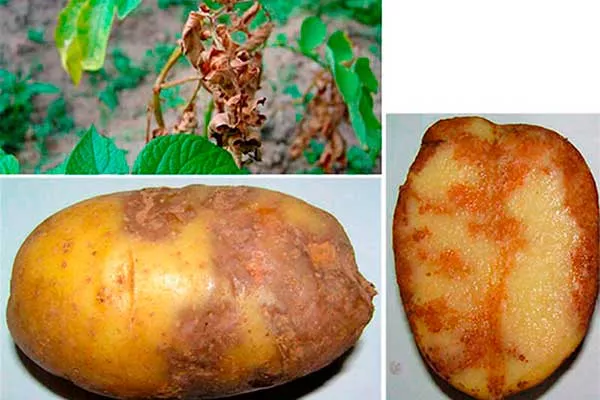
This elite variety rarely suffers from common diseases, but preventative measures can help minimize the risk. The crop is susceptible to the following diseases:
- Fusarium rot. Signs of the disease: grayish-brown sunken marks on tubers, most often appearing during storage. To prevent yield loss, treat the tubers with Maxim or a similar antifungal product.
Treat the planting material before planting and warm it in the sun. - Blackleg. The disease is transmitted through stems infected with bacteria. The first signs are light-colored rotten spots at the stolon junction. Fertilizers with antiparasitic properties, such as ash or a potassium permanganate solution, can help prevent the spread of the disease.
Dry and harden potatoes thoroughly in the sun before storing.
- Before planting, treat the tubers with a solution of potassium permanganate for disinfection.
- Inspect plants regularly for signs of disease to ensure early detection.
- After harvesting, clear the area of plant debris to prevent the spread of diseases.
Harvesting and storage
The harvest begins in mid-August, when most of the tops are already turning yellow. A week before harvesting, trim all the above-ground portions of the potatoes down to the roots. It's best to harvest on a sunny day to allow the tubers to dry thoroughly.
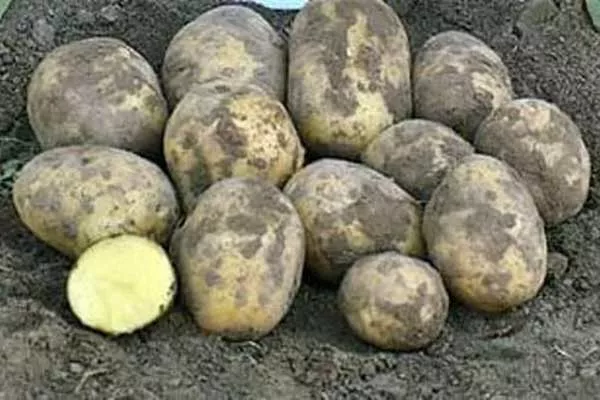
Store harvested tubers in a cool cellar with free air circulation. For easy storage, arrange the vegetables in wooden crates and keep them separate from other crops. Every three weeks, sort through the harvest and remove any spoiled tubers.
Reviews
The Ariel potato is a highly prized variety that deserves the attention of gardeners. Its excellent characteristics, such as high yield, excellent flavor, and disease resistance, make it a popular choice. It's easy to grow and has a long shelf life. Proper and timely care is essential.