
The Symphony potato is one of the most attractive varieties on the market today. It offers high yields, excellent flavor, and excellent marketability, making it suitable for both experienced farmers and novice gardeners. With proper care, you'll get a good harvest and high-quality tubers.
Origin
It was developed by HZPC Holland BV in the Netherlands and was approved for use in the Russian Federation in 1996.
Characteristics of the appearance of the bush and root crops
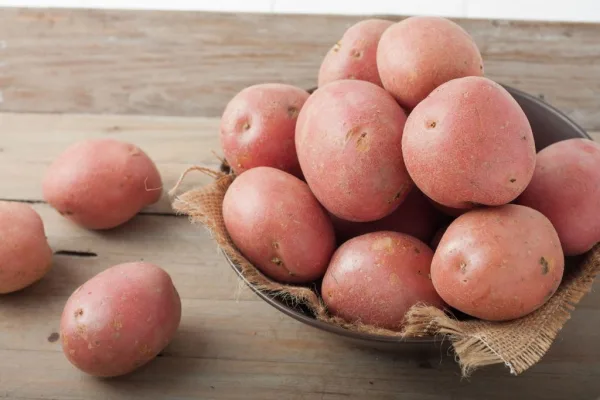
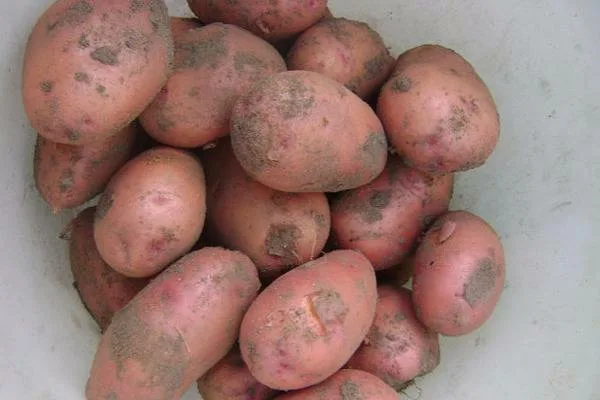
The plants grow as upright bushes, reaching heights of 50 to 70 cm. The tubers are typically oval-shaped and weigh between 70 and 140 g, with a distinctive red skin. The flesh is yellow and contains small eyes.
Purpose and taste of tubers
The Symphony potato has a wide range of uses, suitable for both preparing a variety of table dishes and for general use. Its taste is especially noteworthy.
The pulp has a pleasant flavor. The starch content ranges from 13% to 19%, making it ideal for various culinary experiments.

Productivity, ripening
The Symphony potato is a mid-late variety and is ready for harvesting approximately 100-110 days after emergence. The expected yield is up to 460 centners per hectare. Under optimal conditions, the yield can reach as high as 612 centners.
Advantages and disadvantages
Landing
The Symphony variety is quite demanding when it comes to soil fertility. It can be grown in various soil types, although careful soil preparation is necessary before planting: fertilizing, plowing, and harrowing.
- ✓ Soil pH should be between 5.0-6.0 for optimal growth.
- ✓ The soil must be well drained to avoid water stagnation.
Plants of this variety are able to adapt to a variety of climatic conditions, but for best yields, it is recommended to grow them in regions with a mild climate.
Follow the recommendations:
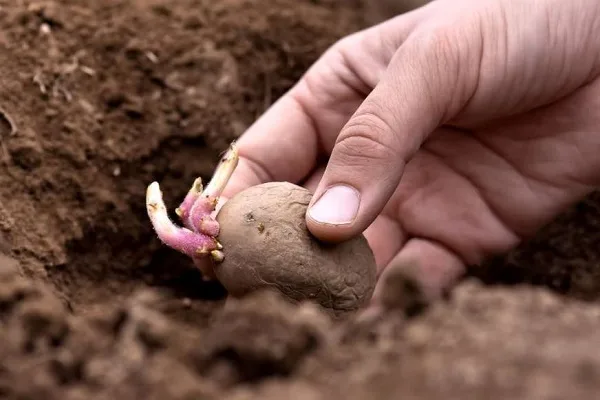
- Select healthy, large tubers for planting. If they are very large, you can cut them into pieces so that each one has one or two eyes (sprout buds).
- Place planting holes approximately 30-40 cm apart in rows, leaving approximately 60-70 cm between them.
- Use a shovel to dig holes about 10-15 cm deep. Place the tuber sprout-side down and cover it with soil. Make sure it is firmly in contact with the soil.
Correct planting can significantly affect the future harvest.
Growing and care
Caring for the Symphony plant is quite simple. The process involves several key aspects:
- Watering. Regular watering is essential for caring for this crop. Plants require adequate moisture, especially during periods of drought. Avoid excessive waterlogging to prevent tuber rot.
- Top dressing. Proper fertilization helps provide plants with the necessary nutrients for good growth and development. Use fertilizers containing nitrogen, phosphorus, potassium, and other micronutrients, especially during the early stages of growth.
- Mulching. A layer of mulch around plants helps retain moisture, suppresses weed growth, and protects roots from overheating. This is convenient during hot periods.
- Hilling. This procedure is necessary to loosen the soil and maintain good root aeration. Hilling prevents the formation of green tubers.
Harvest potatoes after the plants begin to die back and turn yellow. Carefully dig the tubers out of the soil and leave them on the surface for a few days to dry, then transfer them to a cool, dry place for storage.

- ✓ High resistance to potato cancer and golden nematode.
- ✓ Susceptibility to late blight requires preventive treatments.
Diseases and pests
Resistance to various diseases is an important factor when choosing a variety for cultivation. The Symphony variety exhibits resistance to potato wart and golden nematode, which significantly simplifies the process and is a significant advantage.
Reviews from gardeners
The Symphony potato is a striking example of a successful combination of quality characteristics, making it an ideal choice for cultivation. It attracts gardeners with its disease resistance, high yield, and excellent taste. It is important to provide it with comprehensive and timely care.