
The Sifra potato is a popular choice for beginning gardeners because it's an undemanding variety that produces abundant harvests. It produces large, high-quality tubers that store well. The crop is disease-resistant and rarely suffers insect attacks. Proper care is key to successful cultivation in both small plots and commercial-scale production.
History of origin
The variety was developed by scientists from Holland and Germany. It is one of the most famous in Europe, where new and exciting varieties appear every year. The Sifra potato appeared in Russia in 2010, when its use was approved.
Characteristic features of Sifra
It is a moderately frost-tolerant crop and prefers warm soil for planting tubers. Despite its heat-loving nature, this variety tolerates drought well, making it suitable for growing in regions with a wide range of climatic conditions.
Description of tubers and bushes
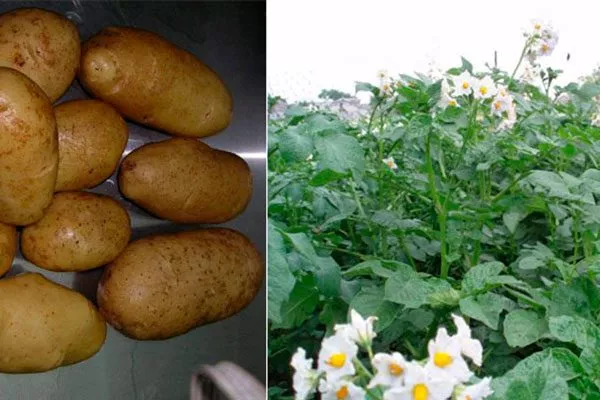
The bushes grow to medium or tall heights. The upright shoots are moderately covered with small, dark green leaf blades with wavy edges.
Other distinctive qualities:
- The plant has well-developed root shoots.
- Each bush produces approximately 13-16 tubers.
- In June, the plants are covered with small, snow-white flowers, collected in corollas.
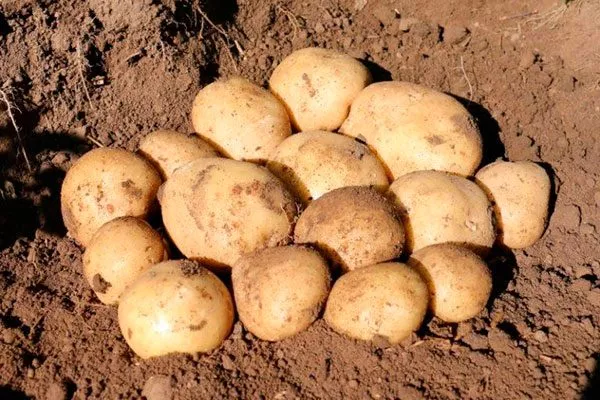
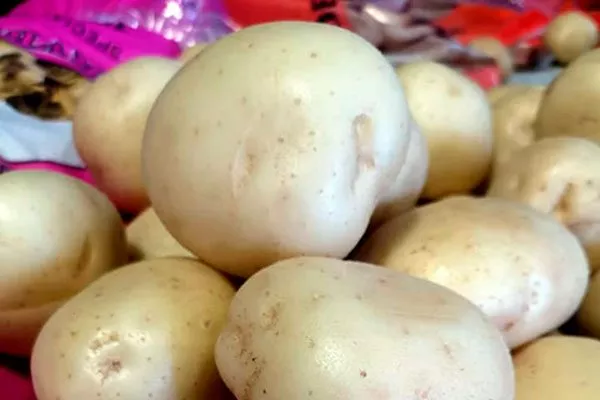
- The tubers are round in shape and weigh up to 110 g, although larger specimens weighing up to 150 g are also found.
- The peel is yellow in color and has a smooth texture.
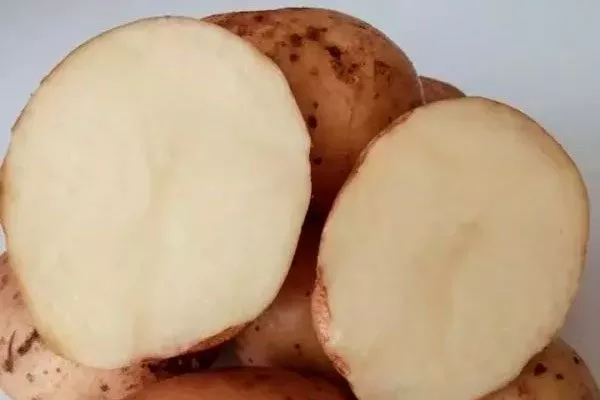
- The pulp is tender and white.
- The eyes are moderately deep and not too prominent.
Taste qualities of Sifra
It has a vibrant flavor and an inviting aroma. Its off-white flesh takes on a delicate, buttery texture, eliminating any mealiness or wateriness. The flesh does not darken after peeling and cooking. When cooked, the vegetable has a pleasant sweetness and buttery texture, without being dry.
The tubers have a moderate starch content, up to 16%. They retain their structure well when cooked and don't become overcooked. This variety is ideal for a variety of cooking methods: boiled in their skins or peeled, stewed, baked, pan-fried, deep-fried, mashed, and added to salads and entrees.
Planting dates
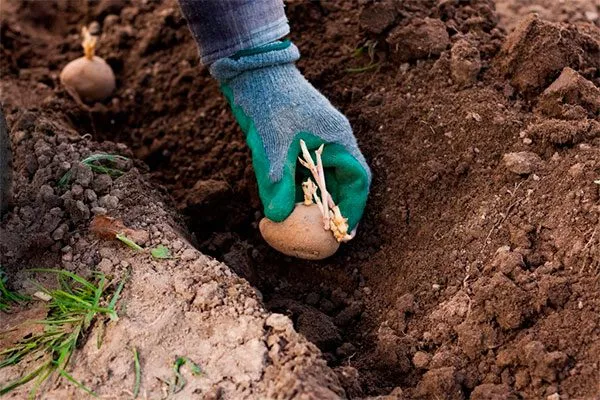
This is a late-ripening variety. It's recommended to wait until spring frosts have passed before sowing. The soil should be warm to a depth of 10 cm and at least 8°C.
Ripening period of Sifra potatoes
It has a growing season of 95 to 115 days. Seedlings typically emerge 15-20 days after sowing, and sprouts emerge very uniformly. The first digging of tubers is recommended in the second half of July.
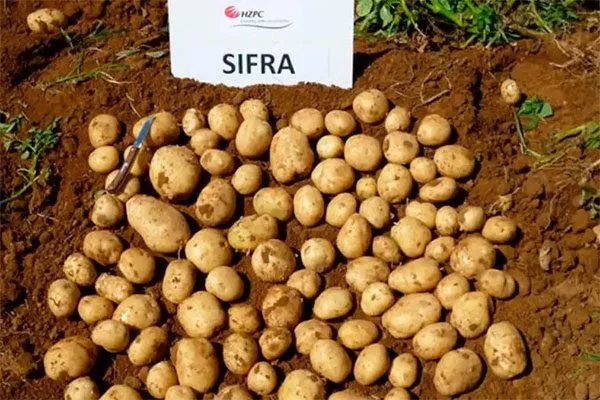
The vegetables reach full maturity by mid-September, at which time the harvest begins in earnest. The first sign of tuber ripening is the yellowing and wilting of the tops.
Potato yield on a plot and on an industrial scale
Crop productivity depends on many factors, including growing region, soil fertility, and quality of care. Yields can range from 180 to 400 kg per hectare in different regions.
Keeping quality of the variety
The harvest keeps well until summer, maintaining its flavor and marketable appearance for up to 10 months, provided proper storage conditions are observed. It is important to maintain the room temperature no higher than 7°C and the humidity level within 60-65%. It is characterized by excellent shelf life.
Regions where Sifra potatoes are grown
The Sifra potato is recommended for cultivation in various regions of Russia and neighboring countries. It adapts particularly well to the Northwestern, Central, Volga-Vyatka, and Central Black Earth regions.
Advantages and disadvantages
Before planting a crop, be sure to research its positive and negative qualities. This variety has the following advantages:
Landing rules
The planting site should be well-lit and not overwatered (elevated areas are preferable to low-lying areas). Sandy or sandy loam soil is ideal for growing Sifra. It's important to ensure good soil structure by loosening it.
- ✓ The soil pH level should be between 5.5-6.5 for optimal growth of Sifra potatoes.
- ✓ The soil must be well drained to avoid water stagnation and rotting of the tubers.
The plant actively absorbs oxygen and water, so the soil must have appropriate characteristics. Neutral pH is recommended. The variety grows well in dry peat soil.
Follow the recommendations:
- Clear the soil of weeds and stones.
- Loosen the soil to a depth of about 20-25 cm to ensure good ventilation and drainage.
- Add compost or humus to improve soil fertility.
- Choose healthy potatoes.
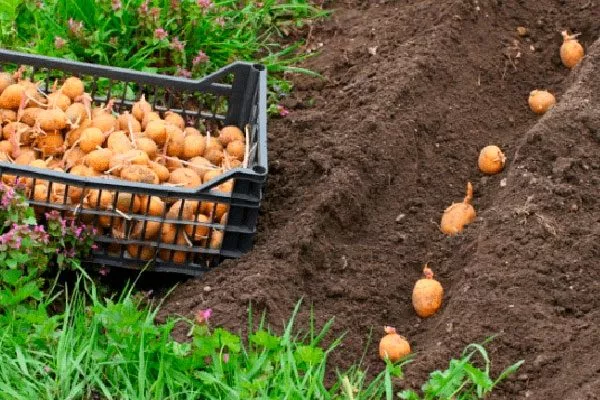
- Leave them in a dark place at room temperature for a few days to allow them to begin to germinate.
- If desired, cut large tubers into pieces so that each piece contains one or two eyes.
- Treat the cut parts with crushed charcoal or ash to prevent rotting.
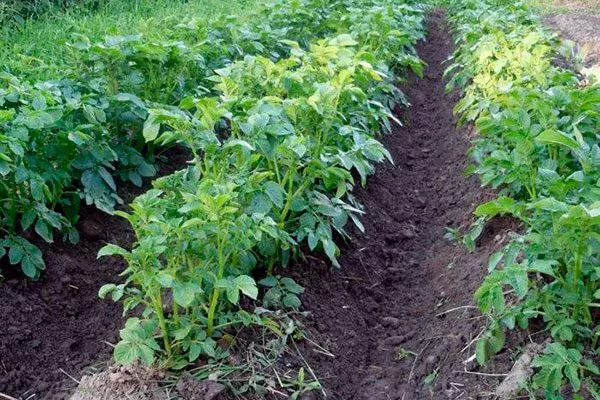
- Make furrows about 10-15 cm deep and about 60 cm apart.
- Place the planting material with the eyes facing down in the furrows at a distance of about 30 cm from each other.
- Cover them carefully with soil.
Water the soil well after planting to ensure moisture and encourage early growth.
Features of cultivation
Seedling care plays a vital role in crop development and future yields. It includes the following activities:
- Watering. Potatoes prefer moist soil but do not tolerate standing water. Water them regularly, especially during dry periods. Keep the soil moist, but not overly wet, to prevent tuber rot. It's best to water early in the morning or late in the evening to minimize water evaporation.

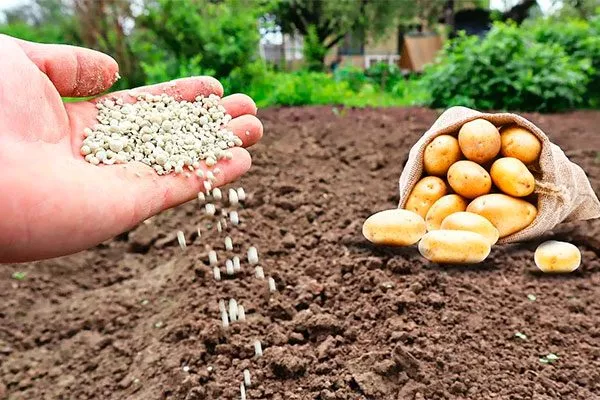
- Top dressing. The crop requires sufficient nutrients for good growth and tuber development. Feed it with potassium-rich fertilizers, especially during active growth and flowering. Fertilizers can be applied in both liquid solutions and dry forms, following the package instructions.
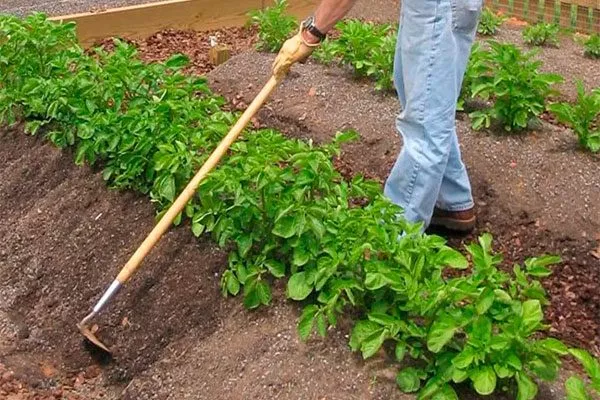
- Hilling. This procedure improves oxygen access to the roots and prevents the formation of green tubers. Hilling should be performed when the plants reach a height of about 15-20 cm. Collect the soil around them to a height of about 10-15 cm, leaving only the tops of the plants above the surface. Repeat this process every 2-3 weeks.
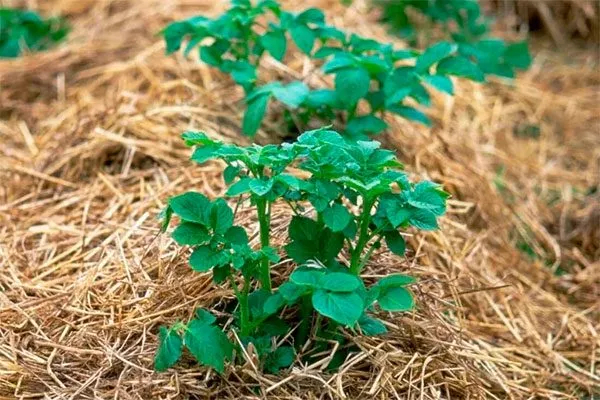
- Mulching. Mulching helps retain moisture in the soil and inhibits weed growth. Once the plants have grown, apply a layer of mulch to the soil around them. Straw, hay, or grass can be used. Make sure the mulch doesn't touch the plant stems to avoid suffocating them.

- ✓ Hilling should be done in the morning hours, when the soil is moist, but not wet.
- ✓ The air temperature during hilling should not exceed 25°C to avoid stress on plants.
Following simple agricultural recommendations ensures a good harvest of the Sifra potato, which, despite its recent appearance, is popular among gardeners and farmers.
Pests and diseases
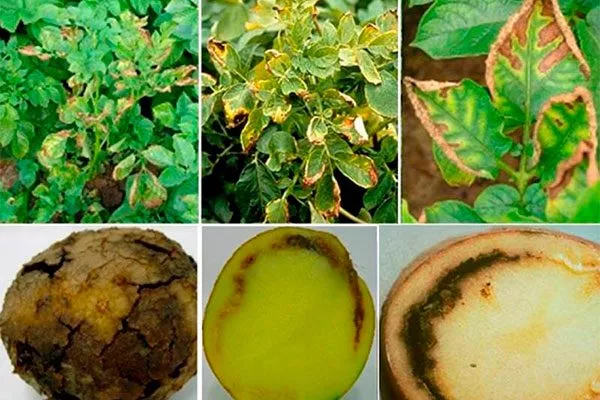
This potato variety has high resistance to canker and potato nematode, but its resistance to late blight is considered average. Plants are susceptible to various pests.
If there is a widespread infestation of Colorado potato beetles, aphids, wireworms, and other insects, treat the plants with Confidor, Iskra, Fufanon, Colorado, or Agravertin. To prevent fungal diseases, treat the bushes once with fungicides such as Quadris, Hom, Fitosporin, Maxim, or use Bordeaux mixture.
If your bushes are infected with late blight, dig them up and destroy them immediately to prevent infection of neighboring plants. Do the same with the tops after harvesting.
Harvesting and storage of crops
Carry out the first potato harvest in late July or early August. The final harvest is in late August or early September. Dig the tubers only in dry, warm weather. After digging, dry the vegetables slightly and sort them into large and small pieces, placing them in bags.
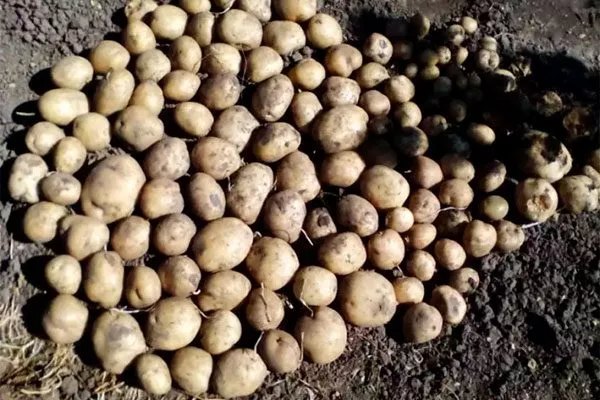
For the first 2-3 weeks after harvesting, store the tubers in a cool, dark place at a temperature of approximately 14-15°C. Then, for the winter, move them to cellars or storage areas where the optimal temperature is 4-6°C and the humidity is approximately 60%.
Reviews of the Sifra potato variety
The Sifra potato is a high-yielding variety with excellent flavor. It has an attractive presentation and excellent shelf life. It is drought-resistant, making it suitable for cultivation in most regions of Russia. Proper care ensures a strong immune system and abundant winter supplies.