
Sharvari Piroshka is an unusual and attractive potato variety, popular for its high yields and excellent product quality. It is characterized by excellent flavor and disease resistance. With proper agricultural practices, the crop will grow and thrive.
Characteristics of the variety
This elite variety is surprisingly easy to care for and highly resistant to various pathogens. Despite its recent market introduction, the plant has already earned the recognition of many gardeners thanks to its reliability and excellent commercial qualities.
History of selection
This new variety from Hungary is not yet listed in the Russian State Register. However, it is already in high demand among Russian agronomists and is a top seller in seed potato stores.
Description of tubers and bushes
This mid-early vegetable ripens 65-75 days after planting. Here's a brief description of this variety:
- The bushes are upright, medium-leaved, but may lodge a little.
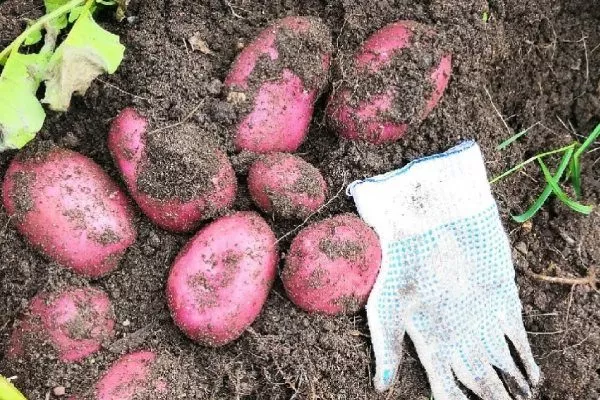
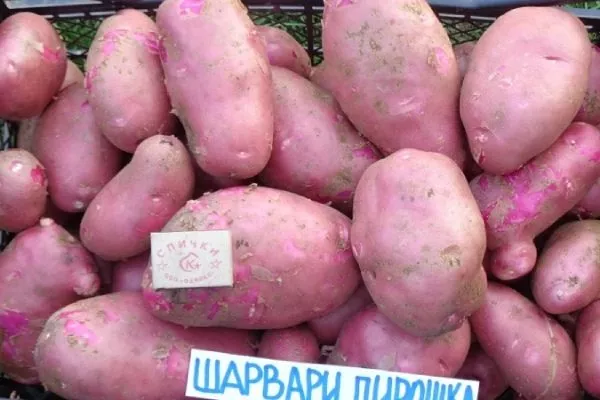
- The tubers are oval-shaped, have medium-sized eyes, and weigh from 80 to 140 g.
- The skin is reddish. The flesh is white.
- The flowers are small, compact, and pink in color.
Commercial and taste qualities of tubers
Type B potatoes are versatile and suitable for a variety of culinary applications, from frying and baking to boiling. The potato's starch content is approximately 12%, ensuring moderate cooking and minimal browning of the flesh during cooking.
Productivity and harvest timing
The harvest is 65-75 days after germination. The tubers store well and retain their flavor for a long time. This potato variety is considered a table potato and has an average yield of 40-45 tons per hectare.
- ✓ Resistance to most common diseases, except for alternaria and the Colorado potato beetle.
- ✓ Average yield is 40-45 tons per 1 ha, which requires optimal growing conditions.
Disease resistance
The characteristics highlight the variety's low susceptibility to disease. Sharvari Piroshka is immune to most common diseases, but vigilance is important to prevent insect attacks.
Common problems:
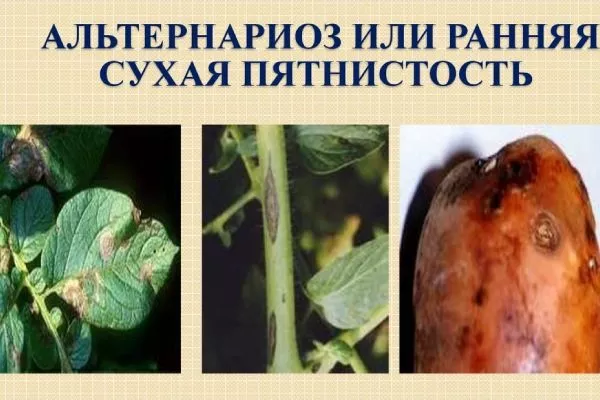
- Alternaria. A bacterial disease. It attacks potatoes before flowering, especially in extreme heat and drought conditions. Symptoms include brown, rotting spots, starting on the lower leaves and spreading upward.
To treat bushes, use the following preparations: Profit, Mancozeb, Ridomil Gold, with 3-4 treatments at intervals of 10-14 days. - Colorado beetle. This is the most dangerous pest, capable of destroying potatoes in a matter of weeks. To prevent damage, inspect your plants regularly and, if detected, apply Aktara or Agravertin.
For prevention, autumn soil digging and crop rotation are recommended. - Khrushchev. A small, whitish larva of the cockchafer. It poses a serious threat, especially to tubers. To combat this pest, use mechanical methods: digging the soil in the fall and planting dill, fennel, and lupine nearby. An infusion of onion peels can help combat existing cockchafers.
Monitor the development of plants to prevent diseases or pest attacks in a timely manner.
Landing features
This crop performs best when grown in flat, draft-free conditions. Preferred predecessors for this variety include legumes, garlic, dill, and various grains. Although this potato is not fussy about soil composition, it produces its best fruit in black soil.
Follow these recommendations:
- Boarding time. The optimal time for planting depends on climate conditions and air temperature. The best time is early May, after the last frost. In warmer climates, planting can be done as late as late April.
Wait until the air temperature rises to +15°C and the soil warms up to +12°C. - Preparing the soil. Begin preparing the plot for growing potatoes in mid-September. Remove debris and weeds, dig the soil to a depth of 50-60 cm, treat with a weak solution of copper sulfate, and fertilize with wood ash. Two days before planting, dig the soil again, water it, and fertilize with bird droppings.
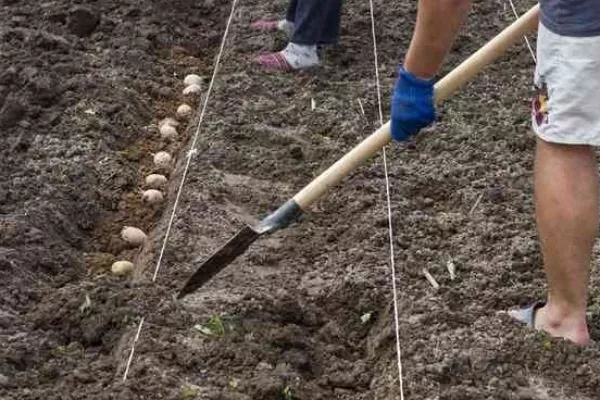
- Landing. The plants are compact and don't require much space. Prepare the holes the day before planting to a depth of 7-9 cm. Space plants up to 30 cm apart, and row spacing is 65-70 cm.
- ✓ The optimal soil temperature for planting should not be below +12°C, which is critical to prevent tuber rotting.
- ✓ The planting depth of tubers should be 7-9 cm, which provides optimal conditions for their development and protection from frost.
Care instructions
This crop doesn't require complex care. Follow these agronomic practices:
- Watering. Requires regular watering, especially during dry periods. Water should be sufficient to moisten the top layer of soil down to the plant roots.
The best time to water potatoes is morning or evening, when the sun is not as intense. This helps prevent water evaporation and leaf burning. After flowering, gradually reduce the amount of water as the plant enters the tuber maturation phase. This helps speed up the process and prevent rot. - Loosening. This variety prefers well-drained soil. Rake the bed regularly. The first rake is recommended 7-10 days after planting. Repeat this procedure weekly thereafter, and every 3-4 days during rainy weather.
To ensure good development, loosen both the space between rows and the soil around each bush. - Mulching. Fertilization plays a vital role in achieving a bountiful harvest. Mulching is a good way to provide additional nutrition. Natural mulch, such as grass clippings, is suitable for this crop. Lay a 10-15 cm thick layer over the entire area.
Once the sprouts reach 6 cm in height, lay down a second layer of grass. Remove the mulch before harvesting.
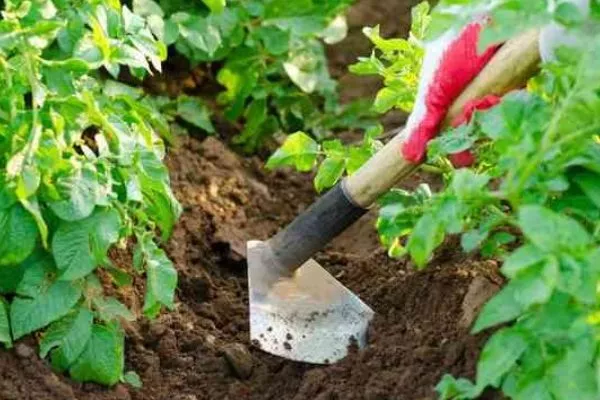
Hilling helps protect potatoes from frost, keep the soil loose during rain, and prevent pest attacks. Perform the first hilling when the sprouts reach 14-16 cm, or 2/3 of the way up the plant. Do this twice per season, repeating the hilling process 2-3 weeks after the first.
Harvesting and storage
Sharvari Piroshka potatoes are ready to harvest from mid-July. A week before harvesting, trim the potato plants to ground level. After digging, let the tubers dry for 2-3 days, spreading them out in a single layer.
Advantages and disadvantages
This variety is a member of the elite potato family and offers a number of advantages. These include:
Flaws:
Gardeners' reviews
Sharvari Piroshka is a potato with numerous impressive qualities. It boasts excellent flavor, produces large yields, and is suitable for a variety of dishes. With a little attention to detail and adherence to basic farming practices, you can grow disease-resistant plants that produce high-quality, large fruits.