
Salblue is the best potato variety for both beginner and experienced gardeners. Its unique qualities and ease of care make it a perfect choice for gardening. To ensure a bountiful harvest and the creation of original dishes, it's important to provide the crop with proper care and proper agricultural practices.
Origin
This is a relatively new variety, bred in the Netherlands by HZPC. It has quickly become popular among gardeners in our country.
Suitable for cultivation on small farms and oriented towards the needs of industrial lands.
Description of the bush
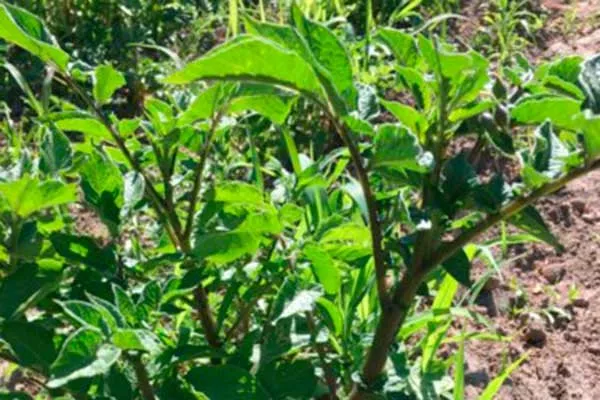
The plant has a semi-erect rosette, reaching 50-70 cm in height. During flowering, it is covered in white flowers with black stamens, which facilitates active pollination by insects. This improves fruit set and positively impacts productivity.
Parameters of purple root vegetables, their taste and purpose
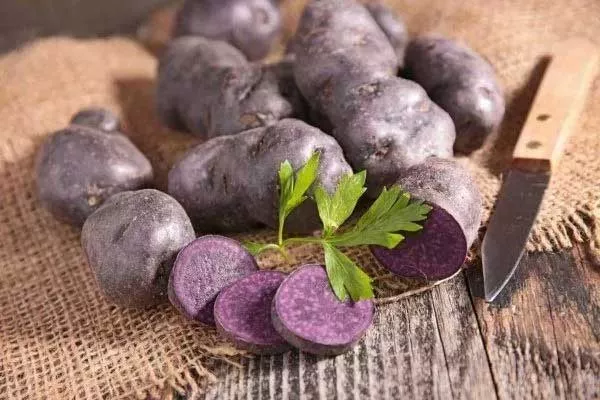
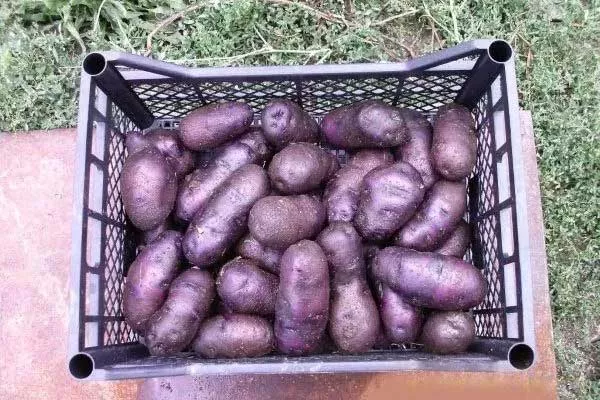
The vegetables are oval-round in shape with purple skin. Each tuber weighs approximately 110-115 g, and the eyes on the surface are medium-sized, making them easy to peel. They are considered a table variety and are ideal for making fries, chips, and other dishes.
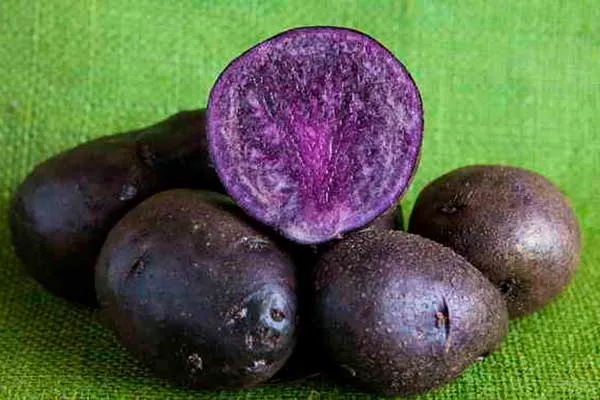
It's known for not falling apart when cooked, maintaining its shape and texture. The flesh has a faint blue or dark purple color, giving dishes a unique and appealing appearance. The flavor is rated excellent.
Characteristics of blue potatoes
This is a mid-early variety, with a maturation period of 75-80 days from germination to harvest. This allows for relatively short growing and harvesting times, ensuring an early harvest by early summer.
The crop has high productivity – on average, 35-40 tons can be harvested from 1 hectare.
Culinary uses
Purple potatoes were long considered a true delicacy and commanded very high prices due to their rarity and unusual appearance. They were primarily used in high-end restaurants, where their exotic coloring and exquisite flavor were prized.
Rules
Today, this vibrant vegetable is accessible to everyone and is widely used in both home kitchens and restaurants. Here are some of its characteristics and uses:
- Potatoes are boiled and mashed, making a vibrant addition to meat or vegetable dishes. Butter and milk are added for a richer flavor.
- Excellent for baking. Cut it into cubes or wedges, season with olive oil, salt, and pepper, and bake until golden brown. The vegetable retains its vibrant color and becomes crispy on the outside and soft on the inside.
- It's used in cold salads. For example, it's boiled, chopped, and mixed with vegetables, herbs, and olive oil. Its bright color makes the dish visually appealing.
- The purple vegetable is sliced and deep-fried or baked to create crispy chips or French fries of a unique color.
- It's great for soups and creamy soups, adding interesting color and nutrients. It pairs well with other vegetables, such as carrots, onions, and garlic.
Follow these recommendations:
- Cook in salted water to preserve all the nutrients.
- After boiling in their skins, the peel comes off easier than with the regular variety.
- Best paired with: beans, meat, vegetables, fish and herbs.
- To cook the root vegetable faster, add 20 g of butter, and after boiling, cool the pan under cold water with ice added.
- Do not use a blender as the potato mixture will turn into a paste.
- When boiling peeled root vegetables, the water may turn emerald green due to the natural pigments. Use it to make soup or sauce.
Possible contraindications and indications
This variety has virtually no contraindications. However, limit its use in the following cases:
- low blood pressure (hypotension);
- individual intolerance;
- tendency to constipation;
- low acidity of gastric juice;
- obesity in the last stage.
At the same time, this vegetable is especially useful for the following conditions and diseases:
- hypertension (high blood pressure);
- diabetes;
- weakened immunity;
- intoxication of the body;
- some diseases of the heart and circulatory system;
- inflammatory processes.
It helps maintain health thanks to its rich composition, full of antioxidants and microelements.
The benefits and harms of eating unusual potatoes
Thanks to its high potassium content, the vegetable lowers blood pressure, and antioxidants neutralize free radicals, slowing down the aging process.
Potatoes have a beneficial effect on the body:
- increases resistance to colds and infectious diseases;
- regulates the liquid level;
- improves the functioning of the endocrine system;
- anthocyanins in the composition have a positive effect on vision;
- helps reduce the risk of cardiovascular diseases;
- helps normalize blood glucose levels;
- eliminates flatulence, accelerates digestive processes;
- reduces acidity in the stomach in gastritis with high acidity;
- reduces inflammation in internal organs;
- improves myocardial function and the nervous system.
Contraindications can exacerbate certain medical conditions, such as hypotensive crisis due to hypotension. Overeating the vegetable can cause flatulence, heaviness in the stomach, constipation, and bloating. Individual intolerances can lead to allergic reactions.
Growing Salblue potatoes
The crop is undemanding of soil and adapts well to a variety of climatic conditions. This variety is resistant to most diseases and pests, making it easy to care for and producing a consistent harvest.
Choosing a location for growing
The crop thrives in sunny areas with good air circulation. Choose sites that don't retain water and don't flood after rain. Avoid placing it near crops that may harbor diseases or insects.
- ✓ The site must be protected from strong winds that can damage plants.
- ✓ The soil should have a pH of 5.5-6.5 for optimal potato growth.
Preparing the soil for planting Salblue potatoes
The soil should be fertile, well-drained, and rich in organic matter. Before planting, prepare the site by removing weeds and digging the soil to a depth of 20-25 cm. If necessary, add compost or humus to improve fertility.
Boarding times and algorithm
Carry out this procedure in the spring, when the soil temperature reaches 8-10°C. Two to three weeks before planting, select healthy, medium-sized plants (approximately 50-70 g). Place them in a bright, warm location for germination. Wait until sprouts 1-2 cm long appear.

Step-by-step instructions:
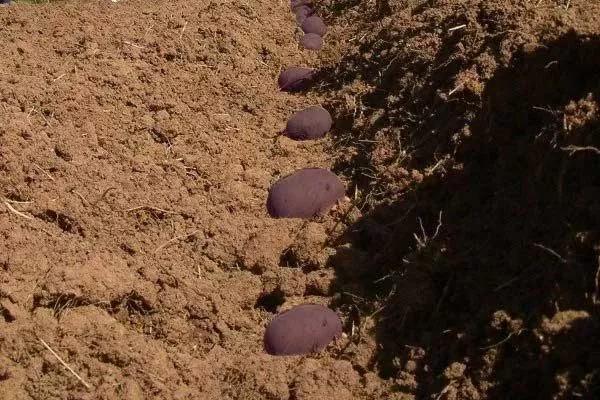
- Dig furrows or planting holes to a depth of 10-15 cm.
- Leave a distance of about 30 cm between tubers in a row and 60 cm between rows.
- Place the planting material with the sprouts facing up and cover them with soil.
It is quite easy to cope with this event.
How to care?
Caring for your crop involves several key aspects that will help ensure healthy plant growth and a bountiful harvest. Follow these simple agricultural practices.
Watering
Water the bushes regularly, especially during dry periods. Apply warm water to the roots once a week. During flowering and tuber formation, increase the frequency of watering to maintain stable moisture levels.
- Before planting, apply 30-40 g of superphosphate per 1 m².
- During the budding period, use 20-30 g of potassium salt per 1 m².
- After flowering, apply 10-15 g of ammonium nitrate per 1 m² to support tuber growth.
Rules for fertilizing
Apply complex mineral fertilizers 2-3 weeks after planting. During flowering, when tubers are actively forming, organic fertilizers, such as mullein infusion or compost, are effective. Alternate organic and mineral fertilizers.
Soil care
Mulching helps retain soil moisture and prevent weed growth. Use straw or hay, and apply a 5-7 cm layer. Loosening the soil improves aeration and strengthens the root system. Fluff the soil after each watering, especially in dry weather, to prevent crusting.
Diseases and insect pests
Salblue is characterized by a strong immune system and is not susceptible to most viruses. However, it can suffer from a disease called scab:
- Spreads to root crops, especially in light soil and in hot, dry weather.
- A whitish coating appears on the tubers, after which small rotting wounds form.
- To prevent scab, carry out pre-sowing treatment using Integral or Trichodermin.
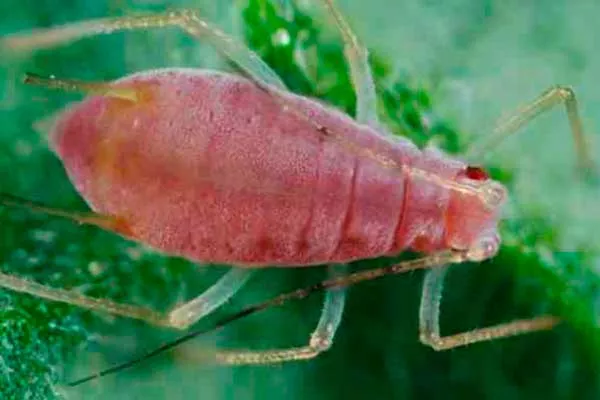
Potato aphids, a small, bright green insect, can attack your plants. They damage the tops of your plants by sucking out their vital juices. They spread through weeds and ants. To control them, introduce ladybugs into your beds. For severe infestations, spray with Confidor, Aktara, or Actellic.
Harvesting and storage
Dig up the root vegetables starting in mid-July. Trim off the tops a week beforehand. After digging, spread the tubers out in the sun for 2-3 days to dry. Once the vegetables are dry, store them in a dry, cool, and well-ventilated cellar.
Positive and negative qualities
Before planting a crop on a plot, carefully evaluate its advantages and disadvantages to avoid negative consequences.
Salblue has many advantages:
Reviews
The Salblue potato is gaining increasing popularity among gardeners thanks to its unique characteristics and excellent taste. This variety stands out for its attractive appearance, strong immunity, and resistance to adverse weather conditions. To ensure a bountiful harvest, it is important to provide the crop with proper care.