
The Ragneda potato has become widely popular among gardeners in our country. This variety is recommended for growing, even for those with little experience. Abundant harvests are only possible if proper agricultural practices are followed. With minimal care, you can harvest large, beautiful tubers in the fall, delighting you with their juicy flesh.
Who developed the variety and when?
The cultivar was developed by L. V. Nezakonova, N. V. Rusetsky, A. P. Pingol, and V. M. Yerchik. The breeding work was conducted at the Republican Unitary Enterprise "Scientific and Practical Center for Potato, Fruit and Vegetable Growing of the National Academy of Sciences of Belarus." To create the variety, the specialists crossed the Charodey and 1579-14 potato varieties.
Characteristics of Ragneda potatoes
The crop has excellent varietal characteristics. Due to its numerous positive qualities, agronomists across our country choose this crop for planting in their gardens.
Appearance of tubers and description of the bush
Tall bushes with semi-erect stems are covered with medium-sized leaves in various shades of green. Other distinctive qualities:
- Sometimes the edges of the leaves may be slightly wavy.
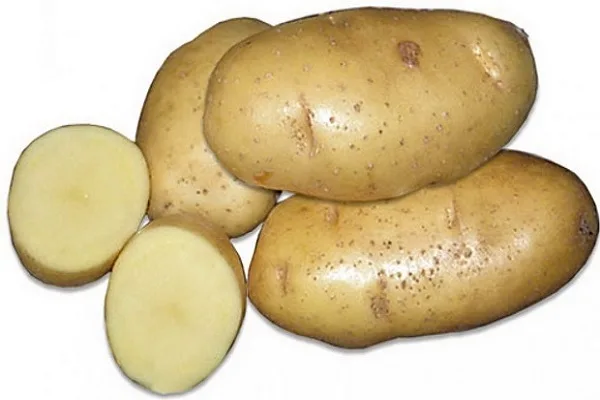
- Each plant usually produces 12 to 14 tubers, their weight ranging from 78 to 120 g.
- The tubers are oval or round in shape with a yellow top and smooth skin.
- The pulp has a delicate creamy hue.
Chemical composition, trace elements and vitamins
Potatoes are rich in proteins, vitamins, and minerals. Eating 200-300 grams of the vegetable daily will provide you with sufficient vitamin C. Potatoes contain a complex of B vitamins, folate, potassium, phosphorus, and organic acids (citric, oxalic, and malic).
The skin and above-ground portion of potatoes contain solanine, a toxic substance. Sprouted tubers contain particularly high concentrations of solanine. Therefore, eating green potatoes is not recommended.
Taste and methods of consumption
It has excellent flavor characteristics—not too sweet and cooks well. It contains an abundance of vitamins, especially carotene, which gives the tubers their yellow hue. It's ideal for mashed potatoes; when simmered, it becomes tender and soft.
Rogneda is a table potato variety intended for cooking, and there are many recipes for potato dishes. The nutritional value is fully preserved when the potato is cooked in its skin ("in its jacket").
Ripening period, yield
This mid-late variety requires 95 to 110 days after the first shoots emerge for the tubers to fully mature. This time is sufficient to ensure good ripening.
Belarusian potatoes have long been renowned for their high yields. With proper care, they can yield between 187 and 353 centners per hectare. The maximum yield is 431 centners per hectare. The marketability of mature tubers ranges from 83 to 96%.
Disease resistance
It exhibits high resistance to late blight, making it an attractive choice for agronomists. It is capable of combating various diseases, such as potato canker, golden cyst nematode, some types of mosaic, and leafroll virus.
Regions for cultivation
According to Rosreestr, the Ragneda potato variety is recommended for cultivation in the Central and Northwestern regions of Russia. However, its popularity is spreading to other zones as well. Every year, gardeners in various regions of Russia and Ukraine choose this variety for their plots.
Advantages and disadvantages of the variety
The variety's drawbacks include the appearance of small tubers and watery fruits, but this is most often due to improper cultivation practices and unfavorable weather conditions.
What is the difference from other varieties?
Compared to other mid-late varieties, Ragneda stands out for its ease of care, resistance to common potato diseases, and ability to retain its flavor for a long time.
Landing features
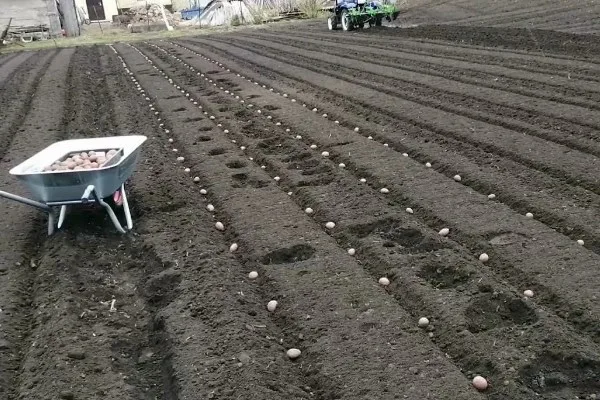
Even a novice gardener can manage planting this crop. Plant seeds in early to mid-May.
- ✓ The optimal soil pH should be in the range of 5.0-6.0 to prevent scab development.
- ✓ The soil should be well aerated, avoid areas with stagnant water.
For successful cultivation, it is necessary to follow certain recommendations:
- Three to four weeks before planting, sort and inspect the seeds, removing any diseased, small, or weak specimens. Allow the tubers to germinate.
- The crop can be grown in most soil types in temperate climates, although light, crumbly soils are preferred. Heavy loamy soils are not recommended. The site must provide adequate light, as insufficient light can result in small tubers.
- In the spring, dig the area and add manure. When choosing a planting site, consider crop rotation and avoid areas where tomatoes were previously grown.
Care instructions
When growing the crop, follow standard agricultural practices. Adhere to the following care procedures:
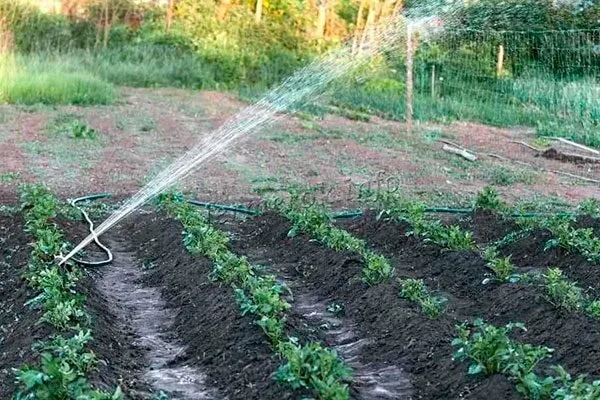
- Watering. Although the crop is resistant to drought and heat, watering is necessary when buds appear and during the flowering period to ensure uniform growth of tubers.
- Top dressing. Plants can grow without fertilizer, but to ensure a high yield, it's recommended to fertilize twice: once the plants reach medium size and again after a month. Using composted grass during hilling provides additional nutrition.
- Weeding. The first shoots usually appear within 10-15 days, and weeds begin to grow within 4-5 days. During this time, carefully rake the soil to remove weeds and prevent damage to the tubers.
Pest and disease control
Ragneda is highly resistant to most diseases. However, there are certain viruses that can affect this variety:
- Late blight. It appears as dark spots on the leaves. The bushes begin to wilt. To control it, use whey, iodine, or Fitosporin. Treat the entire planting with one of these products.
- Scab. A disease that causes ulcers to form on tubers. Treat planting material with Fitosporin for prevention and grow green manure before and after planting potatoes.
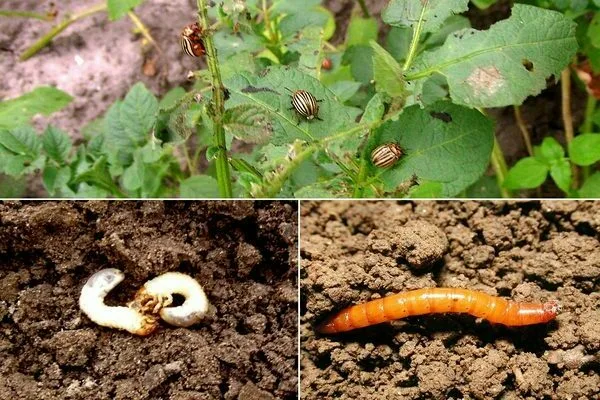
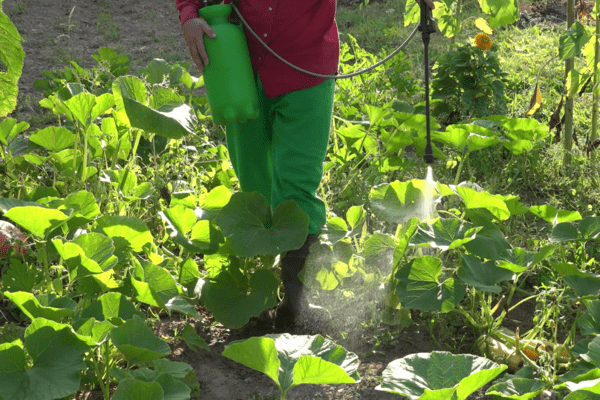
- Colorado beetle. The pest is damaging the leaves of the plant. Sprinkle wood ash on the wet foliage if the infestation is minor. If the infestation is severe, use Confidor or Mopisplan.
- Wireworm. The pest eats the flesh, leaving long tunnels in the tubers. Plant rye or mustard in the area and avoid planting potatoes for the next few years.
The crop may be susceptible to various viruses, which manifest as reduced leaf size, discoloration, and subsequent leaf curling. In this case, dig up individual plants and dispose of the harvest. Viral diseases are not treatable.
Difficulties in growing
An overheated, dry climate can negatively impact potato yields, causing tubers to dry out and shrink. On the other hand, prolonged periods of heavy rainfall can lead to excess soil moisture, which can contribute to potato rot.
Heavy and compacted soils impede drainage and aeration, increasing the risk of rot. By choosing the right variety, implementing appropriate care methods, and organizing a drainage system, the impact of these factors on potato yield can be mitigated.
Harvesting and storage
To keep the potato crop in excellent condition for a long time, it is necessary to harvest it correctly and in a timely manner.
How and when to collect?
Harvesting can begin in mid-September. You can tell when the vegetables are ripe by the tops: they turn yellow and begin to dry out. Before digging up the potatoes, remove the tops from the plot.
When harvesting, avoid mechanical damage to the tubers to preserve their integrity. Be sure to dry the harvested crop and sort it to eliminate damaged or diseased specimens.
- ✓ Tubers do not lose moisture and do not wrinkle during long-term storage.
- ✓ Retains its taste even after 6 months of storage.
Storage features and shelf life of the variety
Store the harvested potato crop in a cool, dark place at a temperature of up to +5°C and humidity of approximately 80%. Under optimal storage conditions, potatoes will retain their quality and freshness until May of the following year.
Tips from experienced gardeners
Experienced agronomists familiar with the specifics of crop cultivation recommend following certain measures. Follow these recommendations:
- Choose a planting area with good sunlight, without shading.
- Prepare the soil for autumn digging by adding compost and wood ash to improve its fertility.
- Sprout the tubers a week or two before planting to stimulate their growth and development.
Maintain a moderate level of moisture in the beds, avoiding excess water, which will help prevent various diseases and rot.
Reviews
The Ragneda potato has gained popularity among gardeners in our country. This is due to its excellent varietal characteristics, including disease resistance and high yields. To ensure strong immunity and high-quality, large tubers, it is important to provide the crop with timely and proper care.