
The Mirage potato is very popular among gardeners in our country. This domestically bred variety is chosen for its excellent characteristics, including drought tolerance, ease of care, and high yields. Adherence to agricultural practices plays a crucial role in plant development and the marketability of the tubers.
Characteristics of Mirage potatoes
It is versatile, as it can be successfully grown in most Russian soils, with the exception of those that are too clayey or saline. It tolerates light frosts well and is resilient to sudden temperature changes.
Description of the appearance of the bush and tubers
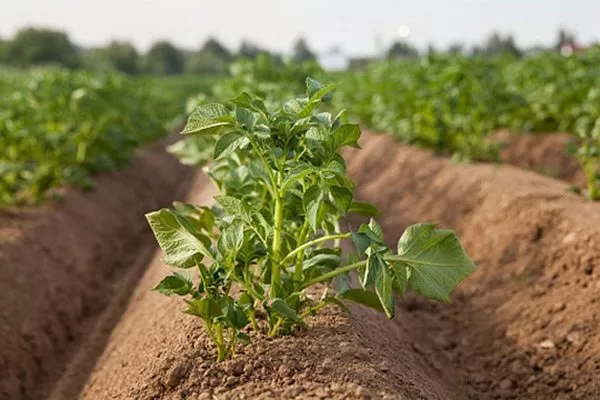
The bush grows to a medium height, reaching 60-70 cm. It has a semi-upright, spreading growth habit. Other distinctive qualities of the variety:
- The stems are covered with medium-sized leaves, colored dark green.
- During the flowering period, the plants are covered with large, red-violet flowers.
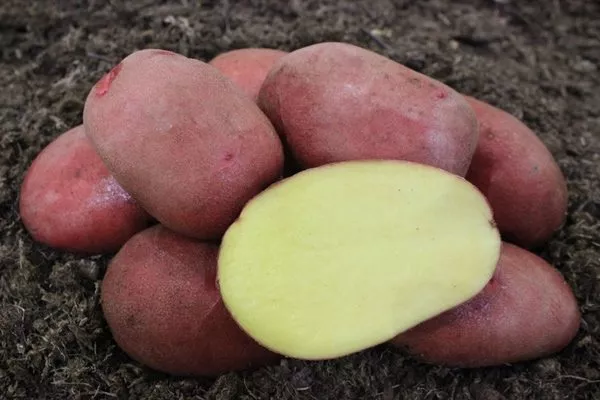
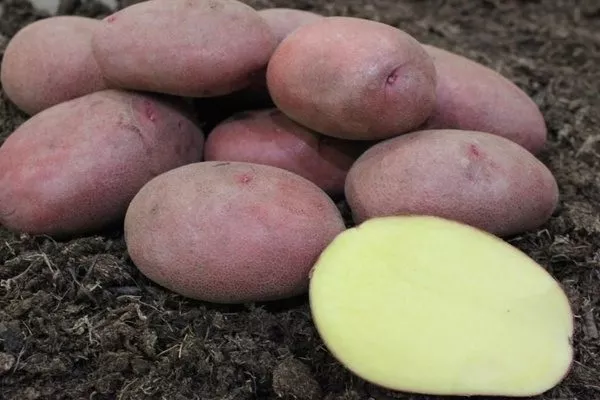
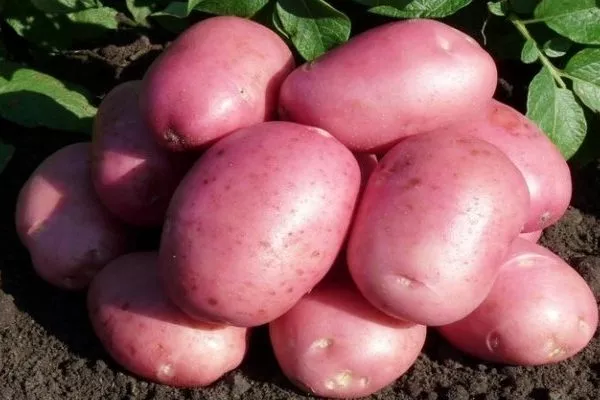
- Each bush produces 10 to 15 tubers. They are oval in shape and weigh between 90 and 120 grams each.
- The rind is distinguished by its bright red color and smooth texture.
- The flesh is light yellow, without darkening.
- The eyes are small, red and occur in small numbers.
Taste and purpose
The taste characteristics are noteworthy. The flesh has a delicate and pleasant flavor. Thanks to its composition, the variety has excellent culinary properties and is suitable for preparing a variety of dishes.
Pros and cons
Mirage is one of the most undemanding domestic varieties. It thrives in a variety of climates and requires little care. Its key advantages include:
The young variety has some drawbacks. Potato growers most often note the following:
Landing features
Mirage is considered one of the most versatile varieties. Its planting characteristics may vary depending on the growing region. It is remarkably hardy and doesn't require extensive sun hardening before planting, but in harsh conditions, additional protection is always recommended.
Planting dates
It's a late-season variety, so in most regions it's planted in mid-May. The best time to plant is a clear, warm, windless day. Ideally, there should be no frost for the next few days.
Site preparation
For cultivation, choose an open, sunny area, preferably located away from tomatoes. The first stage of soil preparation begins in the fall, when the soil is dug deeply and manure is added.
Carry out the next stage in mid-April. Loosen the soil, remove all weed sprouts, and additionally fertilize the soil with organic matter.
Planting diagram
Seeds can be planted in difficult soils in regions with relatively cool climates. Place the tubers at a depth of 20 to 25 cm to protect them from frost and cold winds.
The bushes grow small, so leave enough space between them – about 30 cm. There shouldn't be a large gap between rows – about 55-60 cm.
Care
The Mirage variety doesn't require complex care or special agricultural techniques. However, proper care can strengthen the plant's immune system and improve productivity.
Loosening
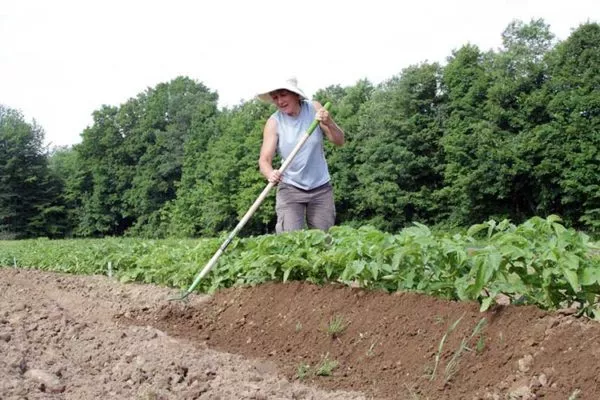
Loosening the soil ensures maximum oxygen access to the potatoes and helps prevent weeds from taking root in the area. Loosen the soil for the first time 4-5 days after planting. Then, carry out deeper loosening every 10-14 days until flowering begins. At the same time, dig between the rows to remove weeds.
Watering
Potatoes require only occasional standard watering, especially if there is sufficient summer rainfall. Water the first time immediately after planting. Then, moisten the soil as needed. It's important to ensure adequate watering during budding and early flowering.
Hilling
Hilling potatoes is an important agricultural practice aimed at creating raised beds around the plants. Helpful tips:
- Carry out the first procedure 2-3 weeks after germination. The idea is to rake the soil into the beds to increase the root zone volume and prevent the formation of green tubers. When hilling, leave only the top leaves of the plant above the soil.
- Carry out the second and subsequent hillings 2-3 weeks after the previous procedure. This process is intended to further accumulate soil at the base of the plants and strengthen the beds.
This helps prevent weed formation, increases oxygen availability to the roots and reduces the likelihood of tubers freezing in the event of sudden frosts.
Diseases and parasites
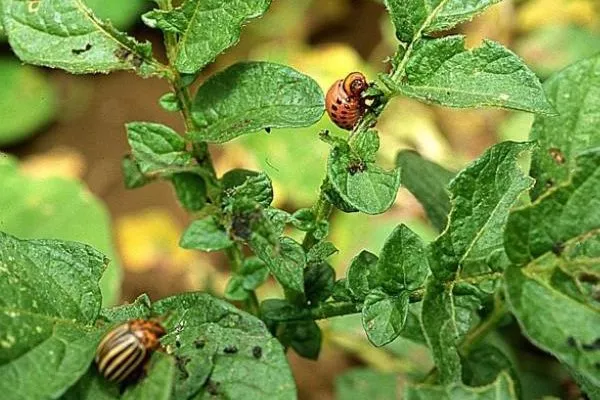
Mirage is one of the most disease-resistant varieties. It is most often grown in cooler regions where pest threats are less severe.
Rhizoctonia
A dangerous disease that appears on tubers as brownish, dirt-like spots. Fertilizing with ash and manure is a good preventative measure. To disinfect already affected areas, use products with biochemical properties, such as Maxim, Planriz, Integral, and others.
Common scab
Potato scab most often appears on calcareous soils. The main symptom is enlarged and thickened ulcers on the tubers. To prevent the disease from developing, treat the tubers with King Combi and Protect before planting.
Leaf curl
Leaves affected by the disease begin to turn yellow, become stiff, and curl. The virus is transmitted by parasitic insects. Preventing curling in the garden involves deep digging between rows and fertilizing with manure. A copper sulfate solution is effective for controlling the disease once it has developed.
Harvesting and storage
Harvest from mid-September to early October. The main sign of potato tuber maturity is yellowing of most of the foliage. Trim the tops down to the roots, and after 5-6 days, begin digging up the potatoes. Dry the tubers in the sun and store in a cool, ventilated cellar.
Reviews
Many gardeners choosing the Mirage potato are new to planting this crop. This low-maintenance variety requires minimal attention, and gardeners rarely encounter problems. With timely watering and fertilizing, it will reward you with generous harvests, delighting you with high-quality tubers that have excellent shelf life.