
The Manifest potato is one of the best varieties for both beginner and experienced gardeners. It has many positive varietal qualities, including high yields and disease resistance. To ensure strong immunity, good growth, and development, it is important to provide the variety with proper and timely care.
Who developed the variety and when?
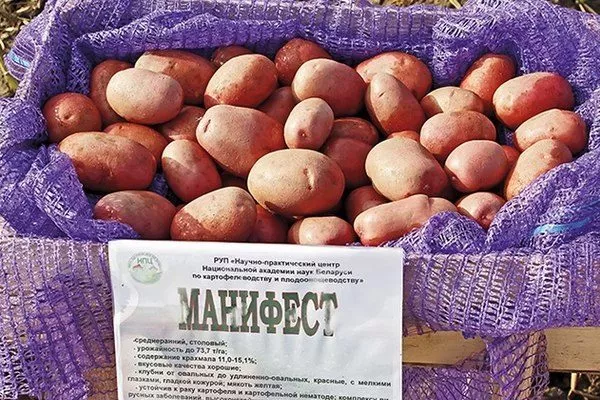
The variety's creators are a team of Belarusian scientists: I. I. Kolyadko, L. N. Vologdina, V. L. Makhanko, and Yu. V. Gunko. The variety was approved for use in 2014. Soon after, it gained popularity beyond Belarus.
General description
The Manifest potato is a mid-early ripening vegetable crop characterized by high yields and high-quality tubers. These characteristics make it a popular choice for many gardeners.
What does the bush look like?
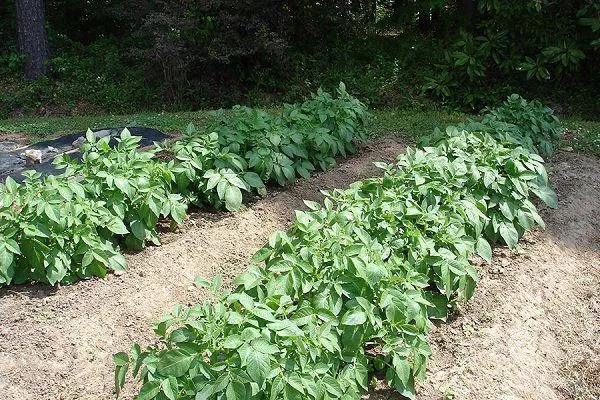
It forms intermediate-sized bushes, typically no more than 50 cm tall, depending on regional conditions and care, which can be medium or intensive. The foliage is covered with medium-sized leaves with a wrinkled texture and curved edges.
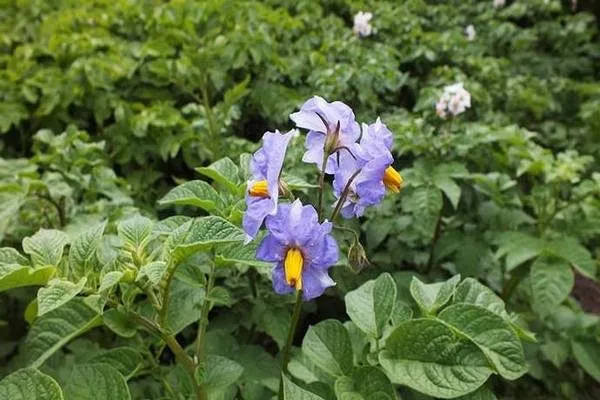
The foliage is a grassy green. The small flowers within the corolla have a distinct anthocyanin hue, which becomes lighter, almost white, towards the tips of the petals.
Characteristics of tubers
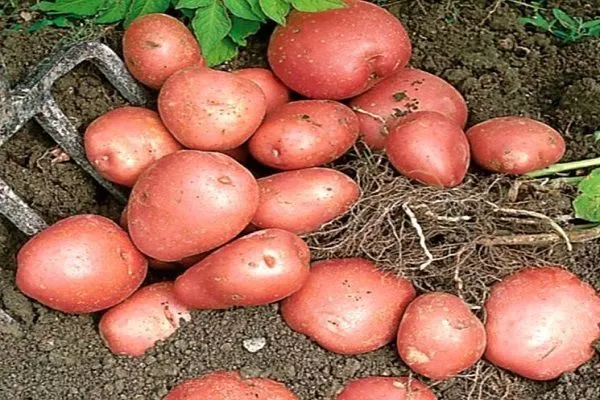
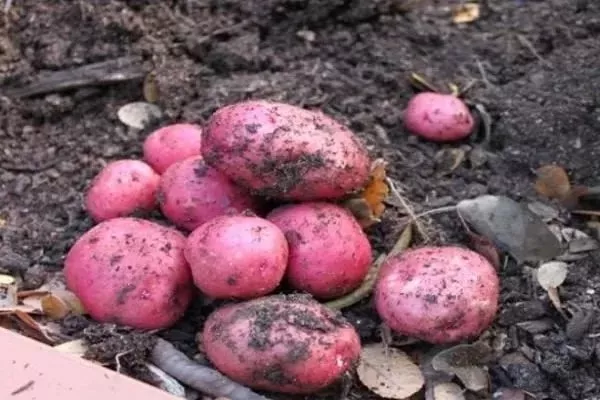
The weight of each tuber varies from 104 to 143 g, sometimes more. The starch content ranges from 12 to 15%. The tubers have a pinkish tint to their skin and an oval-oblong shape. When cut, the potato has a light amber tint.
Compound
Potatoes are a valuable source of vitamins, macro- and microelements essential for human health. Per 100 g of product, they contain:
- caloric content – 75-80 kcal;
- proteins – 1.8-2 g;
- fats – 0.3 g;
- carbohydrates – 16-17 g;
- starch – 15.6 g.
Potato tubers are rich in the following vitamins and elements: B1, B2, B5, B6, B9, C, E, PP, K. They contain the following macro- and microelements: potassium, chlorine, calcium, sulfur, sodium, magnesium, calcium, phosphorus, iron, lithium, iodine, vanadium, zinc, fluorine, copper, boron and manganese.
Ripening time and yield
This is a mid-early variety: 90-110 days pass from planting to harvest. Yields range from 170-370 centners per hectare. On average, one bush produces 13-15 tubers. For personal consumption, it is recommended to plant up to 500 tubers per 1 are of land.
Consumer and commercial qualities of tubers
The flesh is light yellow and moderately starchy. Tubers vary in size: a single plant can produce both large specimens (over 150 g) and small ones.
The taste of potatoes is an important criterion for gardeners. This variety is suitable not only for boiling, but also for frying, adding to soups, making mashed potatoes, and making chips and French fries.
Which regions is it suitable for?
Planting begins in late May. This variety requires stable, warm weather to fully ripen, so it is commonly grown in temperate regions such as the Central, Northwestern, and Volga-Vyatka regions of Russia.
Landing
Planting requires some preparation, but once completed, it's simple and effective. It can be grown in a variety of soil types, but light to medium soils, fertile sandy loams, or loose loams are preferred. The planting site should be sunny and open. The planting time varies by region and typically ranges from 8-10°C (46-50°F) with soil temperatures.
Follow the recommendations:
- Begin preparing the planting material a month before the planned planting. Sort the tubers, wash them, and leave them to germinate. You can soak the tubers in a potassium permanganate solution or treat them with chemicals.
- When planting, consider the correct choice of planting material: plant potatoes the size of a chicken egg.
- Prepare the beds for Manifest in advance, in the fall, by adding fertilizer and, if necessary, deacidifying the soil.
Care
Before planting, aerate the soil to enrich it with oxygen. During the growing season, mulch and regularly loosen the soil. Leave sufficient space between plants to allow for free growth and proper care.
Carry out agrotechnical measures:
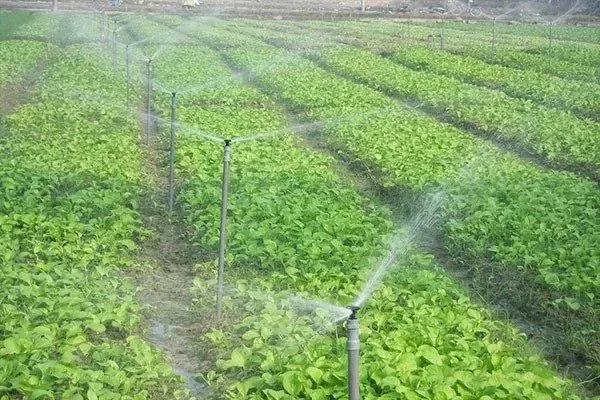
- The plant doesn't require frequent watering. Water the bushes for the first time when planting sprouted tubers, then when the tops are growing, and during flowering. Avoid watering after flowering to avoid increasing the risk of late blight.
- After each watering, carry out hilling to maintain ridges and improve soil aeration.
- When planting tubers, add wood ash, which contains valuable nutrients. Once the tops reach a certain height, use a fertilizer containing mineral and organic components.
- It is not advisable to use nitrogen fertilizers for feeding, as they can provoke the growth of tops at the expense of damage to the tubers.
Weeding and hilling are essential for plant care. Weed twice and hill every 10 days, combining this with loosening the soil. These procedures not only help remove weeds but also provide oxygen to the soil and keep the plants upright.
Harvesting
Begin harvesting potatoes in early fall. Harvest after the tops have dried out by 50-60%. Remove the tops two weeks before this point to allow the tubers to develop a strong skin. Leaving potatoes in the soil for too long can negatively impact their storage, as the tubers will begin to sprout quickly.
After harvesting, leave the potatoes to dry in a dry place. Then, sort the potatoes by size and select tubers for planting next season.
Storage and transportation
Place the harvest in wooden crates and store in a dark, dry, cool, well-ventilated place. The temperature should be between +3 and +5°C. Potatoes are recommended to be stored for no more than 6-7 months.
Pests and diseases
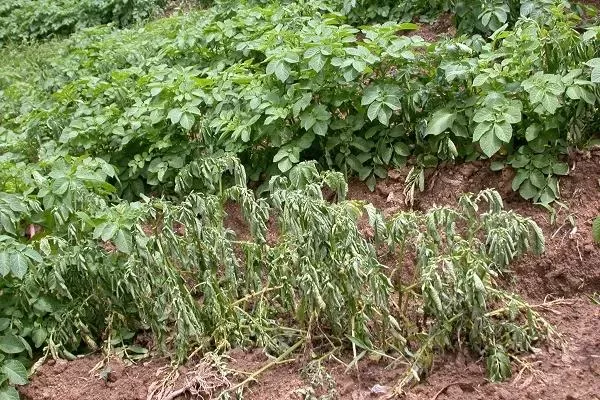
It boasts increased resistance to various diseases. It successfully resists a number of viruses, blackleg, leaf curl, and canker. The variety is moderately resistant to late blight and scab, and is rarely affected by golden nematode. Colorado potato beetle control is necessary, especially in warmer climates.
The primary preventative measure against pests and diseases is crop rotation. Avoid growing potatoes and other nightshade crops in the same plot for three consecutive seasons. Treat the beds with copper-containing preparations after harvest. Use Fitosporin before or after planting, when the weather warms up.
Difficulties in growing
Gardeners may experience excessive potato top growth due to overwatering and the use of nitrogen fertilizers. This can lead to undesirable consequences, such as tubers rotting during storage due to excess soil moisture.
Advantages and disadvantages
Before planting a crop, it's important to examine its positive and negative qualities. The Manifest variety has several advantages:
Among the disadvantages, gardeners note:
Reviews
The Manifest potato is characterized by high yields, excellent flavor, marketable tubers, and versatile culinary uses. This variety is resistant to a number of diseases and insects, making it more reliable in growing conditions. It's relatively easy to care for, requiring little time or effort.