
The Labella potato is characterized by early tuber maturation and is suitable for table use. This variety is easy to grow, has good transportability and shelf life, is resistant to major diseases and pests, and produces abundant fruit. The only concern is tuber blight. It is grown in both private gardens and large-scale agricultural complexes.
History of selection
The Labella potato was developed as part of a Dutch breeding program initiated by Den Harting BV. Variety testing began in 2008. By 2011, the variety was registered in the State Register and approved for agricultural use. It is known internationally as Labella.
Description of the plant's appearance
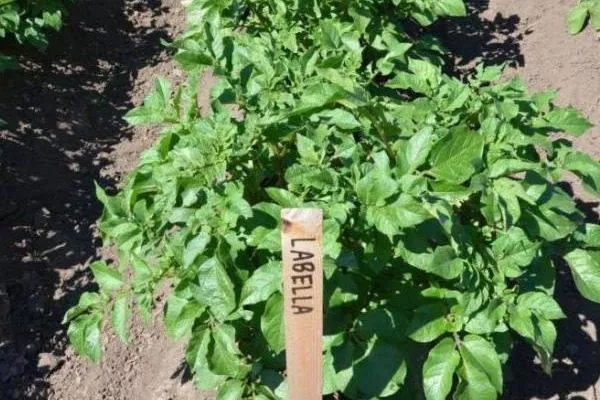
The shrub is considered medium- to intermediate-sized. The crown is compact and not spreading, although the shoots are semi-erect. The leaves are quite large and irregularly shaped. Their color is a classic green. The flowers are small, purple-red.
Features, consumer and commercial qualities
Labella has excellent marketability, reaching up to 94%. It also excels in shelf life, with approximately 96-98% of the harvest remaining until spring without any loss of quality.
Characteristic features of potatoes:
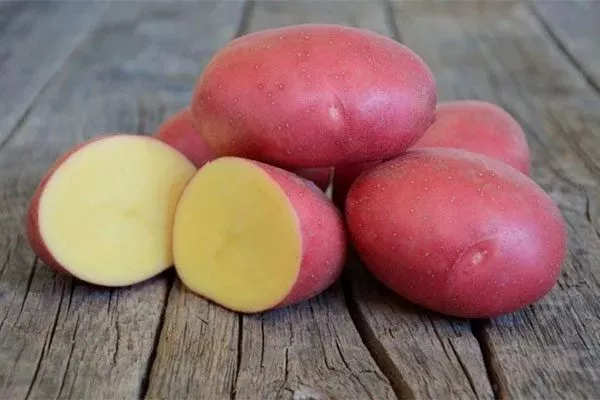
- form - oval-elongated;
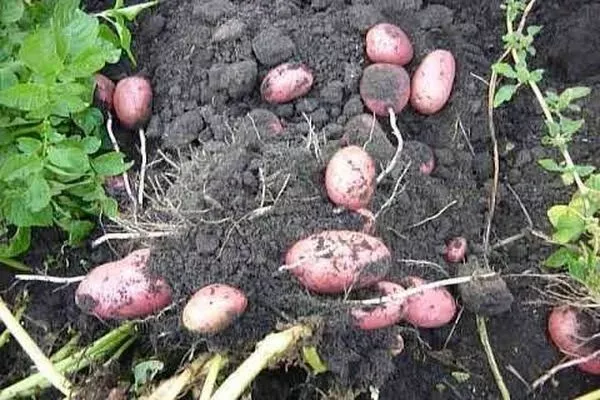
- weight - from 80 to 105 g, but larger specimens are also found;
- skin – smooth and refined, so there is little waste;
- peel color – red;
- pulp shade – yellow-cream;
- eyes – few in number, red, small, with medium depth;
- pulp – compacted, poorly digestible, no wateriness.
Potatoes are rich in plant protein, minerals, and vitamins, making them an ideal food for human consumption. Furthermore, they contain polyunsaturated fatty acids. They are low in calories—no more than 100 kcal per serving.
Labella is often used in cooking—a variety of soups, main side dishes, appetizers, and salads. When cooked, the tubers retain their structure and do not break apart.
Potatoes can also be used to make French fries, chips, and pies. Their starch content does not exceed 15.9%. The product's taste is excellent, with tasters rating it 4.6 out of 5.
Characteristics of potatoes
Labella has excellent characteristics that gardeners and farmers should be aware of in advance.
When does it ripen?
Labella is a variety that reaches maturity early in the season. It takes 80 to 90 days from planting to when the tubers are fully ready for harvesting. This period can vary depending on the climate: in the south, ripening occurs slightly earlier, while in harsher climates, it occurs later.
Productivity
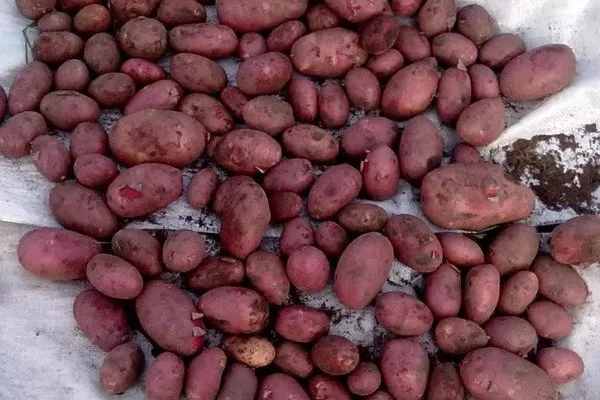
It is characterized by high yields. On average, 175 to 265 centners of produce can be harvested per hectare. In industrial farming, this figure can reach 345 centners.
Growing regions
The variety is recommended for cultivation in the following regions:
- Central;
- Central Black Earth;
- Volga-Vyatka;
- North Caucasian;
- Far Eastern.
In recent years, the area of Labella cultivation has expanded significantly, and now these reddish-pink tubers can be found in almost every corner of Russia.
Disease resistance
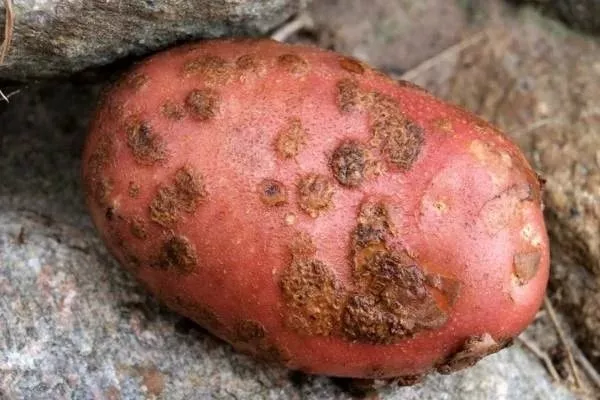
The Labella variety stands out not only for its high yield but also for its resistance to many common diseases and pests. It is resistant to canker, golden cyst nematode, leaf curl, club rot, and common scab. It has moderate susceptibility to late blight.
The Colorado potato beetle can cause moderate damage, but the risk of its appearance in potato fields can be minimized by planting nightshade crops at a significant distance.
Pros and cons
The variety's key advantages include its high yield and early ripening time, allowing you to enjoy young potatoes as early as early summer, and in the south, even in spring. But Labella also has other positive qualities:
No particular disadvantages have been noted, but some farmers say that preventative treatments against pests are necessary.
Landing features
Potato planting should begin on April 15th in the south or May 10th in other regions. This potato variety is highly drought-resistant but does not tolerate frost. Even a slight drop in nighttime temperatures to -2-3°C can kill the plants.
The Labella variety should be planted according to established methods:
- The tubers, selected in advance, are removed from storage and left in sunlight for three weeks before planting.
- The selected material is checked and treated with disinfectant solutions based on manganese or copper sulfate.
- During the planting process, potato seeds of different sizes are used, which must be healthy.
- It is recommended to cut large tubers and then treat them with wood ash.
- Before burying them in the ground, they need to be immersed in growth stimulants - Epin, Zircon, Potane or Bioglobin for half an hour.
- Potatoes grow especially well in light and nutritious soil, such as loam or sandy loam. If the soil is heavy, it is enriched with river sand, peat, or sawdust. If it is poor in organic matter and minerals, it is dug over in the fall and enriched with manure.
- In the spring, additional plowing should be carried out. To neutralize overly acidic soil, slaked lime, dolomite flour, or ash are added. The optimal pH for potatoes is 5.2–5.8.
- Potato planting holes are dug in the area, 7-9 cm deep. The tubers are placed at a distance of 35-45 cm from each other, and the beds are spaced 65-75 cm apart.
Recommendations for crop care
Care procedures are standard and include the following:
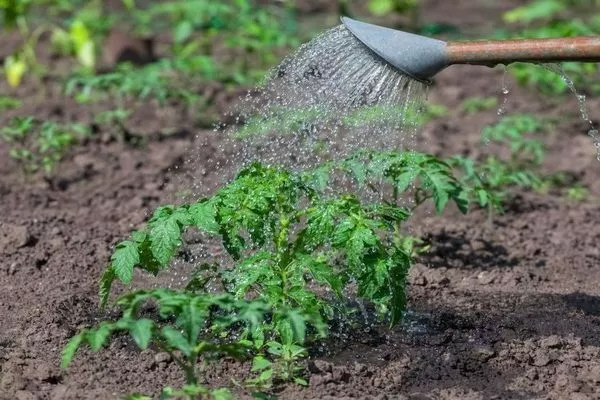
- Labella is drought-tolerant, so it only requires watering during prolonged hot periods. Each plant should receive 12 to 15 liters of water.
- To provide the root crop with oxygen and remove weeds, it is necessary to regularly loosen and weed.
- Hilling promotes the development of additional stolons, increases the number and quality of tubers, and provides protection from spring frosts. The first hilling is done when the bush reaches 16-18 cm in height; the ridge should be approximately 9 cm high. The procedure is repeated after flowering.
- Potato plantings are fertilized as follows:
- the first feeding is done when planting (urea or Rastvorin in accordance with the instructions);
- the second time - during the formation of buds (potassium sulfate, wood ash);
- the third – at the stage of flowering activation (mullein, urea).
Harvesting and storage
Sunny, dry days are ideal for digging up the tubers. To prevent the potatoes from sitting around too long after removal, it's important that the last watering or rainfall occurred at least two weeks ago. Leave the potatoes in the garden bed for a few hours.
Then a selection is made: whole corms are sent for storage under a canopy or in a ventilated room, and damaged or diseased ones are left for consumption or processing in the near future.
Storage features:
- For storing potatoes, choose a dry, well-ventilated area, but away from direct sunlight. In an apartment, this could be a basement or balcony, where the potatoes are covered with a breathable mesh.
- If the owners plan to use it for planting next season, the seed potatoes are separated and stored separately.
- The optimal storage temperature for potatoes is between 2 and 5 degrees Celsius. Below this temperature, potatoes are susceptible to disease and the conversion of starch to sugar, which spoils their flavor. However, temperatures above 5 degrees Celsius can promote infection and the development of eyes.
- The ideal humidity for storing potatoes is between 85-90%, but at humidity below 70% the corms lose their elasticity and become soft.
- Potatoes can be stored in a hangar in bulk, on wooden racks or pallets, which allows for the necessary air flow from below, in a layer of no more than 1 m.
Methods of control and prevention of diseases/pests
Despite resistance to pathogens and insects, problems sometimes arise. The main causes are improper cultivation practices, unfavorable weather, etc. What to watch out for:
- Tobacco mosaic lesion. Small yellowish spots of a round or elliptical shape can be seen on the plant's leaves. Over time, these spots cause the leaf blade to become deformed and curled. Infection can occur through potato aphids or infected seeds.
As a result of viral infection, plant growth slows, leaves dry up, and fruits begin to rot. To combat the virus, treatment with Fitosporin solution is used. - Wireworm. An insect that threatens crops. It can completely destroy your crop. Wireworms prefer to inhabit neglected and acidic soils where weeds predominate. This pest eats the skin of potatoes and feeds on their flesh. To protect against wireworms, you can use Prestige or Provotox.
- Scoop. This pest is a moth that lays eggs on the leaves of the plant's tops. The eggs hatch into caterpillars that eat the stems and leaves and penetrate the tubers. Fitoverm or similar products are recommended for controlling cutworms.
- Colorado beetle. It often attacks potatoes. It's best to collect the beetles and larvae by hand, but specialized insecticides (a wide range of them) can also be used.
Reviews from gardeners
The Labella potato is distinguished by its versatility, abundant yields, and resistance to diseases and pests. It easily tolerates dry summers and does not require frequent watering, a significant advantage for many gardeners and farmers.