
Karatop potatoes are a favorite among both beginners and experienced agronomists, who appreciate their varietal characteristics, including disease resistance and high yields. This crop boasts a rich nutritional profile and excellent taste. Proper care is essential to ensure large tubers are produced.
History of selection
Experienced German breeders from the large company Norika Nordring-Kartoffelzucht Und Vermehrungs-GmbH developed the Karatop variety. Work began in 1994, and by 1998, the new crop was ready for widespread use.
Features of potatoes
The Karatop variety is characterized by high yields, low maintenance, and resistance to adverse weather conditions. It has many positive qualities.
Description of the plant and tubers
The plants are medium-height, with upright shoots and sturdy foliage. Distinguishing characteristics:
- The leaves are medium-sized, green with slight wavy edges.
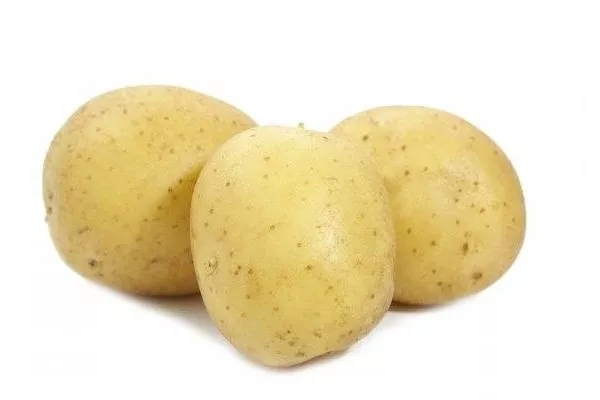
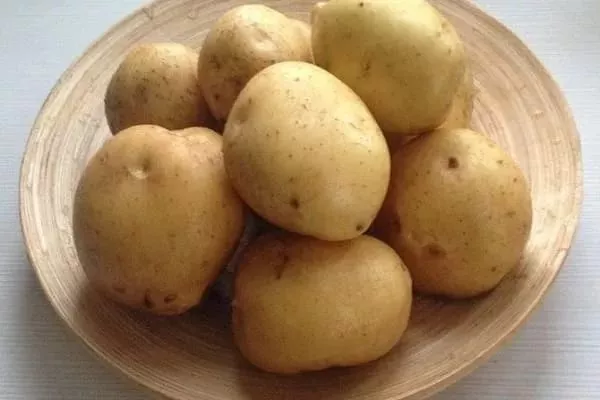
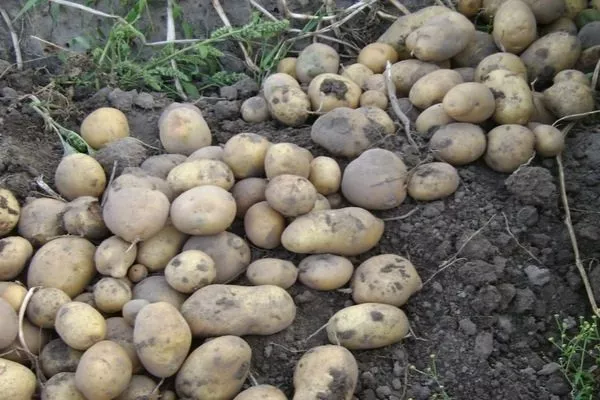
- The vegetables are oval-round in shape and small in size, weighing approximately 60 to 100 grams. The pit typically contains tubers of varying sizes. Their surface is smooth, slightly rough, and has a yellowish tint.
- The eyes are located shallowly, practically on the surface, which makes it easier to peel the potatoes.
- The flesh is light cream or cream in color.
The starch content of each vegetable ranges from 10.5% to 15%.
Taste characteristics and purpose
These vegetables have excellent flavor, but they don't cook well due to their high starch content. However, they have excellent shelf life. The tubers are ideal for light boiled dishes and soups, and can be used for frying.
Chemical composition, trace elements and vitamins
Karatop potatoes have a starch content of approximately 11% to 15%, which promotes rapid ripening. However, this property makes them unsuitable for the production of chips and potato powder.
Ripening period and yield
Karatop is an early-ripening variety. The entire tuber maturation process typically takes 60 to 75 days, and the potatoes can be harvested for sampling after 40 to 45 days.
Yield levels vary significantly depending on location. For example, in the Northwestern region, average yields range from 198 to 436 centners per hectare, while in the Middle Volga region, they range from 184 to 271 centners per hectare.
Disease resistance
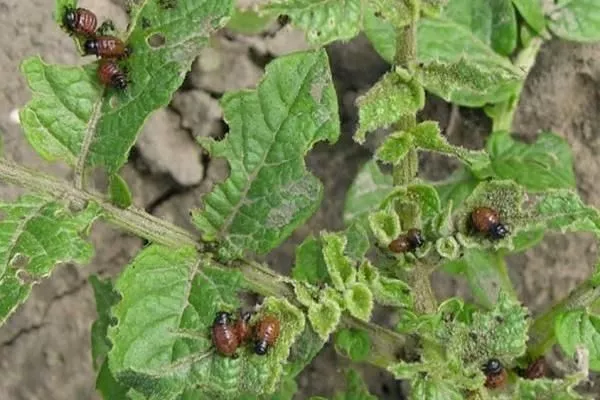
The variety is characterized by significant immunity to diseases such as potato cancer, mosaic, and golden nematode. The main pests to watch out for are the Colorado potato beetle and late blight.
Which regions are best suited for and what are the climate requirements?
The crop is suitable for cultivation throughout Russia. According to the State Register, it thrives best in the following agricultural regions: the Northwest, Volga-Vyatka, Middle Volga, and West Siberia.
The main advantages and disadvantages of the variety
When creating the variety, German breeders set themselves the task of ensuring strong immunitytet plants. Their efforts were successful, as Karatop has many advantages:
Among the disadvantages of the variety, gardeners note:
What is the difference from other varieties?
Karatop has numerous differences from other varieties. Key cultural characteristics include:
- Rapid maturity. Potatoes become fit for consumption within 40-45 days after planting, and are fully ripe by the 60th day after planting.
- Undemanding to soil. The plant grows confidently in almost any soil, preferring light sandy soils.
- Resistance to mechanical damage. The tubers are resistant to cuts and do not lose their marketable appearance during transportation.
- Long-term storage. The taste qualities are not lost until the next harvest.
- Excellent external characteristics. The vegetables are spherical in shape, have a smooth surface and firm yellow skin.
- Ease of processing. Potatoes are easy to peel and cook.
These properties largely depend on correct and careful adherence to recommendations for growing and caring for the plant.
Landing features
Begin preparing for planting when you dig the plot in the fall. Follow the recommendations of experienced agronomists:
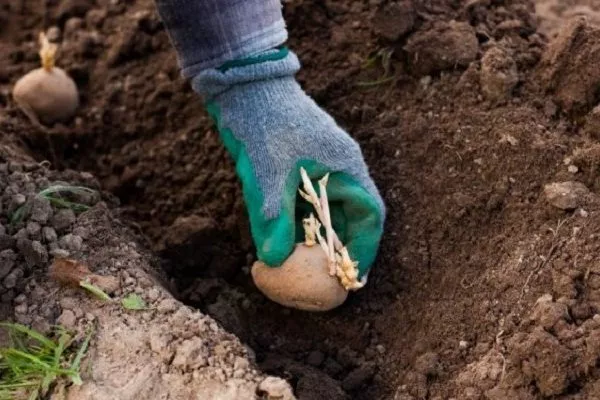
- Select planting material in advance, choosing specimens of uniform size, slightly larger than a chicken egg. A month before planting, germinate the tubers in a dark, well-lit room, then re-sort, removing any that haven't sprouted.
- Damaged vegetables should not be used for planting, as they can negatively affect the harvest and even rot in the ground before the shoots appear.
- To prevent fungal diseases, treat potatoes with a solution of potassium permanganate or copper sulfate.
Potato growing scheme:
- The distance between rows should be no less than 50 and no more than 80 cm to ensure ease of hilling.
- The distance between bushes in the bed is from 30 to 50 cm.
- The depth of the planting holes is 15-20 cm. Before placing the tubers in the hole, fill it one-third full with wood ash and humus.
Avoid planting the beds too close together to ensure ease of cultivation and to avoid compromising the quality of the harvest. After planting, carefully rake the furrows and water generously. With proper planting, the first shoots can be expected within 10 days.
Care nuances
Proper care is essential for a crop's yield. Give your plants a little attention and follow these agricultural practices:
- Watering. Before flowering, water the beds at least once every 7 days; in hot weather, water 3-4 times a week, depending on the soil's permeability. After flowering, increase watering to twice a week or more during severe drought, given that this variety does not tolerate heat well.
- Top dressing. Fertilize plants at the same time as watering to ensure rapid absorption of nutrients to the roots. Use potassium and phosphorus fertilizers. If the soil has been fertilized beforehand or is sufficiently nutritious, additional feeding may not be necessary.
- Loosening and weeding. Till the soil several times to remove the crust and allow oxygen to reach the tubers. Weed as weeds grow to prevent them from competing for nutrients.
The crop requires two hillings. The first time, do this when the plant is 20-25 cm tall; the soil level should be at least 15 cm. Repeat the process a second time after 14-21 days, until the tops of the plants close together in rows. The height of the ridges affects the number of stolons containing tubers.
Pest and disease control
The plant has some resistance to nightshade diseases, but it is vulnerable. It can be affected by late blight and the Colorado potato beetle. To combat the disease and pest, use the following methods:
- To combat the Colorado potato beetle, use insecticides such as Karate, Fastak, and others. When using these products, ensure that their decay time is shorter than the potato growing season.
- Timely harvesting is recommended to combat late blight. If the period of intensive tuber growth coincides with the development of the fungus, use fungicides such as Ridomil, Revus, and others.
Treat the stems and soil around the bush monthly with a solution of copper sulfate or potassium permanganate.
Harvesting and storage
Harvest potatoes in dry weather to avoid contaminating the tubers. Use a shovel or pitchfork to carefully dig the potatoes out of the soil. After harvesting, carefully remove the soil from the potatoes and leave them in the sun for a few hours to dry.
Follow these guidelines to ensure freshness and nutritional value lasts longer:
- Choose a cool, dark place.
- The ideal temperature is around 4-8°C. Humidity plays an important role: it should be high, around 90%, to prevent the tubers from drying out.
- When storing the harvest, avoid direct contact with sunlight, as this can lead to the appearance of green specimens and the formation of harmful substances.
Check vegetables regularly for damage or signs of rot and remove damaged roots to prevent the spread of spoilage.
What difficulties might arise when growing?
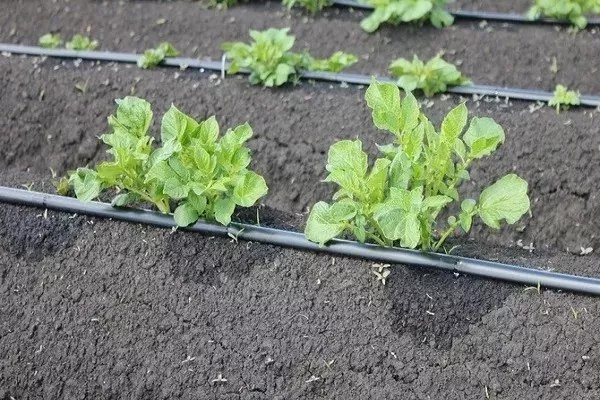
Maintenance doesn't require much effort. It's important to ensure consistent watering, which is essential for a productive harvest. If direct access to water is unavailable or difficult, it's recommended to stock up on large containers to collect rainwater or refill them regularly so you can water the beds with a watering can.
If water is available, using an automatic sprinkler placed in the beds can make the job much easier. This simple device will ensure the potatoes have constant access to the required moisture level.
Reviews
The Karatop potato proves its worth among many varieties thanks to its reliability, excellent flavor, and ease of cultivation. Its disease resistance, early maturity, and long shelf life make it an ideal choice for both home and commercial use. Proper care is essential for this.