
There are many varieties of green manure crops that enrich the soil where the crop grows, also saturating it with nutrients. For potatoes, experienced gardeners recommend using various green manure crops, which will protect the tops from pests and provide oxygen to the soil.
How do green manure crops work?
Experienced gardeners prefer to grow green manure crops because they can completely replace traditional potato fertilizers. During the growing season, green plants don't take up nutrients from the soil, but rather release them.
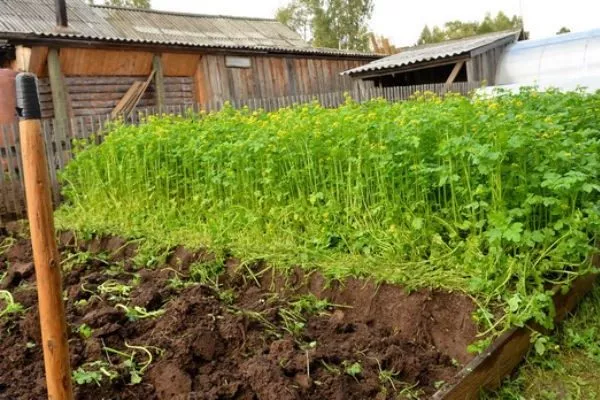
Green manure allows gardeners to cope with numerous tasks:
- get rid of pests that can ruin the potato crop;
- reduce the likelihood of various diseases;
- improve the soil structure – make it loose;
- displace weeds.
- ✓ Consider the acidity of the soil before choosing a green manure, as some plants, such as clover, do not grow well in acidic soils.
- ✓ Pay attention to the humidity of the area: green manure crops such as vetch require constantly moist soil.
As they decompose, green manure enriches the soil, saturating it with nitrogen and phosphorus, as well as other micronutrients. This will allow potato tops to develop better and avoid problems in the future.
Pros and cons
When decomposed, potato green manures enrich the upper soil layers with beneficial micronutrients. Green manures are comparable to manure or peat, but the former are considered more beneficial, and soil enrichment isn't their only benefit.
Moreover, each group of green manure crops has its own advantages. For example, cruciferous plants protect potatoes from diseases such as late blight and rot. Radishes and mustard effectively control pests, repelling slugs and nematodes.
Potato green manure groups: description and purpose
Experienced gardeners believe that legumes are the best green manure for potatoes in the fall. However, there are other beneficial plants that enrich the soil and fight insects.
Cereals
When choosing the best green manure after potato harvesting, experienced gardeners choose cereal crops, as they have a strong root system, allowing the soil to recover more quickly.
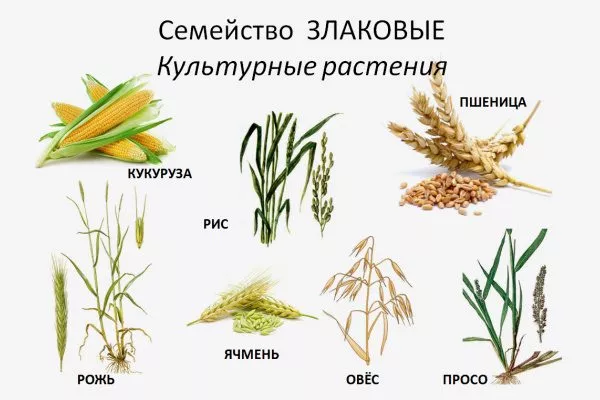
Many prefer oats, as they are an excellent source of nitrogen and potassium for potatoes. The abundance of green foliage helps loosen the soil, improve its permeability, and enrich it with oxygen. To enhance the effect, some gardeners mix oats with vetch or peas.
However, it is not recommended to plant cereal green manure before potatoes, as this will contribute to the persistence of potato pests (for example, wireworms) in the soil and their further reproduction.
Legumes
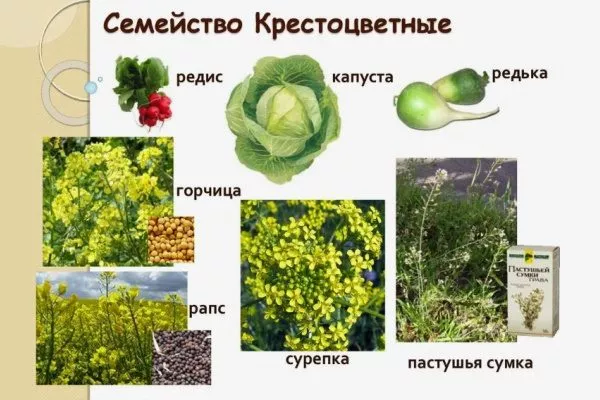
Legumes are especially popular for fall sowing. Members of this family are excellent fertilizers for soil lacking nutrients. The most popular legume green manures are sweet clover and vetch.
Sweet clover helps disinfect the soil and restore its structure, while vetch is a green manure that improves soil quality and protects tubers from nematodes and wireworms.
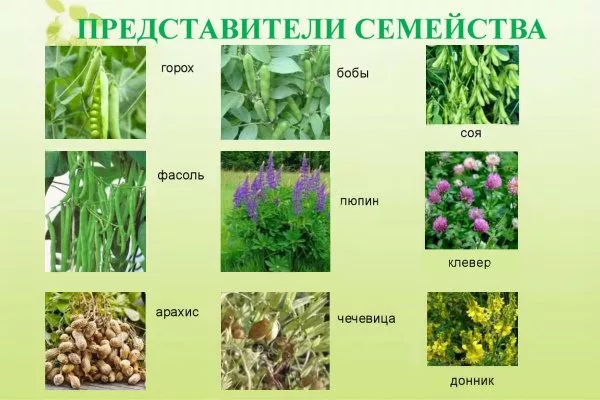
Cruciferous vegetables
Cruciferous plants can enrich the soil and control certain diseases and insect pests. They are considered the best green manure for potatoes, allowing the crop to grow green mass more quickly after planting.
Cruciferous green manures loosen the soil, improve its properties, fertilize, and protect the area from weeds. As the crop decomposes, the soil becomes fertile and oxygenated.
| Group of green manure crops | Effectiveness against pests | Effectiveness against diseases |
|---|---|---|
| Cruciferous vegetables | High | High |
| Legumes | Average | Low |
| Cereals | Low | Average |
Gardeners often use oilseed radish and white mustard because these green manure crops have a strong root system that loosens the soil well, prevents weed growth, and can destroy pathogens and fungal infections.
Phacelia
Phacelia is a versatile variety that matures quickly. This group of potato green manures not only enriches the soil with nitrogen, potassium, and oxygen, but also loosens the soil for better air circulation and inhibits weed growth.
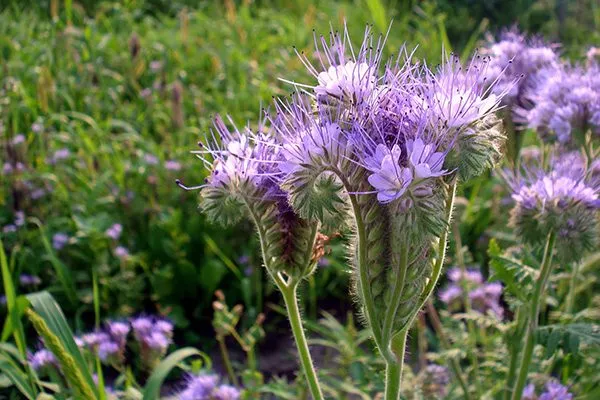
Phacelia is considered a frost-resistant plant. It is recommended to plant it in the fall. The green mass of the plant can be used as livestock feed.
Popular green manures for potato tubers
When growing potatoes, it's crucial to prevent pest infestations and disease spread. Therefore, it's recommended to sow green manure for the tubers.
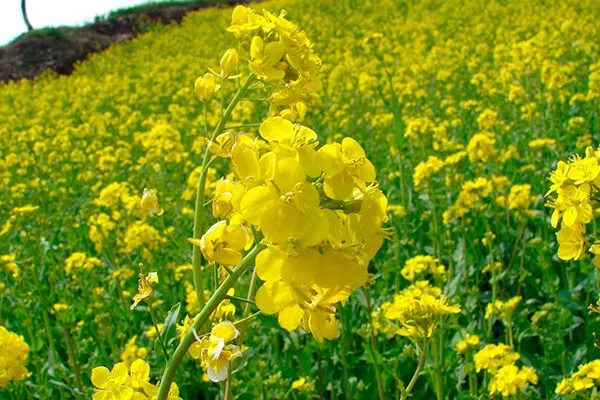
Rape
Rapeseed belongs to the cruciferous family. It is a fast-growing plant that comes in two varieties:
- Winter. The plant can easily withstand light frosts and is suitable for planting in winter.
After a short period of time winter rape It provides a large amount of organic matter containing nitrogen. The cell sap slightly deacidifies the soil. Consider this when choosing a green manure crop. - Spring. Rapeseed has a fairly powerful, branched root system, which can easily loosen the soil and improve its structure.
The above-ground part of the green manure contains essential oil, which deters pests from attacking the potatoes. When incorporated, the plant can disinfect the substrate and protect it from various rots.
Rapeseed is particularly demanding when it comes to soil composition. Green manure does not grow well in heavy or highly acidic soils, producing minimal greens.
Clover
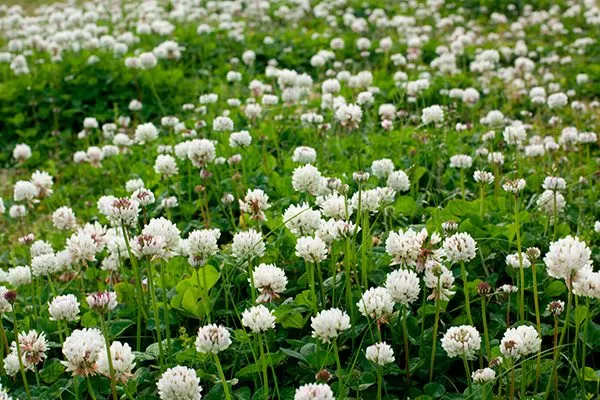
Clover is best grown in a slightly acidic area. The soil should be kept moist at all times. It belongs to the legume family and enriches the soil with organic matter, nitrogen, and other minerals.
The plant's roots provide protection from weathering and erosion, while simultaneously making the soil loose, light, and rich in moisture and oxygen.
Clover doesn't grow well in highly acidic soil. The plant thrives on moisture, but doesn't tolerate overwatering. Planting should be done in early spring; 2 g of fertilizer is required per square meter.
| Name | Ripening period | Disease resistance | Soil requirements |
|---|---|---|---|
| Sweet clover | 60-90 days | High | Low |
| Vetch | 40-60 days | Average | Average |
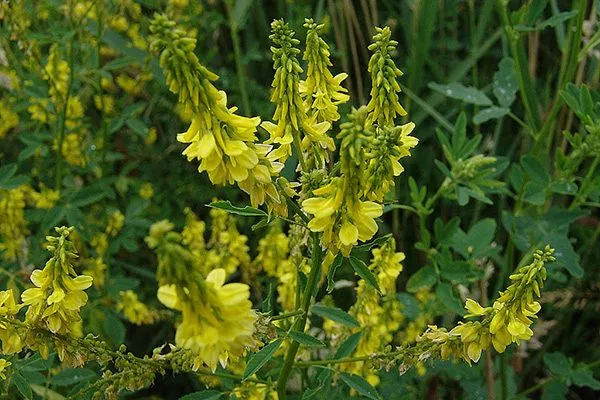
Sweet clover
Reaches a height of up to 2 m. Sweet clover contains many nutrients, making it a beneficial addition to livestock diets. The plant has a powerful, extensive root system that extends up to 1 m deep.
Sweet clover loosens the soil, eliminating the need for gardeners to dig. Spring is the best time to cut the green foliage, which is then spread between the rows of potato fields.
Rye
Belonging to the cereal group, rye has two varieties: winter and spring. Rye grows quickly and is renowned for its abundant green mass, which contains a high amount of potassium and phosphorus. The plant tolerates dense plantings well and ensures good soil loosening.
The roots grow quite deep underground, drawing nutrients from the lower soil layers. This fertilizer significantly improves the structure of the soil mixture and also slightly deacidifies it.
Cut the grass before it begins to flower. At this stage, its structure is soft and delicate. Partial decomposition takes 14-20 days. It is not recommended to plant rye before potatoes, as it can encourage the growth of potato-eating wireworms. However, after the root crop harvest, rye can be used.
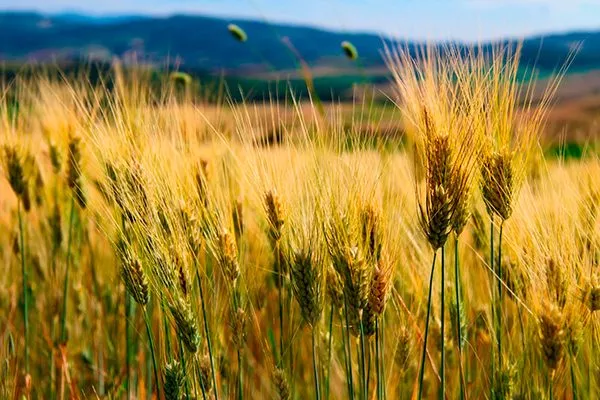
| Name | Ripening period | Disease resistance | Soil requirements |
|---|---|---|---|
| Oats | 45-60 days | High | Low |
| Vetch | 40-60 days | Average | Average |
| Peas | 40-60 days | Average | Average |
Oats
Oats belong to the grass family. The plant can enrich the soil with valuable organic elements, as well as macronutrients such as phosphorus and potassium. To saturate the soil with the necessary amount of nitrogen, experienced gardeners sowing oats together with vetch or peas.
Oats thrive in sandy, peaty, and clay soils, and have proven successful in black soil. The plant has a powerful root system that can easily loosen dense soil, enriching it with moisture and oxygen.
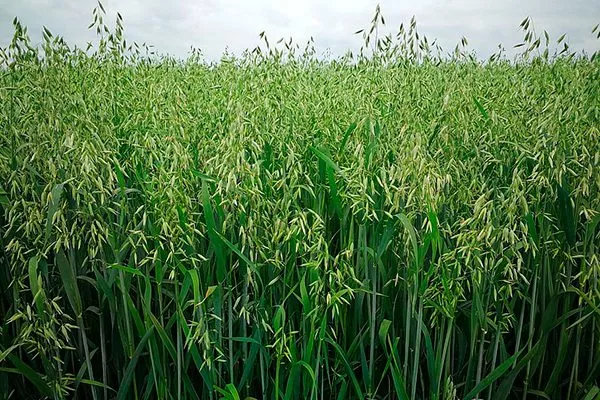
Positive aspects of oats:
- protects light soils from erosion;
- ensures easy absorption of moisture by plants;
- The roots contain a substance that suppresses pathogens that cause root rot, bacterial and fungal diseases.
Sow oats in mid-spring, in April. Maintain the seeding rate of 10 g per square meter when sowing in rows. If broadcasting, increase the seeding rate to 15-20 g per square meter. Place the oats 3-4 cm deep into the soil.
But just like rye, oats are recommended to be used as green manure after potatoes.
Mustard
Mustard is a very popular plant among gardeners. It is characterized by rapid growth of lush green foliage. It also provides light shade for young plant shoots and prevents weed growth.
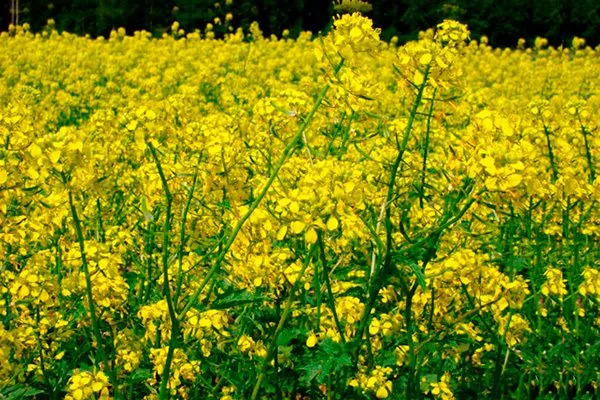
Sow mustard From spring to autumn. Follow these recommendations:
- In the spring. After the snow melts, begin the process. The period from sowing to technical maturity is 45-60 days.
- In summer. It is recommended to sow mustard with crops that require more time to ripen, including potatoes.
- In autumn. Start sowing mustard in September, after you've harvested the crop. In this case, trim the tops only in the spring.
Lupine
Lupine roots can reach up to 2 meters deep, absorbing nitrogen from the deep soil layers and then releasing it into the upper layers. Furthermore, lupine ensures the availability of difficult-to-digest phosphate compounds to other plants.
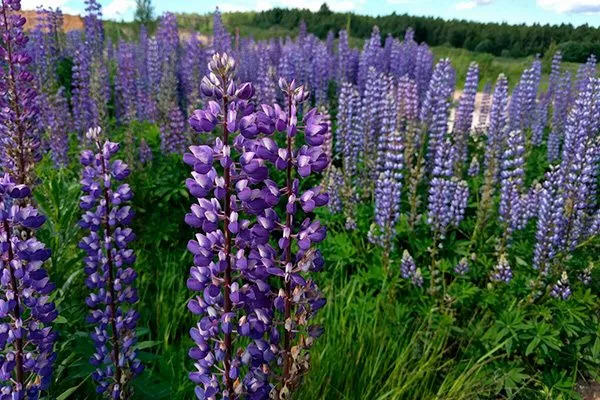
Lupine comes in different species and varieties, so the plant prefers different types of soil:
- Green manure with white flowers grows well in loamy and sandy soils.
- The plant with purple flowers prefers acidic soils.
- Yellow lupine is undemanding to soil composition, but requires good moisture.
Begin sowing lupine seeds in early May. The green mass will be ready in 40-60 days after germination; plant it 5-6 cm deep in the soil. The recommended seeding rate is 20-30 g per square meter.
| Name | Ripening period | Disease resistance | Soil requirements |
|---|---|---|---|
| Oilseed radish | 30-40 days | High | Low |
| White mustard | 45-60 days | High | Low |
Oilseed radish
When choosing green manure, gardeners often give preference to oilseed radish, belonging to the cruciferous family.
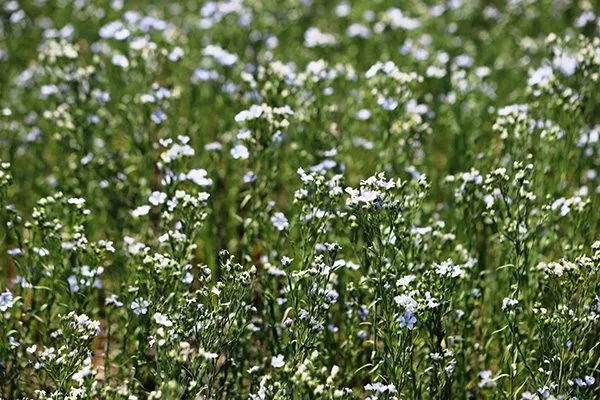
In addition, oilseed radish is famous for its numerous benefits:
- neutralizes harmful substances that are present in the soil and interfere with potato growth;
- has powerful roots that can loosen the soil no worse than cereal crops;
- After the oilseed radish has decomposed, weeds grow less frequently in the area;
- This is an early maturing crop – the first shoots appear 4-6 days after sowing, and flowering occurs after 30 days.
Vetch
Vetch (mouse pea) is a fast-growing plant characterized by a short growing season. Because of these characteristics, gardeners prefer to use vetch in a mix with other plants. Other green manure crops include rye, oats, white mustard, and ryegrass.
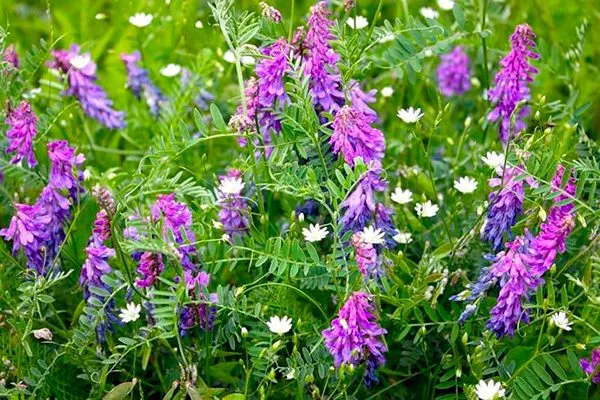
Vetch is a legume capable of accumulating nitrogen in its root tubers. When the green manure roots decompose, nitrogen saturates the topsoil, promoting the optimal composition of humus, which forms after the decomposition of green biomass.
When to sow green manure?
Green manure for potatoes can be sown in any season except winter. Each time of year requires specific planting considerations.
Spring planting
For spring sowing of green manure, gardeners use crops with high frost resistance. These include oats, mustard, phacelia, and others.
Recommendations:
- Carry out the procedure approximately 20-30 days before planting potatoes.
- When the time comes to plant the crop, cut off the green manure and leave it for another 14 days.
- After the time has passed, remove the plants with a flat cutter and distribute them over the ground.
Mown green manure acts as mulch – it protects the soil from drying out and becoming overly wet, and prevents weeds from growing.
Summer planting
Sowing green manure in the summer is only permissible if the soil is severely depleted. In this case, sow vetch in June, oilseed radish in July, and mustard in August. If you plant green manure in this order, you'll fully restore the soil's nutritional value within a season.
Autumn planting
The optimal time for sowing green manure is from late August to late October. During this time, oats and winter rye are preferred. Cut the newly grown crops and leave them on the ground so they can rot over the winter, enriching the soil with essential nutrients.
Once the soil is rich in organic matter, nitrogen, and phosphorus, you can begin planting potatoes. You won't need to apply any additional fertilizer. Many gardeners believe that sowing green manure in the fall is the best solution.
Green manure sowing technology
When choosing green manure, be sure to pay attention to the appropriate time for sowing, as well as the germination periods.
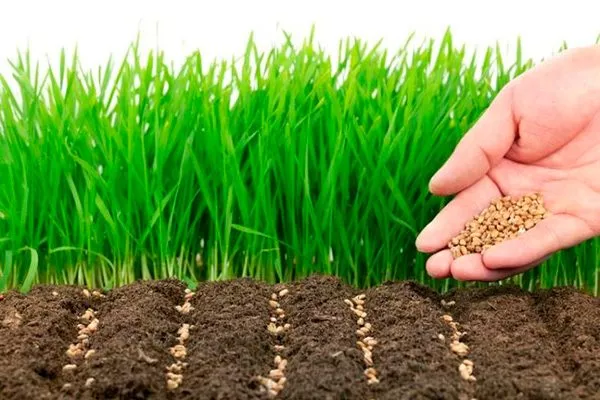
If you plan to sow seeds in the spring, follow these instructions:
- Start sowing after the snow melts and the soil thaws.
- Choose cold-resistant crops during this period.
- Mow the green mass 14 days after germination.
- By the time the potatoes are planted, the greens have completely decomposed, saturating the soil with nitrogen.
When planting in the fall, consider the following recommendations:
- It's very difficult to calculate an exact sowing date, so base your calculations on the weather conditions in your region. For example, it's recommended to sow rapeseed in late August, vetch in early September, and rye and oats in early fall.
- Begin sowing 40-45 days before the first frost. This will give the plants enough time to emerge and develop a lush green mass.
- Simply scatter the seeds over the soil surface or bury them in pre-prepared furrows to a depth of 3-4 cm.
- For good plant growth, water the beds regularly.
There's no need to plow green manure into the ground for the winter—this can reduce its effectiveness by almost 80%. It's better to cut or mow the above-ground part of the crop so that the tops can rot naturally under the snow cover. In the spring, the soil in the area will become light and loose.
Which green manures are not suitable for potatoes?
Many gardeners prefer to use green manure crops from the cereal group (wheat, oats, rye) as pre-crops for potatoes. However, these lack sufficient phosphorus and nitrogen and may not produce the desired results. The same applies to rapeseed, mustard, phacelia, and white mustard.
However, this doesn't mean they can't be planted with potatoes at all. Most gardeners note that their nutritional composition is ideal for tomatoes and cucumbers.
Legumes are considered the most popular green manure crops for potato top growth and tuber formation. It's best to sow them in prepared soil to speed germination.
After potatoes, you can sow any green manure to improve the quality of the soil, but it may not affect the growth of potato tubers.
Finally, watch a video with cheat sheets on using green manure before potato crops to combat wireworms:
Green manure is a safe method for maintaining soil fertility. This procedure involves sowing certain plants before planting the main crop. Green manure for potatoes enriches the soil, helps control insects, and protects against diseases.