
The Ivan da Shura potato is popular among both novice and experienced gardeners. It requires minimal attention and delivers generous harvests and high-quality tubers with excellent flavor. To ensure proper development and strong, healthy growth, the plants require timely and proper care.
Origin
Ivan da Shura was created by amateur potato breeders in the mid-1980s. Scottish and Dutch potato varieties were used as a base. The result was a variety with very unusual appearance and flavor.
Description of the plant and tubers
This medium-sized bush, thanks to its compact size, fits easily into a small space. The plant has other distinctive features:
- The leaves are simple, dark green, with slightly wavy edges.
- The flowers are large, light purple, and fall off quickly.
- One bush produces 15 to 20 potatoes.
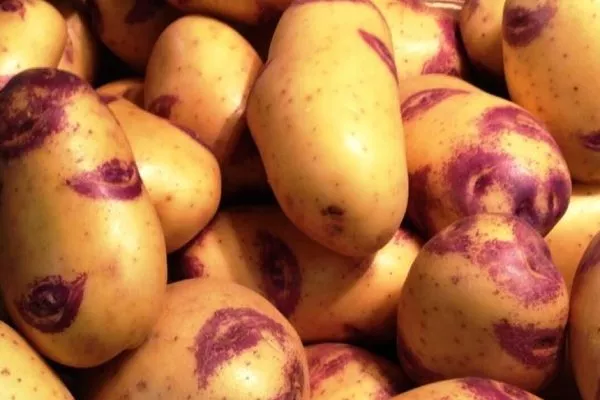
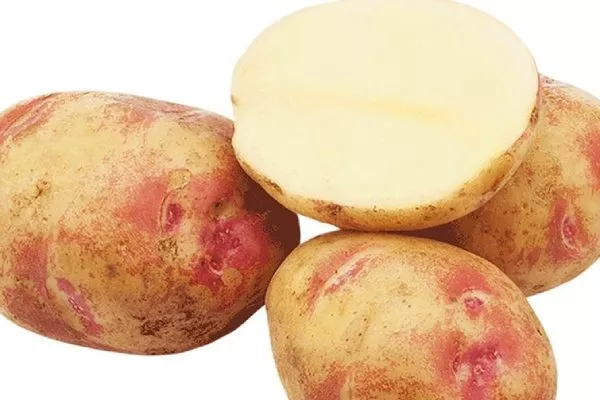
- The tubers are oval in shape and yellow in colour with purple spots around the eyes.
Taste characteristics and purpose
It has a pleasant taste and a high starch content – 13.5-15%. The tubers have an excellent structure and retain their shape after cooking.
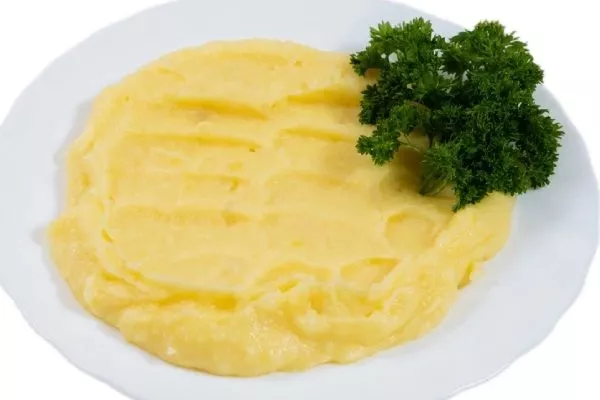
This variety is versatile. It's ideal for a variety of dishes, including mashed potatoes. It can be fried, baked, or stewed. Everyone can choose their favorite way to use it.
The harvest has excellent shelf life, and preserving it requires little effort. Simply store it in a dry, ventilated area at a temperature of 2 to 5°C.
When it ripens, what kind of harvest does it produce?
The Ivan da Shura potato is a mid-early variety, fully ripening 80-90 days after germination. This allows for harvesting as early as midsummer. Under favorable climate conditions, it is possible to obtain at least 750 centners of select potatoes per hectare.
Differences between the Ivan-da-Marya and Ivan-da-Shura potato varieties
| Name | Ripening period | Disease resistance | Tuber color |
|---|---|---|---|
| Ivan da Shura | 80-90 days | Resistant to late blight | Yellow with purple spots |
| Ivan da Marya | 120 days | Resistant to late blight | Yellow |
The main difference between the Ivan da Shura and Ivan da Marya varieties is their ripening and harvesting times. Ivan da Shura potatoes are ready for harvesting within 2-2.5 months after planting, while the Ivan da Marya variety requires approximately 4 months to fully mature. Otherwise, they are comparable.
Planting methods
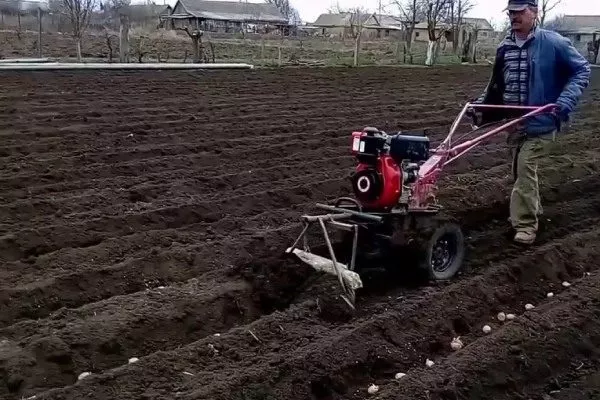
The standard method for planting potatoes involves placing prepared, sprouted tubers in dug holes or furrows 10-12 cm deep. The distance between holes is at least 30-35 cm, and between rows, 60 to 80 cm. Deepen the planting material by 5-8 cm and cover with soil.
- ✓ The optimal planting depth for tubers should be 8-10 cm in light soils and 5-6 cm in heavy soils.
- ✓ The distance between rows should be at least 70 cm to ensure sufficient aeration and ease of maintenance.
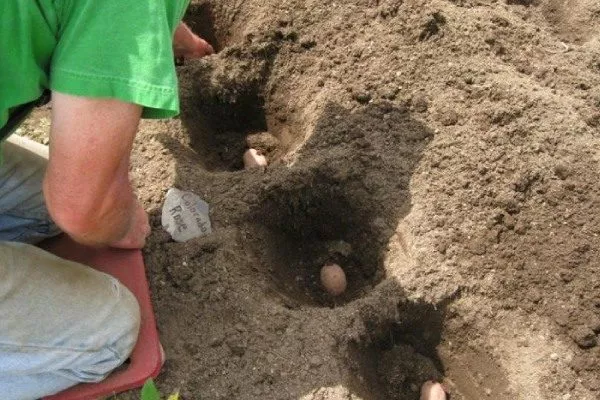
There are other ways to plant potatoes:
- No-till planting. Place the tubers on the ground, spacing them 25-35 cm apart and 60-70 cm between the future beds. Then, dig a trench between the beds and cover the tubers with this soil. It's best to use fertile soil for the cover. Loosen and hill up the resulting beds.

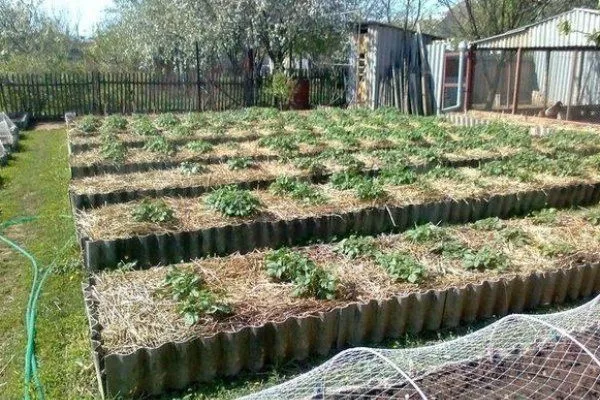
- Planting under straw. When planting in open ground, place the tubers under straw, which, according to many gardeners, ensures a higher yield. Loosen the soil thoroughly and remove all clods. Water the soil thoroughly.
Place the sprouted planting material into the holes or furrows. Cover with a thick layer of straw.
Care Features
Provide the crop with timely care. It requires standard maintenance:
- Watering. Ivan da Shura is drought-tolerant. Water the plant three times per season, paying particular attention to irrigation during flowering.
- Fertilization. To ensure a good and abundant harvest, potatoes require fertilizing. Feed the plants with potassium and phosphate fertilizers 25-30 days after planting them outdoors. Continue fertilizing during bud formation and after flowering.
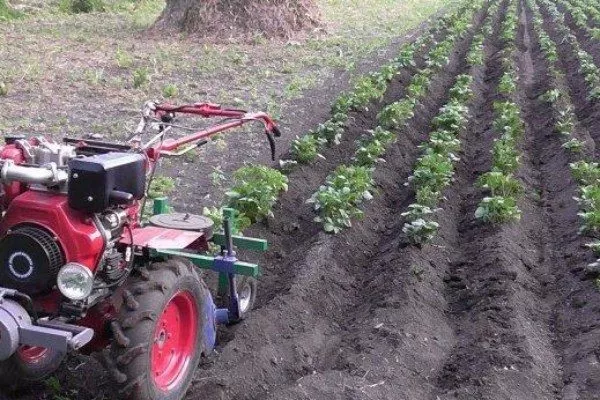
Combine soil loosening with watering and fertilizing. This helps remove weeds and retain soil moisture. Hill the beds several times throughout the growing season.
- First hilling occurs when young shoots emerge from the ground.
- Second hilling carry out during the flowering period.
- Third hilling Perform after plants have finished flowering.
Advantages and disadvantages
Before planting a crop, study its positive and negative qualities to prevent problems. Ivan da Shura has many advantages:
Pests and diseases
The Ivan da Shura potato is resistant to Alternaria, a disease carried by various insects. It is rarely affected by viruses and potato cancer. The variety exhibits resistance to late blight if the tubers are treated with copper-containing preparations before planting.
To prevent root rot, it is recommended:
- moderate watering;
- hilling up bushes;
- adding ash.
Young leaves attract spider mites and aphids. They are also a food source for the Colorado potato beetle, which is controlled using biological agents and insecticides.
| Method | Efficiency | Period of application |
|---|---|---|
| Biological agents | High | The entire growing season |
| Insecticides | Very high | Before flowering |
Harvesting and storage
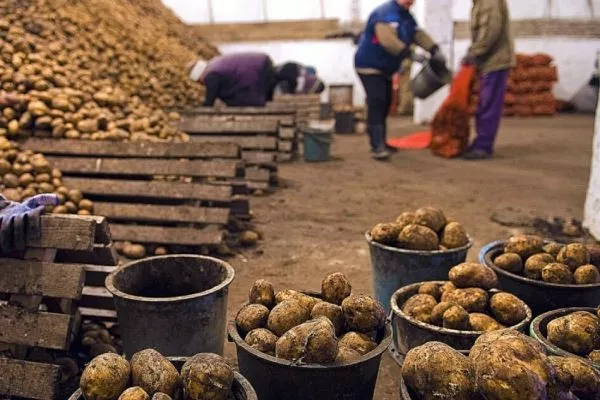
A sign of ripeness is the drying and wilting of the tops. Cut them down 7-10 days before harvesting. Dig the potatoes with a pitchfork, which reduces the risk of damaging the tubers. After this, dry the tubers for 10-14 days, then pack them in bags or boxes and store them in a cool, well-ventilated place.
Review of reviews
The Ivan da Shura potato is a unique variety, created from the best Scottish and Dutch varieties. It is distinguished by its excellent taste, early ripening, and resistance to various diseases. Growing it requires little effort, and proper agricultural practices ensure high-quality tubers.