
The Gulliver potato is a popular variety grown by many gardeners across the country. Its high yield, robust tubers, and excellent flavor make it a welcome addition to every garden. With careful planting, you'll be able to grow disease-resistant plants, and as a bonus, harvest a large amount.
History of origin
Gulliver's story began in 2015, when a group of nine plant breeders working at the A.G. Lorkh All-Russian Research Institute of Potato Farming were tasked with developing a new potato variety that would become the mainstay in several regions. The primary goal was to create a variety with excellent characteristics.
The variety underwent three years of testing and refinement. In 2018, it was added to the State Register and has since become a popular choice for both commercial cultivation and small-scale planting.
General description of the variety
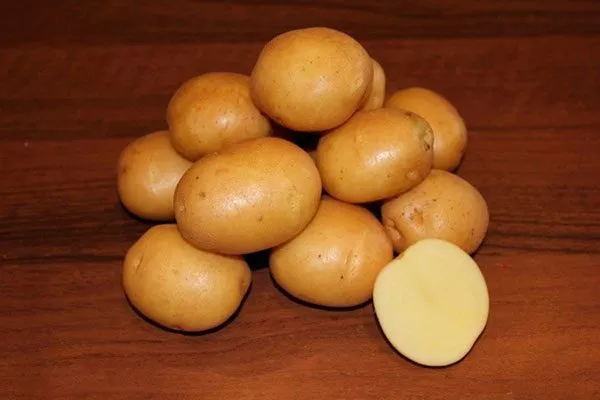
Among the potato varieties, early hybrids developed in Russia are particularly popular. They are easy to care for, disease-resistant, and quickly adapt to local climate conditions. One such variety is Gulliver, which boasts excellent tuber appearance.
What does the bush look like?
The bush is characterized as large and tall, reaching up to 80 cm in height, with an intermediate growth pattern. At the beginning of the growing season, its shoots are erect, but as they mature, they begin to droop. The leaves are large and intermediate, with a medium green hue.
The bush has a well-developed root system. During flowering, the plant is covered with medium-sized, pale lilac flowers.
Characteristics of tubers
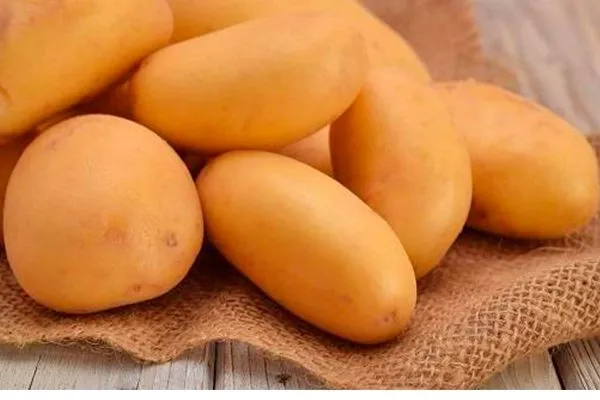
They are large and elongated oval in shape. They weigh up to 140 g, but larger specimens are also available. The skin is smooth, thin, and light beige. They have small eyes. The creamy flesh is moderately dense and starchy, slightly starchy and oily.
| Parameter | Indicator |
|---|---|
| Form | Elongated oval |
| Average weight | 110-140 g |
| Peel color | Light beige |
| Eye depth | Superficial (1-2 mm) |
| Starch content | 14-16% |
| Dry matter | 20-22% |
Taste and purpose
This variety is ideal for a variety of cooking methods. It's used in soups, fried and stewed dishes, and boiled peeled or in its skin. Its flavor is excellent whether dug early or at the right time.
Productivity, storage
It is highly productive. With proper agricultural practices, marketable yields of 163 to 283 centners per hectare can be achieved. The maximum yield of this variety was recorded in the Kursk region at 371 centners per hectare.
Harvest timing
This potato variety is early. It takes only 60-70 days from germination to harvest, and the first digging can be done after just 45 days. Seedlings grow uniformly, typically appearing 2-3 weeks after sowing.
Although the mass potato harvest usually occurs in July, harvest times may vary slightly depending on climatic conditions.
Resistance to diseases and pests
This variety is characterized by its low maintenance and is rarely susceptible to diseases and pests. It is resistant to potato wart and golden potato cyst nematode, and exhibits moderate susceptibility to late blight of the tops. Under unfavorable conditions, it may be susceptible to tuber blight.
Advantages and disadvantages
The Gulliver potato is characterized by large tubers with an attractive appearance and excellent flavor. Gardeners appreciate its following qualities:
Among the disadvantages, agronomists note:
Agricultural technology
Gulliver responds favorably to intensive care. Although the variety is relatively easy to maintain, it requires careful care. Adherence to certain agricultural practices helps unlock its potential, inherent during the selection process, and compensate for its shortcomings.
Landing
Suitable predecessors for potatoes are vegetable crops that keep the soil free of weeds, with the exception of plants in the Solanaceae family, such as tomatoes, peppers, and others. The following predecessors are suitable for good vegetable crop rotations: cabbage, onions, peas, beans, and root vegetables.
Although Gulliver potatoes are resistant to nematodes and can be grown in the same location for 2-3 years in a row, rotating the site is recommended to reduce the risk of disease. Begin preparing the soil in the fall with deep digging and weed removal. In the spring, apply fertilizer and level the soil before planting.
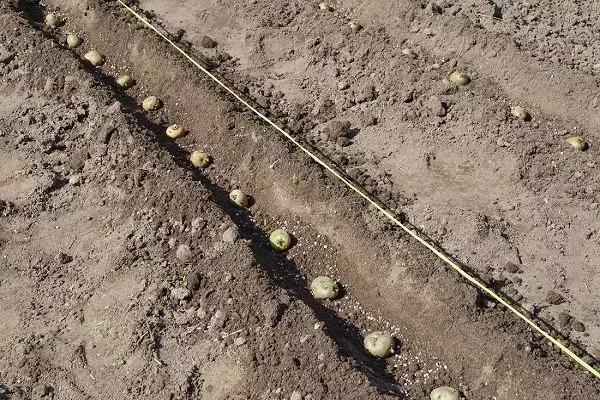
When planting seedlings, leave row spacings of 60-75 cm. The depth depends on the size of the tubers and the type of soil: on heavy and wet soils, the depth is 6-8 cm, and on light soils, 10-12 cm.
Optimal planting times by region
- Southern regions: April 1-15
- Central Black Earth Region: April 20 – May 5
- Middle zone: May 5-20
- Northwest: May 15-30
Growing and care
Although the crop is low-maintenance, several important steps are required to ensure a high yield. Follow these recommendations:
- If rainfall is insufficient, water regularly. This is especially important to ensure adequate soil moisture during periods of drought.
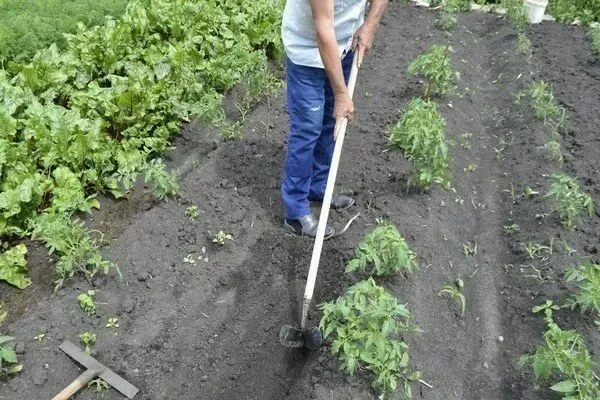
- Regularly remove weeds and loosen the soil. Potatoes prefer loose, well-drained soil.
- Hilling should be done at intervals of 2-3 weeks. This agricultural technique promotes better tuber development and increases yield.
- When signs of mineral deficiency appear (slow growth of tops, change in leaf color), apply fertilizer to provide the plants with the necessary nutrients.
Monitor for pests and diseases and take appropriate preventative and treatment measures to maintain healthy and productive potatoes.
- ✓ First hilling when the tops reach a height of 15-18 cm
- ✓ Second hilling 14 days after the first
- ✓ Watering rate: 30-40 l/m² during dry periods
- ✓ Soil pH control: optimally 5.5-6.5
- ✓ Foliar feeding during flowering: 30 g superphosphate + 20 g potassium sulfate per 10 liters of water
Harvesting
To ensure successful tubers harvest, choose dry weather and stop watering well before the expected harvest date. This variety produces its first new potato harvest in as little as 45 days, but waiting another 2-3 weeks will maximize yields.
Diseases and pests
The plant has a sophisticated immune system, allowing it to successfully resist most common diseases. However, Gulliver is susceptible to some vulnerabilities, including late blight and rugose mosaic. During warm, humid summers, the bushes are often attacked by harmful insects.
Troubleshooting Tips:
- Late blight. Characterized by the appearance of shapeless brown spots on the lower leaves and subsequent rotting of the potatoes, it can be prevented by treating the plants with fungicides and removing the affected plants from the area.
- Wrinkled mosaic. It causes stunted growth and the appearance of light mosaic spots on the leaves, requiring timely intervention. Treatment with Hom or Prestige can help combat this disease.
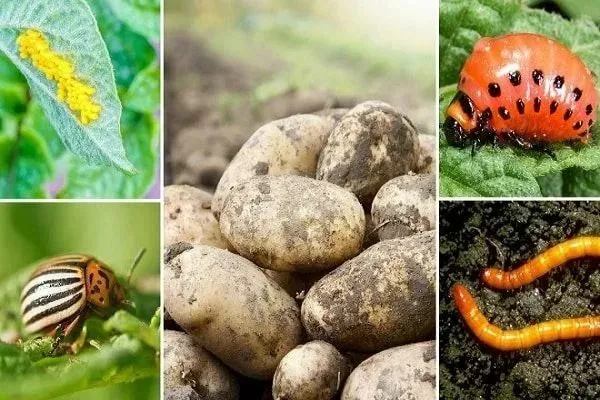
- Potato flea beetleThese are small black insects that can cause significant damage to crops. Use tobacco dust or wood ash. Keeping the soil around the bushes moist can help prevent attacks from this pest.
Deep digging and soil treatment, planting strong-smelling plants around the perimeter of the plot (coriander, fragrant tobacco and mint) will help prevent attacks by potato flea beetles.
| Preparation | Consumption rate | The problem being handled |
|---|---|---|
| Prestige | 70 ml/1 l of water | Wireworm, Colorado potato beetle |
| Hom | 40 g/10 l | Late blight, macrosporiosis |
| Aktara | 1.4 g/10 l | Potato flea beetle |
| Fitosporin-M | 10 g/5 l | Prevention of fungal diseases |
Reviews
The Gulliver potato is a shining example of successful Russian breeding, winning the hearts of many gardeners with its high yield and excellent taste. With good drought resistance and resistance to a number of diseases, this variety is the best choice for gardening. With proper care, it will achieve maximum yields.