
The Grand potato quickly gained popularity among agronomists. This variety combines high yield, excellent flavor, and resistance to a number of diseases, making it an attractive choice for growing in a variety of climates. Cultivation practices are important for strong immunity and improved tuber quality.
Origin
The culture was approved for use in 2016. The authors of this variety are E.A. Simakov, G.V. Grigoriev, A.V. Mityushkin, S.S. Salyukov, A.A. Zhuravlev, S.V. Ovechkin, D.V. Kravchenko and A.V. Mityushkin.
Characteristics of the appearance of the bush and root crops
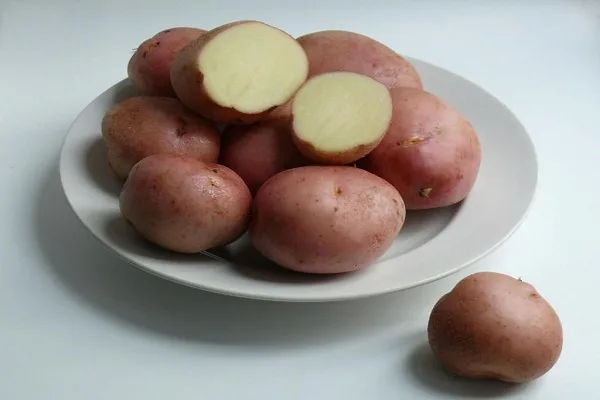
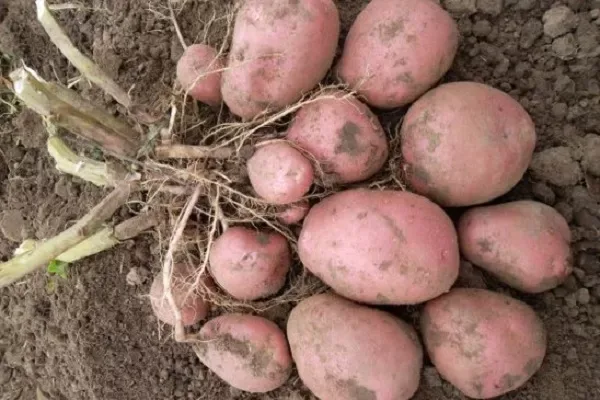
The bushes are tall and semi-erect. The leaves are medium-sized, green or dark green. The tubers are elongated-oval in shape and have partially red skin. Each tuber weighs between 92 and 104 g. The flesh is light yellow and has small, faintly visible eyes.
Purpose and taste of tubers
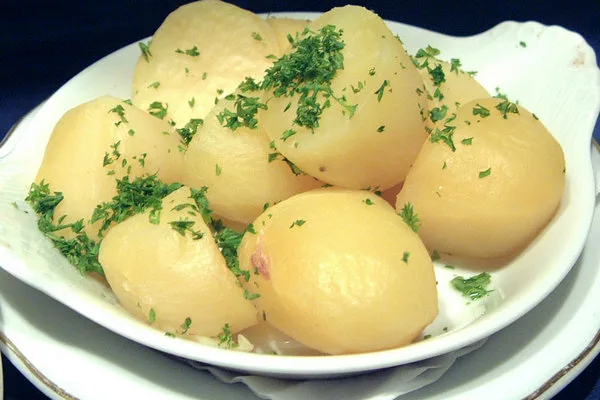
Potatoes of this variety are widely used in the food industry for the production of chips, potato snacks, frozen potato products, mashed potatoes, and other culinary products. The starch content of the tubers ranges from 13.4% to 18%.
It can be used to prepare common everyday dishes such as mashed potatoes, fried wedges, baked potatoes with vegetables and much more.
Productivity, ripening
The Grand potato is a mid-season variety. Harvesting can begin 90-100 days after germination. Average yields range from 114 to 387 centners per hectare, with a maximum yield of 506 centners per hectare.
Advantages and disadvantages
Gardeners note one drawback: the need to protect plants from Colorado potato beetles.
Landing
This variety has gained recognition for its high agronomic performance and excellent taste. When planting the Grand potato variety, it's important to consider several key factors to ensure a good yield and tuber quality:
- Grand potatoes prefer light, well-drained soils with a neutral or slightly acidic reaction (pH 5.5-7.0).
- In the fall, deep-plough or dig the area, adding organic fertilizers such as humus or compost.
- In the spring, before planting, loosen the soil and remove weeds.
- For planting, select healthy, medium-sized tubers without signs of disease or damage. Before planting, germinate them in a bright, cool place, creating a green tint. This accelerates germination and increases plant resistance to disease.
- ✓ Check the soil pH level not only before planting, but also throughout the season, as it can change due to rainfall and fertilizer application.
- ✓ Please note that the plowing depth in autumn should be at least 25-30 cm to ensure optimal drainage and soil aeration.
Plant tubers at a depth of 8-10 cm with a distance of 60-70 cm between rows and 25-30 cm between plants within a row. This arrangement provides optimal conditions for the growth and development of the bushes and makes plant care easier.
Growing and care
Provide the crop with comprehensive care to ensure a bountiful harvest. Follow these agricultural practices:
- Watering. Water moderately, avoiding overwatering or drying out the soil. During dry periods, increase the frequency of watering.
- Top dressing. Apply the first fertilizer 2-3 weeks after germination, using nitrogen fertilizer. Apply the second fertilizer during budding, using phosphorus and potassium fertilizers.
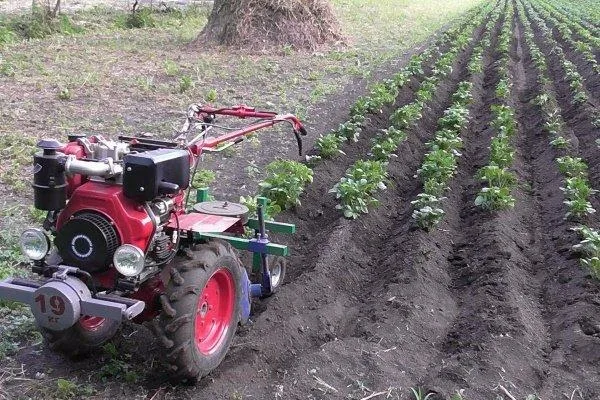
- Loosening and hilling. Loosen the soil after germination to improve aeration. Perform the first hilling when the plants reach a height of 15-20 cm. The second hilling should be done 2-3 weeks after the first.
Harvest the potato crop 3-3.5 months after germination: dig up the potato plants, being careful not to damage the tubers. Leave the vegetables in the field to dry for several hours in good weather.
| Disease | Sustainability level | Recommended preventive measures |
|---|---|---|
| Late blight | Moderately susceptible | Treatment with fungicides before the rainy season begins |
| Alternaria | Average stability | Regular removal of affected leaves |
Diseases and pests
This variety is resistant to golden cyst nematode and potato wart. Its foliage and tubers are moderately susceptible to late blight. It is slightly susceptible to stripe and rugose mosaic, ring rot, common scab, and rhizoctonia. It has moderate resistance to Alternaria blight.
Reviews from gardeners
The Grand potato has proven itself to be a reliable and productive variety, capable of meeting the needs of both large farms and small plots. Its resistance to adverse conditions and strong immune system ensure a consistent harvest with excellent flavor.