
Elizaveta is the best choice for both small-scale and large-scale cultivation. Its high yield, excellent marketability, and taste make this potato a leader among other varieties. With proper agricultural practices, productivity and marketability can be significantly improved.
Who developed the variety and when?
It was developed by experienced Russian breeders: Bryanceva E. V., Pelli A. A., Evdokimova Z. Z., Tsarkov N. I., Zueva O. I. and Osipova E. A. After successful completion of all tests, this variety was approved for use in 1996.
Features of the variety
Elizaveta is a table potato variety. It adapts well to virtually any climate, producing excellent yields. Thanks to its robust immunity, it rarely experiences diseases, including late blight. This versatile variety is suitable for a variety of uses.
Description of the plant and tubers
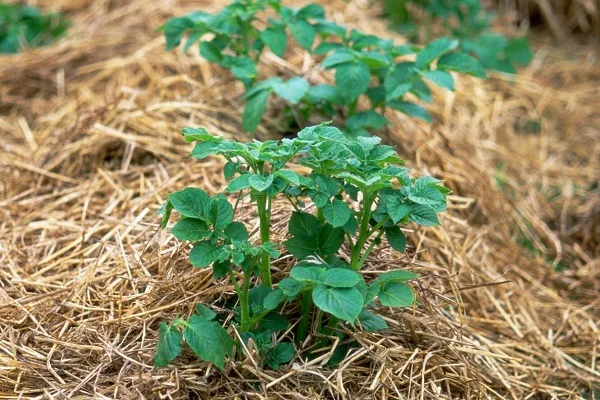
The bushes are characterized by an upright and compact form, with few shoots. The plant has other distinctive features:
- Tops of medium height.
- Good foliage of the branches with medium dissection of leaf blades, which are slightly wavy at the edges.
- The leaves have a slight pubescence on the surface, and the veins are clearly visible.
- Thanks to the developed root system, the tubers are formed evenly.
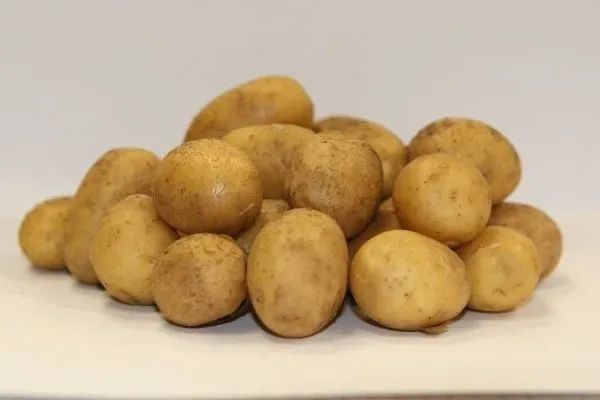
- The potatoes combine an oval-round shape with a slight compression on the sides and a blunt tip at the top.
- The average weight of one tuber is 120 g.
- The skin is smooth, thin, beige in color, with a small number of shallow eyes on the surface.
- The pulp is white, the starch content reaches up to 18%.
Taste characteristics and purpose
The tubers are neither excessively watery nor dry. Their flavor is balanced and pleasant. The flesh does not change color after peeling or cooking.
Suitable for a variety of culinary purposes, including frying, boiling, stuffing, and stewing, the tubers are rich in amino acids, protein, and vitamins, making them a nutritious food.

Ripening and yield
Elizabeth potatoes typically reach maturity approximately 2-2.5 months after planting, but for a trial run, you can begin harvesting after 50 days. Tubers reach full maturity in approximately 90 days.
With favorable conditions and proper care, a single plant can produce up to 10 large vegetables. The total yield is approximately 30-40 tons per hectare. Under particularly favorable conditions, this figure can reach 50 tons.
Soil requirements
The Elizaveta potato prefers well-drained areas with light, sandy soil. It's recommended to plant it in areas previously occupied by cabbage or legumes. Wood ash or compost can be used to improve soil fertility.
- ✓ The optimal soil pH should be in the range of 5.0-6.0 to prevent scab development.
- ✓ The depth of the fertile layer is at least 30 cm to provide sufficient space for the development of tubers.
Growing regions
The crop is often grown both in private gardens and for commercial sale. Due to its low maintenance, even inexperienced gardeners can successfully cultivate this variety.
It is recommended for cultivation in the Central, Northern, Far Eastern, Volga-Vyatka, North Caucasus, and Northwestern regions. In the southern regions, it can produce up to two harvests per season due to the warmer climate.
Resistance to diseases and pests
It has proven itself to be disease-resistant. Rare cases of scab or canker and virtually no blackleg infestations of the tops characterize its strong immunity to fungal infections. It rarely suffers from Alternaria, late blight, and fusarium wilt, and nematode attacks are exceptional.
The main problems for the plant are insects: wireworms, thrips, and the Colorado potato beetle. Digging the soil and treating it with potassium permanganate helps combat wireworms, while insecticides are used to control thrips. To control the Colorado potato beetle, use both manual methods and chemicals.
Landing features
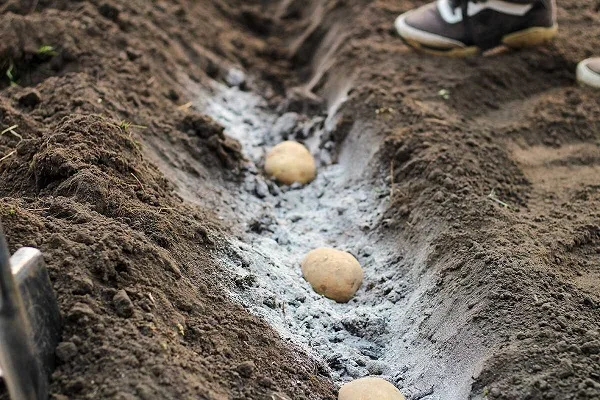
Planting potatoes in furrows is quite simple, so even a beginner can handle it. It's important to follow a few basic rules:
- The crop does not tolerate planting in unheated soil. It is preferable to plant the tubers deeper when the soil warms to 8-10°C. This usually occurs in the second half of May.
- For planting, select the highest-quality specimens, free of defects (dark spots, cracks, or growths). Ideal seed tubers have a solid structure and are small in size (weighing between 70 and 90 g).
- Elizaveta potatoes prefer fertile soil. Dig up the garden in advance: in the fall after harvesting, fertilizing it with humus and loosening the soil. If autumn fertilizing isn't enough, add a handful of wood ash to each hole when planting.
Subtleties of agricultural technology
Caring for Elizabeth involves standard agricultural practices to ensure successful plant development and a good harvest. Here are some of them:
- Soil irrigation. It requires regular watering as it is a water-loving variety. Avoid overwatering, especially after flowering, to prevent the development of late blight.
Water according to a specific schedule: the first time after the green mass appears, then after the inflorescences form, and the last time after they disappear. - Top dressing. Fertilize the soil in the fall before planting. This enriches the soil and prepares it for plant growth. During the growing season, potatoes do not require additional fertilizer, especially nitrogen, as this can lead to foliar growth at the expense of tuber development.
- Weeding and hilling. Hilling is an important agricultural practice that promotes the formation of additional stolons and increases yield. Perform it twice a season, once the tops reach a certain height. Weeding is necessary to reduce weed competition for nutrients and moisture.
- Mowing the tops. This procedure is not mandatory, but can be carried out a week before harvesting to protect the crop from the development of late blight and to direct all energy to the formation and ripening of tubers.
- A month before planting, add 5 kg of humus per 1 m² to enrich the soil.
- When planting, add 20 g of superphosphate and 15 g of potassium salt to each hole to stimulate tuber growth.
- After the seedlings appear, apply foliar feeding with a urea solution (10 g per 10 l of water) to enhance the growth of tops.
Compliance with these measures will allow you to get a good harvest and maintain the health of your plants.
Advantages and disadvantages
Review of reviews
The Elizaveta potato has a number of advantages and minimal drawbacks. This variety has gained popularity among gardeners and homesteaders due to its high-quality, large tubers, good yields, and strong immunity. With proper care, you can harvest uniform potatoes and store them until next season.