
The Aurora potato is very popular among gardeners in our country. This is due to its excellent taste, large tubers, and high yields. This variety is used for a variety of culinary creations. With proper planting and care, you can achieve good yields and preserve the potatoes throughout the winter.
History of the variety's creation
A team of specialists, including O. I. Zueva, E. V. Bryantseva, G. N. Slobodina, V. E. Zuev, and T. A. Kolesova, developed a high-yielding potato variety. All necessary experiments and research were conducted at the Vsevolozhskaya Breeding Station. In 2006, the developed variety was added to the State Register.
Description of the plant and tubers
The bushes are covered with large, dark green leaves. The plants reach up to 80 cm in height. This variety has other distinctive characteristics:
- Lilac flowers are characterized by pinkish veins.
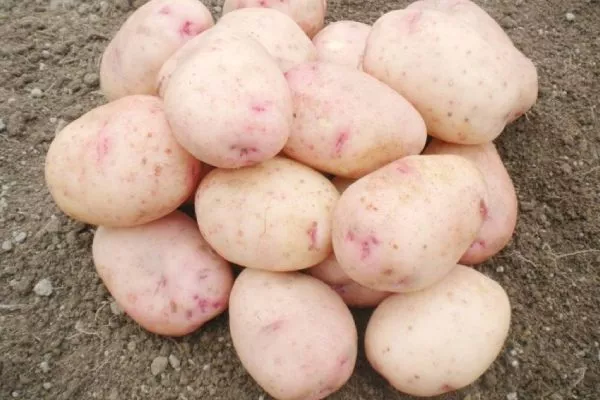
- The tubers are oblong-oval in shape and medium in size. Each potato weighs 95-130 g.
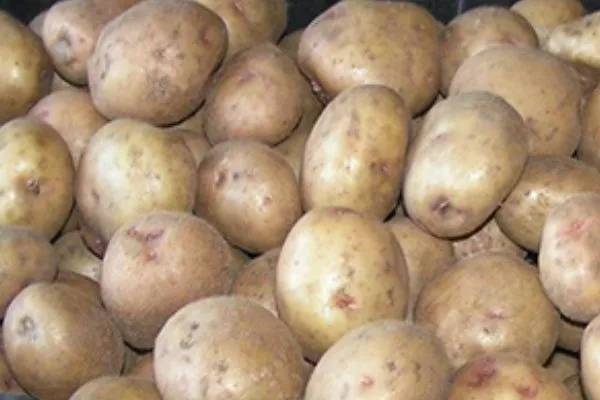
- The skin is thin, smooth, yellow in color, with small pinkish eyes that do not stand out much from the general background due to their size, not exceeding 3-4 mm.
Taste characteristics and purpose
Aurora is popular due to the excellent flavor of its tubers. They have a rich, juicy, and harmonious taste. This variety is primarily intended for fresh consumption.
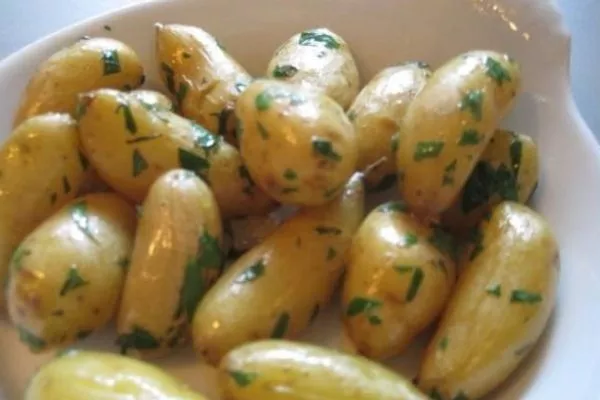
The tubers are great for a variety of dishes. They make delicious boiled potato dishes and hearty and healthy soups. They're also great for frying.
Ripening and yield
It is characterized by a medium ripening period. From germination to harvest, it takes 100 to 110 days, but sometimes this period can be reduced to 80-90 days.
The yield is very high. Under industrial cultivation conditions, the yield ranges from 214 to 396 centners per hectare. Maximum yields can reach 416 centners per hectare. The final results largely depend on adherence to agricultural practices and proper plant care.
Which regions is it suitable for?
Aurora is a crop capable of producing a good harvest in a variety of Russian climates. Several regions are particularly favorable in terms of climate and soil composition:
- Moscow;
- Moscow region;
- Leningrad region;
- Central region;
- Far East;
- North Caucasus region;
- Volga-Vyatka region;
- Black Earth Zone;
- North-West region.
It is successfully grown in Ukraine and Belarus.
Planting technology
Potato planting time largely depends on soil temperature. Optimal temperatures are considered to be 8-10°C. This variety doesn't require any special conditions, but it does not tolerate late frosts well. Wait until all potential frosts have passed before planting.
- ✓ The soil pH level should be within 5.5-6.5 for optimal growth of Aurora potatoes.
- ✓ The soil must be well-drained to avoid water stagnation and rotting of the tubers.
In southern regions, this is usually mid-April, and in mid- and northern latitudes, the first half of May. If the weather forecast is unfavorable, it's best to postpone planting. If the spring is warm, replant the crop and get two harvests in one season.
Good predecessors for potatoes in crop rotation are:
- winter cereals;
- legumes;
- green manure;
- onion;
- garlic;
- melons and gourds.
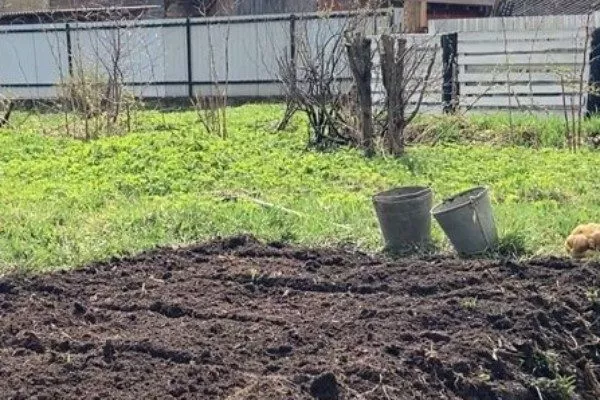
The soil for planting should be light, slightly acidic, and nutritious. Begin preparing the planting site in the fall. Let the tubers germinate before planting. Due to the tall bushes, it's important to maintain a distance of at least 60-80 cm between rows.
Care Features
Although the crop variety is drought-resistant, it responds positively to watering, which contributes to increased yield.
Follow the care instructions:
- Water weekly in the evenings until flowering, using at least 3 liters of water per seedling. During flowering, if there is no rain, increase watering, but take weather conditions and soil moisture levels into account.
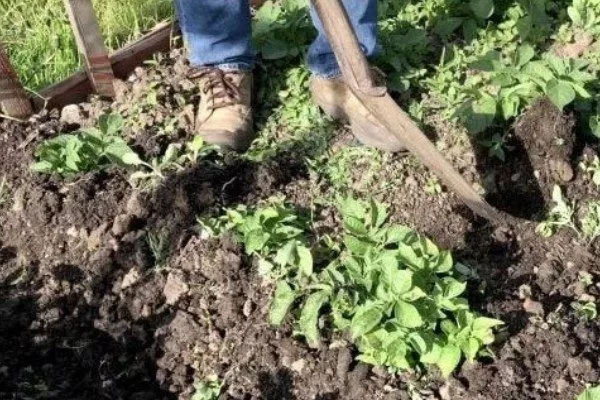
- After watering, loosen the soil to ensure oxygen reaches the plant roots.
- Remove weeds as they may provide shelter for pests.
- Feed the plants with organic fertilizers and a mineral supplement. Apply nitrogen only at the initial stage, as too much can lead to foliage growth at the expense of tuber development.
- During flowering, fertilize with organic matter to support fruiting. Phosphorus and potassium supplements during fruiting promote faster tuber ripening.
Diseases and pests of the Aurora variety
When creating the Aurora variety, selective breeding was carried out to develop its immunity to dangerous diseases such as potato cancer, scab, and nematodes. However, this variety remains vulnerable to late blight, early blight, and pest attacks.
Regular disease detection and preventative measures can help protect your crop. For control, use specialized products designed to address the following issues:
- Fundazol. It is used for preventive treatment of tubers before planting to prevent brown rot and black scab.
- Prestige. It's used to control Colorado potato beetles, wireworms, aphids, and other pests. It's applied before planting potatoes: sprouted tubers are sprayed with the solution and, after drying, planted in the soil.
- Remontal. It is used during the growing season to combat fungal diseases: late blight, alternaria and downy mildew.
- Confidor. Used against the Colorado potato beetle. Spray the bushes with an aqueous solution. Application is recommended during a large-scale larval infestation. Treatment during flowering and three weeks before harvest is not recommended.
- Medvetoks. Used to combat mole crickets. Apply granules 2 cm deep into the soil around damaged bushes and adjacent areas.
| Means | Against what pests/diseases | Period of validity |
|---|---|---|
| Fundazol | Brown rot, black scab | Before landing |
| Prestige | Colorado potato beetle, wireworm, aphid | Before landing |
| Remontal | Late blight, alternaria, downy mildew | During the growing season |
These measures help protect potatoes from diseases and pests, ensuring yield and product quality.
Advantages and disadvantages
This variety has numerous advantages, making it a popular choice among gardeners, even with the emergence of new and interesting varieties. Aurora's advantages:
Harvesting Features
A few days before harvesting, remove the tops, leaving stems no more than 10 cm tall. Dig the tubers carefully to avoid damaging them with the shovel. After harvesting, leave the potatoes in the sun to dry for several days.
Reviews
The Aurora potato variety attracts attention with its high yields and high-quality tubers. Gardeners choose it for its disease resistance and strong immunity. To get the most out of this variety, it's important to properly care for and monitor the condition of the plants.