
The Alena potato is one of the most popular and sought-after varieties in our diet. It stands out for its excellent taste and good yield. It is disease-resistant and easy to grow. It's important to understand its key characteristics and agronomic features to ensure a bountiful harvest.
Peculiarities of origin
Created by specialists from the Federal State Budgetary Scientific Institution "Omsk Agrarian Scientific Center" and recommended for cultivation since 2000.
Description
This variety has gained popularity in the international market due to its ability to produce a good harvest even in short summers and unfavorable soil conditions. The bushes develop quickly, and the tubers fully mature and accumulate essential nutrients in a short period of time.
Root vegetables
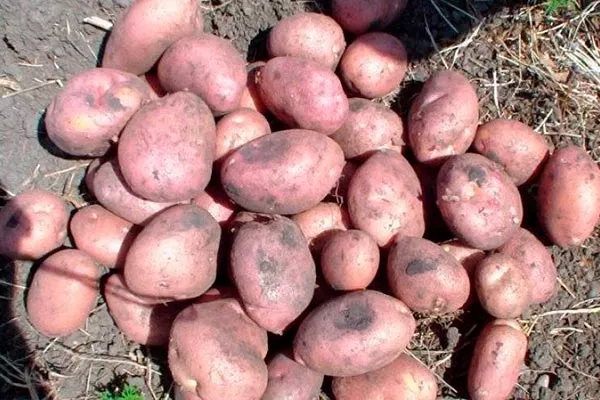
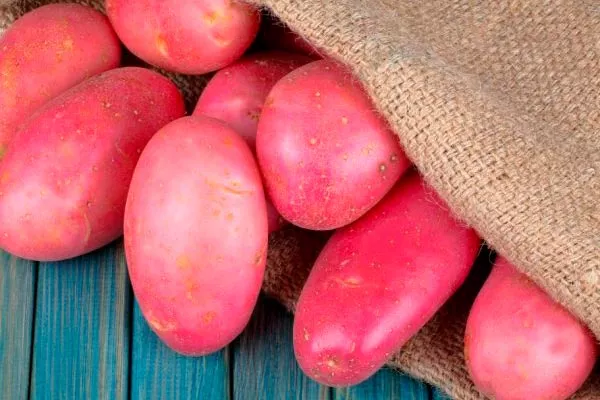
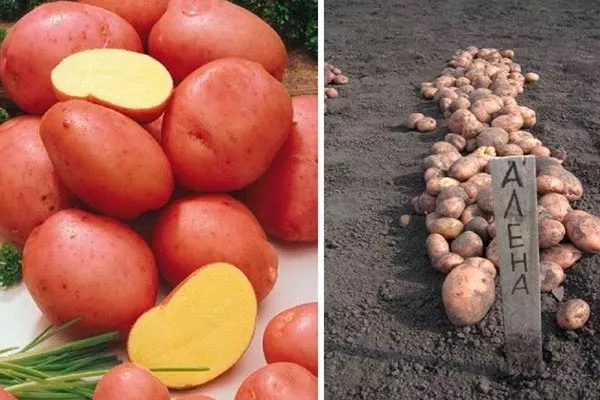
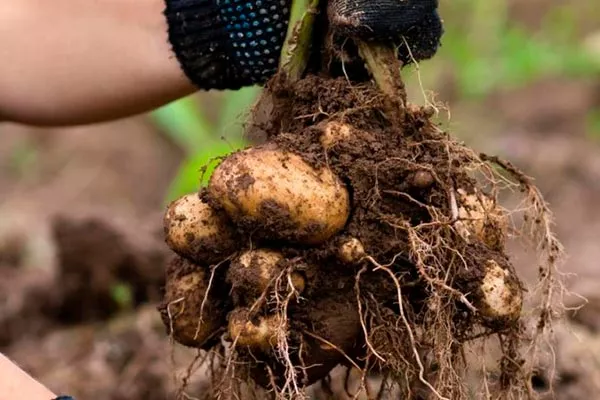
A single plant produces 6 to 9 roots, weighing between 86 and 167 g. The vegetables are oval-shaped with smooth skin. The eyes are few in number, pink in color, and of medium depth.
- ✓ The eyes are pink, which is a distinctive feature of the variety.
- ✓ High resistance to potato cancer and common scab.
Tops
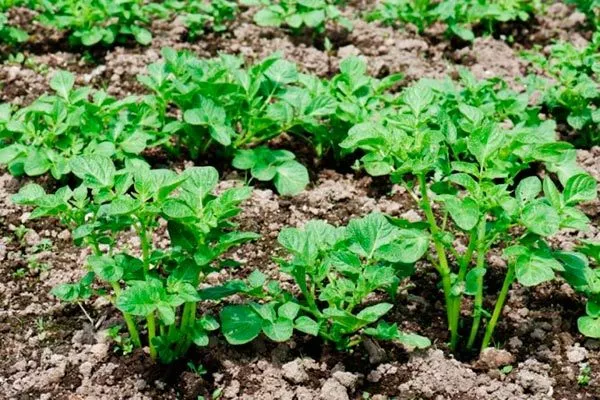
The bush has an intermediate type and a branched form. The leaves are large, green, with slightly wavy edges. The flowers are medium-sized, red-violet, collected in a multi-flowered, spreading inflorescence.
Characteristics of potatoes
The Alena potato variety boasts excellent transport qualities. With proper care, you can grow this vegetable crop and achieve a bountiful harvest.
Taste qualities of potatoes
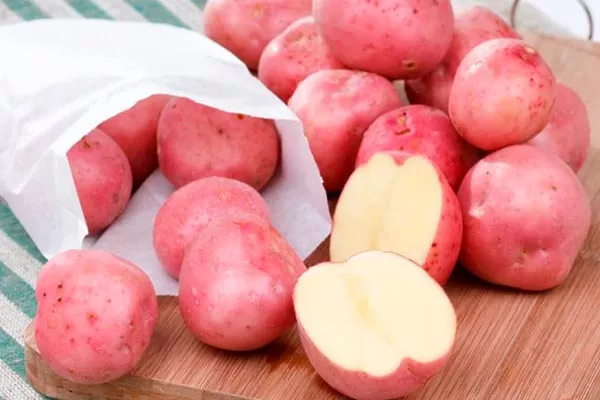
They cook well and have a floury texture. The flavor of the tubers varies from good to excellent, depending on growing conditions.
Purpose
Ideal for making French fries and chips due to its high marketability, ranging from 81% to 97%. It is also successfully used in other dishes. The starch content of the tubers ranges from 15% to 17%.
Ripening period
This variety is considered a very early variety. The period from germination to harvest is 60-70 days.
Productivity
Demonstrates high productivity. Average yields range from 172 to 292 centners per hectare, with a maximum of 391 centners per hectare. The variety has good shelf life, and the vegetables retain their appearance and flavor during long-distance transportation.
Disease resistance
This variety is resistant to potato wart, common scab, and rhizoctonia. However, it is susceptible to late blight of both tubers and tops, as well as golden cyst nematode.
Planting and growing the Alena variety
Growing this crop is simple and accessible, making it popular among both beginner and experienced gardeners. It adapts well to a variety of climates and requires little maintenance.
Deadlines
Plant the tubers after the soil warms to 8°C. In southern regions, this occurs in early April; in central Russia, at the end of the month or the first week of May. In the Urals and Siberia, plant the seedlings closer to the end of spring. Alena does not tolerate subzero temperatures.
Place
Choose an open, sunny site free from flooding and with a deep water table. Peas, phacelia, white mustard, zucchini, cucumbers, beets, and garlic are considered good predecessors for potatoes.
Preparing tubers
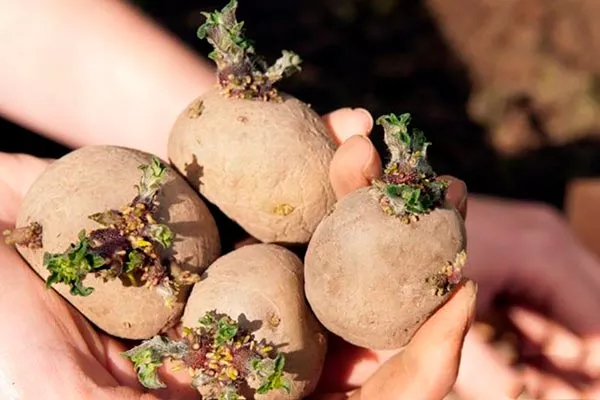
A month before planting outdoors, place the seedlings in a warm room. For germination, the temperature should be at least 12-16°C. Turn the potatoes twice a month.
Algorithm
First, dig the area to the depth of a bayonet, remove all weeds, and add organic fertilizer if necessary. Mark the rows: use string or cord to mark the locations of the potato rows. The distance between furrows should be 60-70 cm.
- ✓ Check the soil pH level; the optimal pH for Alena potatoes is 5.0-6.0.
- ✓ Make sure there are no stones or large clods of soil that could hinder the growth of tubers.
Step-by-step instructions:
- Dig holes 7-8 cm deep with a distance of about 30 cm between them.
- Add 100-150 g of wood ash to each hole. This will help improve the soil's nutritional value and protect the tubers from disease.
- Place the planting material into the holes, eyes facing up. Make sure the roots are positioned at the bottom and not touching each other.
- Fill the area with soil, compacting it carefully to avoid the formation of voids.
Water the beds with warm, settled water to provide the necessary moisture for germination.
Care Features
After seedlings emerge, it's important to implement a series of measures to promote comfortable and rapid plant growth to achieve high yields. Simple agricultural practices should be followed.
Fertilizer
Proper and timely fertilization of bushes is one of the best ways to increase crop yield.
The work is carried out in several stages:
- After germination. Dilute 1 kg of chicken manure in 15 liters of water and let it sit for 48 hours. Then, pour 1 liter of the resulting solution under the roots.
- Before hilling. Dissolve 20 g of urea in 10 liters of water and pour 500 ml of the resulting solution under the bush.
- During the budding period. Mix 60 g of Superphosphate in 10 liters of water and spray the tops.
- During flowering. Dissolve 100 g of superphosphate and 500 g of mullein in a bucket of water. Mix and pour 500 ml of this mixture under each plant.
For more efficient absorption of nutrients, apply root fertilizers only to pre-moistened soil.
Watering
The Alena potato tolerates hot weather well, but still responds favorably to generous moisture. Proper soil irrigation promotes full growth of green mass and an increase in tuber production. Insufficient moisture can lead to plant exhaustion and a decrease in their potential.
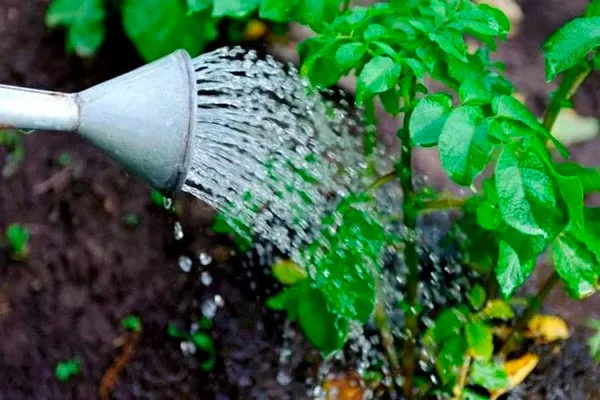
In the absence of precipitation, water the bushes twice a week:
- After emergence – for normal development of the aboveground part.
- During flowering – to increase the number of tubers formed.
- After flowering is complete – to stimulate the growth of root crops.
Carry out this procedure in the evening, when the heat subsides, using a large volume of water. The soil layer should be moistened to a depth of at least 10 cm to ensure adequate nutrition for the bushes.
Weeding and hilling
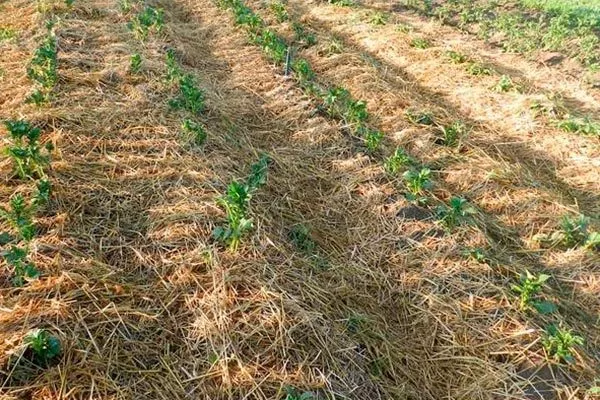
A week after planting, remove weeds between the rows, and then, as the plants grow, repeat this procedure every 7 days. At the same time, sprinkle moist soil around the plant stems and loosen the soil.
Hilling should be done twice during the growing season: when the seedlings reach 8-10 cm in height and two weeks after the initial hilling. Add soil to a depth of 5-12 cm under each bush.
The event brings the following benefits:
- Increases yield by 25-30%.
- Reduces stem lodging.
- Promotes the formation of additional tubers.
- Provides good air circulation in the underground part.
- Retains moisture and nutrients.
- Prevents the appearance of "green" potatoes.
Harvesting and storage
The crop's maturity is indicated by yellowing of the tops, which signals the time to harvest. The above-ground portions typically begin to fall in August or September, depending on the planting date. Before harvesting, mow down the tops 10-15 days before digging.
Work order:
- Harvest potatoes on a warm, sunny day.
- Carefully dig up each bush with a shovel or pitchfork, and then manually remove the tubers from the ground.
- Clean the root vegetables from soil and place them in baskets, taking care to avoid impacts and mechanical damage.
- Before storing, dry the harvest in the shade under a canopy for several days.
- Sort the vegetables by size, removing any damaged ones.
- Store at a temperature of +2…+5°C in a dark, dry place with good ventilation.
If these conditions are met, potatoes can be successfully stored until spring, and the shelf life of this variety is at least 90%.
Prevention of diseases and pests of the variety
Potato plants are susceptible to various viral and infectious diseases, as well as insect attacks. It's important to take timely preventative measures to prevent plant death and preserve future harvests:
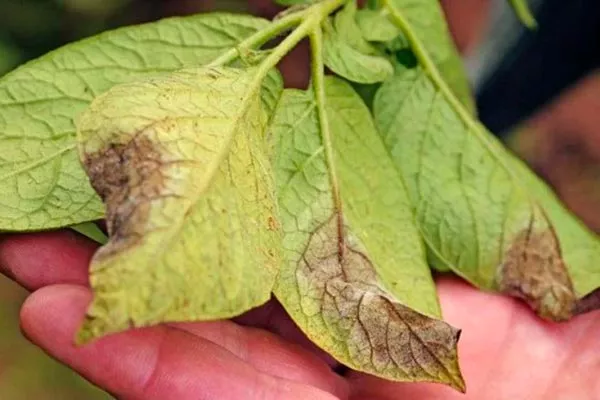
- Late blight. A common fungal disease that affects all parts of the plant. Dark brown spots appear on the leaves, which can spread to the tubers. For treatment and prevention, use copper sulfate, Bordeaux mixture, and Ridomil, Agat, and Shirpan.
- Common scab. The fungus attacks red-skinned vegetables. Ulcers and scabs form on the vegetables, which enlarge over time. To combat the fungus, use Prestige, Ditan, Acrobat MC, and Ordan.
- Colorado beetle. A dangerous insect capable of destroying an entire crop. Effective insecticides include Bombardir, Iskra Zolotaya, Aktara, Komandor, and others.
- Golden nematode. A small parasite, up to 1 mm long, that attacks the tops of the plants. Spray with nematicides, such as Nemabact and Karbofos.
- Mole cricket. A soil-dwelling pest that feeds on green foliage and tubers. Treat with insectoacaricides: Terradox, Vofatox, Medvecid. The biological product Rembek works well.
To protect shrubs from diseases and pests, plant aromatic plants between the rows, such as marigolds, matthiola, nasturtium, mint, sage, and calendula. Coniferous and alder branches placed in small clusters around the area will help repel pests.
To reduce the spread, follow these recommendations:
- Follow crop rotation rules.
- Disinfect planting material, agricultural equipment and storage areas.
- Remove diseased specimens from the beds.
- Use chemical and folk remedies for protection in a timely manner.
Positive and negative qualities
The Alena potato variety has many advantages that outweigh its disadvantages. It's important to research these before planting to avoid potential problems.
The variety has no obvious drawbacks. However, to achieve a good harvest, carefully study its cultivation technology and follow agronomic recommendations.
Reviews
The Alena potato is a reliable choice for any gardener seeking a high yield and excellent product quality. Combining excellent flavor, disease resistance, and ease of care, this variety can satisfy the needs of both home gardeners and farmers. Proper use of agricultural techniques will ensure maximum yield.