
The Alouette potato is a mid-early Dutch variety, ideal for side dishes and other side dishes. This variety is resistant to various diseases and can be used for both commercial and home-grown cultivation.
History of appearance
Developed by Dutch breeder Marien Winter of Agrico, Alouette is a relatively new addition to the range, having been introduced in 2018.
Features of the bush
It is characterized by a medium-sized, wide, spreading bush with a developed fibrous root system and upright, strong stems. The plant's leaves are dark green and vary in size, ranging from large to medium.
During flowering, the Alouette bush is adorned with numerous purple flowers. Each bush produces approximately the same number of potatoes, all of which are uniform in size.
Parameters of root vegetables, their taste and purpose
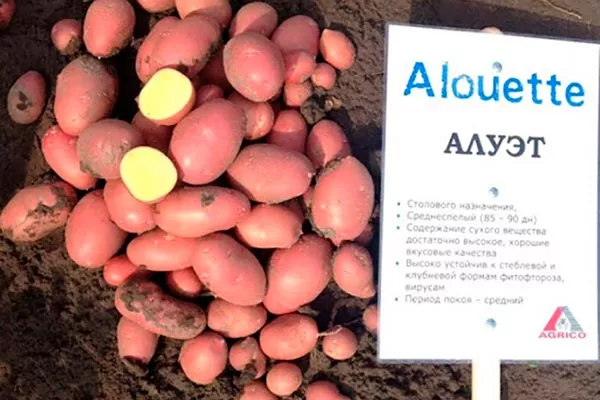
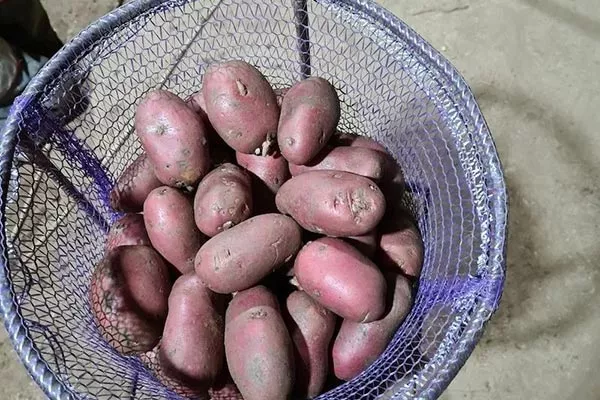
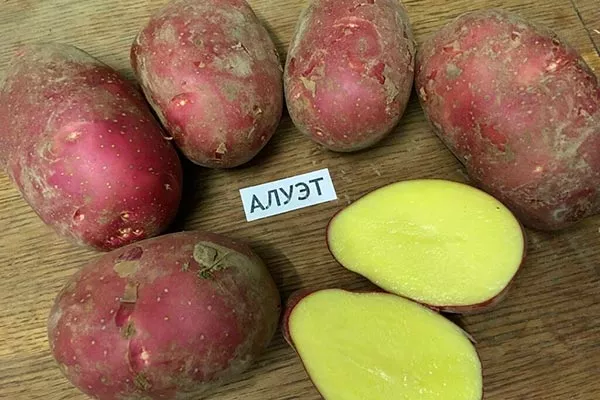
The tubers are elliptical, resembling an oval. Their surface is smooth and pleasant to the touch. Shape imperfections may occur if the soil contains many metal objects or stones.
Other varietal characteristics:
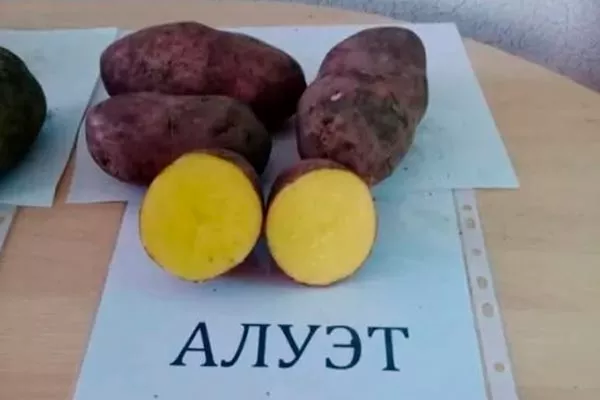
- The skin covering the tubers has a pinkish tint, while the flesh is denser and has an attractive yellowish-white tone.
- When cooked, Alouette potatoes are crumbly and have a rich flavor with a distinctive aroma.
- Ideal for soups, stir-fries, and baking, it can be used to create a variety of delicious dishes, including sauces, salads, and purees.
Characteristics of the Alouette potato
By studying the unique characteristics of each plant, gardeners can realistically assess their chances and be prepared for potential challenges. The Alouette potato variety, despite its ease of cultivation, has a number of characteristics that should be considered when choosing seeds.
Ripening period
It's important to consider the geographic location for growing the plant. In most regions, Alouette potatoes reach maturity 100-110 days after planting. However, keep in mind that the warmer the climate, the earlier the harvest can be harvested.
Productivity
Only those gardeners who carefully plant and care for their potatoes will achieve high productivity. On average, one hectare can yield between 195 and 390 centners of potatoes. The highest yield ever recorded by plantation owners was 450 centners per hectare.
Disease resistance
The Alouette potato variety is renowned for its disease resistance. It offers good protection against canker, late blight, and nematodes. However, even the healthiest variety can be susceptible to infection and pest attacks if not properly cared for. Alouette's resistance may also be reduced by prolonged exposure to unfavorable climate conditions.
- ✓ Resistance to cancer, late blight and nematodes.
- ✓ Cold resistance down to -2-3°C.
Winter hardiness
The variety's cold tolerance is limited—it can withstand temperatures as low as -2-3 degrees Celsius. Severe frosts can damage and kill the tubers.
Keeping quality
Alouette potatoes have a good shelf life of 96%, but to achieve this, they need to be stored in a cool place. Their maximum shelf life is up to six months.
In what regions is it grown?
The Alouette variety is ideal for reproduction in the Volga-Vyatka region, but can also be successfully grown in more southern climatic conditions.
When growing this variety in northern regions, the length of the spring-summer periods should be taken into account, as an insufficiently ripe crop will not survive the winter.
Nutritional properties
The Alouette hybrid has a moderate starch content of 14%, which ensures its resistance to frying and prevents premature soaking under the influence of heat treatment.
The variety is beneficial for the body:
- Alouette is rich in carbohydrates, making it an ideal source of energy for the body.
- The proteins present in this potato variety are a key element for building and restoring cells and maintaining muscle tone.
- The fiber it contains not only regulates digestion, but also plays an important role in maintaining a healthy weight and protects against many diseases.
- Alouette potatoes are also renowned for their rich vitamin content, particularly vitamin C. They act as a powerful antioxidant, strengthening the immune system, protecting cells from damage, and promoting healthy skin.
As a result, thanks to its high nutritional qualities, Alouette potatoes become not only a tasty but also a healthy product.
Planting and growing
The technology for cultivating Alouette potatoes includes not only the planting process and subsequent care, but also careful soil preparation and selection of planting material.
Preparing tubers
Before planting, carefully select medium-sized tubers without visible damage or signs of disease. Given that the Alouette variety is mid-season, sprouting the roots is optional. However, if an early harvest is essential, vernalization is recommended.
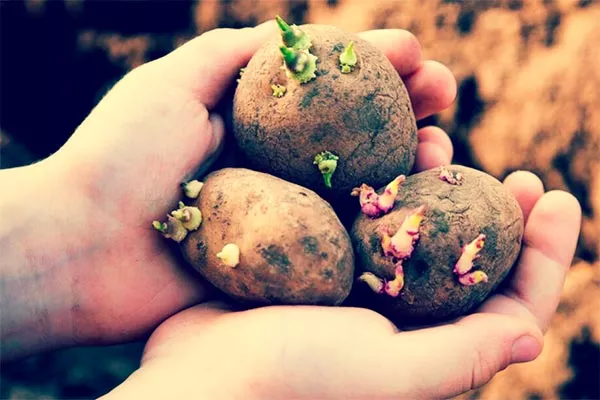
To germinate, do the following:
- spread the tubers in an even layer in a well-ventilated and lit place;
- After two or three weeks, when healthy and well-developed sprouts appear, harvest and plant the potatoes.
On the day of planting potatoes, it is recommended to treat them with a special anti-Colorado potato beetle treatment. This will protect the young potato seedlings from damage from this pest.
- ✓ Optimum soil temperature for planting: 8-10°C.
- ✓ Tuber planting depth: 10 cm.
Selecting a site
To ensure a bountiful harvest, Alouette requires the right growing location. This plant thrives in bright light and shade-free areas with full sun exposure throughout the day. The optimal habitat for potatoes is light, not too heavy soil, rich in nutrients.
A suitable location for Alouette potatoes would be a well-ventilated area with not only fertile soil, but also an effective drainage system.
Soil requirements
Alouette is a potato variety developed using selective breeding methods. It is particularly prized for its rapid growth on highly fertile soils rich in organic and mineral components.
To prepare the soil for planting, it's recommended to add compost to the area during fall tillage. If the soil is heavy, add sand to improve its structure.
Before planting in the spring, add mineral fertilizer to the soil in the required amount. Alternatively, you can use burnt wood ash. Potatoes respond particularly well to potassium-rich fertilizers.
Planting times and rules
Mid-season potato varieties are usually planted between mid- and late April. However, when choosing a specific date, it's important to consider the climate and current weather. If the spring is cold, it's best to wait until the soil temperature rises to 8-10 degrees Celsius.
There are several methods for planting potatoes, and the choice depends on soil characteristics and climate conditions. Two main methods are most commonly used:
- In areas with high groundwater levels, near bodies of water and rivers, potato planting requires special attention, as the plant does not tolerate excess moisture, which negatively impacts the quality of the root crops. In such cases, planting on raised beds is recommended, which allows for controlled moisture levels and maintains them at the required level.
The ridges are formed to a height of 40-45 cm with row spacing of about 80-85 cm. - In rich soils in temperate and warm climates, row planting is preferred. This requires surveying the plot and preparing planting holes. The tubers are distributed among the holes and covered with soil, after which the plot is leveled with a harrow.
- If the soil is highly acidic, adding dolomite flour or chalk is recommended. If these materials are unavailable, prepared wood ash can be used.
Before planting potatoes, you need to thoroughly prepare the soil: remove any hairs and stones, and possibly test it for acidity and fertility. If the results aren't right, you'll need to fertilize the soil to achieve optimal conditions.
Proper drainage is equally important, as potatoes do not tolerate excessive waterlogging. If necessary, drainage channels or special drainage pipes should be installed.
Planting technology
The procedure for performing the work is quite simple and standard:
- Carry out preparatory work by digging holes measuring 30 by 70 cm.
- Add 1 tablespoon of nitrophoska and wood ash to each.
- Sprinkle some onion peels to repel the Colorado potato beetle and other unwanted “guests”.
- Place potato seeds in prepared holes and bury them to a depth of 10 cm.
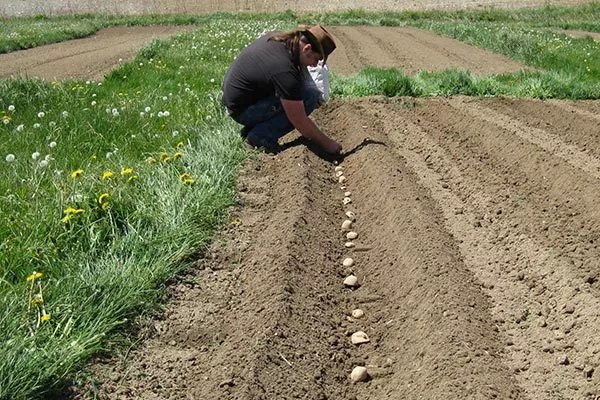
Watering after planting is usually not necessary, as the soil still contains natural moisture. However, if there was no rain in the spring, it's best to moisten the beds.
Caring for the variety
Growing a hybrid requires a specific approach: optimal agricultural practices must be ensured, including regular fertilization, watering, and loosening. Furthermore, it is essential to provide protection from strong sunlight and wind during the potato growth and flowering period.
Irrigation conditions
Alouette potatoes require moderate moisture. During the ripening period, watering every two weeks is sufficient. The soil around the Alouette plant itself will indicate the need for watering—it will become dry and hard.
To water potatoes, use up to 2 liters of water, carefully pouring it under the roots. It's especially important that tap water be heated to 25°C and left in the fresh air for at least half an hour to avoid exposure to harmful substances.
Rules for fertilizing
When fertilizing Alouette, it is recommended to alternate nitrogen-potassium and organic fertilizers. Fertilizer application follows the following schedule:
- First time Apply a couple of weeks after germination using azofoska with chicken manure.
- For the second time Fertilizer is added when Alouette buds begin to actively form, using potassium sulfate and fresh mullein.
- The last feeding It is needed when potato flowers fade; monophosphate and potassium magnesium sulfate are used.
To ensure that fertilizers are most effective, it is recommended to apply them to the soil half an hour after watering, when the soil is sufficiently moist.
Carrying out mulching
Alouette responds particularly well to the use of straw as mulch. This type of covering not only retains moisture but also protects plants from harmful insects. The straw is applied evenly, not too densely.
The straw layer should be 12-15 cm thick, with up to 20 cm between rows. Regularly add fresh mulch under the lower branches of the plant every 4-6 days. Remove all the straw 1.5-2 days before harvesting to prevent any remaining straw from causing rot.
Diseases and insect pests
Alouette has a natural resistance to viral diseases, but in hot and humid conditions the following problems may occur:
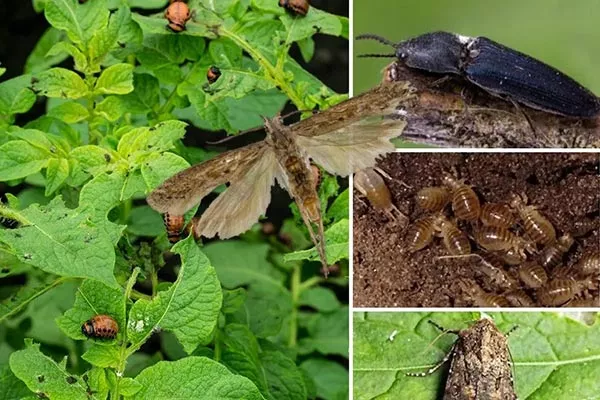
- Striped mosaic. This form of mosaic infection, transmitted by Potato virus Y, affects potato plants, especially during wet summers and low oxygen levels. It causes purple-brown necrotic streaks on the leaves.
To treat mosaic disease in the Alouette variety, a double treatment with insecticides such as Corado or Inta-Virom is effective, but this only works if the disease is detected early. - Colorado potato beetle – A yellow-black insect with pink larvae (Leptinotarsa decemlineata) can destroy half of an Alouette potato planting in a few weeks. Therefore, treatment with insecticides, such as Zubr or Zhukoed, is carried out before the potato plants begin to bloom, and then 2-3 more times at intervals of 5-10 days.
Spraying potato tubers with celandine tincture provides additional protective action. - Potato moth (Latin Phthorimaea operculella) – It is distinguished by its chocolate-brown, shiny wings. Its activity increases in hot weather, with the larvae preferring to colonize the uppermost tubers.
To get rid of moths, it is recommended to treat the soil around potato plants with the insecticide Tsipershans. To kill moth eggs on potato plantings, spray with Dendrobacillin. The moths can be repelled by the scent of dill umbels applied to the lower branches of Alouette.
Harvesting and storage
Key indicators that potatoes are ready for harvesting include yellowing leaves and wilting. Once these signs are detected, harvesting can begin. But it needs to be done correctly:
- When digging up potatoes, it is recommended to use a shovel or a special pitchfork, carefully removing the tubers to avoid damaging them.
- Afterwards, the potatoes should be left in the air for several hours to dry and strengthen their protective properties against rotting.
- The next step is to thoroughly clean the root vegetables from soil and dirt.
- Next comes sorting. Potatoes unfit for consumption—damaged, rotten, or broken—should be discarded. Healthy, firm potatoes can be stored in a cool, dry place at a temperature of 2 to 7 degrees Celsius, such as a basement, cellar, refrigerated room, or special containers.
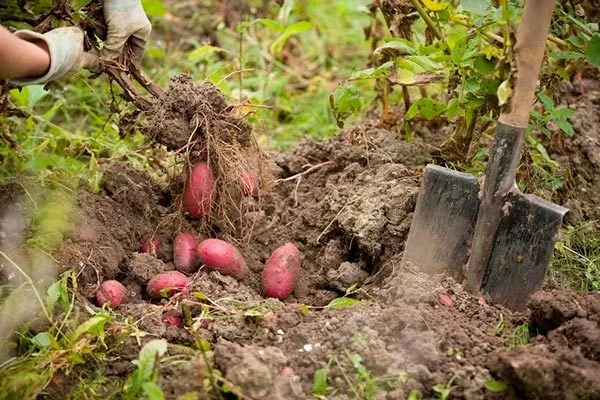
If stored properly, Alouette potatoes will retain their flavor and nutritional properties for a long period of time.
Positive and negative qualities
The Alouette potato variety has many advantages, as confirmed by its characteristics and gardener reviews. The most frequently cited advantages among potato specialists are:
Negative traits of this potato variety are generally rarely noted. The main disadvantages that may appear with Alouette include:
Alouette is sometimes susceptible to attack by the Colorado potato beetle, especially if the potato is grown in regions with high temperatures and sparse rainfall.
Reviews
The Alouette potato is a young but well-deservedly recognized variety. It requires little care and rewards with good productivity. It is suitable for both homestead and commercial cultivation. It thrives in various regions of Russia, including the southern and central regions. It can withstand mechanical damage and, if stored properly, retains its quality until spring.