
Romanesco, or coral cabbage, is the most amazing and mysterious member of the cabbage family. This vegetable is healthy, delicious, and striking in its unusual shape. Learn how to grow this unusual cabbage in your garden and the challenges involved in the process – further in the article.
What's special about Romanesco?
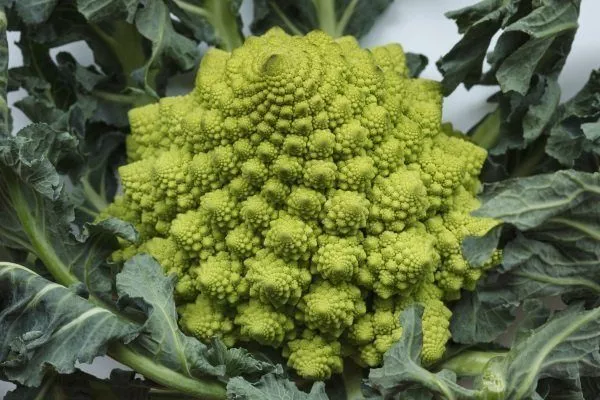
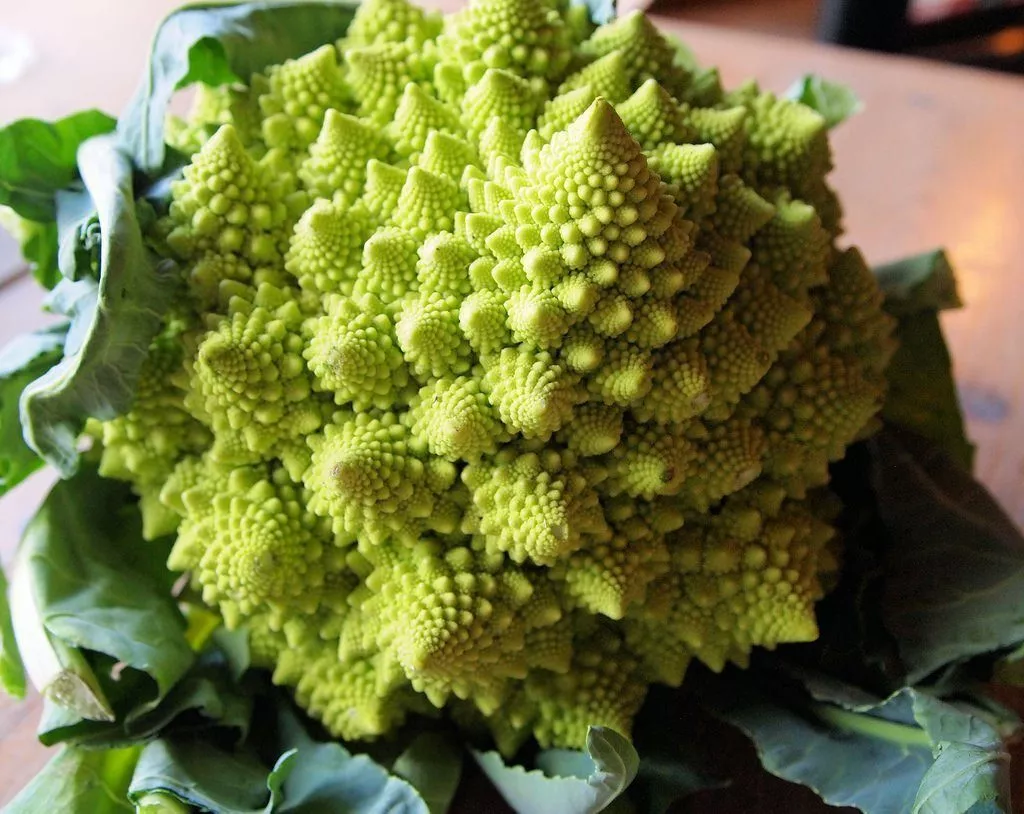
When you first encounter this vegetable, you might not immediately recognize it as a member of the cabbage family. Its appearance is too unusual—the plant resembles either a shell or some other sea creature.
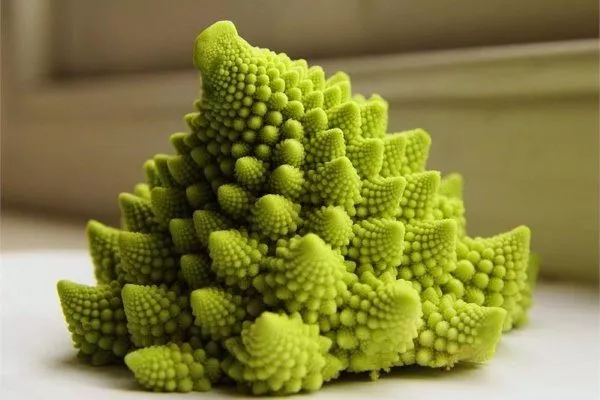
Romanesco has a remarkable form, known in mathematics as a fractal. This term refers to geometric figures that exhibit self-similarity—they are composed of many parts, each of which is similar to the figure as a whole.
When describing fractals, mathematicians often cite Romanesco kale as a visual example—it perfectly demonstrates the properties of these shapes. For gardeners and botanists, this cabbage is a work of either nature or selective breeding. Coral kale will decorate any garden, flowerbed, or container, and it's also a tasty and healthy vegetable.
Botanical description
This is a vigorous annual plant from the cruciferous family. It resembles cauliflower in appearance and structure. The cabbage head is a composite flower composed of neat, repeating, light-green pyramidal inflorescences. The leaves are dense, dark green, arranged in a circle, edging the head. The leaves are not edible—in Romanesco, only the head is edible.
The vegetable's main feature is the structure of its head. It consists of numerous pyramids, built from several smaller pyramids. The inflorescences, closely touching, follow one another in a spiral, creating a beautiful shape.
Coral cabbage is often planted in flowerbeds, together with flowers, to create original landscape compositions.
History of origin
It's not known for certain when, where, and how coral cabbage originated. There are several theories:
- According to plant breeders, Romanesco is a subspecies and cultivar of cauliflower. However, it is neither a cauliflower nor a hybrid.
- Mathematicians, keenly studying the Romanesco fractal, have proposed a theory that the crop was created in the late 20th century. The unusual shape of the cabbage head is described by logarithmic equations, leading mathematicians to believe that 3D designers engineered it, introducing special genes. However, historians disagree.
- Experts and historians say this amazing vegetable was known to the ancient Etruscans as early as the 1st century BC. However, this cabbage only appeared on the market in the 1990s.
- There is an opinion that Romanesco – the fruit of selective breeding. It was allegedly developed by Italian breeders by crossing cauliflower and broccoli.
- Another suggestion is that about a hundred years ago, Romanesco came from the Etruscans to Tuscany, and from there it set out to “travel” across Europe.
Varietal characteristics
Main varietal characteristics of Romanesco:
- Heads weigh up to 2 kg. Depending on the variety and growing conditions, weight ranges from 0.5 to 2 kg. The stem height reaches 1 m.
- The flavor is delicate, without bitterness. Romanesco is similar to cauliflower, but its flavor has nutty, creamy notes, for which it is prized in cooking.
- It has a unique set of useful substances.
- Purpose: for consumption and landscaping. Eaten fried, stewed, and baked. Can be frozen.
- The marketable yield of cabbage from 1 sq. m is from 1.5 to 4.2 kg.
- The heads are even and have high marketability.
- Loves moderate warmth and is demanding in terms of watering and fertilizing.
Advantages and disadvantages
Advantages:
- Unique composition. Recommended for dietary nutrition.
- Low in calories and high in nutritional value.
- Presentable "appearance".
- Excellent taste characteristics.
- Easy to prepare. Ready quickly.
Flaws:
- Short shelf life. In the refrigerator, the heads will keep for no more than a week.
- Contraindicated in cardiac diseases, as well as in cases of thyroid dysfunction.
The health benefits of Romanesco
Fractal cabbage is an ideal source of vitamins, microelements, and fiber. 100 g contains 25 kcal, as well as:
- proteins – 2.9 g;
- carbohydrates – 6.5 g;
- fats – 0.4 g.
In addition to the vitamins standard for any cabbage, Romanesco contains a lot of folic acid, choline, vitamin H1, zinc and selenium.
Benefits of coral cabbage:
- has a positive effect on vascular health;
- accelerates metabolism;
- eliminates constipation;
- improves the functioning of the gastrointestinal tract;
- increases immunity.
Varieties of the variety
Four subvarieties of Romanesco have been added to the State Register. They are recommended for cultivation in all regions of Russia. All varieties of coral cabbage and their main characteristics are listed in Table 1.
Table 1
| Name | Ripening time | Weight of head of cabbage, kg |
| Pearl | mid-late | 0.5-1 |
| Emerald Cup | mid-early | up to 0.8 |
| Point Verde | mid-early | up to 1.5 |
| Veronica F1 | mid-season | 1.5-2.0 |
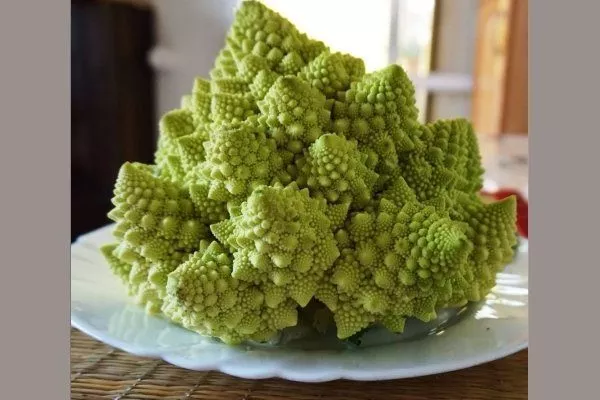
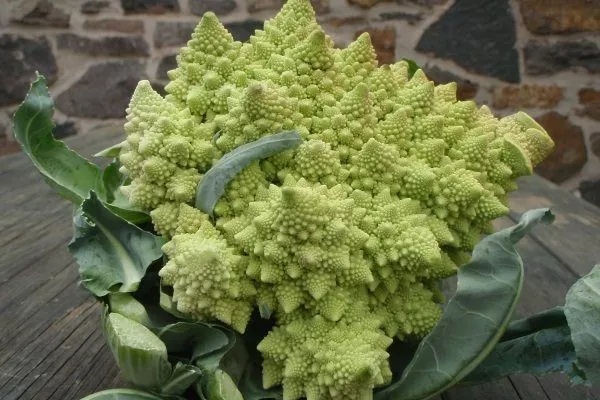
The following varieties are also popular among gardeners: Shustraya Cherepashka, Amphora F1, Gregory.
Cauliflower Pearl
Emerald Cup Cauliflower
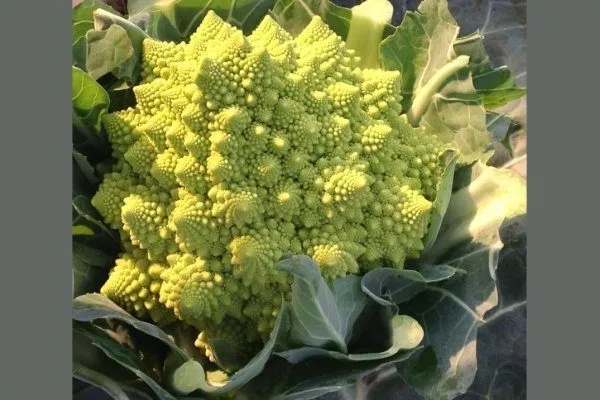
Point Verde Cauliflower
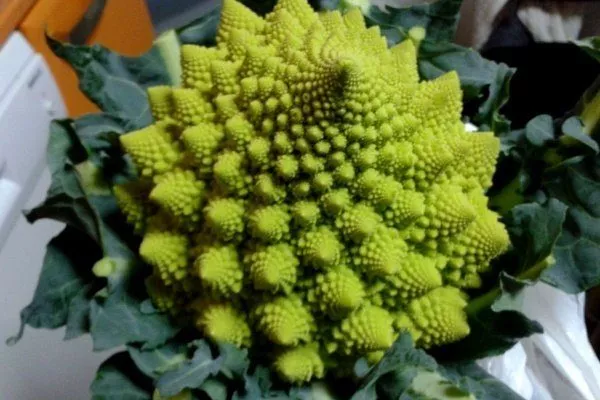
Cauliflower Veronica F1
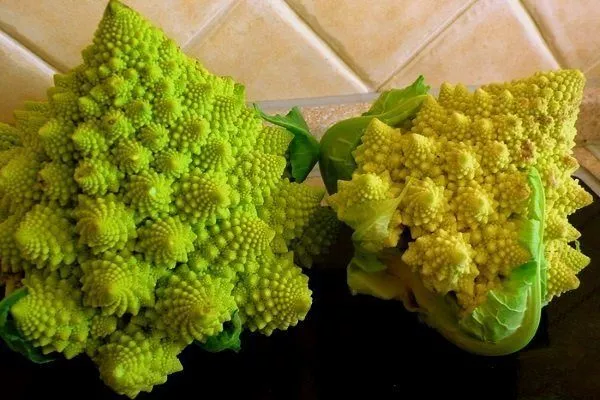
Cauliflower "Nimble Turtle"
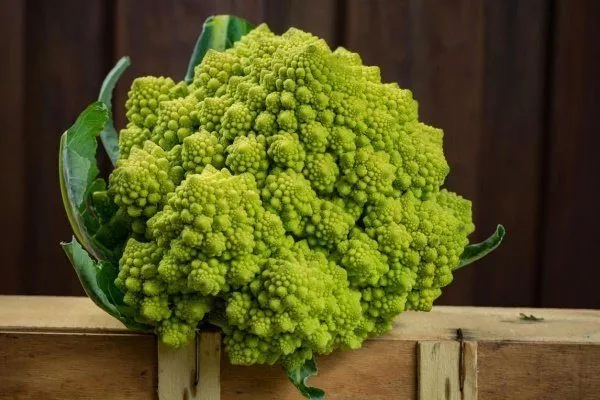
Cauliflower Amphora F1
Cauliflower Gregory
How to plant coral cabbage correctly?
Coral kale is a demanding crop. Growing it requires specific knowledge and skills. Much depends on the planting process, including the site characteristics and the planting material. Let's learn the best way to plant Romanesco.
- ✓ The soil temperature during planting should not be below +12°C to prevent stress in plants.
- ✓ The optimal soil pH for Romanesco is 6.5-7.5, which ensures better availability of nutrients.
What conditions are required?
Site requirements:
- Lighting. A sunny location is required.
- Temperature. This is the most important parameter when growing coral cabbage. Flower bud formation and flowering begin only at temperatures of 15-20°C.
- Soil. The soil should be light, moist, and nutritious, with a neutral or slightly alkaline reaction. If the soil is acidic, lime should be added.
- Predecessors. The crop grows best after tomatoes, cucumbers, potatoes, onions, legumes, grains, and beets. Poor predecessors include lettuce, radishes, turnips, and other cruciferous vegetables.
Romanesco should not be planted for 3-4 years in areas where any type of cabbage was grown - white cabbage, broccoli, cauliflower, and others.
Seedling
Coral cabbage is grown from seeds sown in open ground or from seedlings. Romanesco is grown from seeds in southern Russia, while in other regions it is grown only from seedlings.
Preparing for sowing seeds for seedlings:
- Soil. Seedling substrate can be purchased at specialty stores. Alternatively, you can prepare the mixture yourself. To do this, mix equal parts of turf soil, peat, humus, and sand. Homemade the soil mixture must be disinfected - a week before sowing, it is watered with a solution of potassium permanganate.
- Capacities. For planting, use 250 ml cups or peat pots of similar capacity. Add a 1-1.5 cm layer of drainage at the bottom. Top with potting mix. Sow the seeds in the trays, and then dive, or sow directly into separate cups - then picking is not required.
Features of growing seedlings:
- For the seeds to germinate successfully, they require a temperature of +20 to +22°C.
- After germination, the temperature is maintained at +8-10°C during the day and +6-8°C at night.
- During the growth period, seedlings require 8-10 hours of daylight.
- Plantings are watered regularly to prevent the soil from drying out.
Seeds are sold under the name "cauliflower." Varieties include Veronica, Zhemchuzhina, and others. A 25-gram packet of seeds costs 10-15 rubles.
Planting dates
Planting times depend on the regional climate, the cabbage subvariety, and the planting method:
- The timing of sowing seeds in open ground depends on the variety:
- early ripening – mid-March-mid-April;
- mid-season – in April;
- late – from mid-May.
- Seeds for seedlings are also sown taking into account the ripening time:
- early ripening – end of April-mid May;
- mid-season – mid-May-mid-June;
- late – mid-June-mid-July.
It's important to time the seedling planting so that the temperature during bud formation is around 15–18°C. When growing late-ripening varieties, head formation should occur during a period with cool nights, which in most regions is late August or September.
Soil preparation
Romanesco beds are prepared in the fall. The soil is tilled and amended with mineral fertilizer, compost, or manure. The recommended manure application rate is 2 buckets per square meter. It is advisable to add slaked lime or wood/dolomite ash as a preventative measure. The recommended ash application rate is approximately 300 g per square meter. If the beds weren't prepared in the fall, all preparations are carried out early in the spring, as soon as the soil thaws.
Step-by-step instructions for landing
Seedlings are planted 45-60 days after sowing the seeds, and only after the threat of frost has passed. The minimum temperature for transplanting seedlings into the ground is 12°C.
When planting, vegetable growers take into account the upcoming irrigation requirements. If hand watering is used, seedlings are planted in pits; if drip irrigation is used, the cabbage is planted in rows.
Disembarkation order:
- Dig holes in the prepared soil. The distance between holes is 45-50 cm. The distance between rows is 50-60 cm, allowing for easy movement.
- The soil is watered with warm water or a rich pink solution of potassium permanganate.
- The seedlings are carefully moved from their containers into the holes, being careful not to damage the root system. To ensure proper establishment, the roots are removed along with the soil and placed directly into the hole.
- To ensure that the soil adheres to the roots, the soil is carefully compacted by hand.
- After planting, it is recommended to water the seedlings again, and then mulch.
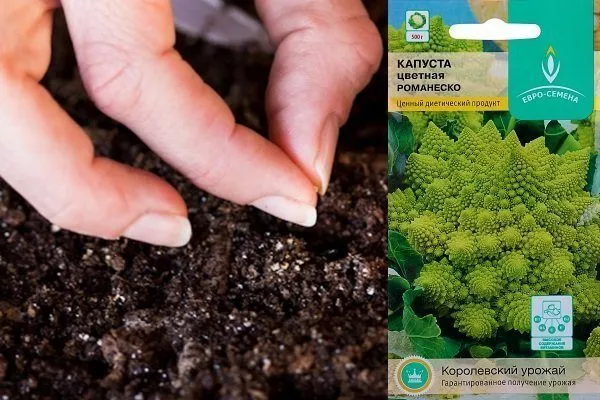
The seeds are extremely small, making them difficult to sow in open ground. Before sowing, carefully level and water the soil. Sow the seeds as evenly as possible at a depth of 1.5-2 cm in moistened holes and cover with a 1-2 cm layer of soil.
Caring for cabbage
Caring for Romanesco is almost identical to caring for cauliflower. Nothing special is required, just watering, feeding, and controlling diseases and pests.
Watering
Romanesco requires abundant watering; the soil should not be allowed to dry out. However, waterlogging should also be avoided. The optimal irrigation method is a drip irrigation system.
Watering rules:
- During the first period after planting, plants are watered twice a week.
- Further watering – once a week.
- The recommended rate at the beginning of the growing season is one bucket of water per square meter. As the plant grows, the rate increases. Water temperature isn't particularly important—either warm or cold water can be used.
- Watering method: at the root.
- After watering – loosening and weeding.
Read on to find out how to properly water cabbage in open ground. Here.
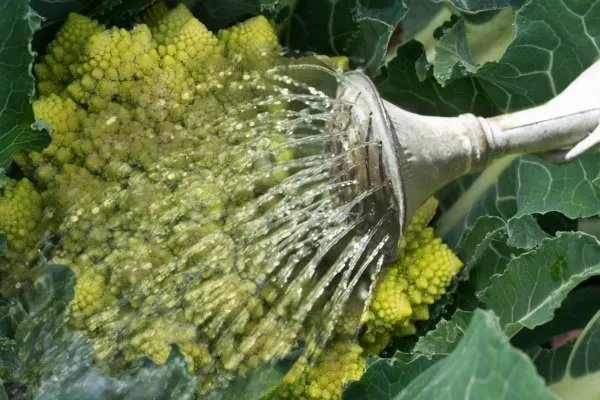
For Romanesco, it is useful to sprinkle it before the heads form, to increase the humidity of not only the soil, but also the air.
Pest and disease control
Coral cabbage is susceptible to the same diseases and insects as cauliflower. Common Romanesco diseases and pests, along with control measures, are listed in Table 3.
Table 3
| Diseases/pests | Symptoms and signs of damage | Prevention | How to fight? |
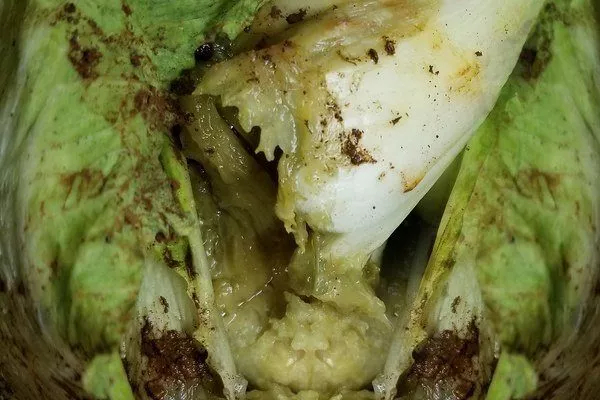
| Mucous bacteriosis | Water-soaked spots appear on the leaves and flowers, they rapidly increase in size and rot. | Pre-planting seed disinfection: soak seeds for 2-3 hours in a weak potassium permanganate solution. Disinfection of seeding containers.
| Remove spots with a sharp knife. If the disease cannot be controlled, the affected bush is uprooted and burned. |
| Blackleg | The disease begins at the seedling growing stage. | Maintaining the watering regime, preventing waterlogging of the soil, and disinfecting it. | Treatment of plants and substrate with preparations containing sulfur. |
| Mosaic | A viral disease characterized by the appearance of yellowish veins. | Destruction of weeds and pests. | Spraying with Bordeaux mixture. |
| Cruciferous flea beetles | Small ulcers appear on the surface of the leaves. | Compliance crop rotation. | Spraying with a soap solution, a mixture of wood ash and road dust, Karbofos or Aktara. |
| Cabbage aphid | Plant growth slows down, leaves lose their normal color – they become pink and curl. | Timely watering. | Spraying with insecticides – Karbofos, Iskra, Karate. |
To repel harmful insects, dill, mint or celery are planted near romanesco.
Mucous bacteriosis
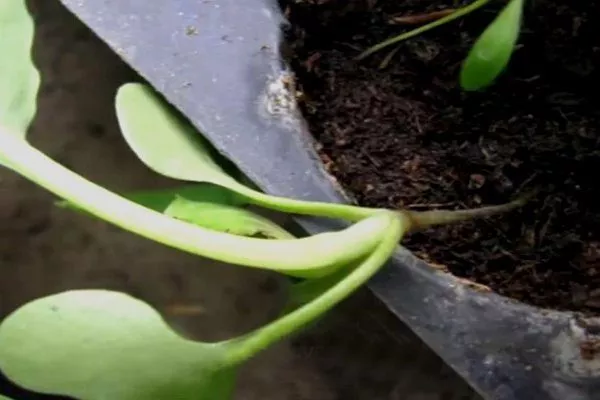
Black leg attacks seedlings
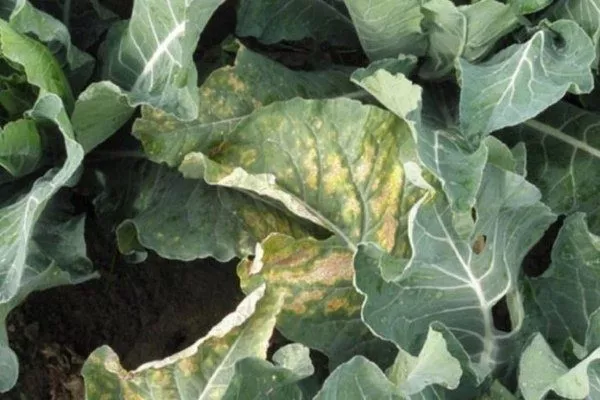
Cabbage mosaic disease
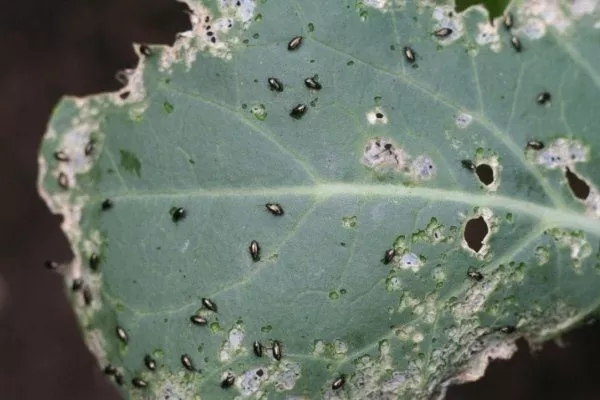
Flea beetles on a cabbage leaf
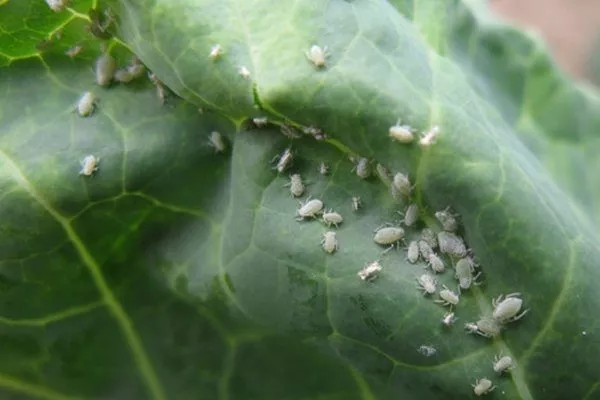
Cabbage aphid
You can learn more about all the diseases and pests of cabbage, as well as methods of combating them, from our other articles.
Top dressing
Coral kale is very demanding of soil composition and requires fertilization. Romanesco has a short growing season, so fertilizers applied during soil and bed preparation are more effective. After planting, kale is fertilized 2-3 times. The timing and composition of fertilizer applications are listed in Table 2.
- 10 days after planting, apply a complex mineral fertilizer with a predominance of nitrogen to stimulate leaf growth.
- During the head formation period, use fertilizer with a high content of phosphorus and potassium to improve the quality of the crop.
Table 2
| Deadlines for contributions | Composition of the fertilizer |
| A week after planting the seedlings in the ground | Add 1 tablespoon of minerals to the mullein water solution. |
| 2 weeks after the first feeding | Add superphosphate (40 g), ammonium nitrate (30 g), potassium chloride (2 g). |
| During the period of inflorescence formation | 500 ml of mullein is diluted with a bucket of water, and 30 g of superphosphate, potassium chloride, and ammonium nitrate are added. |
If you don’t have mullein, you can replace it with an infusion of weeds.
There is an article on our website that you might find useful: "How and When to Fertilize Cabbage? Rules and Step-by-Step Guidelines".
When and how to harvest?
Harvesting begins in October, when the dense, firm, and well-developed heads have fully formed. Don't delay harvesting, as delaying harvesting will cause the cabbage to lose its juiciness and tender texture, and most importantly, its nutrients.
Cleaning and storage features:
- The heads should be cut in dry weather, early in the morning.
- The cutting is done with a sharp knife.
- Along with the head, the stems adjacent to it are cut off; they can also be used for cooking.
- Romanesco cabbage can be stored in the refrigerator or freezer. It will keep for up to seven days in the refrigerator and several months in the freezer. Before freezing, blanch the cabbage briefly and then cut it into pieces. This ensures that the cabbage retains all its valuable properties.
Reviews
Growing coral kale is almost identical to growing regular cauliflower. This vegetable has many growing conditions, but they are all achievable and don't require much effort. If you follow all the growing guidelines, by mid-autumn you'll have a cabbage of amazing shape—tasty and healthy.