
Most people are familiar with white cabbage, which is most commonly used in salads, borscht, and sourdough. But there are other types of cabbage that you can grow in your garden. Below, we'll look at the main types, their benefits, and properties.
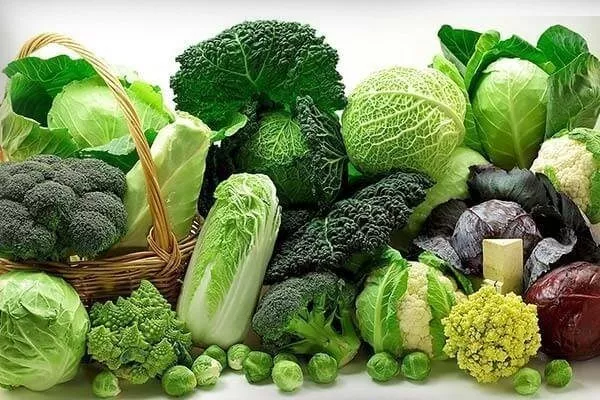
Red cabbage
This variety should be called purple cabbage. Externally, it's no different from white cabbage, but the leaves are reddish-purple and denser. The growing season for red cabbage lasts for five months, and a head weighs on average between 1 and 3.5 kilograms. The main advantages of this variety include the following:
- cold resistance (young shoots can withstand temperatures down to -5 degrees);
- the presence of anthocyanin in the composition (helps to increase the elasticity of capillaries and regulate their permeability);
- well-developed root system.
The optimal temperature for growing red cabbage is around 15 degrees Celsius (59 degrees Fahrenheit). However, this variety is the most heat-tolerant, so it grows well even in temperate climates during hot periods. The bed should not be shaded. This cabbage variety requires moist soil, but be careful not to overdo it, as standing water is not beneficial. Watering should be done in moderation.
Comparison of red cabbage varieties
| Variety | Ripening period (days) | Head weight (kg) | Disease resistance |
|---|---|---|---|
| Calibos | 140-150 | 1.5-2.0 | High |
| Rodima F1 | 140-160 | 2.5-4.0 | Average |
| Gako | 130-150 | 1.5-3.0 | High |
| Ruby | 160-170 | 1.0-2.0 | Average |
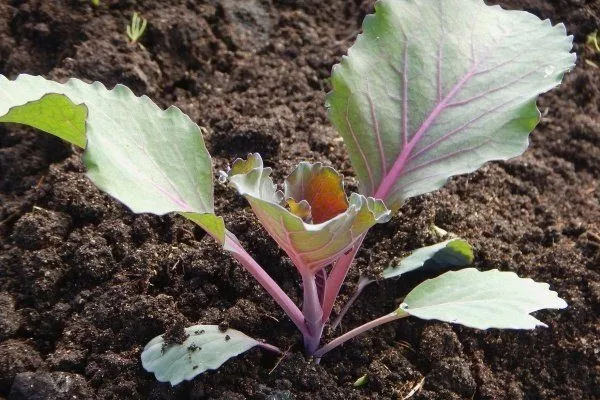
Red cabbage seedlings
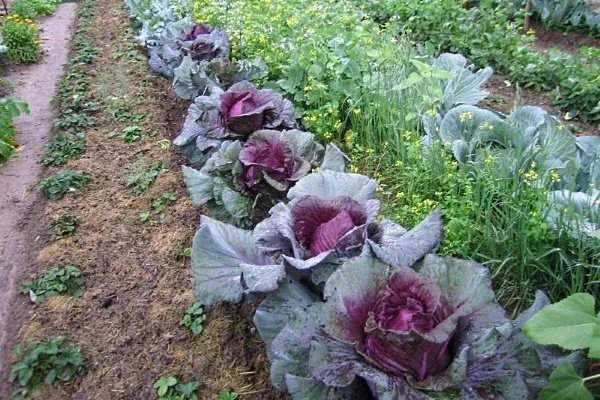
Cabbage ripening takes up to 200 days
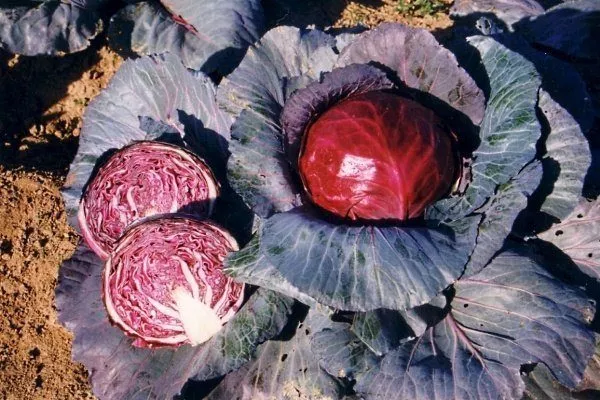
When cut, the cabbage has a red-purple color.
Broccoli
The product's appearance is little different from cauliflower, but the florets have a rich green hue. Most gardeners try to grow this type of cabbage in their gardens, as broccoli is renowned for its ease of cultivation and frost resistance—it retains its valuable qualities even at temperatures as low as -7 degrees Celsius.
Unlike other cabbage varieties, broccoli isn't fussy about soil fertility, but that doesn't mean it doesn't need fertilizing. It still requires feeding. Regular and frequent watering is essential, especially when the heads begin to ripen. In hot weather, it's a good idea to place several containers of water in the garden bed to maintain high humidity.
Due to the absence of any special agricultural practices, the vegetable has no drawbacks.
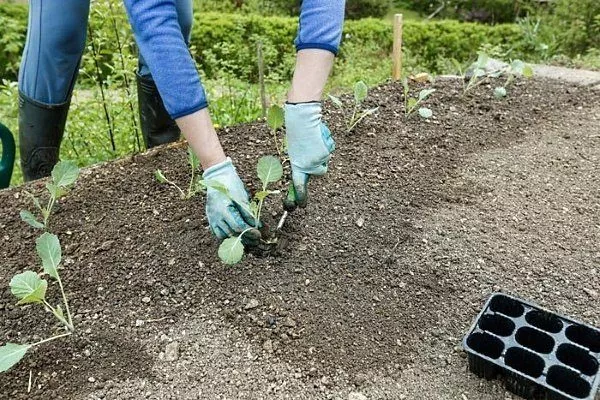
Planting broccoli seedlings
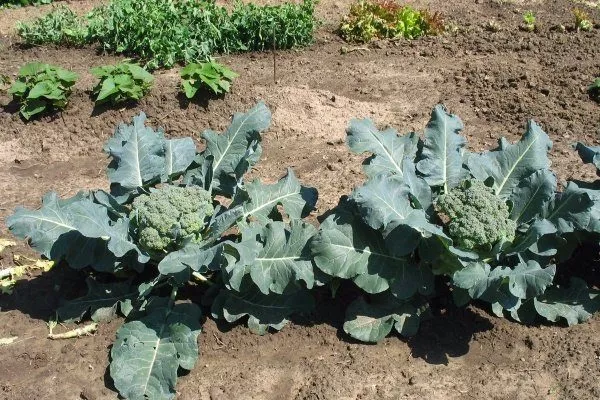
Broccoli prefers a cool climate.
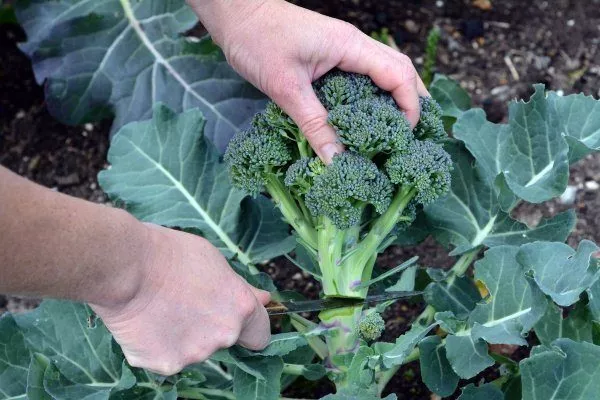
The inflorescences are cut when they reach a diameter of 15 cm.
Savoy
An ideal variety for growing in temperate climates, Savoy cabbage is drought-resistant and pest-resistant. It resembles white cabbage in appearance, but has more delicate and airy leaves, making it juicy and tender. The growing season of early varieties lasts about 3.5-4 months, resulting in minimal harvest time.
The variety's distinctive feature is its resistance to frost; even during short-term frosts, the cabbage retains its taste and appearance.
Recommended varieties for the middle zone
| Variety | Ripening period | Yield (kg/m²) | Peculiarities |
|---|---|---|---|
| Golden early | 105-110 days | 3.0-3.5 | Resistant to cracking |
| Vertu 1340 | 130-140 days | 4.0-5.0 | Best for pickling |
| Melissa F1 | 120 days | 4.0-4.5 | High transportability |
Varieties of this type do not differ in productivity in comparison with white cabbage.
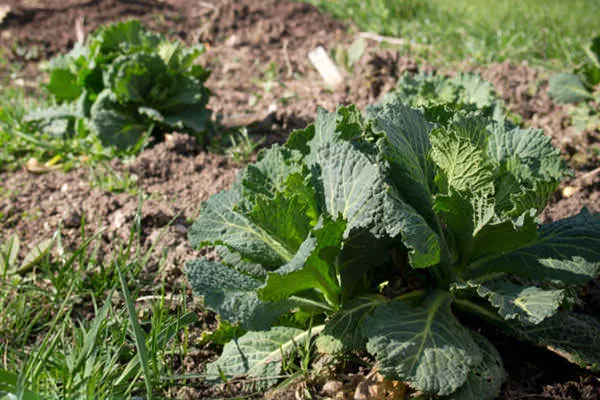
When the bushes have about five leaves, the cabbage is planted in the ground
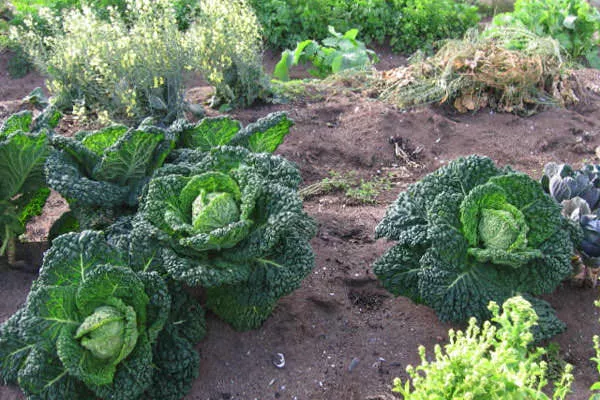
Cabbage can withstand frosts down to 8 degrees
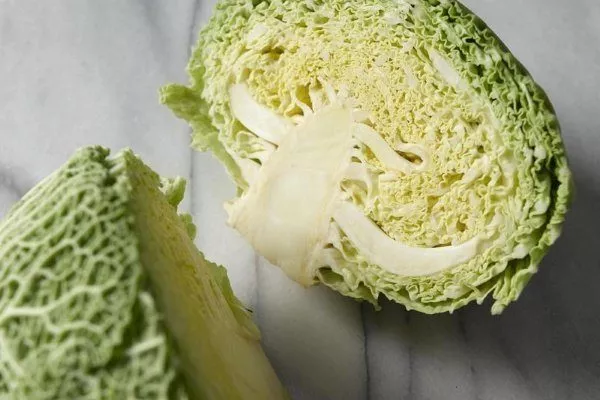
Amino acids and pectins have been found in Savoy cabbage
Kohlrabi
Kohlrabi is a healthy cabbage. Its chemical composition is comparable to that of citrus fruits, making it a highly prized vegetable by many cooks. Gardeners are less likely to grow it in their gardens. This is unfortunate, as the fruit has a beneficial effect on the cardiovascular system, normalizing blood pressure, and cleansing the intestines of waste and toxins.
Early cabbage varieties mature in just 65-80 days. They average 220 grams, with some varieties weighing over 2 kilograms. Thanks to their short growing season, several harvests can be made in a single season. This vegetable can be grown not only in open ground but also in greenhouses. Caring for the plant is easy. The harvest can be stored for a long time without losing its nutritional value.
After the head of cabbage has formed, it is recommended to water the cabbage at the root, not from above.
You can lose your entire kohlrabi crop if it rains frequently.
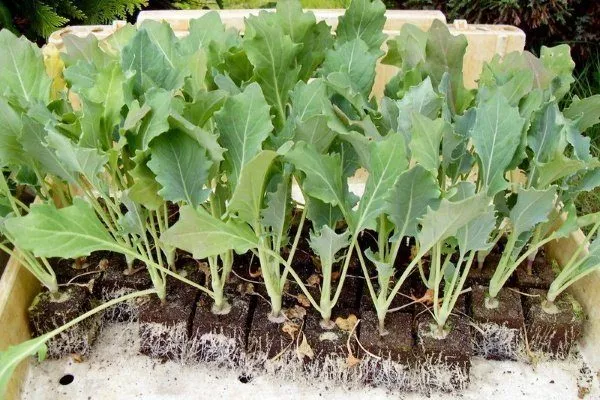
The seedlings are watered once every 2-3 days.
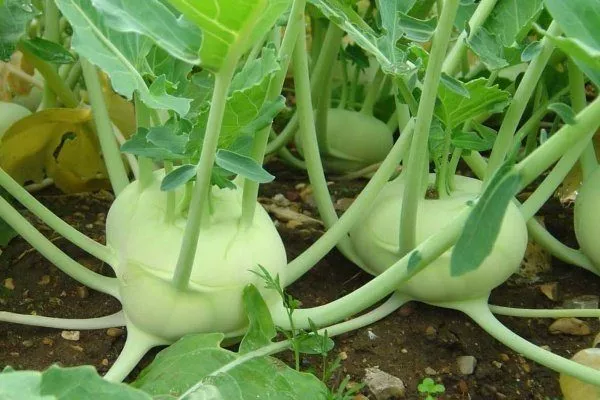
Cabbage can grow in any soil.
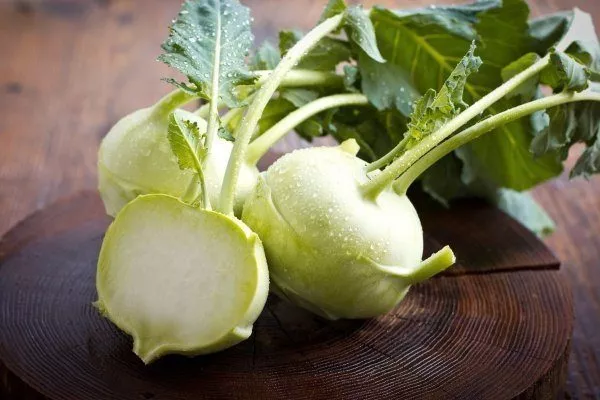
The cabbage pulp is juicy and soft
Brussels
This is a rare variety found in Russia. Its distinctive feature is the presence of mustard oil, a characteristic of radishes. This component imparts a nutty flavor to the product.
The main advantage of cultivating this crop is its undemanding nature in temperate climates. Its disadvantage is its long growing season. If you plant seeds in April, you won't be able to harvest until late summer or late September. The growing season lasts about five months. To speed up the growing process, it's recommended to plant seedlings rather than sow seeds.
Brussels sprouts grow well in open, sunny areas. The soil should be rich in organic matter and moderately moist. The soil pH should be at least 5.5.
Feeding schedule
- 2 weeks after planting: azophoska (30 g/10 l of water)
- At the beginning of the formation of heads: superphosphate (40 g/m²)
- One month before harvest: potassium salt (20 g/m²)
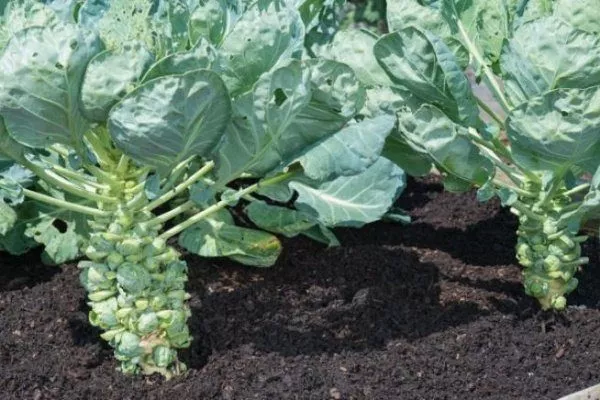
The favorable temperature for seedling growth is a daytime temperature of 12-15° C.
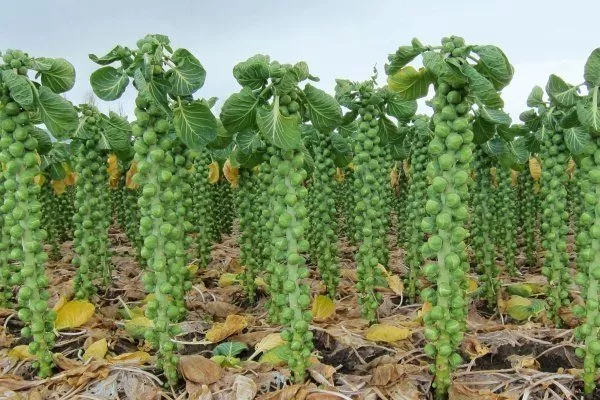
One of the most important measures for caring for cabbage is inter-row cultivation.
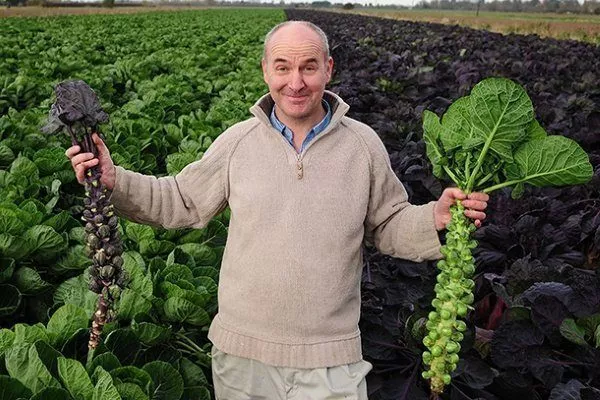
Harvesting begins when the heads of cabbage reach commercial maturity.
Bok choy (a type of Chinese cabbage)
The leaf formation of this vegetable without a head of ovary is more similar to lettuce leaves, but has a richer green color. Cabbage is valuable for its lysine (an amino acid that cleanses the body of toxins, waste, and other harmful substances).
The Chinese value this vegetable not only for its taste but also for its ability to strengthen the immune system, which is crucial for longevity. The benefits of Chinese cabbage include the following:
- ease of compliance with agricultural practices;
- the delicate structure of the leaves makes this vegetable suitable for baby food;
- harvesting in June, which is very useful for replenishing vitamin deficiency in the body.
After the cold weather sets in, the cabbage pots can be placed indoors and the harvest can be collected until December.
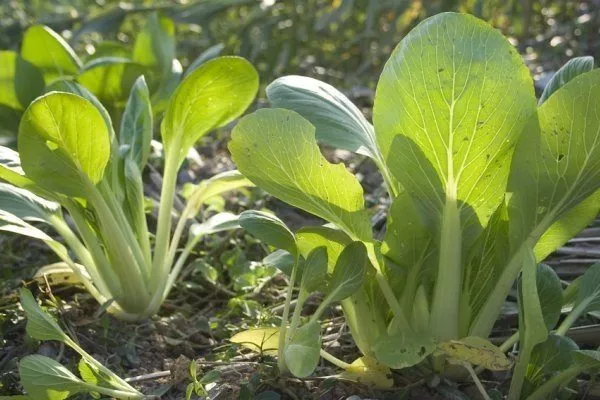
The seedlings are not pricked out, but planted in the ground when 4-5 true leaves appear.
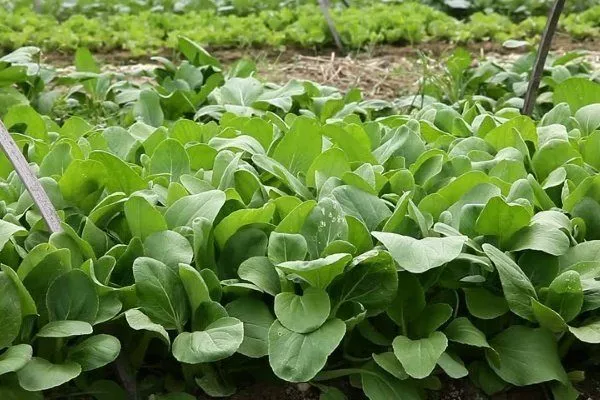
The crop ripens three weeks after planting.
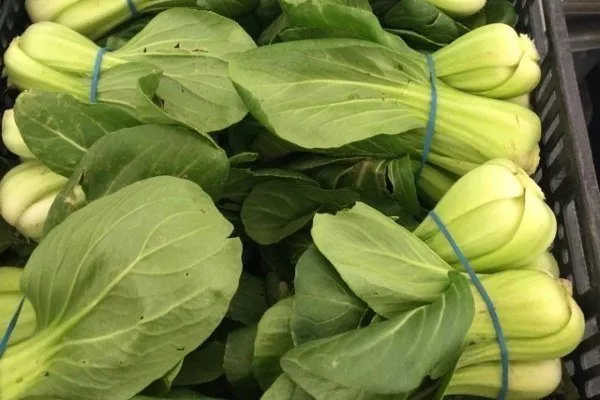
When harvesting, cabbage is pulled out by the roots, which are then cut off
Beijing
Napa cabbage (a variety of Chinese cabbage) is a popular vegetable renowned for its juiciness and tenderness. It boasts a rich vitamin content, distinctive flavor, and high yield. One hectare can yield approximately 900 quintals.
Pekinka grows in cooler temperatures, typical of temperate climates. The growing season lasts only 50-70 days, allowing for two to three harvests per season. It can be grown both outdoors and in greenhouses year-round.
Advantages of culture:
- many useful substances in the composition;
- high productivity;
- Young shoots have high frost resistance.
The product can withstand temperatures down to -7 degrees Celsius. However, the vegetable does have some drawbacks: it attracts pests and is vulnerable to diseases. Another downside is that yield depends on soil fertility, and cultivation techniques have not been fully studied.
Comparison of planting dates
| Planting method | Optimal timing | Planting depth | Planting diagram |
|---|---|---|---|
| Seedling | Late March – early April | 1 cm | 30×50 cm |
| Direct seeding | Late April – May | 1.5-2 cm | 20×30 cm |
| Winter sowing | October-November | 3 cm | 25×40 cm |
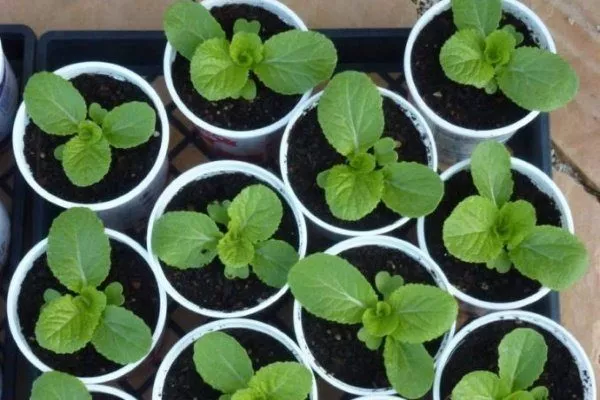
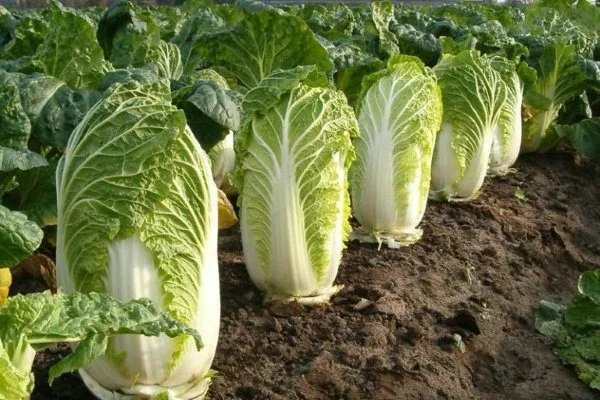
Cabbage grows best in well-drained, moderately moist soil.
Cabbage prefers open, unshaded areas.
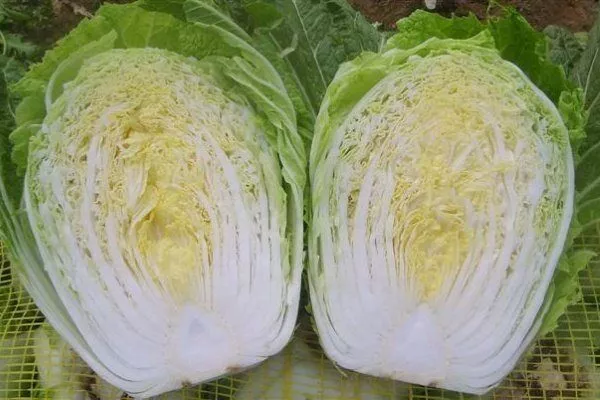
Cabbage contains a large amount of vitamins and other useful substances.
Marine
This seaweed grows on the seabed. Seaweed is very popular because it contains a large amount of iodine, a substance particularly essential for normal thyroid function.
Originally, kelp wasn't cultivated, but simply harvested from the sea. Now, it's purposefully grown in Asia. Harvesting kelp is physically demanding. Watch the video below to learn how to grow and harvest kelp:
Cauliflower
This variety got its name from the fact that all the shades of the rainbow are found in nature. Growing this variety requires little attention or investment. It's only necessary to follow proper agricultural practices.
This annual plant produces dense inflorescences weighing between 350 grams and 1.5 kilograms. Early-ripening varieties can be harvested within 3-3.5 months after the shoots emerge.
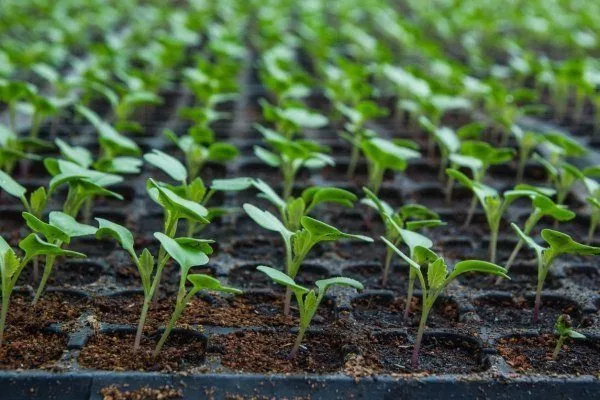
Immerse the seedlings in the soil up to the cotyledon leaves
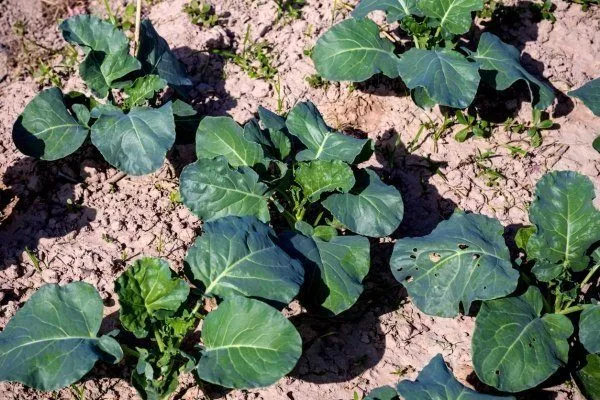
Avoid over-watering the soil, especially at low temperatures
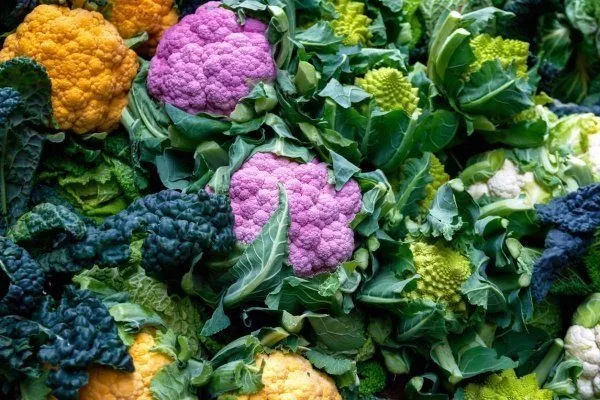
The difference in ripening time for each exotic variety is about 14 days.
The disadvantages of cauliflower include its vulnerability to various pests and diseases.
You can find out about the varieties of cauliflower popular among gardeners here.
If a gardener has decided to plant cabbage in their garden, it's important to familiarize themselves with all the advantages, disadvantages, and characteristics of cabbage to know which variety to choose. This way, they can successfully grow the vegetable for themselves and for sale.