
Any type of cabbage requires nutrients and responds immediately to replenishment with positive results. To determine how much fertilizer is needed and when to apply it, it's important to understand the types of fertilizers, their composition, and the needs of cabbage at each growth stage.
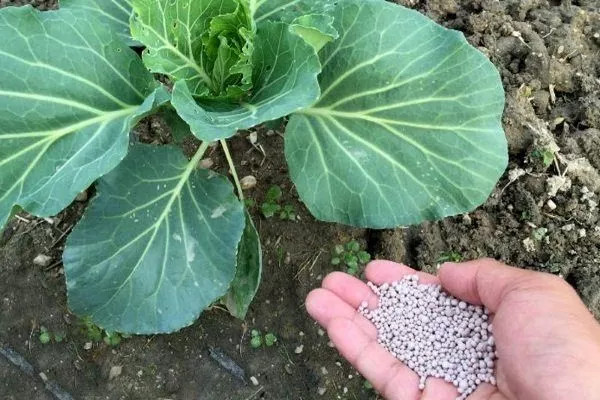
Types of fertilizers
At each stage of growth, cabbage requires different types and dosages of fertilizer. To properly feed it, the first thing you need to know is what types of fertilizers exist and how they differ.
Fertilizers are classified into:
- Synthetic (chemical). They are produced in chemical plants through a chemical reaction between elements. They have an immediate but short-lasting effect. Based on the main element they contain, they are classified as:
- nitrogen;
- potassium;
- phosphorus.
- Natural (organic). They are produced through the vital processes of animals, plants, and humans. They take time to decompose and release nutrients and elements. Organics have a long-lasting nutritional effect and are low cost. Natural fertilizers include:
- manure;
- humus;
- mulch;
- chicken manure, etc.
- Special types of fertilizers. These include all kinds of folk remedies that have a positive effect and are used during specific periods of plant growth, for example:
- iodine solution;
- banana peel uses;
- yeast tincture;
- eggshells and others.
Let's look at each of the fertilizers in more detail.
Nitrogen
Fertilizers in this group contain a predominant amount of nitrogen, which cabbage requires during the initial growth period when the green parts of the plant are forming. The most commonly used nitrogen fertilizers are:
- Ammonium nitrate. It is a white-gray composition of small, coarse pellets that dissolve easily in water. The nitrogen content is approximately 34%.
Be careful when using this fertilizer, as it is explosive! Also, consider the total amount of saltpeter applied. If applied in excess, it accumulates in the cabbage, converting from nitrates to nitrites, causing the plant to spoil. Consuming the vegetables in this case is dangerous to your health. - Ammonium sulfate.It's less safe than ammonium nitrate, but its nitrogen concentration is only 21%. It also contains sulfur. It increases soil acidity, so when growing cabbage, it's important to measure the soil pH and alkalize it promptly.
- Urea. The nitrogen concentration in the composition reaches 46%. It is most often used in agriculture on large sites. Urea must be used with extreme caution to avoid excess application and chemical burns to plants.
- ✓ Consider the soil pH before applying ammonium sulfate, as it increases acidity.
- ✓ To prevent the accumulation of nitrates in cabbage, strictly control the amount of ammonium nitrate applied.
What is better, urea or ammonium nitrate, is discussed in next article.
Potassium
Fertilizers containing a high potassium content are best applied at the stage of cabbage head formation. This element will ensure optimal metabolic processes, resulting in firm and tasty heads of cabbage, free of off-flavors.
With a potassium deficiency, the cabbage root system is weak, making it impossible for the entire plant to receive adequate nutrition. In most cases, this problem prevents the cabbage head from forming.
Popular potassium fertilizers include:
- Potassium chloride.It appears as large white crystals. The fertilizer contains approximately 60% potassium. This substance is readily available to cabbage, ensuring its rapid action. The use of potassium chloride increases the acidity of the soil.
- Potassium sulfate.It resembles coarse table salt in appearance. It contains 50% potassium. It is used for fertilizing crops that are intolerant to chlorine. This fertilizer is quite suitable for feeding cabbage.
Phosphorus
Phosphorus fertilizers are important during the final stages of cabbage head formation, especially for mid- and late-ripening varieties. Phosphorus helps cabbage accumulate nutrients that contribute to its flavor and nutritional properties.
The most popular in use are:
- Superphosphate.Contains 18-22% available phosphorus. It is highly soluble in water. In acidic soils, plant uptake of this element is impaired.
- Double superphosphate. This fertilizer differs from the previous one in that it doubles the phosphorus concentration. This fertilizer is 40-45% richer in phosphorus. It is most often used on large agricultural farms.
Natural fertilizers
There's nothing more natural than organic fertilizers. However, even this positive property can easily turn negative when the soil is oversaturated with natural fertilizers. Therefore, when using them, consider the total amount of components in the soil. This is quite difficult, as natural fertilizers take time to take effect.
This video will show you how to feed cabbage seedlings using simple and effective folk methods. Learn how to use nettle infusion, urea, and ash:
Most types of organic matter are applied during autumn plowing or when preparing planting holes. Natural fertilizers can be applied once every 2-3 years.
The most common fertilizers of this type include:
- Manure.Cattle manure must be used in a well-rotted state; otherwise, it can ruin the cabbage by causing severe burns. Manure is rich in nitrogen, which, when applied organically in the fall, is released by spring.
A solution of mullein is used for root feeding of cabbage to stimulate growth.
The optimal option is to use horse manure, as it acidifies the soil to a lesser extent. - Compost. The contents of compost bins are ready for use at least 7-9 months after they're fully filled. This type of fertilizer is produced by rotting vegetable matter from garden plants, decomposing food scraps, and peat or soil.
Compost is rich in nitrogen, calcium, and magnesium, but it contains weed seeds and can become a source of various diseases. - Bird droppings. This type of organic fertilizer, thanks to its rich composition of micro- and macroelements, can fully replace complex mineral fertilizers. It is applied dry during autumn plowing. The fertilizer's effectiveness lasts for at least two years.
It can be used as a liquid fertilizer by diluting it with water 1:20. - Wood ash.The predominant element in the composition is determined by the source of the wood ash. This type of organic matter is generally considered a potassium fertilizer, although calcium predominates. It is used to reduce soil acidity and provide additional nutrition to plants.
For dry application, the rate of wood ash is 200 g per square meter of area, for ash solution (150 g of ash per bucket of water) - 0.5 l/bush.
Special types of fertilizers
Special fertilizers are almost always natural. Their effect is targeted, not long-term, but pronounced.
To strengthen the root system of cabbage, as well as to form a strong, full head, use brewer's or baker's yeast. This fertilizer is effective only when freshly prepared and contains beneficial fungi, proteins, and amino acids. To prepare it, dissolve 100 g of yeast in 1 liter of warm water and make a bucket-sized amount. Water the cabbage at the roots, using 0.5-0.8 liters of fertilizer per bucket.
- ✓ Use only freshly prepared yeast solution for maximum effectiveness.
- ✓ Take into account the temperature of the water for dissolving the yeast (no higher than 40°C) so as not to kill the beneficial fungi.
Crushed eggshells Reduces soil acidity, thereby creating optimal conditions for seedling development. Furthermore, it prevents insect larvae from destroying the root system.
Application baking soda As a root dressing or spray, it will prevent cabbage heads from ripening prematurely and cracking. Dissolve 20 g of baking soda in 10 liters of water and apply it no later than 2.5-3 hours after preparing the solution.
Banana peel Rich in magnesium and growth hormone, it's especially beneficial during the seedling stage. This fertilizer can be used in several ways:
- crush and sprinkle under each plant, covering with soil;
- dry and prepare a water infusion (peel of 1 banana per 1 liter of water), watering the seedlings with it;
- dry, grind into powder and sprinkle on the beds.
To prevent cabbage diseases, especially fungal ones, are treated by spraying cabbage iodine Or water at the roots. To prepare a solution, dissolve 20-30 drops of the preparation in 10 liters of water.
Watch the video to learn how to prepare an iodine-containing fertilizer that will strengthen and improve the health of your cabbage beds:
Basic rules for fertilizing cabbage
The amount of fertilizing cabbage and the composition of the fertilizer depend on the vegetable variety, soil type, and the growing season the plant is in. Therefore, when applying any form of fertilizer, follow these guidelines:
- Calculate the total composition of elements to create their balance, avoiding a deficiency or excess of nutrients.
- Before applying fertilizers at the roots, be sure to water the bed to avoid burning the root system.
- If the soil for cabbage has been properly prepared using organic matter, no additional fertilization is required during autumn plowing.
- On sandy soils, the frequency of feeding cabbage should be greater than on heavy soils.
- After applying the fertilizer using the root method, loosen the bed.
- Spray the nutrient mixtures on the cabbage in the morning or evening hours.
Feeding white cabbage
For white cabbage, the best option for increasing the nutrient composition of the soil is to alternate mineral and organic fertilizers, or to use natural fertilizers along with folk remedies.
The number of cabbage feedings and fertilizer applications throughout the growing season is determined by the cabbage variety. The longer the growing season, the more fertilizers are required.
An important aspect of agricultural practices is preparing the soil for planting white cabbage. During deep plowing, add 5-7 kg of cow manure or 0.5 g of poultry manure per square meter of area. Organic fertilizers can be replaced with complex mineral fertilizers. For example:
- 60 g superphosphate;
- 40 g urea;
- 40 g potassium sulfate.
Please note that organic matter may contain pathogenic microorganisms that can lead to infection of seedlings with fungal or other diseases.
Feeding seedlings
The frequency of fertilizing depends on the seedling growing method. If the cabbage cultivation process involves picking, which puts additional stress on the seedlings, then more fertilizer is needed to restore their strength and develop immunity to diseases.
In this case, feeding is carried out in several stages:
- Fertilize the seedlings a week after transplanting. Use a solution of 25 g of nitrogen fertilizer, 25 g of potassium fertilizer, and 40 g of phosphorus fertilizer per bucket of water. You can also use any complex fertilizer at a rate of 130-150 g per 10 liters of water.
- The second feeding, consisting of double the amount of components of the first feeding, is applied after 12-15 days.
- The third feeding is aimed at preparing the plants for planting outdoors and is performed a week before the expected date. Dissolve 30-35 g of saltpeter, 80 g of phosphorus fertilizer, and 25 g of potassium fertilizer in a bucket of water. The application rate for this feeding is 0.2-0.3 liters per plant.
When growing cabbage seedlings without picking, the fertilizer application scheme is as follows:
- When the second leaf is forming, to ensure active plant growth, foliar feeding is carried out with any complex fertilizer at a rate of 5 g per liter of water.
- Before hardening off the seedlings, potassium-phosphorus fertilizers are added to increase the cabbage's immunity, and nitrogen fertilizers are added to maintain growth rates.
Fertilizing cabbage after planting in the ground
To plant cabbage seedlings in your garden, you can prepare fertilized planting holes. Line the bottom with humus, ash, or rotted manure. You can also prepare a fertilizer mixture and add it to the planting holes. For every 1 square meter of bed, add 0.5 kg of humus or compost, 1 teaspoon each of superphosphate and wood ash. Place a layer of straw on top to limit the plant's root system's contact with the organic matter.
If such preparatory work is not carried out, then fertilize the seedlings 12-15 days after planting them in open ground using nitrogen fertilizer. Dissolve 0.5 liters of mullein or 20 g of ammonium nitrate in a bucket of water. The application rate of this solution is approximately 500 ml per root. Spraying the seedlings with a nitrate solution is also acceptable (2 matchboxes of fertilizer per 10 liters of water).
After 2-3 weeks, feed the plants with an ash infusion. To prepare it, mix 10 tablespoons of wood ash and 10 liters of water. Let it steep for 4-5 days, stirring occasionally. Add 2 liters of water to the infusion and water the seedlings, 300 ml per root.
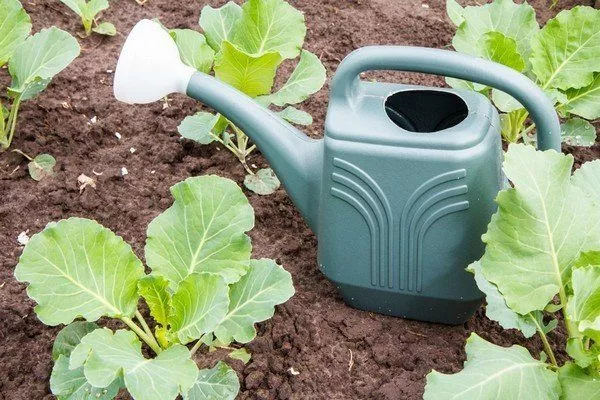
For active growth of white cabbage
To stimulate the growth of white cabbage, use any of the following fertilizing options, dissolving fertilizers in 10 liters of water:
- a glass of mullein;
- 15 g urea;
- a glass of wood ash + 2 heaped tablespoons of superphosphate;
- 15 g urea + 15 g potassium fertilizer + 25 g superphosphate;
- 20 g of ammonium nitrate.
In rainy weather, you can apply any dry complex fertilizer. Sprinkle 100 g of fertilizer per square meter over the surface of the bed.
If the seedlings have slowed down their growth, feed them with Foskamide or Nitrophoska, diluting 20 g of fertilizer in 10 liters of water.
How to feed cabbage to form a head of cabbage?
To form a head of cabbage, fertilizer rates and application rates per root should be increased. The following fertilizers, applied per 10 liters of water, will help ensure a bountiful cabbage harvest:
- 1 tbsp. superphosphate + 1 tsp. potassium magnesium;
- 1 liter of mullein infusion + 1 tbsp. superphosphate;
- infusion of wood ash or dry application option;
- potassium sulfate - 40 g.
What do you feed cauliflower with?
Unlike white cabbage, cauliflower responds positively to the application of fertilizers based on bird droppings.
To make the fertilizer, fill a bucket 1/4 full with organic matter and add water to the remainder. Let the mixture sit for 7-10 days, stirring occasionally. After this time, dilute the resulting concentrated solution with water at a ratio of 1:10.
The consumption rate of this natural fertilizer is 700-1000 ml per plant.
For more information on growing cauliflower, look here. Here.
How and what to feed Chinese cabbage?
Chinese cabbage has a short growing season, so using nitrogen fertilizers is not only inappropriate but also dangerous. Accumulated nitrates will not have time to dissolve and be absorbed, which can lead to poisoning if the vegetable is consumed.
Foliar feeding is also inappropriate for this type of cabbage. The only thing the plant needs is soil enrichment during the fall preparation for the upcoming season. To achieve this, apply the following fertilizers per square meter during plowing:
- manure - 5 kg;
- superphosphate - 30 g.
Or:
- manure - 5 kg;
- Potassium sulfate - 30 g. It can be replaced with 4 tbsp. of wood ash.
If these measures are taken, the Chinese cabbage will quickly gain strength and begin to grow. More information about growing Chinese cabbage can be found here. here.
Fertilizing Broccoli
Broccoli, due to its poor survival rate after transplanting into open ground, is considered capricious and finicky. In fact, its cultivation techniques and growing methods are not much different from those of white cabbage.
Fertilizing broccoli should not be done immediately after planting the seedlings. Give the plants a week to adapt, then apply fertilizer. The best option in this case is to use organic fertilizers instead of mineral nitrogen fertilizers. Dissolve 1 cup of mullein in 10 liters of water and water the cabbage under each plant. Apply 200-300 ml of the solution per root.
Fertilizing Brussels Sprouts
Agricultural technology and fertilization of Brussels sprouts are practically no different from the white cabbage variety of this vegetable crop.
Before planting Brussels sprouts, 10-14 days before, apply 4-5 kg of rotted manure or compost per square meter of soil. You can replace the organic matter with a mixture of single-component mineral fertilizers or a complex fertilizer. This will strengthen the vegetable crop's immunity and ensure a bountiful harvest.
After 10-12 days, feed the young plants with nitrogen-rich fertilizer. It's best to alternate between organic and mineral fertilizers. Use mullein, bird droppings, or ammonium nitrate.
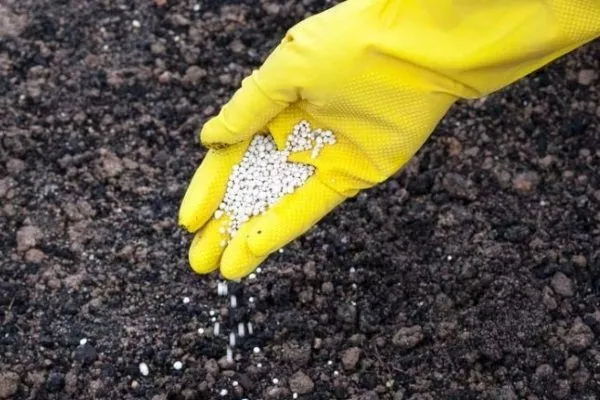
Once the head formation phase begins, Brussels sprouts require potassium and phosphorus. Potassium-phosphorus fertilizers and wood ash can help replenish these elements. Ready-made liquid fertilizers and folk remedies can also be used.
Nowadays, fertilizing cabbage isn't a problem. Fertilizers of various types and price ranges are available on the market. By following tips and knowledge on fertilizing cabbage, gardeners will find the work easy, and the vegetable crop will reward them with a bountiful and healthy harvest.
Finally, I found a method for fertilizing cabbage, which my friend, who recently built his country house with a garden plot, really asked me about.