
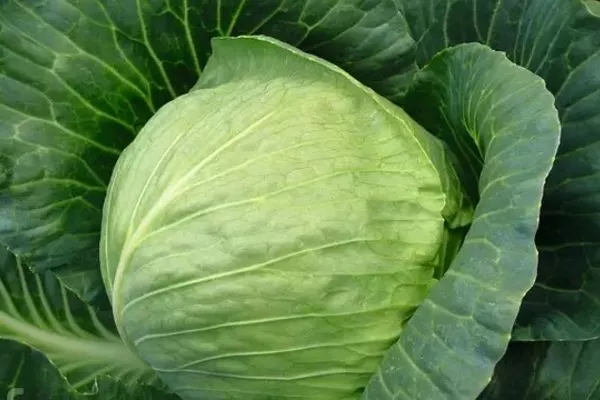
Tiara cabbage is an early-ripening white cabbage hybrid characterized by early maturity, excellent flavor, and resistance to cracking. Compact, dense heads weighing up to 1.4 kg are suitable for fresh consumption and cooking. This hybrid demonstrates good productivity and easily adapts to a variety of growing conditions.
Description of the variety
White cabbage was developed by Bejo Zaden BV and officially registered in 2011. It boasts consistent yields and excellent flavor, making it popular among gardeners and farmers.
Distinguishing characteristics:
- The plant forms a compact, raised rosette with rounded leaves of medium or small size.
- The leaf blade is vesicular, slightly wavy, green in color with a moderate waxy coating.
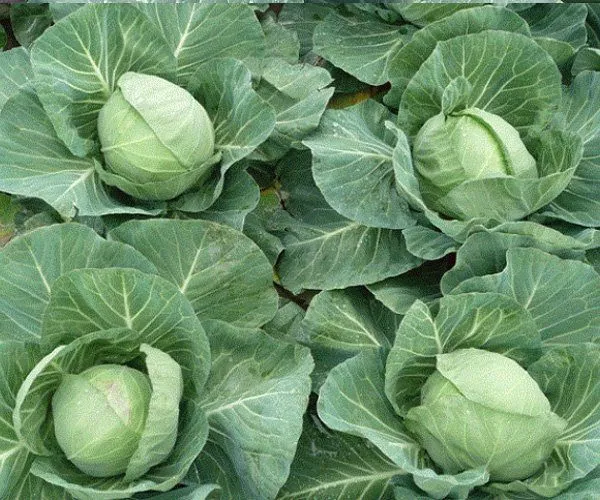
- The heads of cabbage have a green color with a bloom, and inside there are yellowish leaves.
- The average head weight is 1.2-1.4 kg. They are firm (rated 4.1 out of 5), store well after harvest, and exhibit a marketability of up to 90%, making this hybrid a profitable seller.
You can get acquainted with the best varieties of white cabbage, according to domestic gardeners Here.
Main characteristics
This variety is characterized by a short growing season—from germination to technical maturity in just 60 days. This allows for an early harvest even in regions with short summers. For full development, the hybrid requires a sunny location.
Key Features:
- Tiara is successfully grown both in open and protected ground.
- The average yield is 182-204 centners per hectare, comparable to proven varieties such as June and Transfer F1. The maximum yield of 392 centners per hectare was recorded in the Ivanovo region.
- The hybrid has strong immunity to major diseases and pests, which simplifies agricultural practices throughout the growing season.
An additional benefit is resistance to cracking: heads of cabbage remain intact for up to 10 days after full ripening.
Growing and care
The Tiara hybrid can be grown using both seedlings and direct-seeded methods. For an early harvest, seedlings are preferred, starting 35-40 days before transplanting.
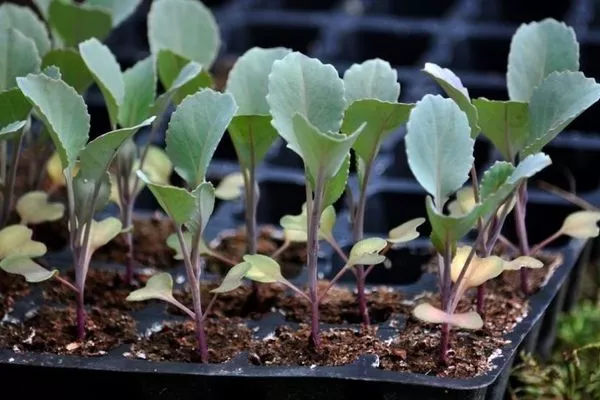
Sow seeds in fertile, loose soil and keep at a temperature of 18 to 20°C. After germination, reduce temperatures to 14°C to prevent the plants from stretching. You can find more details about growing cabbage outdoors. Here.
Site requirements:
- sunny, wind-protected location;
- light loam or sandy loam with a neutral reaction;
- good drainage and fertility;
- observe crop rotation (do not plant after cruciferous crops).
To ensure a stable harvest, the crop requires regular care. Key agricultural practices:
- Watering. Water the cabbage 1-2 times a week, at the roots, with warm water. Increase the frequency of watering during head formation.
- Top dressing. The crop responds positively to fertilizing (you will learn maximum details about how to properly fertilize a cabbage bed and what compounds are suitable for it) Here). Follow the nutrient application schedule:
- 10-14 days after planting – mullein infusion or nitrogenous substances;
- in the stage of setting heads of cabbage – complex mineral compositions;
- 2 weeks before collection – Potassium solutions to improve shelf life.
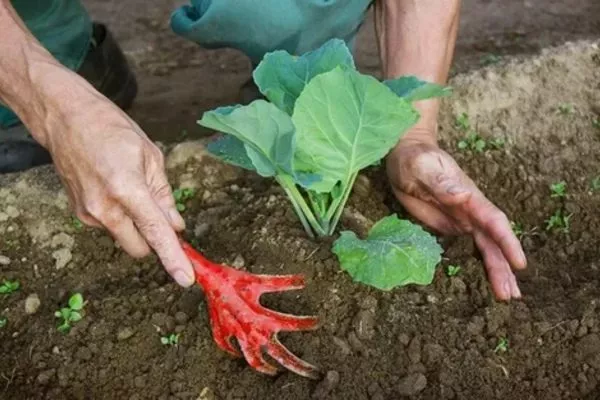
- Hilling. Carry out the procedure twice per season – 2 weeks after planting and another 14 days later.
- Loosening and weeding. Loosen the soil regularly and remove weeds, especially after watering and rain.
Despite its strong immunity, the crop can suffer various problems under unfavorable conditions or improper care. Plants can be susceptible to the following diseases and pests:
| Disease/Insect | Signs | Methods of control |
| Kila | Swelling and thickening of the roots, lethargy, stunted growth. | Practice crop rotation (don't plant cabbage in the same spot for at least 4 years). Lime the soil (pH no lower than 6.5). Remove and burn affected plants and treat the soil with TMTD or Trichodermin. |
| Blackleg | Darkening and rotting of the base of the stem, especially in seedlings. | Avoid overwatering the soil; disinfect it before sowing. Use Fundazol, Maxim, or ash solutions. |
| Downy mildew (peronosporosis) | Yellow spots on the leaves, with a grey coating on the back side. | Ventilate the greenhouses and provide moderate watering. Spray the plants with a solution of Oxychom, Ridomil Gold, or copper sulfate. |
| Cruciferous flea beetle | Small holes on leaves, especially in young plants. | Cover the plantings with agrofibre during the first few weeks and dust with ash and tobacco dust. Use Iskra and Inta-Vir insecticides. |
| Aphid | Curling of leaves, presence of small insects. | Garlic or onion infusions are effective. For large-scale infestations, Confidor and Actellic can be helpful. |
| Whitefly (greenhouse) | Tiny white insects that fly off when touched. They leave a sticky, shiny residue, which leads to the development of sooty mold and plant wilting. | Regularly ventilate greenhouses and remove weeds, install yellow sticky traps, and spray vegetables with garlic infusion or soapy water. Use biological products such as Fitoverm and Biotlin, and in case of severe infestations, insecticides such as Confidor, Iskra, and Aktara. |
Preventive measures:
- compliance with crop rotation;
- pre-sowing seed treatment;
- regular inspection of heads of cabbage;
- removal of plant debris;
- moderate watering without stagnant water;
- planting aromatic plants (dill, calendula, marigolds, mint) along the edges of the bed.
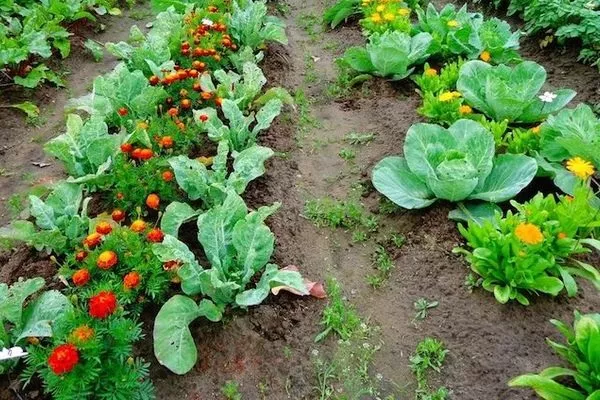
With proper care, Tiara cabbage demonstrates good resistance and is rarely affected by serious infections or pests.
Harvesting and storage
Begin harvesting Tiara cabbage 2-3 months after sowing the seeds. By this time, the heads will be firm, juicy, and have a characteristic deep green color. When harvesting, trim them carefully, leaving a short stump at the base.
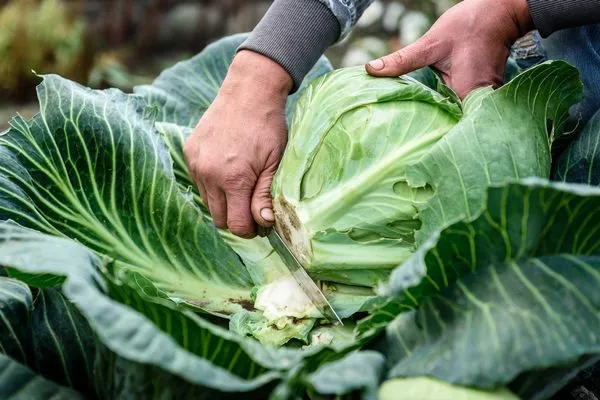
After harvesting, rinse the vegetables and soak them in clean water for several hours—this helps remove dirt and any stray insects. Next, store the heads in a cool, dark place with a temperature between 0 and 4°C.
Pros and cons
Reviews
Tiara cabbage combines many positive qualities: early maturity, marketable appearance, and disease resistance. These characteristics make it suitable for growing not only in garden plots but also on private farms. With proper care, this hybrid produces large quantities of vegetables with excellent flavor.