
Red cabbage's variety is less diverse than, for example, white cabbage, but it grows throughout Russia without exception (depending on the species). Read more about these unusual cabbage varieties and their characteristics below.
Early varieties
Early varieties ripen in 70-100 days, but are not suitable for long-term storage. This cabbage is intended exclusively for summer and fall consumption.
| Name | Disease resistance | Soil requirements | Ripening period |
|---|---|---|---|
| Example F1 | High | Average | 75-80 days |
| Kyoto F1 | High | Average | 70-85 days |
| Amethyst | Average | Low | 110-120 days |
- ✓ Optimum soil temperature for planting seedlings: 10-12°C.
- ✓ Distance between plants when planting: 50-60 cm for early varieties, 60-70 cm for late ones.
Example F1
This cabbage comes from Dutch breeders and is cultivated throughout Russia. The ripening period is short: 75-80 days. The heads are round and large. The cut cabbage is purple and can weigh up to 4 kg. The yield is high—8-10 kg/sq.m.
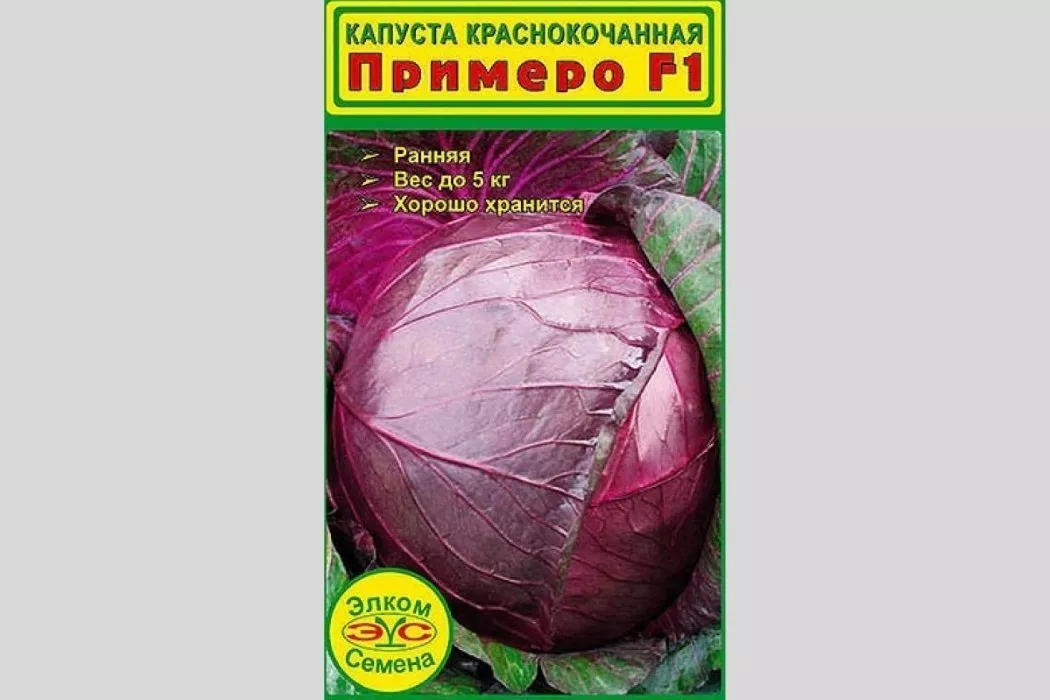
The leaves are small, purple, and covered with a waxy coating, with light purple veins. This hybrid, like all early-ripening varieties, is not suitable for long-term storage. The variety is cold-resistant and does not crack.It is consumed immediately after harvesting or canned.
Kyoto F1
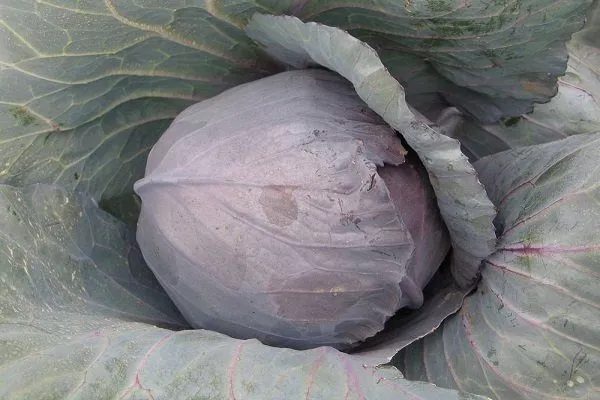
A Japanese hybrid grown in spring-summer and summer-fall. In the first case, the harvest is obtained 70-75 days after planting the seedlings in open ground, in the second case, 75-85 days. The yield figures are high – 8-9 kg/sq.m.
- ✓ High resistance to flowering.
- ✓ Ability to remain in the field for a long time after ripening without loss of quality.
The head is spherical, bright and shiny purple. The leaves are delicate and finely textured. The head does not split. Ripe cabbage can be safely left standing in the field for a while without any loss of marketability or flavor. It is immune to most common cabbage diseases and is resistant to splitting.
Amethyst
A Russian variety that's also delicious fresh in a variety of salads. It has a short shelf life—no more than two months—without losing flavor or appearance.
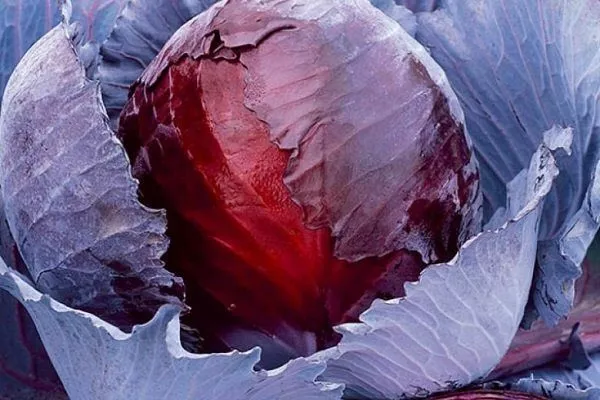
The harvest is 110-120 days after germination. The heads are perfectly rounded and purple when cut. The leaf blades are dark blue-green and covered with a thick waxy coating. The edges are slightly wavy. Each head weighs 2 kg. The harvest ripens evenly. the indicators are low - 2.9 kg/sq.m. The variety is immune to Fusarium wilt.
Mid-season varieties
These varieties have a growing season of over 100 days. They have excellent flavor, good shelf life, and are disease resistant.
| Name | Disease resistance | Soil requirements | Ripening period |
|---|---|---|---|
| Topaz | High | Tall | 135 days |
| Vorox F1 | Average | Average | 95 days |
| Autoro F1 | Low | Low | 116 days |
| Gako | Average | Low | 110-136 days |
| Mikhnevskaya | Low | Average | 120 days |
Topaz
A German variety that takes no more than 135 days to germinate and form strong, dense heads. The heads are round and dark purple in color. The yield is average—6-7 kg/sq. m.
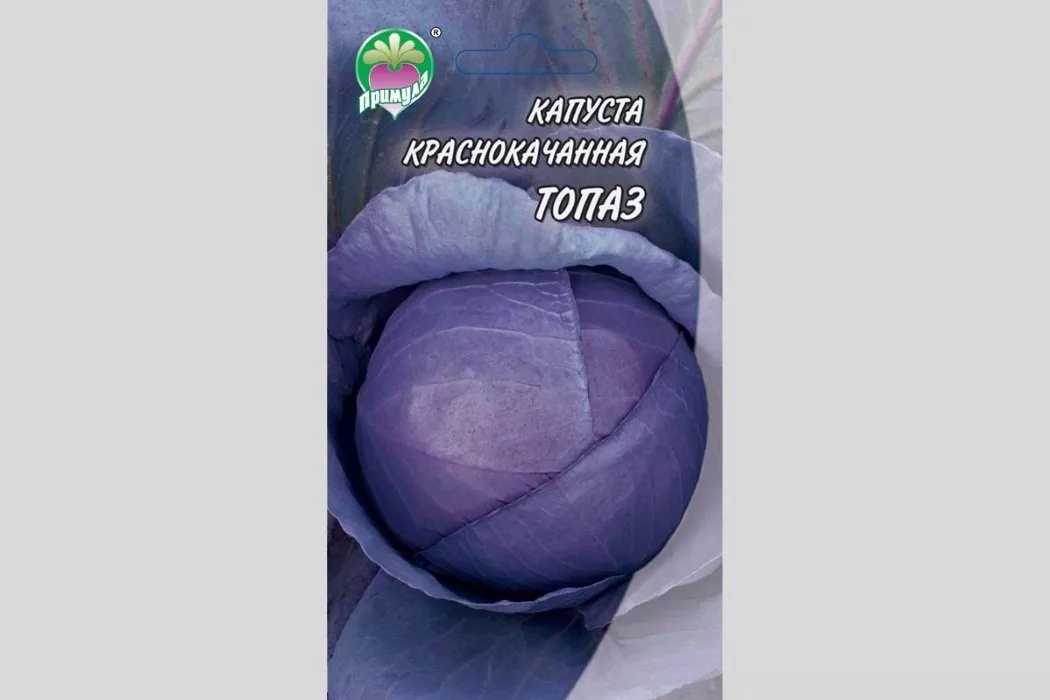
The harvest is timely, as the heads of cabbage begin to crack as they grow too large, which immediately negatively impacts their shelf life. The average head weighs 1.5 kg. The variety is resistant to cabbage diseases and has a good shelf life.
Vorox F1
A Dutch hybrid, classified as a mid-early variety, it matures in 95 days from transplanting to a permanent location. The heads are broadly elliptical in shape, and although small, they are dense, weighing up to 3.5 kg. The yield is average - 5-6 kg/sq.m. Resistant to cracking.
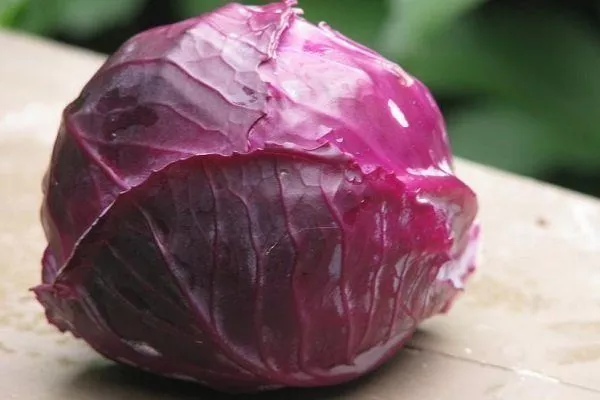
The leaves range from medium to large in size. Their surface is smooth, purple in color, and they have a waxy coating. This cabbage is delicious both fresh and processed.
Autoro F1
A Dutch hybrid with a growing season of 116 days from germination, it boasts high yields. The head is round-oval and a rich, dark red.
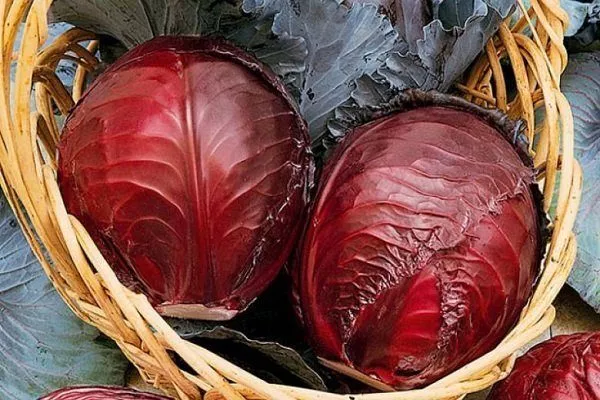
A single head of cabbage rarely weighs more than 2 kg. The leaves are medium-sized, purple, and have a thick waxy coating. Once ripe, it can be left in the field for more than a month without affecting its flavor or appearance. Cabbage tolerates long-distance transportation well. Yields are high—8-10 kg/sq. m. However, a significant drawback is its high susceptibility to clubroot.
Gako
An ancient variety that tolerates low temperatures and remains popular today. It has been grown throughout Russia since 1943. It takes 110-136 days from transplanting young plants into open ground to ripen. The yield is high - 8 kg/sq.m.
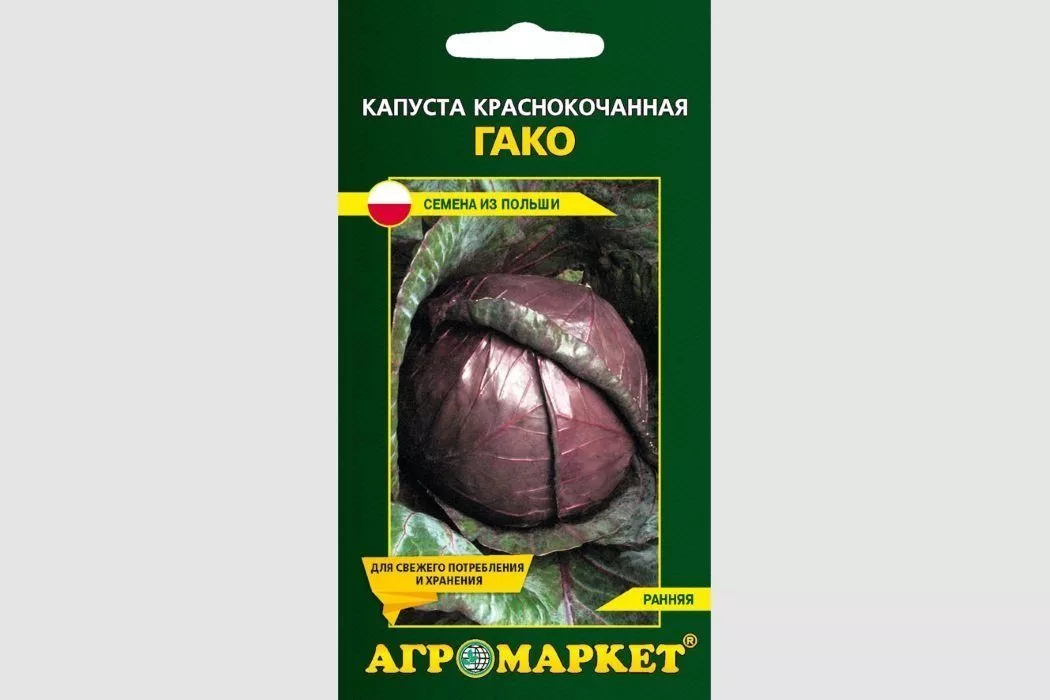
The cabbage is round and dense, weighing approximately 3 kg on average, and does not split when ripe. The leaf is solid, glaucous-purple in color, and has a noticeable waxy coating. This variety is drought-tolerant, has good shelf life and transportability, and is moderately resistant to bacterial diseases.
Mikhnevskaya
A high-yielding variety from Moscow breeders, intended for cultivation throughout the country. The harvest is collected 120 days after the emergence of shoots. The dense heads are purple with a faint red tint. The minimum weight of a single head is 1.4 kg, but some weigh up to 6 kg. The yield is high—6-8 kg/sq. m.
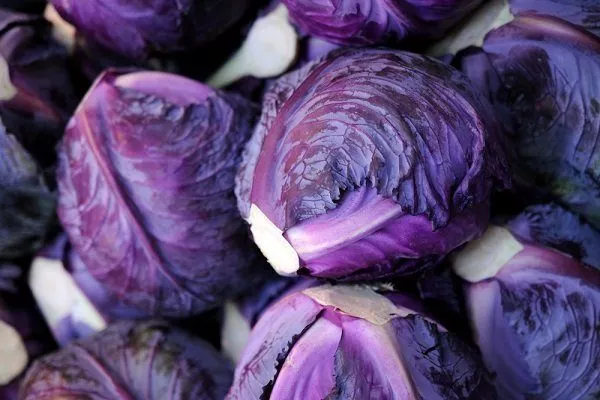
The blue-violet leaves are covered with a medium-thick waxy coating. This variety has excellent shelf life and flavor, and tolerates both high and low temperatures, but only for short periods. It is susceptible to clubroot and slimy bacteriosis.
Late varieties
This cabbage takes over 160 days to mature, and its main characteristic is its large size. Late-ripening varieties are easy to transport, are resistant to sub-zero temperatures, and can be stored for a long time.
| Name | Disease resistance | Soil requirements | Ripening period |
|---|---|---|---|
| Varna F1 | High | Average | 110-120 days |
| Rodima F1 | High | Average | 140 days |
| Langedijker red | High | Tall | 120-160 days |
Varna F1
A French hybrid that grows well in all regions of Russia. Ripening period is 110-120 days, yield is high - 8-10 kg/sq. m. The head is obovate, dense, and has a rich purple color when cut. The leaves are medium-sized, obovate, slightly blistered, purple, and covered with a thin waxy coating. The edges are wavy.
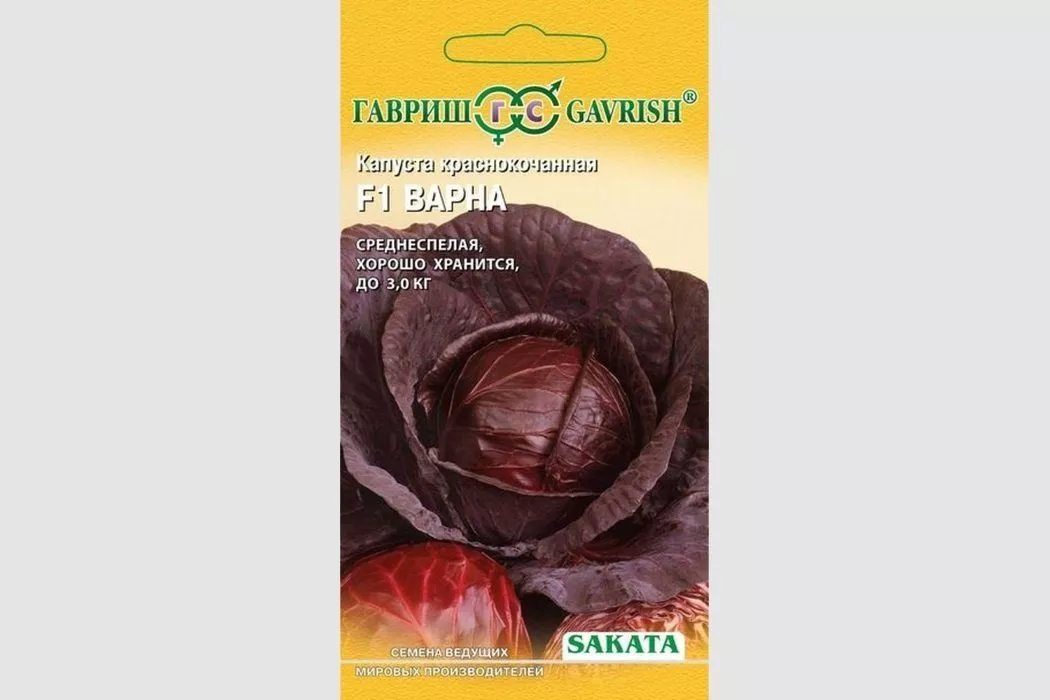
The maximum head weight is 2.5 kg. This cabbage has excellent taste and stores well in winter. According to breeders, it tolerates heat and is immune to fusarium and thrips.
Rodima F1
A hybrid developed by Dutch breeders. Ripening period: up to 140 days. It is resistant to head cracking,immune to diseases and is high-yielding, harvesting 8-9 kg per 1 sq. m.
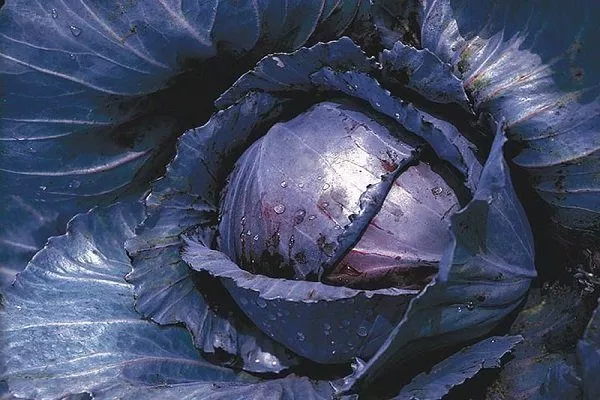
The head itself is round, bright purple when cut. The leaves are large, broadly ovate, slightly blistered, dark purple, and covered with a thick waxy coating.
Langedijker red
A variety with excellent taste and long shelf life (up to six months). Ripens in 120-160 days,The yield is high - 10 kg/sq.m. The head is dense and does not split. It is oval-shaped and purple in color. It weighs an average of 2.5 kg.
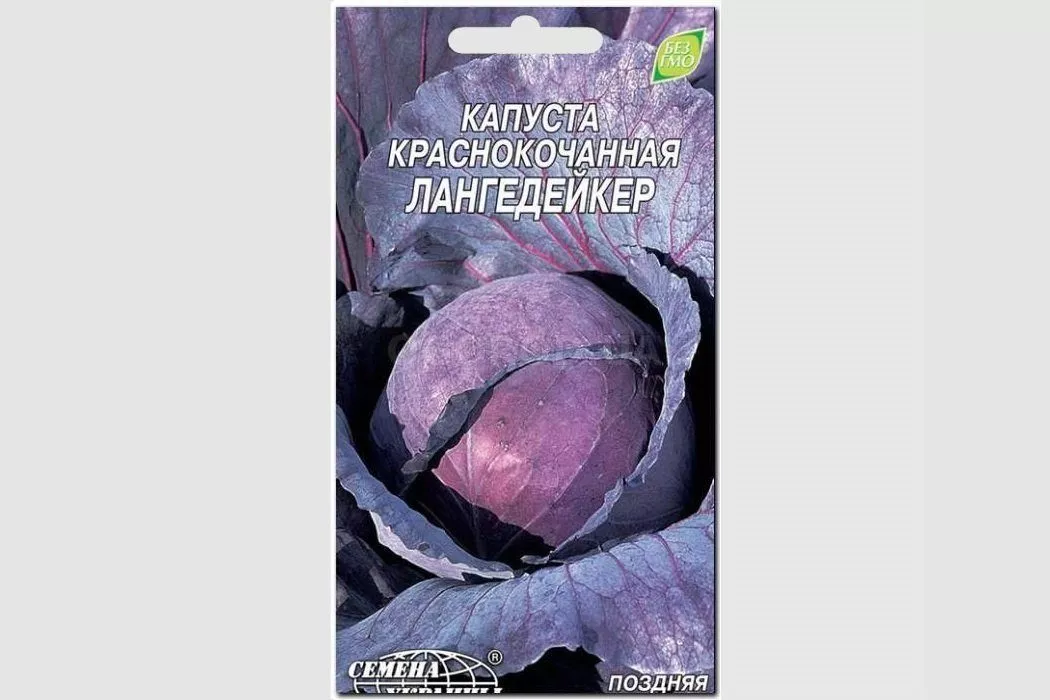
The crop ripens uniformly. Cabbage is immune to Fusarium wilt and relatively resistant to vascular and slime bacteriosis. It tolerates transportation well and is heat- and cold-tolerant.
The best varieties
Among the many varieties of red cabbage, the best ones are distinguished based on the balance of key characteristics. Almost all of them are considered late- or mid-season.
Calibos
This mid-season cabbage variety is cultivated throughout Russia. It takes 140-150 days for sprouts to form heads. It is suitable for both pickling and fresh consumption. The head of cabbage has a characteristic triangular-cone shape, weighing no more than 2 kg. The average yield is 6 kg/sq. m.
The leaves are red and slightly blistered. When cut, the head has a rich red-purple color. The plant boasts excellent flavor, a juicy and tender texture. Many vegetable growers consider this variety of red cabbage to be the most delicious.
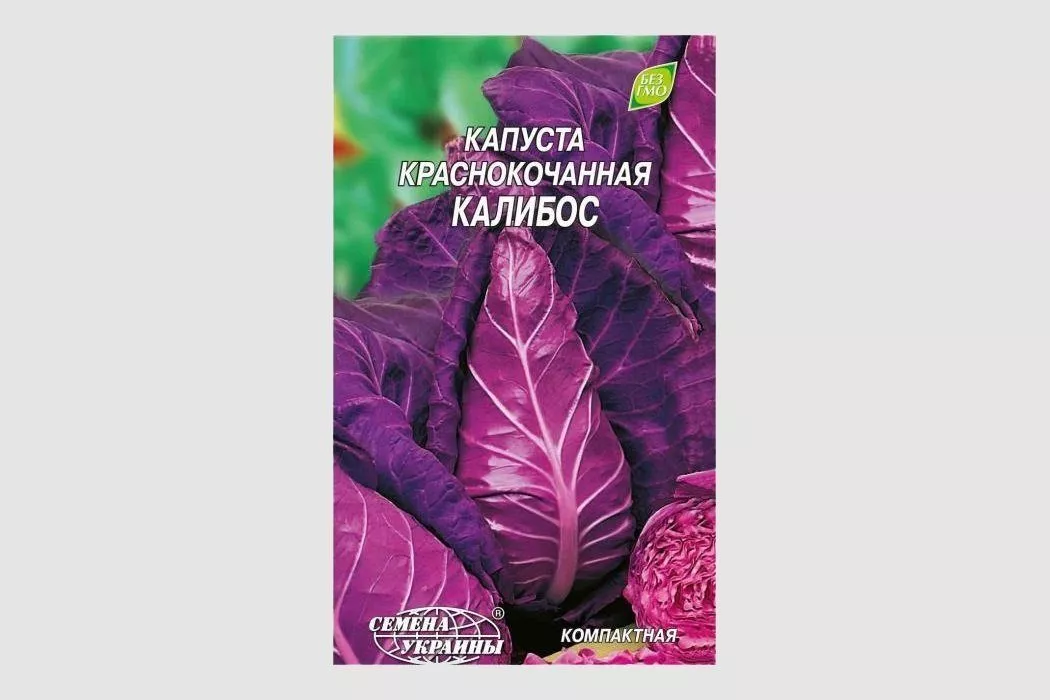
However, such a delicate structure also has many disadvantages:
- Machine harvesting is not suitable for Kalibos. When harvesting by hand, care must be taken to avoid damaging the delicate leaves.
- This variety is also not suitable for long-term storage. Even under optimal storage conditions, cabbage will only last until December at the latest.
- The variety is demanding in terms of soil moisture and cool weather conditions, but on the other hand, thanks to this, it tolerates low temperatures and is considered a cold-resistant crop.
Stone head 447
An ancient variety, it was included in the State Register of the Russian Federation back in 1943. It is suitable for cultivation throughout the country without exception and is classified as a mid-season variety. Despite its several shortcomings, it has continued to be planted in vegetable plots for several decades.
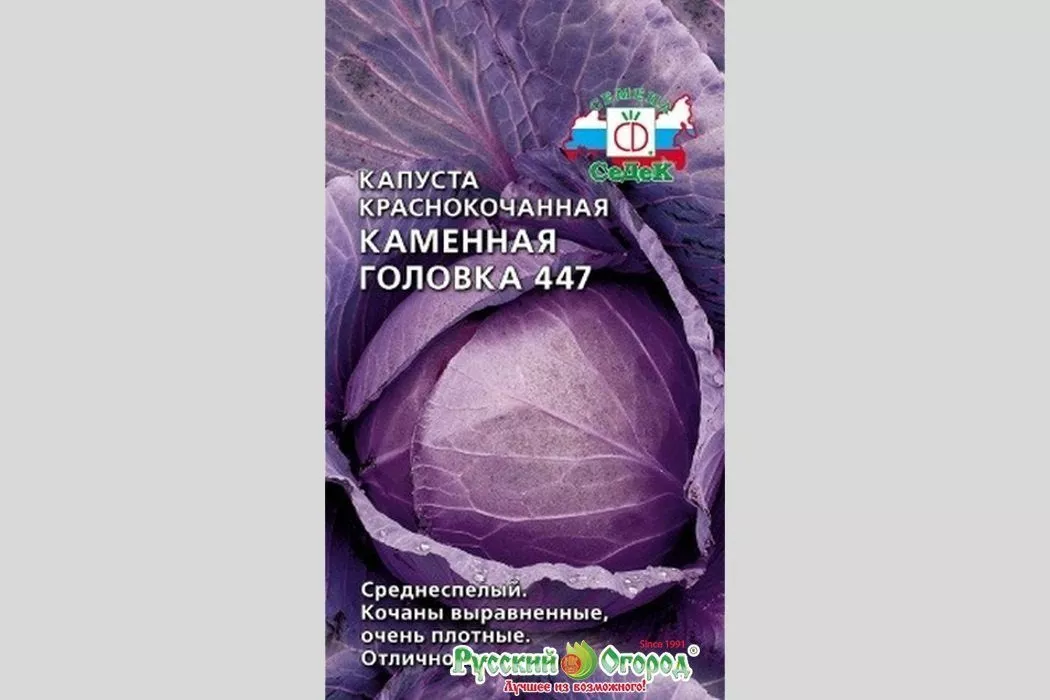
The plant will need 105-135 days from emergence to technical maturity of the heads of cabbage. The yield is low - 2.5-5 kg/sq. m. The fork is rounded and dense, but susceptible to cracking. The leaf blade is slightly wrinkled or smooth. It is colored reddish-purple and covered with a thin layer of wax.
The stone head is suitable for short-term storage, moderately resistant to slimy bacteriosis, and the crop ripens unevenly.
Pallet
A late-ripening variety that requires approximately 150 days from emergence to reach technical maturity. The yield is average, 5-6 kg are collected from 1 sq. m. The heads are round, purple-red in colour, with a maximum weight of 1.8 kg.
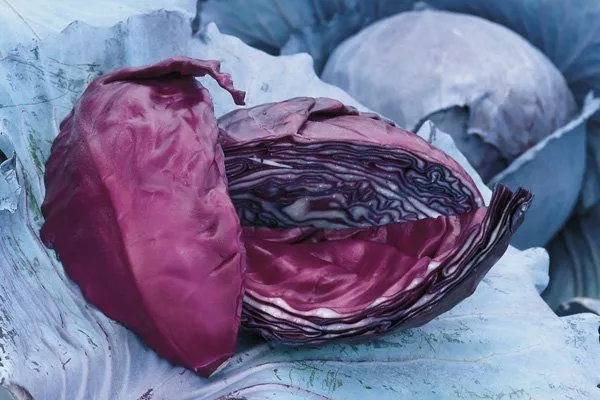
This variety is temperature-tolerant and weather-resistant. Its leaves are not very juicy. Its shelf life does not exceed 4 months.
Nurima F1
A hybrid from Dutch breeders, who position it as the earliest ripening—the plant needs only 70-80 days to ripen. The yield figures are average, with about 6 kg harvested per 1 sq. m. The mushroom is perfectly round, medium-sized, and purple in color. It weighs no more than 2 kg.
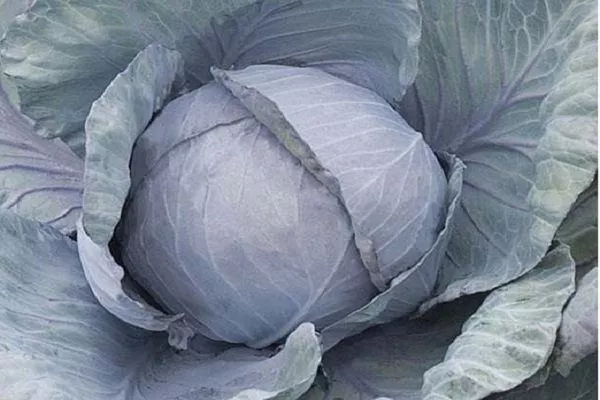
The compact rosette allows for easy covering with a covering material if needed. The variety is disease-resistant and unaffected by temperature fluctuations. The cabbage is suitable for short-term storage.
Popular varieties
Among the numerous varieties and hybrids, there are some that are widely grown in most gardens and allotments across the country. These varieties are disease-resistant and store well.
Avangard F1
Mid-season hybrid, Ripening period 95-105 days. Grown in all regions of Russia, the cabbage produces a dense, round head, dark purple when cut, weighing 2.2 kg. The yield figures are average – 6 kg/sq.m.
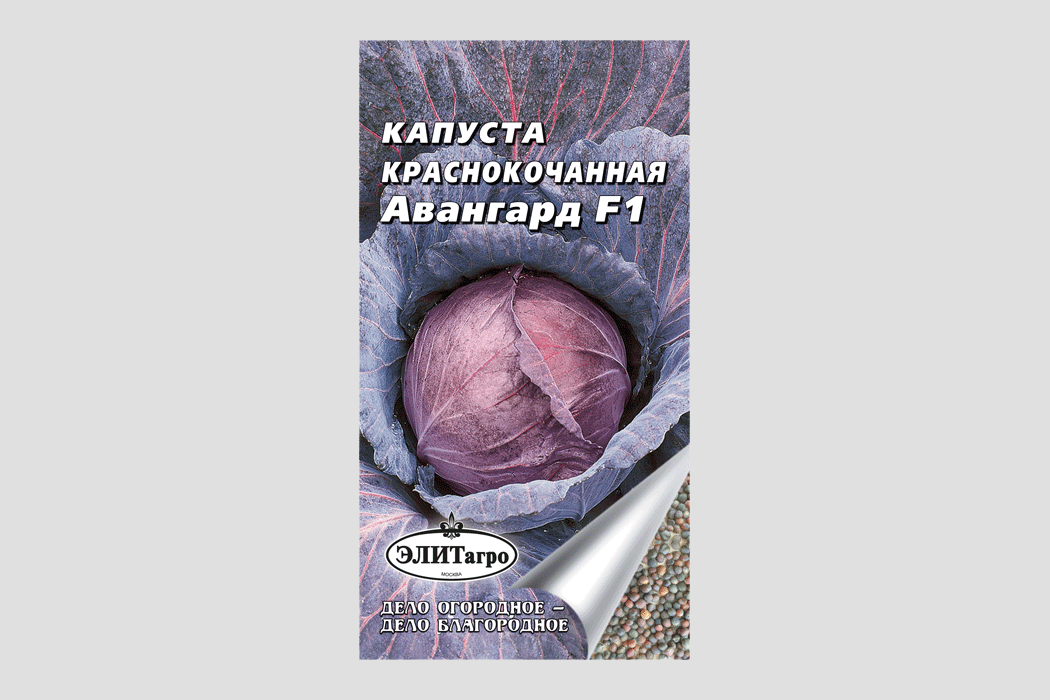
The large leaves are blue-green and covered with a waxy coating. They are slightly blistered and have slightly wavy edges. The hybrid is immune to Fusarium wilt.
Anthracite F1
A mid-season hybrid that takes 120-135 days from germination to head maturity. It has a dense, purple, oval head. The yield is average - 5 kg/sq. m.
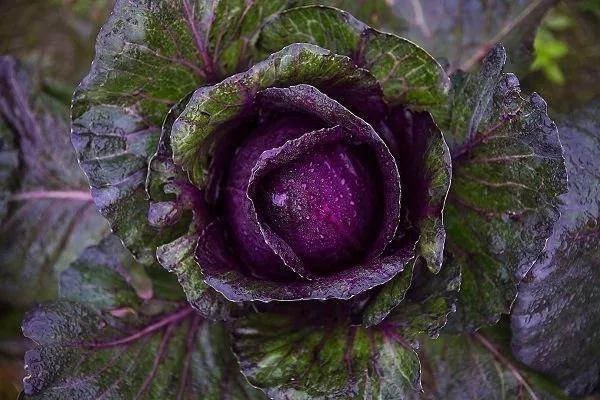
Its weight typically does not exceed 2.5 kg. The leaves are medium-sized, purple, and covered with a waxy coating. The plant tolerates short-term cold spells.
Drumond F1
This is a mid-early, high-yielding hybrid. It takes 100-110 days for the crop to mature into small, yet very dense, crack-resistant heads. They are rounded to flattened in shape. The yield figures are high – 8-9 kg/sq.m.
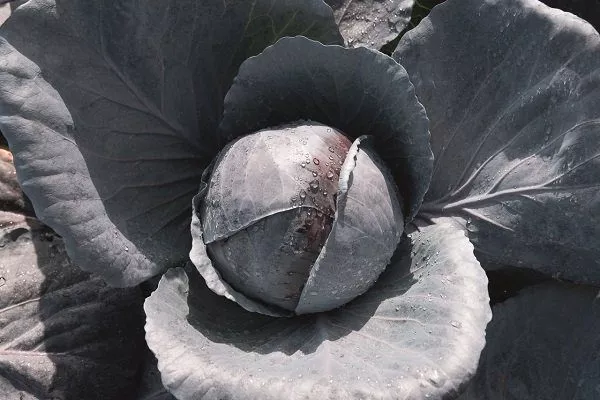
When cut, it is white, while the leaves are lilac. The maximum weight of a head is 2 kg, the minimum is 1.5 kg. The plant tolerates drought well.
Kissendrup
A mid-season variety, the harvest ripens 130-145 days after seed germination. In terms of yield, it belongs to the abundantly fruiting varieties, yielding 7-10 kg/sq. m. The head has a characteristic conical shape and is colored dark purple.
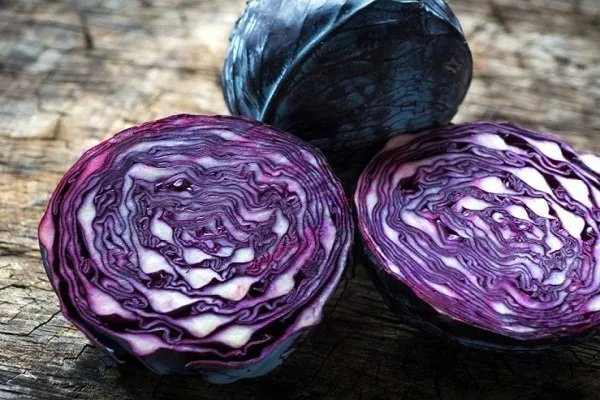
When cut, it's red and white. The average head of cabbage weighs 2.5 kg. This is a drought-resistant variety that tolerates excess moisture. It has a shelf life of up to 4 months and is resistant to disease.
Boxer
An early-ripening variety with dense heads, rarely exceeding 1.6 kg in maximum weight. Ripening time is 95-110 days. The heads are rounded and reddish-purple in color.
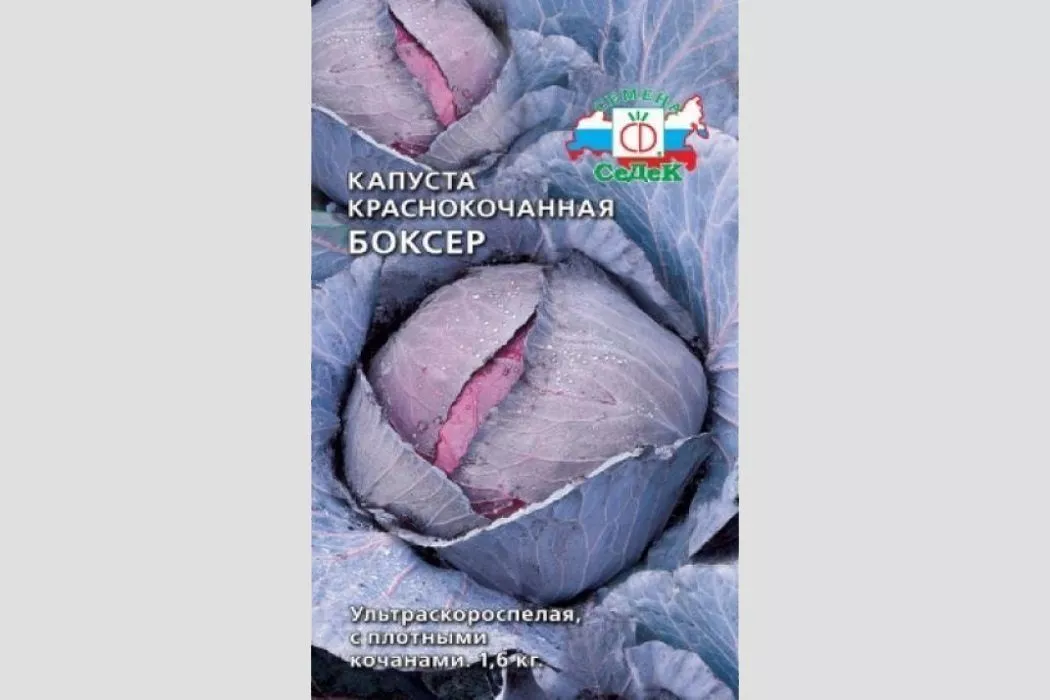
The leaves are covered with a waxy, silvery coating. The harvest ripens evenly, yielding average yields of up to 6 kg/sq. m. The cabbage is ideal for canning and also tastes good fresh. It is resistant to cracking but susceptible to clubroot.
Summer debut
A Danish breeder. One of the earliest-ripening varieties, it takes only 60 days for the harvest to mature after transplanting 45-day-old seedlings into open ground. The yield figures are average – 6-7 kg/sq.m. The head is dark purple in color, dense, and weighs no more than 2 kg. It is round in shape and medium in size.
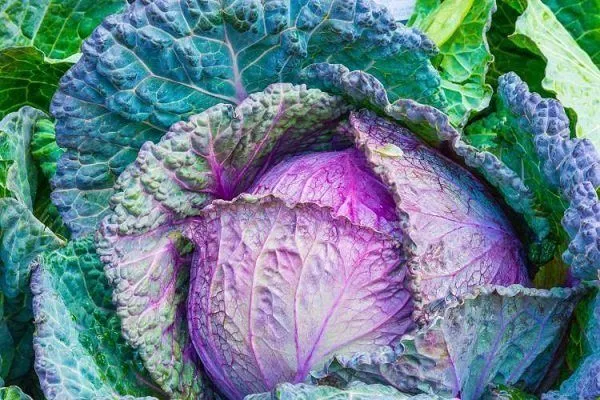
The heads are usually consumed fresh and not stored. The plant tolerates both high and low temperatures. The harvest is transportable.
Lyudmila
Mid-season, high-yielding hybrid (125-130 days) With a distinctive purple-green head, the cut reveals a dark purple hue. Each head weighs up to 2 kg and is rounded in shape. The leaves are small, purple-green, and have a fairly intense waxy coating. The yield is average—5 kg/sq. m.
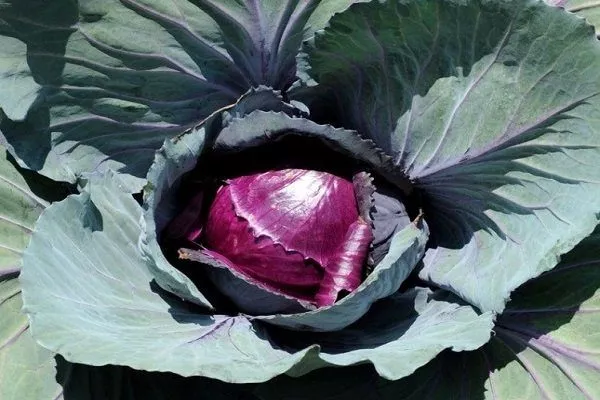
The edges are strongly wavy. The hybrid is suitable for long-term storage without losing its flavor or attractive appearance. Resistant to cracking.
Mars
A Czech mid-season, high-yielding variety that requires 105-110 days from germination to reach technical maturity. The head is a rich, dark purple color, rounded to flattened, medium-dense, and weighs up to 1.5 kg. The yield indicators are medium-high, depending on growing conditions - 6-8 kg/sq. m.
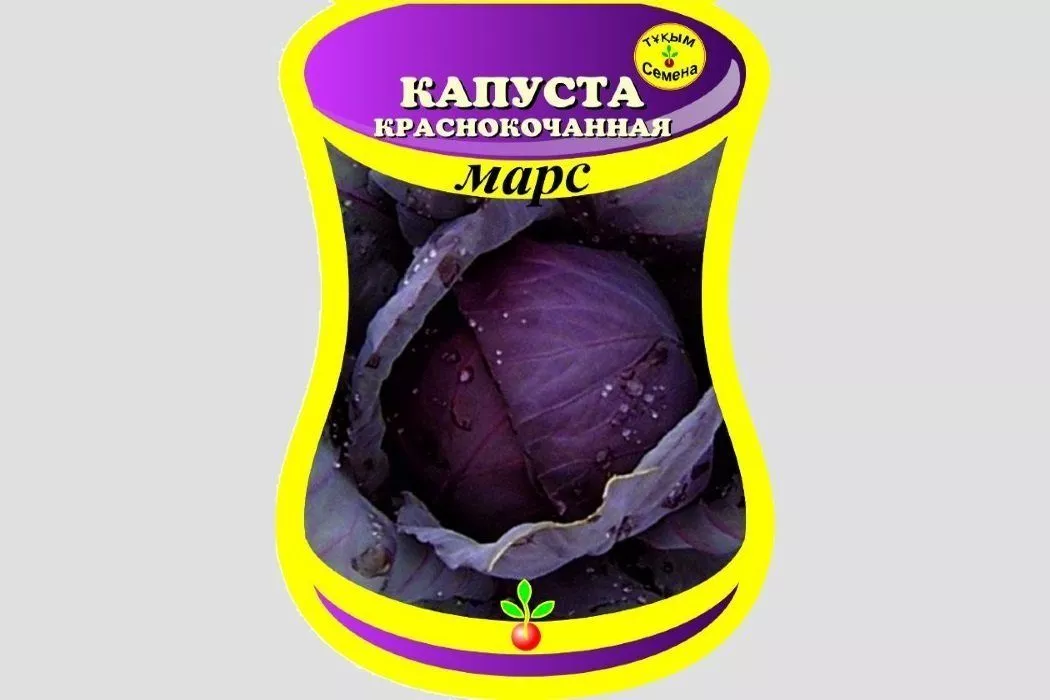
The leaves are medium-sized, slightly wrinkled, and have a wavy edge. The heads are not prone to cracking. The plant is resistant to diseases.
Maxilla
A late-ripening cabbage. The harvest is typically 145 days after germination. The heads are firm and weigh up to 3 kg.
A cold-hardy variety that thrives in light and moisture. It is resistant to cracking. Yields in fertile soils are 7-9 kg/sq. m.
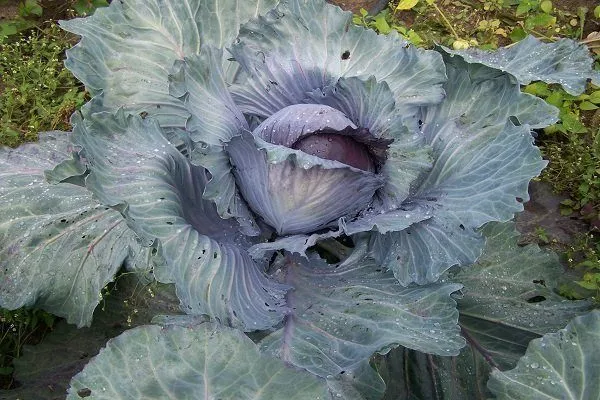
When ripe, the leaves are rough in texture, but their taste improves with storage.
Summary table of red cabbage varieties by criteria
The table below provides summary information on all the varieties listed above:
| Name | Ripening period | Weight of head of cabbage, kg | Sustainability | Shelf life |
| Avangard F1 | mid-season | 2.2-2.5 | to Fusarium wilt | 4-6 months |
| Amethyst | early ripening | 1.5
| to cracking, fusarium wilt | not suitable for long-term storage |
| Anthracite F1 | mid-season | 2.3 | to low temperatures | for long-term storage |
| Autoro F1 | mid-late | 1.5-2.0 | to cracking | 4-5 months |
| Boxer | early ripening | maximum 1.6 | to cracking | for short-term storage |
| Varna F1 | late-ripening | 2.0-2.5 | to high temperatures and diseases | for long-term storage |
| Vorox F1 | mid-early | 2.0-3.5 | to cracking | not suitable for long-term storage |
| Gako | mid-season | 1.2-3.6 | to cracking | suitable for long-term storage |
| Drumond | mid-early | 1.5-2.0 | to cracking, high temperatures and diseases | for long-term storage |
| Calibos | mid-season | 1.5-2.0 | to low temperatures | not suitable for long-term storage |
| Stone head 447 | mid-season | 1.2-2.5 | to mucous bacteriosis | not suitable for long-term storage |
| Kyoto F1 | early ripening | 1.5-2.5 | to cracking, blooming | 2-4 months |
| Kissendrup | mid-season | 2.0-3.0 | to high temperatures, diseases | no more than 4 months |
| Langedijker red | late-ripening | 2.0-3.0 | to Fusarium wilt, high and low temperatures | up to 6 months |
| Summer debut | early ripening | 2.0 | to low and high temperatures | consumed immediately after harvest |
| Lyudmila | early ripening | 1.5-2.0 | to cracking | for short-term storage |
| Maxila | late-ripening | 3.0 | to cracking | for long-term storage |
| Mars | mid-season | 1.3-1.5 | to cracking, diseases | for long-term storage |
| Mikhnevskaya | mid-season | 2.7-6.0 | to low and high temperatures | suitable for winter storage |
| Nurima F1 | early ripening | 1.0-2.0 | to diseases | not suitable for long-term storage |
| Pallet | late-ripening | 1.3-1.8 | to adverse weather conditions | up to 4 months |
| Example F1 | early ripening | 3.0-4.0 | to cracking | not suitable for long-term storage |
| Rodima F1 | late-ripening | 2.0-4.0 | to cracking | for long-term storage |
| Topaz | mid-season | 1.3-2.5 | to diseases | 4-5 months |
Red cabbage is practically as nutritious as its white relative. It's easy to grow and doesn't require any special conditions; you just need to choose a variety that best suits your needs.