
"Vzryv" (Blast) Cabbage is a relatively new hybrid, a highly successful development by Russian breeders. This white cabbage produces excellent yields, delights gardeners with its excellent flavor, and is versatile in its uses.
Description of the cabbage explosion
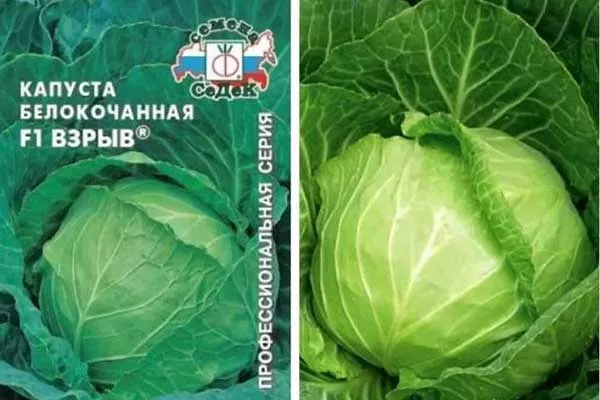
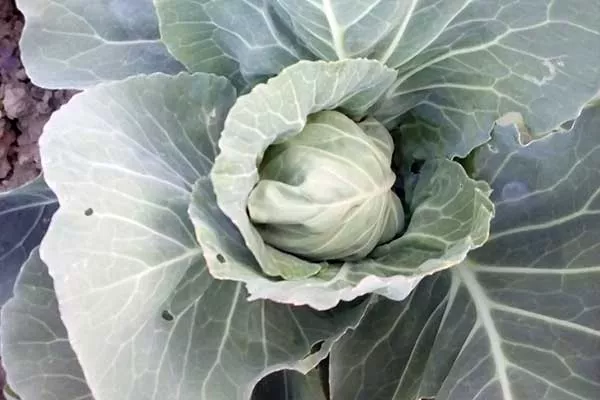
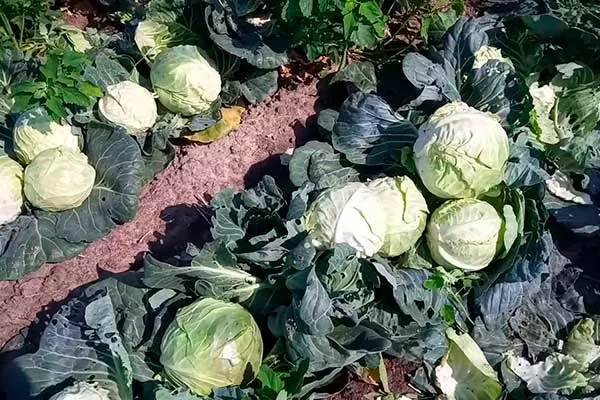
The Vzryv F1 cabbage variety has a compact, horizontal rosette of small leaves. The leaf blades have a slightly bubbly surface, are light green, and covered with a light waxy coating. The leaf edges are slightly wavy.
- ✓ The heads have a sweetish-spicy taste, which is rare among early varieties.
- ✓ The variety demonstrates high resistance to head cracking.
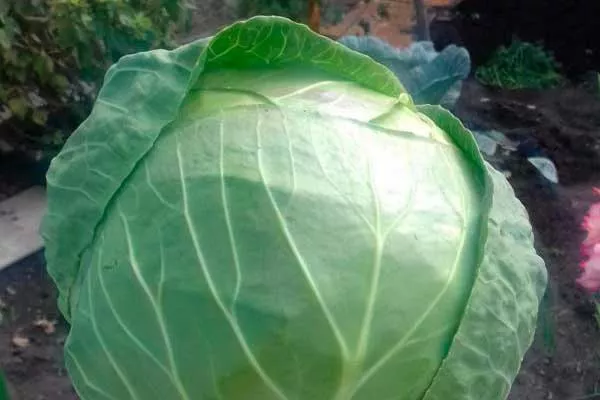
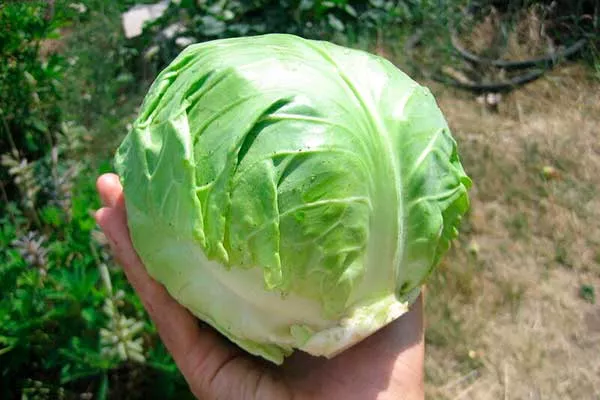
The head is round and whitish when cut. Each head weighs 1.3-1.5 kg. The outer and inner stalks are short. The heads are quite dense. Their texture is tender and juicy.
Who and when developed the Vzryv variety?
The Vzryv F1 cabbage was developed by Russian breeders Lukyanenko A. N., Dubinin S. V. and Dubinina I. N. The variety was approved for use in 2009 and is recommended for cultivation in the Volga-Vyatka and West Siberian regions.
Taste and purpose
The "Vzryv" cabbage has excellent flavor. It's delicious fresh and after any processing. However, like any early variety, this cabbage is not suitable for canning or winter preservation.
Explosion cabbage can be added to red borscht, its leaves make excellent cabbage rolls, and it can also be crumbled into a variety of salads.
This juicy and delicious cabbage is delicious on its own or paired with a variety of vegetables and root vegetables. It also makes a wonderful filling for pies and other baked goods.
Characteristics
The "Vzryv" cabbage variety is an ultra-early maturing variety, reaching technical maturity 85-90 days after germination. The exact maturity date depends on when the cabbage is planted in the ground or in a greenhouse.
From 3.7 to 4.3 kg of cabbage can be harvested per square meter. With proper agricultural practices, even higher yields can be achieved—up to 8 kg per square meter. The marketability of the heads is 92%.
Pros and cons
Any gardener or lover of this crop will appreciate the "Vzryv" cabbage. This variety has many advantages, but it also has a number of disadvantages, which are best to be aware of before planting.
Landing features
Plant "Vzryv" cabbage in a sunny, well-lit area. The soil should be fertile and rich in organic matter. You can plant either seedlings, which are grown for about a month, or seeds, which are sown outdoors according to standard agricultural practices.
- ✓ Soil pH should be between 6.0-7.5 for optimal growth of Cabbage Explosion.
- ✓ The soil must be well-drained to avoid waterlogging and root rot.
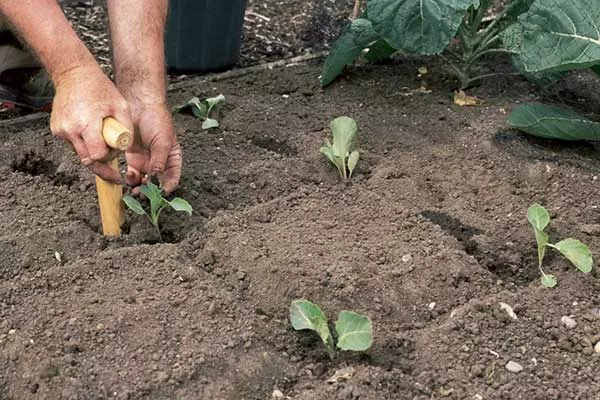
Cabbage should not be planted after radishes, turnips, rutabagas, horseradish, turnips, and mustard. Good predecessors include potatoes, garlic, carrots, onions, tomatoes, peas, and other legumes.
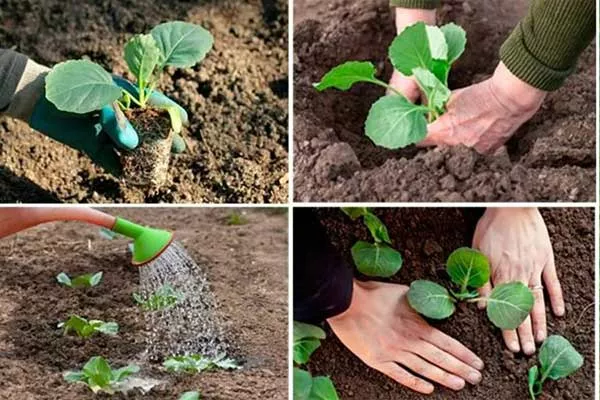
Care in the ground
To grow large, juicy heads of cabbage, the Vzryv cabbage must be properly cared for—watered, fertilized, loosened, and all other agricultural practices must be followed.
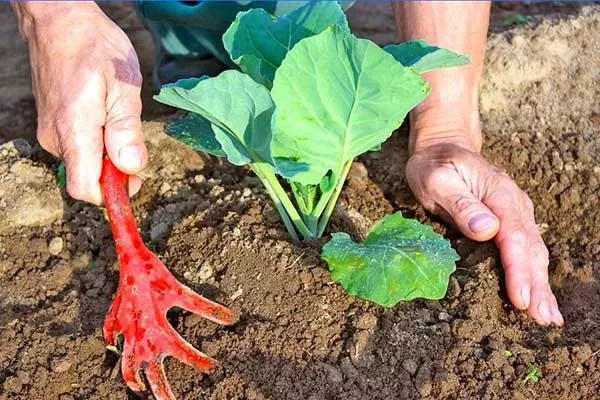
How to care for Explosion cabbage:
- This variety requires regular watering, taking into account weather conditions and soil conditions. Avoid watering on rainy days to prevent the development of fungal infections. In dry weather, pour 2 liters of water under each plant.
The best time to water cabbage is morning or evening, before 10 a.m. or after sunset. Young plants planted in the ground can be watered with a sprinkler; during the formation of the crowns, water the roots; drip irrigation is best. - Two weeks after planting the seedlings, the cabbage is hilled. Two to three hillings are performed per season. It's important not to damage the roots by raking the soil up, and also to avoid clods of soil getting on the leaves. Fertilizer can be applied to the cabbage beds simultaneously with hilling.
- To ensure large and juicy heads, cabbage needs to be fed. Two to three times per season is sufficient. The first application is a couple of weeks after planting the seedlings in their permanent location, with the next two applications being done at two-week intervals. Fertilizers include mineral compounds, as well as organic matter such as manure, chicken manure, herbal infusions, and the like.
Diseases and pests
The "Vzryv" cabbage is fairly resistant to various diseases, but under unfavorable conditions and poor care, it can be affected by bacterial slime, white mold, and gray mold. To prevent these and other infections, it's important to maintain a regular watering schedule and avoid overcrowding.
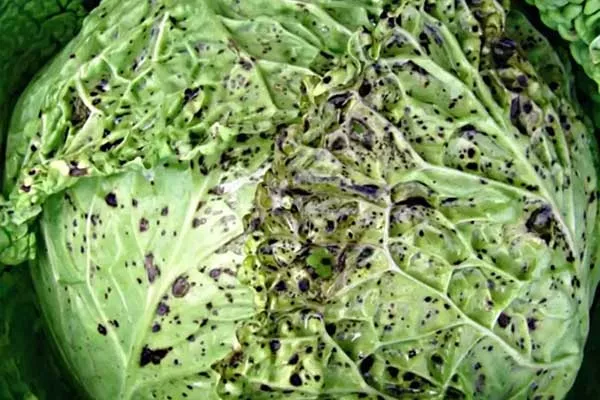
Cabbage can be treated with the biofungicide Fitosporin-M, a 1% solution of Bordeaux mixture, garlic infusion, or other folk remedies. This variety is not susceptible to insect damage, but if they become widespread, attacks are possible.
The most dangerous insects are the cabbage fly, cabbage white butterfly and cabbage moth caterpillars, and the cruciferous flea beetle. Fitoverm, Bitoxibacillin, and other insecticides are used to control these pests. When using chemicals, it's important to follow the spraying schedule to ensure that heads of cabbage cut for food are free of toxins.
Harvesting and storage
The heads are harvested as needed for fresh consumption. This early-ripening variety is not stored for the winter. However, under favorable conditions, "Vzryv" cabbage can be stored for 1 to 3 months. If the heads are stored, harvesting should be done in dry weather.
Store "Vzryv" cabbage at temperatures ranging from -1°C to +4°C. Optimal humidity is 85-95%. The room where the cabbage is stored must be well ventilated, otherwise the cabbage will begin to rot due to the growth of putrefactive bacteria and fungi.
Reviews
The "Vzryv" variety is just what a true cabbage connoisseur needs. It produces simply perfect heads, with excellent flavor, tender leaves, and is juicy and nutritious. This option is perfect for those looking for a super early variety for summer use.