
Vesuvius cabbage is an ultra-early white cabbage variety with conical heads. Developed by Italian breeders, this cabbage boasts excellent commercial qualities and is deservedly popular with our gardeners.
Description of Vesuvius cabbage
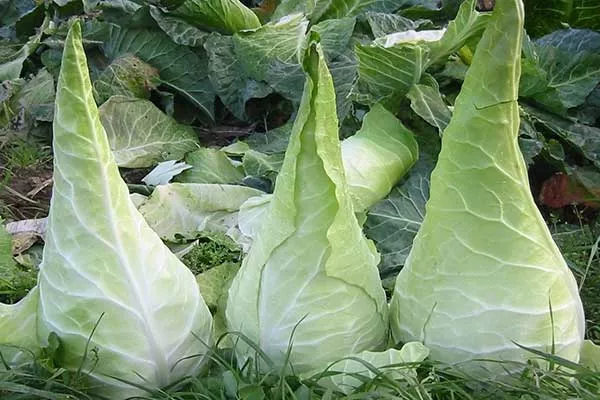
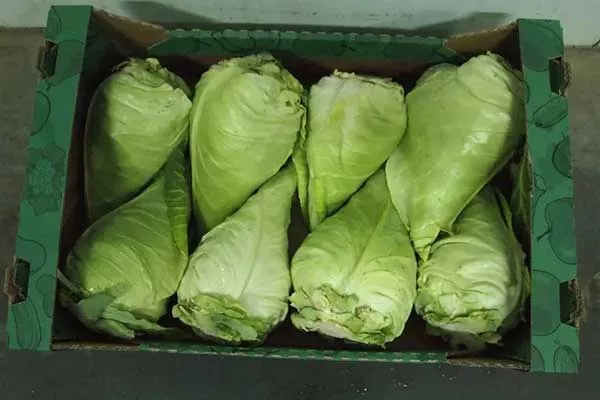
The plant has a strong, slightly raised rosette. The heads have a distinctive appearance, with pointed tips and a small size. They are light green and moderately dense. They weigh between 1.4 and 1.5 kg.
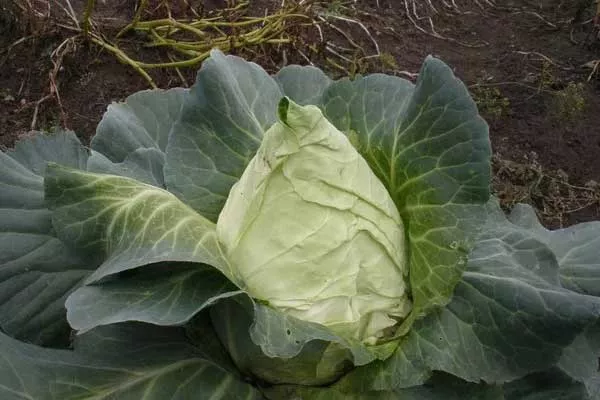
- ✓ Heads of cabbage are highly resistant to cracking even with uneven watering.
- ✓ The leaves have a natural shine, which is a sign of plant health.
Taste and purpose
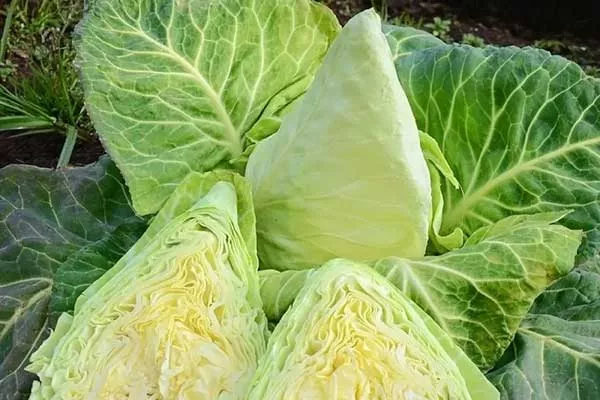
Vesuvius cabbage heads have a tender texture, are juicy and crisp. This cabbage has excellent flavor. It makes excellent summer salads, is also great in first and second courses, can be stewed, added to borscht, or used for fillings.
Productivity
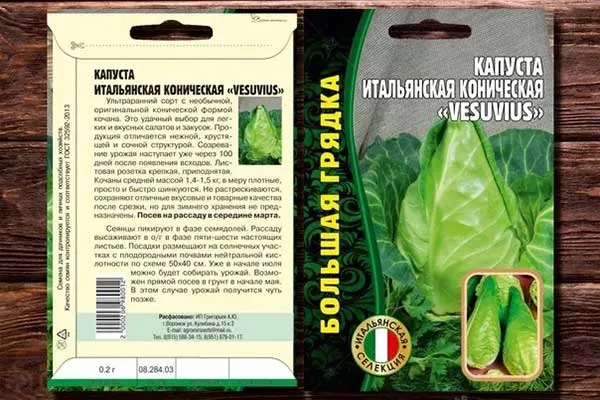
Vesuvius cabbage is an ultra-early variety; 100 days pass from the moment of emergence to the technical maturity of the heads of cabbage.
Pros and cons
Vesuvius cabbage has a wealth of advantages that gardeners and lovers of this wonderful vegetable simply cannot fail to appreciate. This variety has virtually no drawbacks.
Landing features
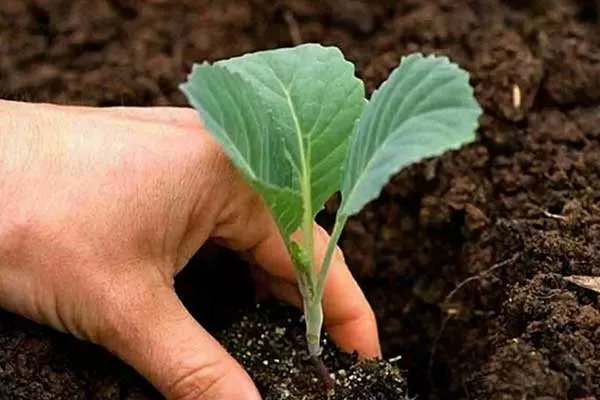
Vesuvius cabbage is recommended to be grown from seedlings for earlier harvests. Sowing seeds directly into the ground is not popular. Firstly, it takes longer to harvest, and secondly, young seedlings are immediately susceptible to insect pests, such as flea beetles. Seedlings, on the other hand, are much easier to protect from pests.
- ✓ The soil pH level should be strictly within 6.5-7.5 for optimal nutrient absorption.
- ✓ The soil must be well-drained to avoid water stagnation and the development of root rot.
Landing features:
- Seeds for seedlings are sown in early or mid-April. The timing depends on the regional climate. Seedlings are planted in open ground when they have 5-6 true leaves. Planting occurs when there is no longer a risk of frost. However, it is still recommended to cover the seedlings with plastic film at night.
- Vesuvius cabbage grows best in neutral, fertile chernozem, sandy loam, or light loamy soils. In the fall, the soil is dug over, adding 6-7 kg of humus per square meter of the plot. Superphosphate and potassium chloride are also added to the soil at a rate of 1-2 tablespoons per square meter.
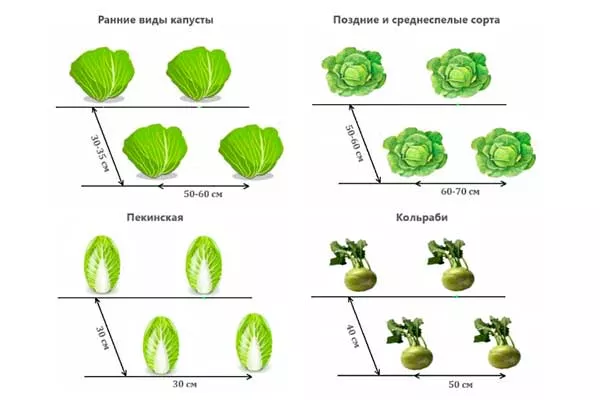
- To plant the seedlings, prepare holes filled with a mixture of humus and wood ash. The optimal planting pattern is 50 x 40 cm. Plant in sunny areas protected from drafts.
- Before planting, fill the holes with warm, settled water. The seedlings are transferred to the holes along with the root ball. To protect the seedlings from sunlight, it is recommended to initially cover them with non-woven material; cut-off plastic bottles can also be used.
Care instructions
To grow high-quality Vesuvius cabbage—juicy, tasty, and true to its varietal size—it requires specific care.
How to care for Vesuvius cabbage:
- While the seedlings are growing, the soil should be kept slightly moist at all times; it should not dry out, but there should be no overwatering, so that the seedlings are not affected by black leg.
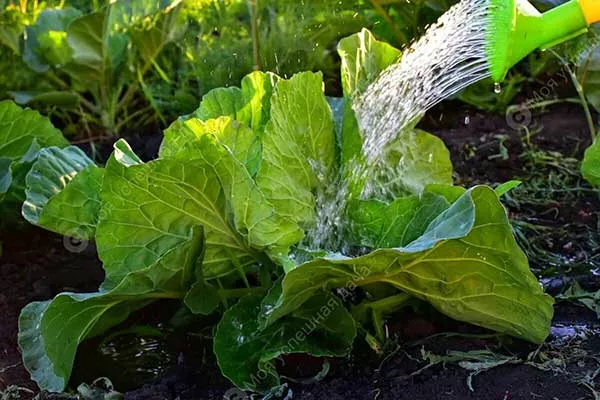
- After planting, water the cabbage plants approximately twice a week—1 liter per plant. Over time, the frequency of watering decreases, to once every 10 days. In hot weather, apply 10 liters of water per square meter per plant.
- Cabbage is watered weekly using a sprinkler, applying 0.5 liters of water per square meter. The amount of water is reduced before harvesting.
- Cabbage is fed with a 1:10 cow manure solution. This is applied to the roots three times per season. Two tablespoons of superphosphate can also be added to the solution. Three weeks before harvesting, dilute potassium sulfate is added at a rate of 2 tablespoons per 10 liters of water.
- After watering, the beds are loosened, weeds are removed, and twice a season, the soil is hilled, raking it upwards. This stimulates the formation of adventitious roots, promotes plant growth, and the formation of heads of cabbage.
Pest and disease control
If symptoms of disease are detected, it is recommended to water the soil with potassium permanganate. Fungicides such as Fitosporin-M, Topaz, Fundazol, Trichodermin, Previkur, etc. can also be used to combat infections. To protect cabbage from diseases, marigolds or calendula are planted along the beds.
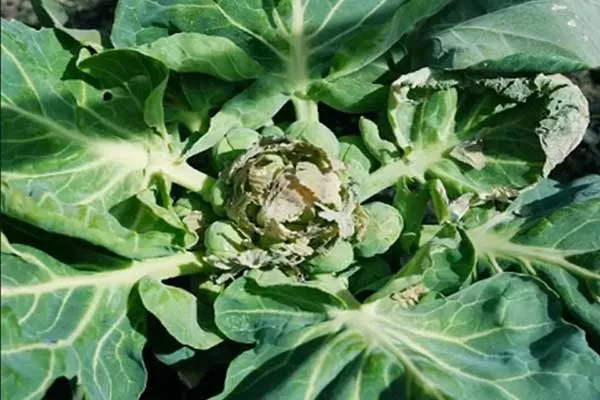
To protect cabbage from flea beetles and cabbage flies, spray it immediately after planting, and then again a week later. Fir oil, ash, or vinegar solutions, as well as other folk remedies, can be used. Insecticides such as Batrider can also be used.
Harvesting and storage
The first heads of ultra-early cabbage are harvested in late June or early July—the exact timing depends on climate conditions. If the heads are being harvested for food, this can be done in any weather, but if this is a large-scale harvest and the cabbage will be stored for some time, harvesting should be done in dry weather.
Cabbage heads are best stored in rooms with a temperature of 0 to +1°C and an air humidity of 95%. Cabbage can also be stored in the refrigerator. In any case, early cabbage does not store for long; it is intended for quick use: it is eaten, processed, and sold.
Reviews
Vesuvius cabbage is an extremely interesting and promising variety that will appeal to all lovers of ultra-early vegetables. This truly versatile variety will appeal to both gardeners and farmers, as it can be grown for both edible and commercial use.