
Transfer cabbage attracts both experienced and novice gardeners. It boasts excellent flavor, good transportability, and resistance to various climatic conditions. With proper care, this variety produces large heads and a stable yield with minimal risk.
Breeding history
Originally designed for high productivity and adaptability to a variety of climates, the hybrid successfully passed all necessary tests and trials and was approved for use in 1993.
Description of the variety
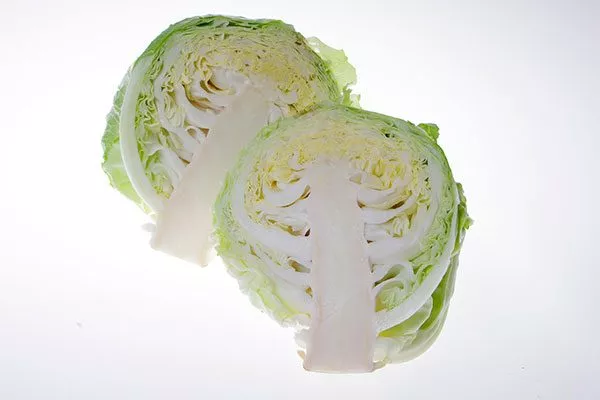
It's designed for growing in open fields and offers several advantages. Its heads are distinctive in appearance and rich in flavor, and they have a good density, making them easy to transport over long distances.
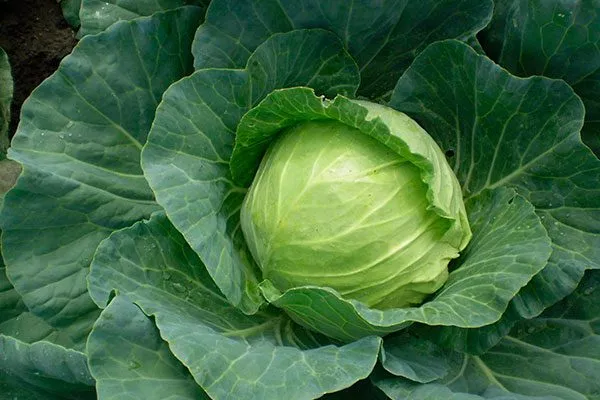
Gardeners note its rare tendency to split and its high resistance to fungal diseases and pests, making it a valuable cultivar. Moreover, it doesn't require excessive attention, making it easy to care for.
Characteristics of the appearance of the plant and heads of cabbage
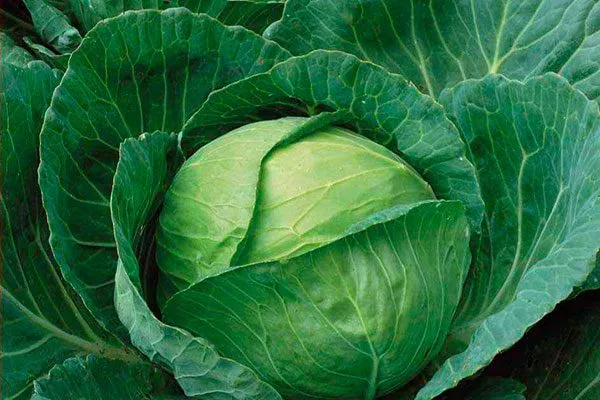
This variety has a semi-raised, small, and compact rosette of leaves. It is characterized by the following distinctive features:
- The stalk is short.
- Rounded leaves with small, faint bubbles on the surface.
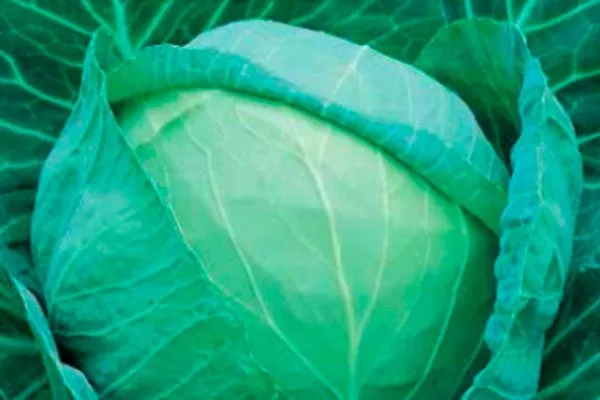
- The leaves, slightly wavy at the edges, are light green. Inside the head, they are greenish-pale. A small waxy coating is present.
- The heads of cabbage weigh about 800-900 g, but there are larger specimens, reaching up to 1.5 kg.
Purpose and taste
Mature cabbage heads have excellent flavor. The vegetable is sweet and lacks bitterness, making it popular in a variety of dishes and appetizers. Fresh leaves are especially flavorful in salads. Cabbage can be used for canning, but is not suitable for pickling or fermenting.
Ripening and yield level
Typically, it takes no more than 90-100 days from germination to technical maturity for vegetables. Heads of cabbage ripen at a steady pace, taking 8-10 days.
The hybrid attracts attention with its high yields. In private gardens, yields of 3 to 4 kg per square meter can be expected. In commercial cultivation, the average yield ranges from 215 to 381 centners per hectare.
Growing regions
Cultivation of Transfer cabbage is widespread in the following regions: Central, Ural, Volga-Vyatka, Far East, Central Black Earth, North Caucasus, Middle Volga, Northwest and Lower Volga.
Growing and care
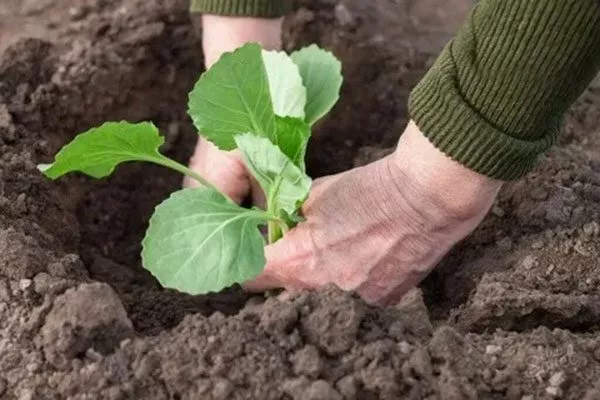
Transfer can be grown either from seedlings or by direct sowing. When grown in southern regions, it is sown directly into open ground in April or May.
- ✓ The soil pH level should be strictly within 6.0-7.5 for optimal nutrient absorption.
- ✓ The soil should have a high water-holding capacity, but without stagnant water.
Follow the recommendations:
- Before sowing, properly prepare the planting material by selecting and disinfecting it. If the seeds haven't been treated with a special solution, soak them in a potassium permanganate solution, then rinse and cool before sowing.
- Prepare the planting soil in advance by digging it and adding nutrients. The soil should be neutral in pH.
- Seedlings can be grown in individual containers or reservoirs, sowing seeds at a depth of no more than 1 cm. Seedlings require care, including hardening off several days before transplanting and regular watering.
- Plant in sunny locations, following a 50x40 cm planting pattern.
Regular watering is key. Water weekly, but more frequently may be needed during the growing season. Typically, 8 to 10 liters of water per square meter are needed.
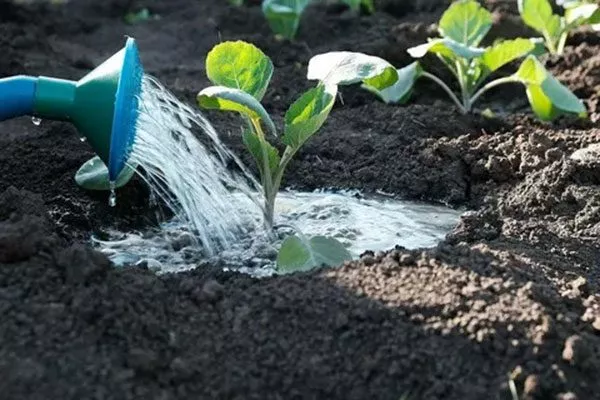
After planting cabbage seedlings in the ground, it's important to provide them with proper nutrition for healthy growth and development. Fertilizing recommendations:
- After planting the seedlings, fertilize them with organic fertilizer such as compost or humus. Loosen the soil around the plants and apply a layer of fertilizer.
- Use complex mineral fertilizers that contain essential nutrients such as nitrogen, phosphorus, and potassium. These will help ensure healthy growth and the formation of high-quality heads.
- Apply the first fertilizer 3-4 weeks after planting. Then, continue feeding every 3-4 weeks throughout the growing season.
If you notice any signs of nutrient deficiency or excess (such as yellowing or yellowing of leaves), adjust your fertilizer accordingly.
Harvesting and storage
A high-quality harvest can be obtained from June to July. Once the cabbage reaches technical maturity, begin harvesting. Select heads that have reached the desired size and density. Cut them off with a sharp knife, leaving a small stalk for storage.
Vegetables are best stored in a cool, humid place, at a temperature around 0°C and 90% humidity. This could be a basement or a refrigerator. Heads of cabbage can be wrapped in plastic or stored in perforated bags for air circulation. When stored properly, vegetables will retain their juiciness for two weeks to several months.
Pests and diseases
The hybrid is resistant to many diseases, but is occasionally susceptible to fungal infections. The most common diseases are:
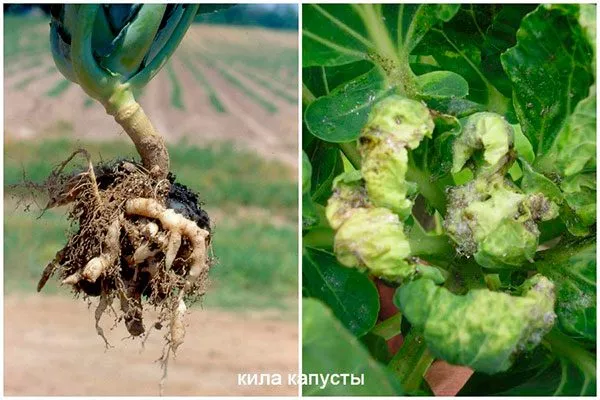
- Kila. A fungal disease that attacks the roots of young plants and seedlings. It is transmitted through weeds and soil. Seedlings infected with clubroot are unsuitable for planting. Examination of the roots reveals swellings and growths, and tumors the size of a chicken egg may form on the rhizomes.
Diseased plants suffer from moisture and nutrient deficiencies, which manifests itself in drooping, weak leaves and stunted growth. The crop cannot be treated, and affected plants must be removed from the garden along with the root ball.

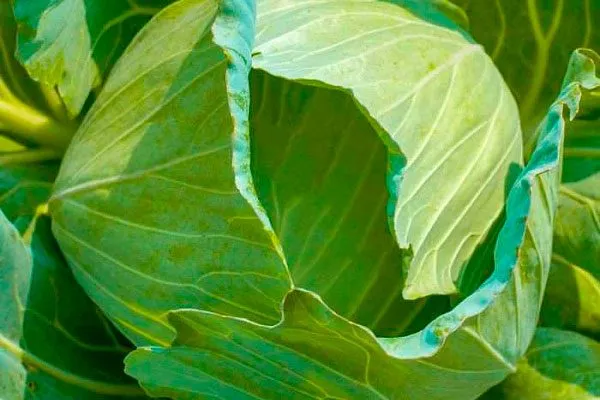
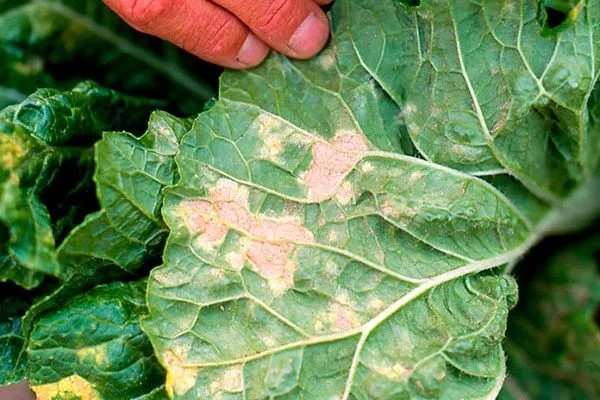
- Downy mildew. A fungal disease characterized by the appearance of yellowish or brownish spots of varying shapes on the upper surface of leaves. In high humidity, serous or light-colored plaques may form on the underside of the leaves, which eventually wilt and fall off.
Combating the disease involves using various methods. Treat plants with a solution of 10 ml of iodine per 10 liters of water with the addition of shavings of laundry soap, or use a milk solution consisting of three parts water and one part milk.
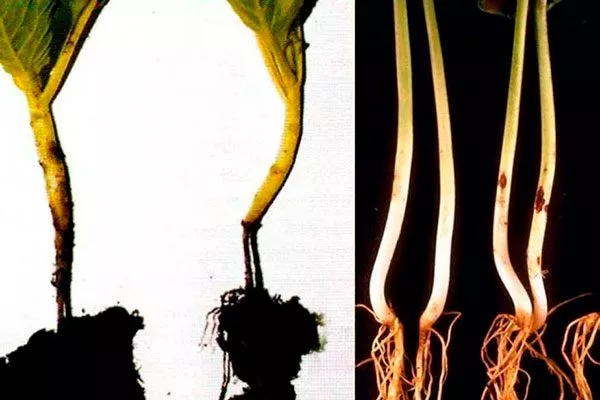
An effective method is the use of Fitosporin-M, Previkur Energy, Thiovit Jet and Baktofit. - Blackleg. This fungal disease attacks seedlings and young saplings, causing them to wilt and die. Symptoms include darkening of the basal portion of the stem.
Positive and negative qualities of the hybrid
The hybrid has many advantages that distinguish it from other early varieties. Advantages of Transfer:
Reviews
Transfer cabbage is the result of modern breeding advances and meticulous agronomic work. Its high yield, excellent flavor, and low maintenance make it an indispensable vegetable in the garden. With proper cultivation techniques, you can achieve healthy heads and high yields.