
Sugar Heart cabbage is renowned for its excellent flavor and juiciness, and is reliable and easy to grow. Although the heads are compact, they reach a good size with proper care. It's important to follow a number of key steps to ensure a full harvest.
Description of appearance, taste, application
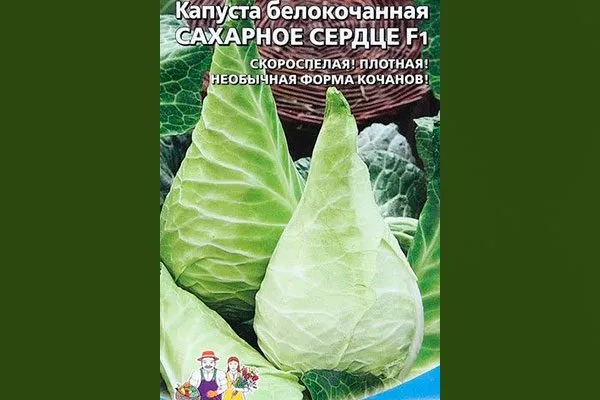
Sugar Heart is a hybrid white cabbage with a number of unique characteristics. Distinguishing features of this variety include:
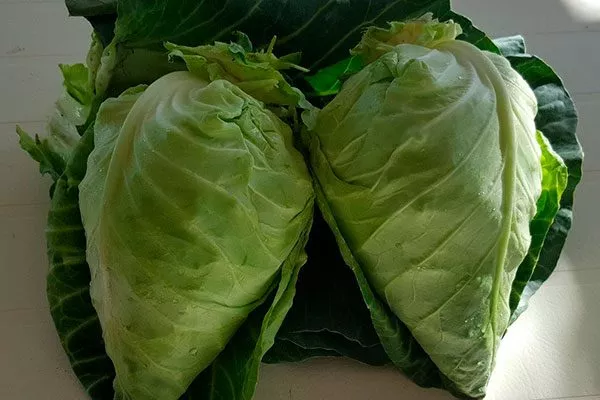
- The shape of the head is conical and its size is small.
- The vegetable reaches a weight of up to 2 kg.
- Its green color makes it recognizable, and its dense structure and tender, juicy texture give the cabbage a special charm.
- Due to their high density, the heads of cabbage remain fresh and suitable for consumption for a long time without losing quality.
This cabbage subspecies is ideal for all types of culinary preparation, including the preparation of a variety of dishes and processing. Sugar heart cabbage is used fresh or for pickling.
Characteristics
Sugar Heart cabbage ripens 70-90 days after planting the seedlings in open ground. It is a mid-season variety. The yield is high – under favorable growing conditions and proper care, you can expect to harvest 5 to 8 kg per square meter.
The hybrid has moderate resistance to the most common diseases, such as blackleg and bacterial wilt. However, to prevent potential diseases, preventative measures are recommended: maintaining optimal humidity levels and performing necessary plant treatments.
As for pests, this variety is susceptible to attacks by cabbage whites, cruciferous flea beetles, and other insects. To control them, use both chemical and biological methods.
Advantages and disadvantages
Before planting a variety in your garden, consider its positive and negative qualities. The advantages of this crop include the following:
Landing
Sow seeds for seedlings in late March or early April. Place the seeds at a depth of 0.5 to 1 cm. Seedlings will emerge within 5 to 7 days. During the growing season, regularly fertilize with mineral fertilizer, water, and ventilate the seedlings, ensuring they don't become stretched.
- ✓ The optimal soil temperature for sowing seeds should not be below +10°C.
- ✓ To prevent seedlings from stretching, it is necessary to provide additional lighting for 12-14 hours a day.
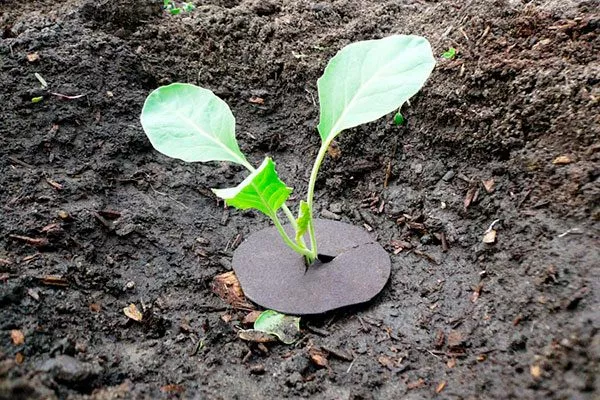
At the end of May, plant the seedlings in open ground at intervals of 60x40 cm. When planting, deepen the plants to the first true leaf.
Growing and care
Carefully monitor the planted seedlings and give them sufficient attention. Caring for Sugar Heart cabbage involves several important agricultural practices:
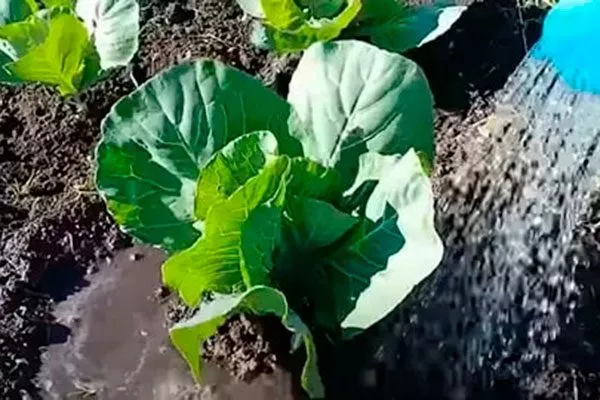
- Watering. Regular and adequate watering is essential for good growth. Water plants early in the morning or evening to prevent leaf scorch. It's important to keep the soil moist, especially during dry periods.
- Fertilizer. Fertilize your cabbage to promote healthy growth and development. Use complex mineral fertilizers rich in nitrogen, phosphorus, and potassium.
- Weeding. Regular weeding is important to prevent competition for water, light, and nutrients. This also helps prevent the spread of diseases and pests.
- Mulching. Covering the soil with a layer of mulch helps retain moisture, suppress weed growth, and protect plant roots from overheating or overcooling.
- Protection from diseases and pests. Regularly inspecting your plants will help you identify signs of disease or pests. Apply appropriate control measures when necessary.
Reviews
Sugar Heart cabbage is an ideal choice for gardeners of all experience levels. Its ease of cultivation, excellent taste, and high yield make it a welcome addition to any garden. With proper care, the cabbage heads will grow large and store well without losing their marketable qualities.